The Comprehensive Guide to Durable Commercial Flooring in 2026
Durable commercial flooring refers to high-performance surfacing materials engineered to withstand extreme foot traffic, heavy rolling loads, and chemical exposure while maintaining structural integrity. Leading options in 2026 include...
Durable commercial flooring refers to high-performance surfacing materials engineered to withstand extreme foot traffic, heavy rolling loads, and chemical exposure while maintaining structural integrity. Leading options in 2026 include polished concrete, high-performance epoxy, luxury vinyl tile (LVT) with advanced wear layers, and terrazzo, each selected based on specific lifecycle costs and environmental demands.
Contents
Understanding Durability: What Makes a Floor "Commercial Grade"?
In the context of 2026 facility management, durability is no longer defined solely by how long a material lasts before it cracks or fades. It is measured through a combination of mechanical resistance, chemical stability, and maintenance requirements over a 15-to-25-year lifecycle. A "commercial grade" designation implies that the material has undergone rigorous testing by organizations such as ASTM International to ensure it can handle the specific stressors of a public or industrial environment.
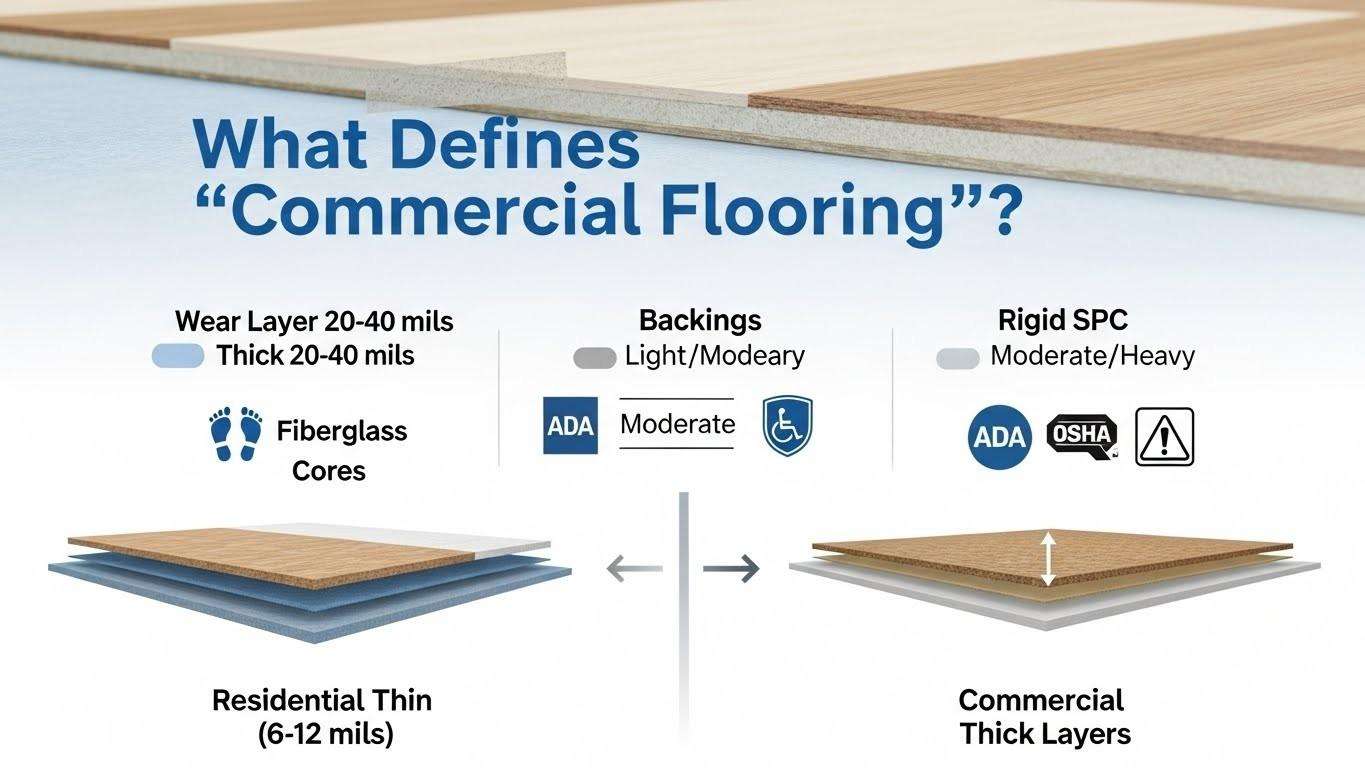
The primary technical metrics used to evaluate durability include the Dynamic Coefficient of Friction (DCOF), which measures slip resistance under wet conditions, and the Janka Hardness Scale for wood or organic materials. For resilient flooring like vinyl, the thickness of the wear layer—measured in mils (thousandths of an inch)—is the most critical factor. In 2026, the industry standard for high-traffic commercial zones is a minimum of 20 to 28 mils. Beyond the surface, the "crush resistance" of a floor determines its ability to withstand static loads, such as heavy hospital beds or retail shelving, without permanent indentation.
Furthermore, durability encompasses the floor’s relationship with the subfloor. A material is only as durable as its bond. Moisture vapor emission rates (MVER) from concrete slabs remain a leading cause of flooring failure. Modern durable systems now often incorporate moisture mitigation membranes or breathable molecular structures to prevent delamination, ensuring the installation lasts as long as the material itself.
Top Durable Commercial Flooring Materials for 2026
Selecting the right material requires balancing the aesthetic needs of the space with the physical realities of its usage. By 2026, several key materials have emerged as the leaders in the commercial sector due to their proven track records and technological advancements.
Polished Concrete: The Industrial Powerhouse
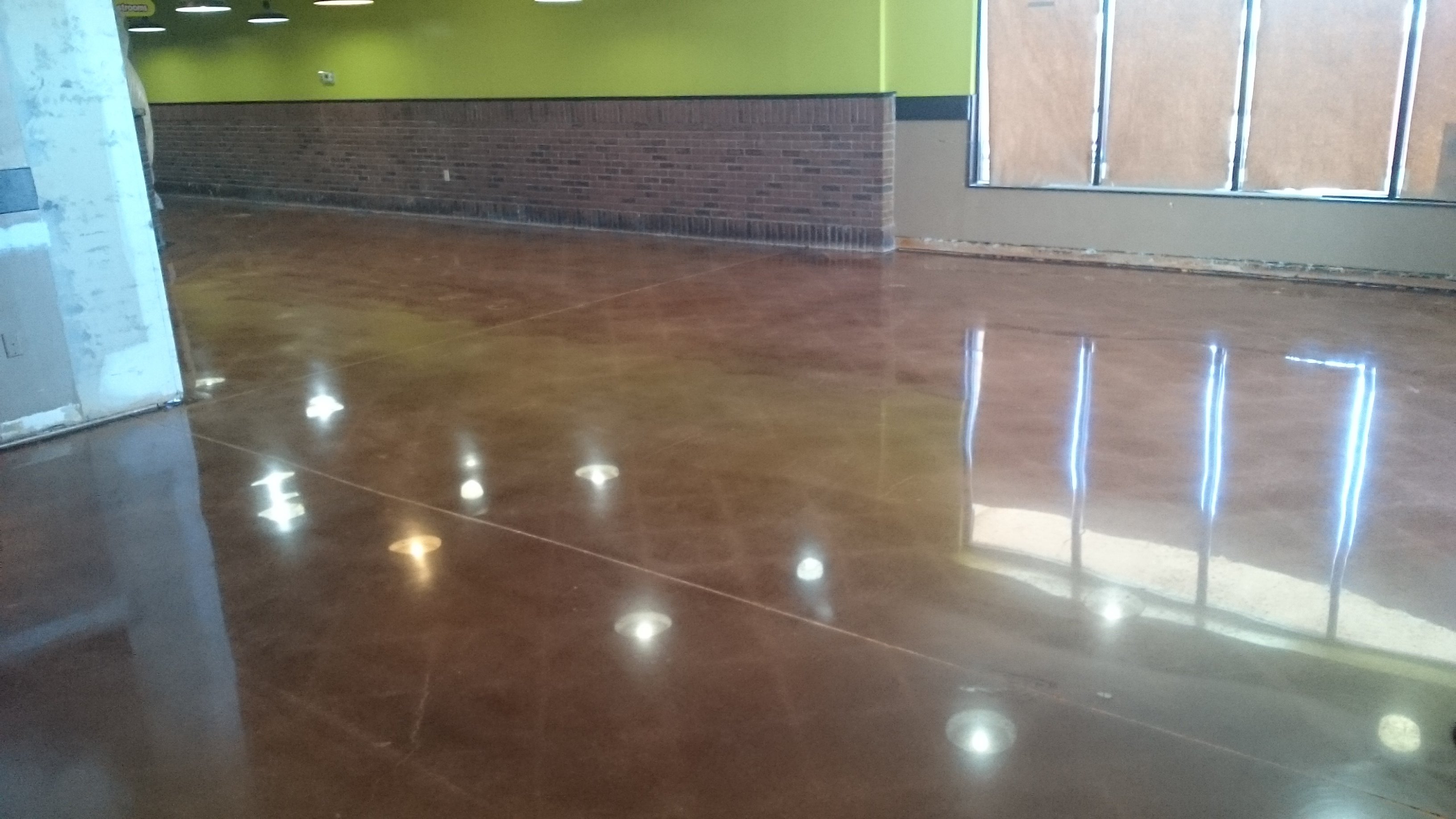
Polished concrete has evolved from a basic warehouse solution into a premier architectural choice. The process involves mechanically grinding the concrete surface with diamond-impregnated abrasives, followed by the application of a chemical densifier. This densifier—often lithium or colloidal silica—reacts with the calcium hydroxide in the concrete to create calcium silicate hydrate, a much harder crystalline structure.
The result is a floor that is nearly impervious to tire marks, impact, and heavy machinery. In 2026, polished concrete is favored for its "circularity," as it utilizes the existing structural slab, reducing the need for new raw materials. It requires no waxes or coatings, significantly lowering the long-term maintenance burden.
Luxury Vinyl Tile (LVT) and Rigid Core (SPC)
Luxury Vinyl Tile has dominated the commercial market due to its ability to mimic natural wood and stone while offering superior resilience. The 2026 generation of LVT often utilizes Stone Plastic Composite (SPC) cores. This rigid core technology provides exceptional dimensional stability, meaning the floor will not expand or contract significantly with temperature changes.
The durability of LVT is bolstered by advanced UV-cured urethane finishes infused with ceramic beads or diamond dust. These additives provide a micro-scratch resistance that was previously unattainable in synthetic materials. For high-traffic retail and corporate environments, LVT offers the best balance of acoustics, comfort underfoot, and sheer toughness.
Epoxy and Resinous Coatings
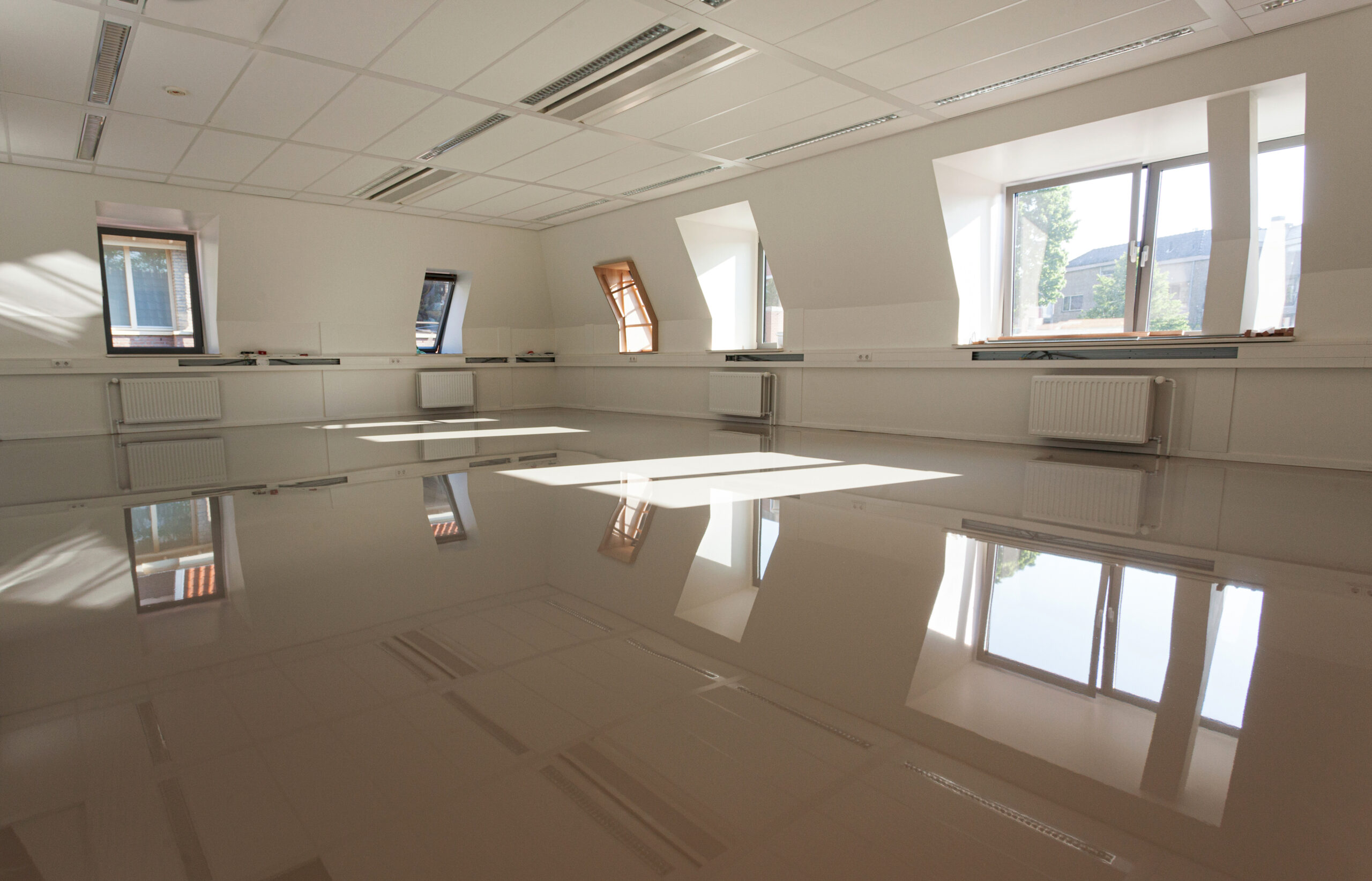
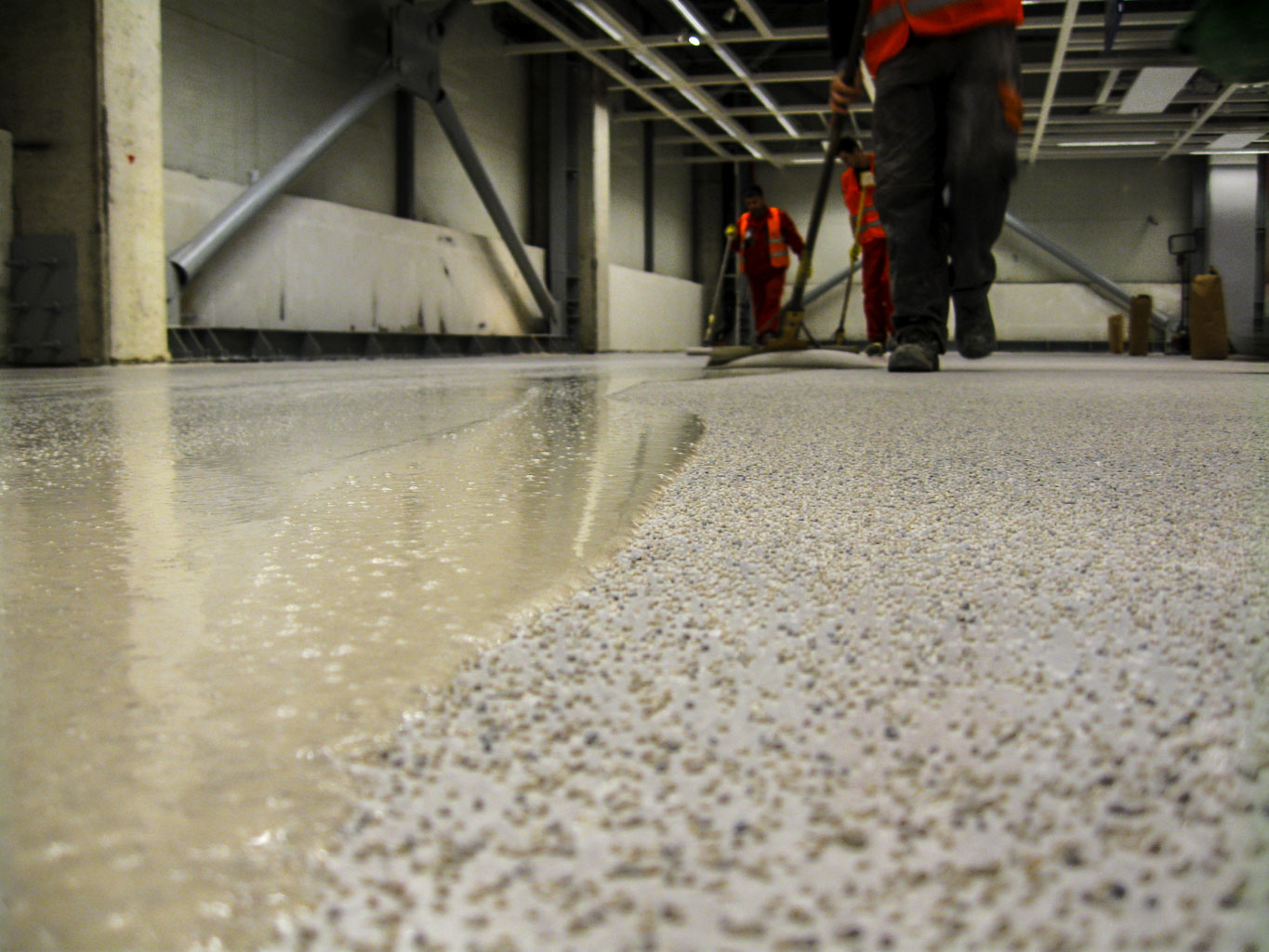
In environments where hygiene and chemical resistance are paramount—such as laboratories, food processing plants, and healthcare facilities—seamless resinous flooring is the standard. These systems, which include epoxy, polyurethane, and methyl methacrylate (MMA), are poured in place to create a monolithic surface.
Because there are no seams or grout lines, there is nowhere for bacteria or moisture to hide. High-build epoxy systems (typically 1/8 to 1/4 inch thick) can be customized with various aggregates to provide specific levels of slip resistance or decorative flair. In 2026, "fast-cure" resins are particularly popular, allowing businesses to resurface floors overnight and resume operations the next morning.
Terrazzo: The Lifetime Investment
Often cited as the most durable flooring material in existence, terrazzo consists of marble, quartz, granite, or glass chips embedded in a binder (either cementitious or epoxy). While the initial capital expenditure is higher than other options, terrazzo's lifespan often exceeds 40 years. It is essentially a "forever floor" that can be reground and repolished multiple times to look brand new.
Comparative Analysis: Durability and Life Cycle Costs
When choosing a floor, stakeholders must look beyond the initial price per square foot. The Life Cycle Cost (LCC) includes the initial cost, maintenance expenses (labor, chemicals, equipment), and the eventual cost of removal and replacement.
| Flooring Type | Average Lifespan | Durability Rating (1-10) | Maintenance Complexity | Best For |
|---|---|---|---|---|
| Polished Concrete | 20+ Years | 9 | Low | Warehouses, Retail, Schools |
| Epoxy/Resinous | 10–15 Years | 9 | Moderate | Labs, Kitchens, Hospitals |
| Terrazzo | 40+ Years | 10 | Low | Airports, Grand Lobbies |
| Commercial LVT | 10–15 Years | 7 | Moderate | Offices, Hotels, Retail |
| Rubber Flooring | 15–20 Years | 8 | Low | Gyms, Healthcare, Labs |
| Porcelain Tile | 20+ Years | 8 | Moderate | Restrooms, High-End Retail |
Sector-Specific Requirements for Durable Surfaces
Different industries face unique "floor-killers" that dictate which material is truly durable for their specific application.
- Healthcare: Floors must withstand the constant movement of heavy beds and equipment while resisting harsh disinfectants. Rubber flooring and seamless sheet vinyl are preferred here for their infection control properties and ergonomic benefits for staff who are on their feet for 12-hour shifts.
- Education: High schools and universities require floors that can handle the abrasive "tracking" of grit and salt from outdoors. Polished concrete and high-performance LVT are the standards for 2026, providing a modern look that resists scuffing from thousands of students daily.
- Industrial/Manufacturing: Durability here is defined by "point loading" and chemical spills. Thick-build epoxy or urethane mortars are necessary to protect the structural slab from degreasers, oils, and the heavy vibration of stationary machinery.
- Hospitality and Retail: Here, durability must meet aesthetics. Brands often opt for high-end LVT or engineered stone that can be easily repaired if a single tile is damaged, rather than needing to replace the entire floor.
Installation and Maintenance: The Pillars of Longevity
A durable material will fail prematurely if the installation is flawed. In 2026, the most common cause of failure remains subfloor moisture. Before any durable commercial floor is laid, professional installers must conduct calcium chloride tests or use in-situ probes to measure the Relative Humidity (RH) of the slab. If levels exceed the manufacturer's specifications (typically 85-90% RH), a moisture mitigation system must be applied.
Maintenance protocols have also shifted toward "green" durability. The use of harsh strippers and waxes has largely been replaced by mechanical cleaning methods. For instance, high-speed burnishing with diamond-impregnated pads can maintain the shine of a polished concrete or terrazzo floor without the need for topical chemicals. Implementing a robust "walk-off" mat program at all entrances is perhaps the simplest and most effective way to extend the life of a commercial floor, as it captures up to 80% of the abrasive soil that would otherwise grind down the floor's finish.
Sustainability and the 2026 Regulatory Landscape
Durability is intrinsically linked to sustainability. A floor that lasts 30 years has a much lower carbon footprint than a floor that must be replaced every five years. In 2026, the LEED v5 standards and other green building certifications place a heavy emphasis on "Extended Producer Responsibility" (EPR). Many flooring manufacturers now offer "take-back" programs where old LVT or carpet is recycled into new backing material, ensuring that durability does not come at the expense of the environment.
Furthermore, indoor air quality (IAQ) is a critical component of modern commercial flooring. Durable floors must be certified for low VOC (Volatile Organic Compound) emissions. The Resilient Floor Covering Institute (RFCI) provides the FloorScore certification, which is the industry standard for verifying that flooring products meet strict indoor air quality requirements.
Frequently Asked Questions
Which commercial flooring lasts the longest?
Terrazzo is widely considered the longest-lasting commercial flooring, often remaining functional for 40 to 50 years or more. While its initial installation cost is high, its longevity and ease of restoration make it the most cost-effective option over the total life of a building.
How do I prevent scratches on commercial vinyl flooring?
To protect LVT and other vinyl products, ensure the material has a wear layer of at least 20 mils and a factory-applied urethane finish with ceramic additives. Additionally, use non-marking furniture glides and implement a rigorous entry-mat system to trap abrasive sand and grit before it enters the building.
Can polished concrete be used in healthcare settings?
While polished concrete is extremely durable, it is porous unless specifically sealed with a high-grade guard. In sterile environments like operating rooms, seamless resinous flooring is usually preferred over polished concrete to ensure total microbial control and resistance to medical-grade chemicals.
What is the best durable flooring for a commercial kitchen?
A slip-resistant urethane cement is generally the best choice for commercial kitchens. It can withstand "thermal shock" (rapid temperature changes from hot grease or cold wash-downs), resists fats and oils, and can be coved up the wall to create a waterproof, easy-to-clean basin.
How does moisture affect the durability of commercial floors?
Moisture vapor rising through a concrete slab can cause adhesives to re-emulsify, leading to bubbling, warping, or total delamination of the floor. For maximum durability, always perform moisture testing and, if necessary, install a moisture vapor barrier before laying the finished floor.
Final Recommendation
When investing in durable commercial flooring in 2026, prioritize a Life Cycle Cost analysis over the initial purchase price. For high-traffic public spaces where longevity is the primary goal, Terrazzo or Polished Concrete offer the best return on investment. For environments requiring a balance of aesthetics and resilience, such as offices or retail, Rigid Core LVT with a minimum 22-mil wear layer is the industry standard. Always verify that your chosen material meets the specific DCOF and ASTM requirements for your facility type to ensure long-term safety and performance.
Image Gallery