Understanding Volunteers and Workers Compensation Eligibility in 2026
In most jurisdictions, volunteers are not automatically eligible for workers' compensation because they lack a "for-hire" employment contract. However, eligibility varies significantly by state law, the nature of the organization, and...
In most jurisdictions, volunteers are not automatically eligible for workers' compensation because they lack a "for-hire" employment contract. However, eligibility varies significantly by state law, the nature of the organization, and whether the entity has specifically elected to provide coverage. Specific roles, such as volunteer firefighters, often receive mandatory statutory protection.
Contents
The Legal Distinction Between Employees and Volunteers
To understand eligibility, one must first distinguish between a legal employee and a volunteer. Under the Fair Labor Standards Act (FLSA) and most state-level workers' compensation statutes, an employee is someone who performs services for another in exchange for financial gain or "valuable consideration."
Volunteers, by definition, provide services for civic, charitable, or humanitarian reasons without promise, expectation, or receipt of compensation. Because workers' compensation is designed to replace lost wages and cover medical expenses for workers, the absence of a wage makes the standard "benefit calculation" difficult. If there are no wages to replace, many state systems default to excluding the individual from the pool of covered workers.
In 2026, the distinction has become more nuanced. Modern courts and insurance carriers use the Economic Realities Test to determine if a "volunteer" is actually a "de facto employee." This test looks at the level of control the organization exerts over the individual and whether the individual is economically dependent on the organization. If a volunteer receives a stipend that exceeds a nominal amount, or if they receive significant "in-kind" benefits like housing or professional certifications that have high market value, they may be reclassified as an employee for insurance purposes.
State-Specific Mandates and Variations
Workers' compensation is governed at the state level in the United States, leading to a patchwork of eligibility rules. While many states exclude volunteers by default, others have created specific pathways for coverage.
Mandatory Coverage for First Responders
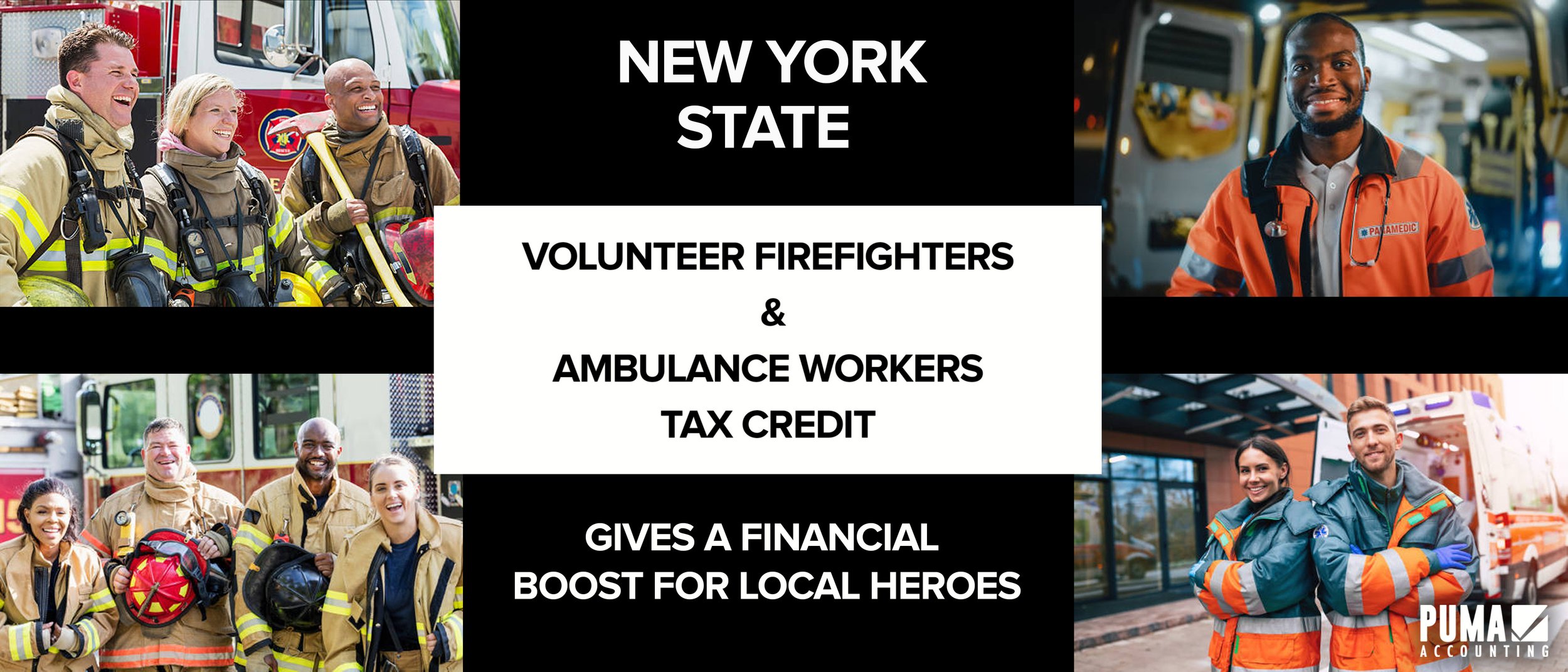
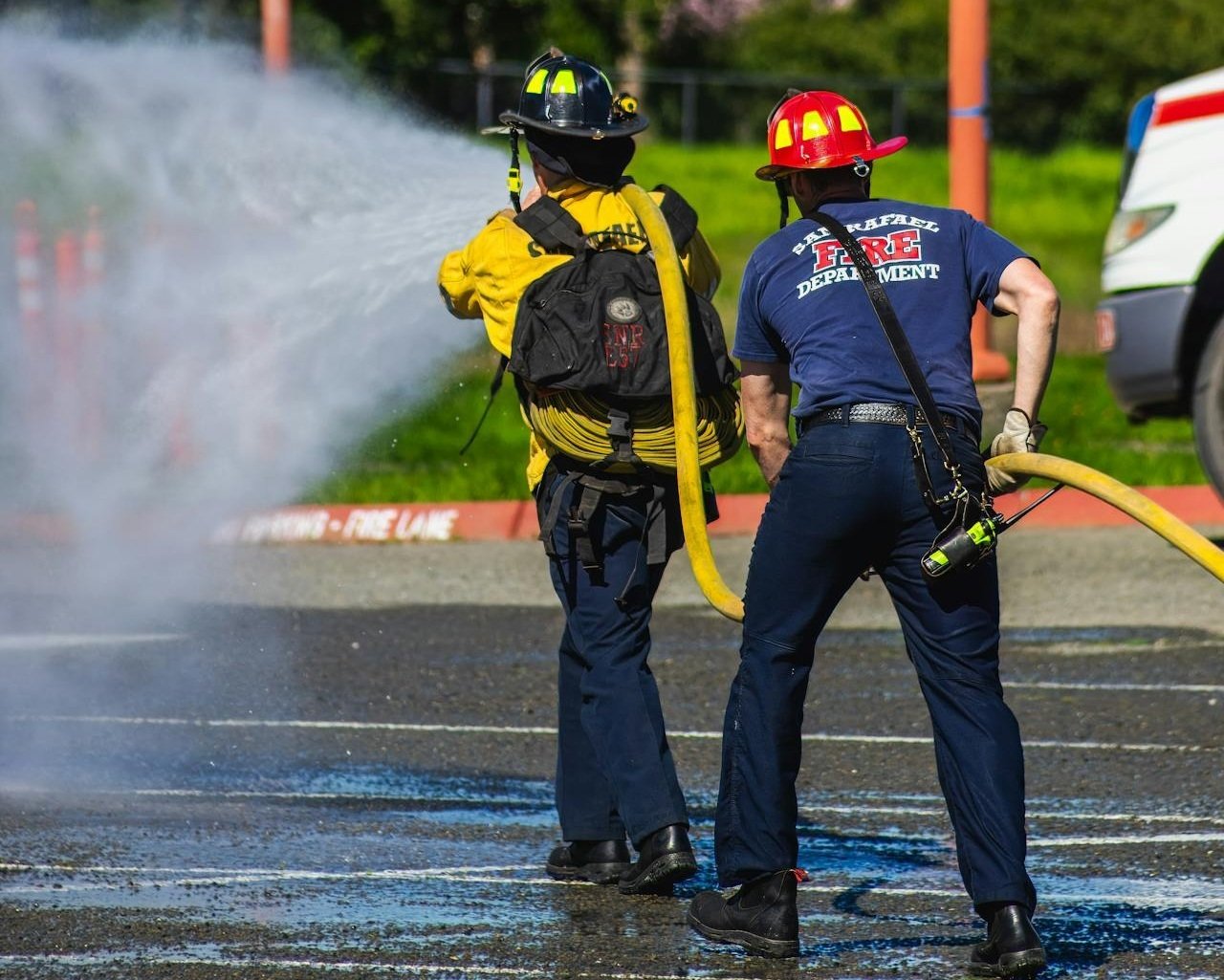
Most states recognize the high risk associated with emergency services. Volunteer firefighters, auxiliary police officers, and volunteer ambulance drivers are frequently granted statutory employee status. This means that even though they are not paid a market wage, they are legally entitled to the same medical and disability benefits as professional first responders. In these cases, the "average weekly wage" used to calculate benefits is often set at a predetermined state minimum or based on the individual's earnings in their primary "day job."
Permissive or Elective Coverage
In states like California and Florida, private non-profit organizations have the option to "elect" coverage for their volunteers. By filing a formal resolution with their insurance carrier and the state workers' compensation board, the organization can treat volunteers as employees solely for the purpose of workers' compensation.
This election is a strategic risk management move. When a volunteer is covered by workers' compensation, they are typically bound by the exclusive remedy doctrine. This prevents the volunteer from suing the organization in civil court for negligence following an injury, as the workers' compensation system becomes their sole source of recovery.
Strict Exclusion States
Some states maintain strict definitions that make it difficult to cover volunteers even if the organization wishes to do so. In these regions, volunteers must rely on their private health insurance or the organization’s "Volunteer Accident Insurance" (VAI) policy, which is separate from workers' compensation and generally offers lower benefit limits.
The Risk of Misclassification and Stipends
One of the most common pitfalls for organizations in 2026 is the use of stipends or "living allowances." Organizations often believe that providing a small monthly sum to a volunteer does not change their status. However, the Internal Revenue Service (IRS) and state labor boards often view any payment that is not a direct reimbursement for expenses as a wage.
If a "volunteer" receives a stipend that looks like a salary, and they are injured on the task, the organization may face:
- Uninsured Claims: The insurance carrier may deny a workers' compensation claim if the individual was listed as a volunteer but functioned as a paid employee.
- State Penalties: Fines for failing to carry insurance for someone who is legally an employee.
- Lawsuits: Without the protection of the exclusive remedy doctrine, the "volunteer" may sue the organization for unlimited damages in civil court.
To avoid this, organizations must ensure that any payments made to volunteers are strictly for reimbursement of actual expenses (e.g., mileage, supplies) and are backed by receipts. Nominal stipends should be vetted against current state and federal thresholds to ensure they do not inadvertently trigger "employee" status.
Comparison of Coverage Types for Volunteers
Organizations often choose between standard Workers' Compensation and Volunteer Accident Insurance (VAI). The following table outlines the key differences in eligibility and protection as of 2026.
| Feature | Workers' Compensation (Elected) | Volunteer Accident Insurance (VAI) |
|---|---|---|
| Eligibility | Requires formal election by the board/org. | Usually covers all registered volunteers. |
| Medical Benefits | Generally unlimited for related injuries. | Capped at a specific limit (e.g., $25,000–$50,000). |
| Lost Wages | Based on state formulas or primary job income. | Usually no coverage for lost wages. |
| Legal Protection | Provides "Exclusive Remedy" (limits lawsuits). | Does not prevent the volunteer from suing. |
| Cost | Higher premiums based on payroll/headcount. | Low-cost, often fixed-rate per volunteer. |
| Disability Benefits | Permanent and temporary disability coverage. | Often includes a small Accidental Death & Dismemberment (AD&D) benefit only. |
The "Right to Control" Test
When a dispute arises regarding eligibility, insurance adjusters and administrative law judges apply the "Right to Control" test. If the organization dictates not only the result of the work but also the specific methods, hours, and tools used, the relationship looks more like employment than volunteerism.
For example, a volunteer who shows up once a month for a park cleanup and brings their own gloves is clearly a volunteer. However, an individual who works 40 hours a week, uses organization-owned heavy machinery, follows a strict daily schedule set by a supervisor, and receives a "housing allowance" may be legally eligible for workers' compensation benefits regardless of what their contract says.
In 2026, many organizations have shifted toward using more independent, project-based volunteer roles to avoid the "control" markers that lead to employee reclassification. This is particularly relevant for remote or digital volunteers who provide specialized skills like web development or accounting for non-profits.
Steps for Organizations to Secure Volunteer Coverage
If an organization decides that providing workers' compensation to volunteers is necessary for safety and liability protection, they should follow a standardized process to ensure eligibility is recognized by the state.
- Review State Statutes: Consult the National Council on Compensation Insurance (NCCI) or your state's Workers' Compensation Board to see if volunteers can be legally added to a policy.
- Pass a Formal Resolution: Most insurance carriers require a written board resolution stating that the organization "elects to treat volunteers as employees for the purpose of workers' compensation."
- Update the Insurance Policy: Notify the carrier of the number of volunteers and the types of tasks they perform. The premium will be adjusted based on "assigned payroll" (often a flat value per volunteer assigned by the state).
- Maintain Accurate Records: Keep a log of volunteer hours and descriptions of duties. This documentation is vital if a claim is filed, as it proves the volunteer was acting within the scope of their assigned tasks at the time of injury.
- Differentiate Stipends: Ensure that if any money is given to volunteers, it is clearly categorized. Use the U.S. Department of Labor guidelines on "nominal fees" to ensure the volunteer status remains intact for other legal purposes.
Frequently Asked Questions
Can a volunteer sue an organization if they are not covered by workers' comp?
Yes. If a volunteer is not covered by workers' compensation, they are not bound by the "exclusive remedy" rule. This means if they are injured due to the organization's negligence (e.g., faulty equipment or unsafe premises), they can file a personal injury lawsuit. These lawsuits can result in significantly higher payouts for pain and suffering, which are not available under workers' compensation.
Are student interns considered volunteers for insurance purposes?
Interns are a unique category. If a student is receiving school credit and the internship primarily benefits the student rather than the employer, they are often treated as volunteers and excluded from workers' comp. However, many states have recently updated laws to require coverage for all interns, paid or unpaid, to ensure workplace safety standards are met.
Does a "Good Samaritan" act qualify for workers' compensation?
No. A Good Samaritan act—such as a bystander helping someone during an accident—is a spontaneous gesture and does not create an employment or volunteer relationship with an organization. Workers' compensation eligibility requires a pre-existing agreement to provide services to a specific entity.
Are board members eligible for workers' compensation?
In many jurisdictions, non-profit board members are considered "corporate officers." Depending on the state, they may be automatically included in the workers' comp policy, or they may be allowed to "opt-out" of coverage. If a board member performs manual labor (e.g., helping with a construction project), it is safer to ensure they are explicitly covered under the organization's policy.
What happens if a volunteer is injured while working from home?
If an organization has elected to cover volunteers under workers' compensation, injuries sustained while performing authorized tasks at home (e.g., data entry or phone banking) are generally covered. However, the volunteer must prove the injury occurred "in the course and scope" of their volunteer duties, which can be more difficult to verify in a home environment.
Final Recommendation for Organizations and Volunteers
For organizations operating in 2026, the safest path is to assume that standard workers' compensation does not cover volunteers unless specific action has been taken. Non-profits should evaluate their risk profile; if volunteers are performing physical tasks or interacting with the public in high-risk settings, electing to add them to a workers' compensation policy is often the most effective way to protect both the individual and the organization’s assets. Volunteers should always ask about the organization's insurance coverage before beginning a high-risk assignment to ensure they have a path for medical recovery in the event of an accident.
Image Gallery