The Cost of Adding Drivers to Business Auto Insurance in 2026
Adding a driver to a business auto insurance policy in 2026 typically results in a premium increase ranging from $600 to $2,400 per year, though costs can fluctuate significantly based on the driver’s risk profile. Primary factors infl...
Adding a driver to a business auto insurance policy in 2026 typically results in a premium increase ranging from $600 to $2,400 per year, though costs can fluctuate significantly based on the driver’s risk profile. Primary factors influencing this cost include the individual’s motor vehicle record (MVR), age, experience level, and the specific duties they will perform using company vehicles.
Contents
Business auto insurance—often referred to as commercial auto insurance—operates differently than personal lines. While personal policies sometimes allow for "permissive use," commercial carriers generally require all regular operators to be specifically listed on the policy. As we move through 2026, insurance underwriters have become increasingly granular in their risk assessment, utilizing real-time data and telematics to determine how a new driver impacts the likelihood of a claim. For business owners, understanding the variables that drive these costs is essential for maintaining both a safe fleet and a manageable budget.
How Underwriters Calculate the Cost of New Drivers
When you request to add a driver to your commercial policy, the insurance company conducts a process known as underwriting. In 2026, this process is heavily automated but still relies on foundational risk metrics. The insurer isn't just looking at the driver as an individual; they are looking at how that driver interacts with your specific business environment.
The Risk-Based Pricing Model
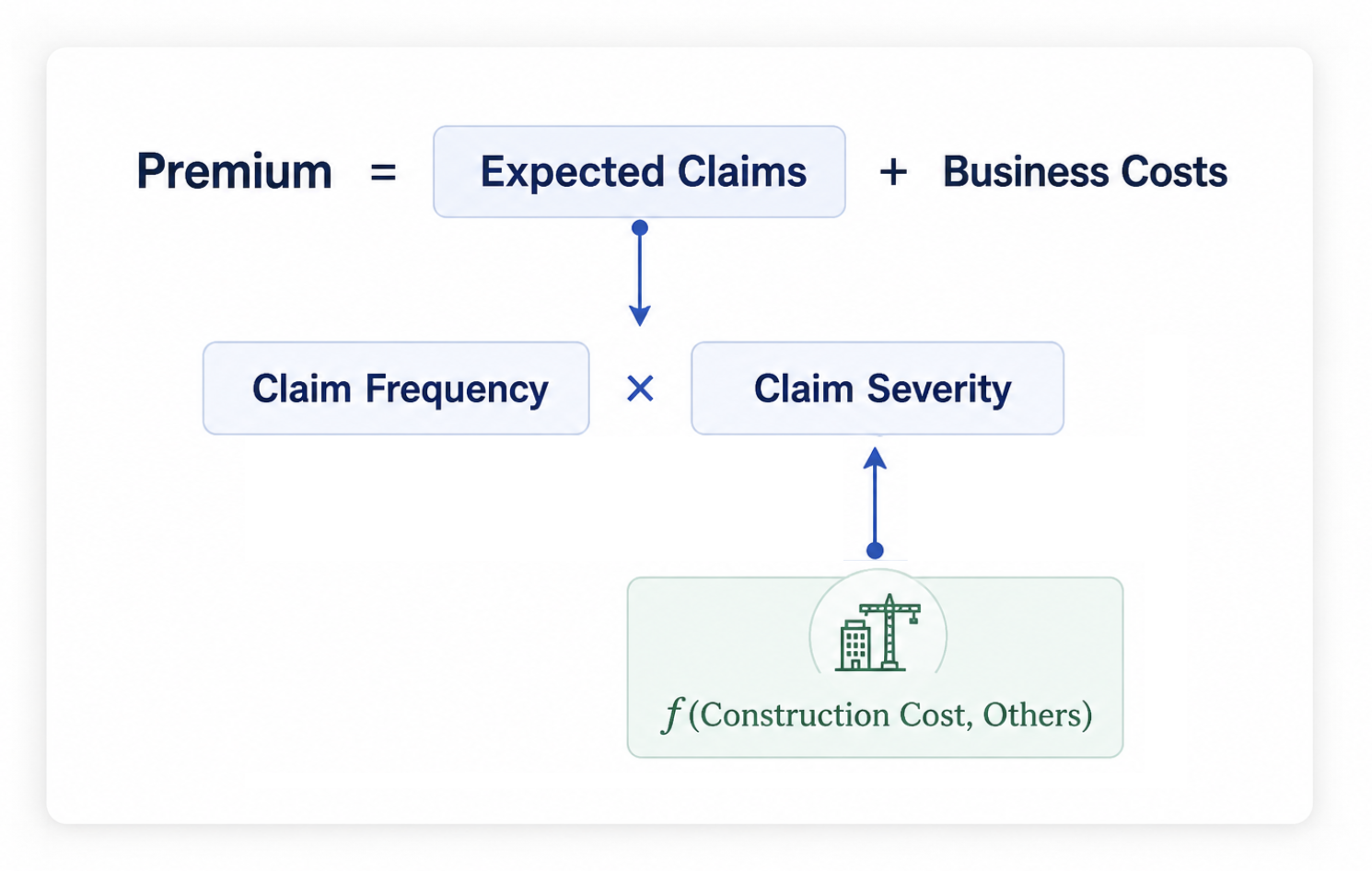
Commercial insurance premiums are based on the "law of large numbers," but they are adjusted for specific exposures. When a driver is added, the insurer assesses the increased "probability of loss." If you add a driver who will be on the road 40 hours a week in a metropolitan area, the exposure is significantly higher than adding a driver who only uses a vehicle occasionally for errands.
The underwriter calculates the base rate for the vehicle and then applies relativity factors based on the driver. If the driver has a "clean" profile, the cost might simply reflect the increased mileage and usage. However, if the driver falls into a high-risk category, surcharges are applied to the base premium to compensate for the higher statistical chance of an accident.
Key Factors Influencing Driver Addition Costs
The final invoice for adding a driver is rarely a flat fee. Instead, it is a calculation of several intersecting data points.
1. Motor Vehicle Record (MVR) and Driving History
The MVR remains the most significant document in commercial insurance. In 2026, insurers have near-instant access to multi-state databases. Points on a license, previous accidents (even those where the driver was not at fault), and moving violations like speeding or reckless driving will lead to higher costs.
- Minor Violations: A single speeding ticket might increase the cost of adding the driver by 10% to 15%.
- Major Violations: Incidents such as DUIs, DWIs, or leaving the scene of an accident can make a driver "uninsurable" on a standard commercial policy, or increase the cost by 50% to 100% if the carrier agrees to cover them at all.
2. Age and Experience
Experience is often equated with safety in the eyes of an insurer. Drivers under the age of 25 are statistically more likely to be involved in collisions. Adding a 19-year-old driver to a business policy in 2026 can cost twice as much as adding a 40-year-old driver with a clean record. Conversely, very elderly drivers may also see higher rates due to concerns regarding reaction times, though this is often handled on a case-by-case basis.
3. Type of Vehicle and Cargo
The cost is also tethered to what the driver will be operating. Adding a driver to a policy for a standard passenger sedan used for sales calls is relatively inexpensive. However, if that same driver is being added to operate a heavy-duty truck (Class 8) or a vehicle transporting hazardous materials, the premium jump will be substantial. The Federal Motor Carrier Safety Administration (FMCSA) sets strict guidelines for commercial drivers, and insurers mirror these requirements in their pricing.
4. Geographic Location
Where the driver will be operating matters. A driver added to a policy in a high-traffic, high-litigation area like New York City or Miami will cost more than a driver in a rural setting. Insurers analyze "territory codes" which account for local accident rates, theft statistics, and even the local cost of vehicle repairs.
Estimated Annual Cost by Driver Profile (2026 Data)
The following table provides estimated annual premium increases for adding a single driver to a standard commercial auto policy in 2026. These figures assume a standard commercial van or pickup truck with $1,000,000 in liability coverage.
| Driver Profile | Estimated Annual Cost (Clean Record) | Estimated Annual Cost (1+ Violation) |
|---|---|---|
| Experienced Adult (Age 30–55) | $600 – $900 | $1,100 – $1,600 |
| Young Adult (Age 21–25) | $1,200 – $1,800 | $2,200 – $3,500 |
| Entry-Level (Age 18–20) | $2,000 – $3,000 | Often Declined / $4,500+ |
| Senior Driver (Age 70+ ) | $800 – $1,200 | $1,500 – $2,100 |
| CDL Professional (Class A) | $1,500 – $2,500 | $3,000 – $5,500 |
Note: These are averages. Actual quotes depend on the specific carrier, state regulations, and the business's total claims history (loss runs).
The Role of Telematics and Modern Technology
By 2026, many commercial insurers have integrated telematics as a requirement for competitive pricing. When you add a driver, the insurer may monitor their performance via GPS, accelerometers, and Electronic Logging Devices (ELDs).
If a newly added driver demonstrates safe habits—such as gradual braking, adherence to speed limits, and limited nighttime driving—some policies offer "pay-how-you-drive" discounts that can offset the initial cost of adding them. Conversely, if the telematics data shows risky behavior, the insurer may increase the premium at the next renewal or even request the driver be removed from the policy.
Steps to Add a Driver to Your Business Policy
The process of adding a driver should be handled with diligence to avoid "errors and omissions" that could lead to a denied claim.
- Collect Information: You will need the driver's full name, date of birth, driver's license number, and the state of issuance.
- Internal Vetting: Before submitting to your agent, check the driver's MVR yourself. Many businesses have "hiring standards" that automatically disqualify drivers with more than two minor violations in three years.
- Contact Your Agent/Broker: Provide the driver's details and ask for a "pro-rata" quote. This is the cost to add the driver for the remainder of the current policy term.
- Review the Endorsement: Once the insurer approves the driver, they will issue an endorsement. Verify that the driver's name is spelled correctly and that they are assigned to the correct vehicles if your policy is "scheduled."
- Update Safety Training: Ensure the driver signs your company’s internal driving safety policy before they get behind the wheel.
Strategies to Minimize the Cost of Adding Drivers
Business owners can take proactive steps to ensure that adding staff doesn't lead to a financial crisis.
Implement a Formal Fleet Safety Program
Insurance companies often offer discounts to businesses that have a written safety manual and regular training sessions. By proving to the insurer that you have a "culture of safety," you may qualify for lower base rates, which reduces the cost of adding individual drivers.
Increase Your Deductibles
If the cost of adding a driver is too high, you can offset the premium increase by raising your collision and comprehensive deductibles. Moving from a $500 deductible to a $1,500 deductible can significantly lower the overall policy cost, though the business must be prepared to pay more out-of-pocket in the event of a small accident.
Use a "Driver Surcharge" Agreement
In some cases, if a driver has a poor record, an insurer might offer to cover them only if a specific surcharge is paid. Some businesses choose to pass a portion of this cost to the employee (where legal) or use it as a basis for a probationary period.
Routine MVR Monitoring
Don't wait for your annual renewal to check your drivers' records. By 2026, many services provide "MVR Monitoring" that alerts you the moment a driver receives a ticket. Identifying a problem driver early allows you to remove them before they cause a major accident that spikes your premiums for years.
The Consequences of Failing to Add a Driver
It is tempting to allow an employee to drive a company vehicle without notifying the insurance company, especially if they are only working part-time. However, this carries immense financial risk.
- Denied Claims: If an unlisted driver is involved in an accident, the insurer may deny the claim based on "material misrepresentation." This means your business would be responsible for all property damage and medical expenses out-of-pocket.
- Policy Cancellation: Insurers view the failure to disclose drivers as a breach of contract. This can lead to the immediate cancellation of your policy, making it very difficult (and expensive) to find coverage in the "surplus lines" market later.
- Vicarious Liability: Under legal principles, the business is responsible for the actions of its employees while they are working. Without insurance coverage, a single lawsuit resulting from an unlisted driver's accident could lead to corporate bankruptcy.
Frequently Asked Questions
Does it cost more to add a driver to a "Symbol 1" policy?
A "Symbol 1" policy provides "Any Auto" coverage, which is the broadest form of commercial auto insurance. While you may not need to report every driver immediately for coverage to apply, the insurer will audit your payroll and driver list at the end of the year. You will still pay for the risk of those drivers, often in a lump-sum adjustment after the audit.
Can I add a spouse or family member to my business auto insurance?
Yes, but they must be added as a "named insured" or via a "Drive Other Car" (DOC) endorsement if they are using the vehicle for non-business purposes. The cost is similar to adding an employee and depends on their personal driving record.
Why did the cost to add a driver increase at renewal?
Insurance premiums are not static. In 2026, rising repair costs due to advanced vehicle technology (sensors, LIDAR, and electric vehicle batteries) and "social inflation" (higher jury awards in lawsuits) have caused industry-wide rate increases. Even if a driver's record is clean, the cost to insure them may rise to keep pace with these external factors.
Is there a limit to how many drivers I can add?
Most commercial policies do not have a hard limit on the number of drivers, but as your fleet grows, the insurer may transition you from a "per-vehicle" policy to a "fleet" policy. Fleet policies are rated differently, often based on total revenue or mileage rather than individual driver-vehicle assignments.
Practical Recommendation
Before hiring a new employee whose duties will include driving, always request a copy of their driver's license and a recent MVR. Forward these to your insurance agent for a "pre-hire" quote. This allows you to factor the insurance cost into the total compensation package and prevents "sticker shock" after the hire is finalized. In 2026, the most successful businesses are those that treat insurance as a predictable operational expense rather than an after-the-fact surprise.
Image Gallery