Best Auto Insurance Companies Covering Montana in 2026
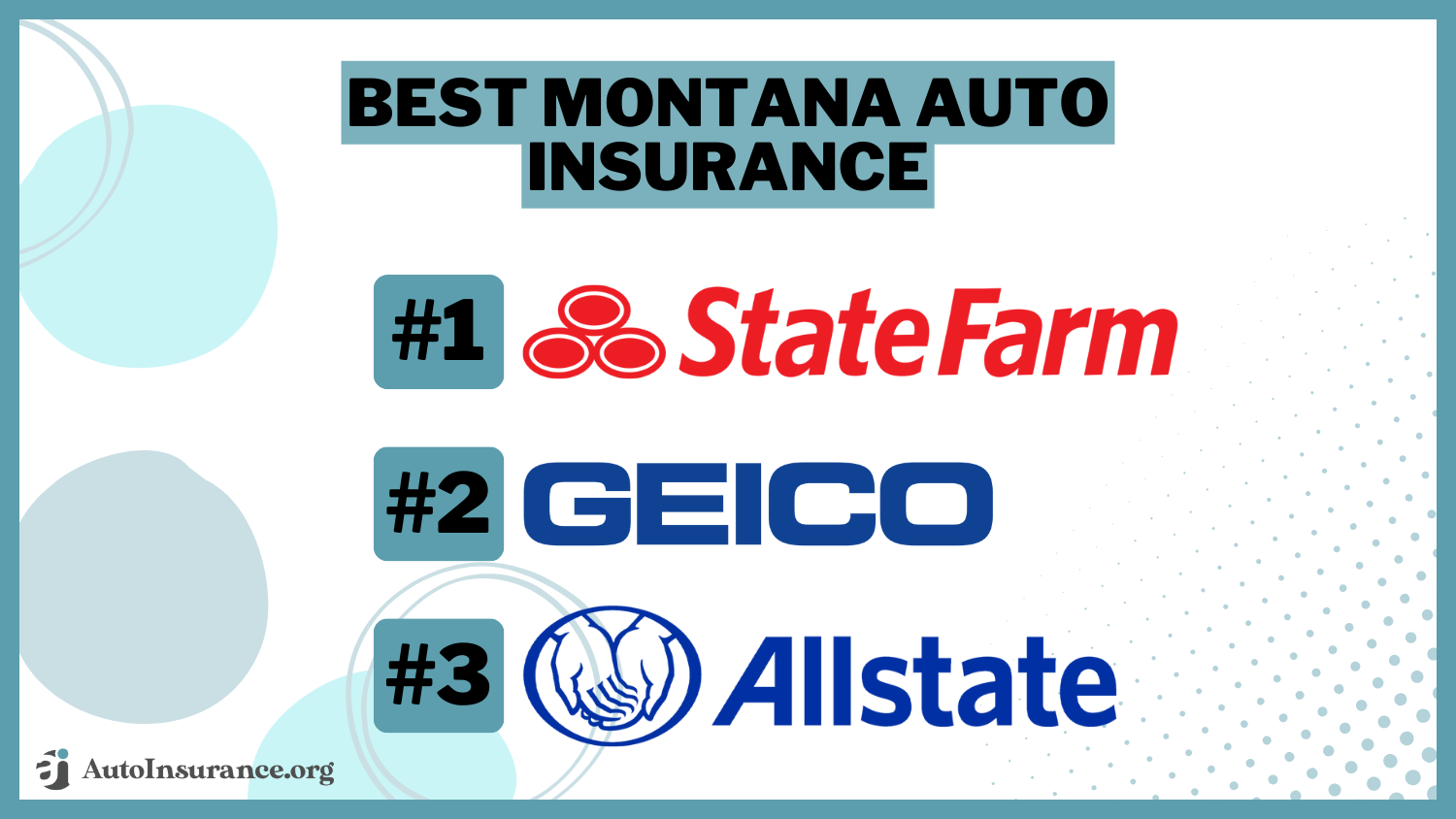
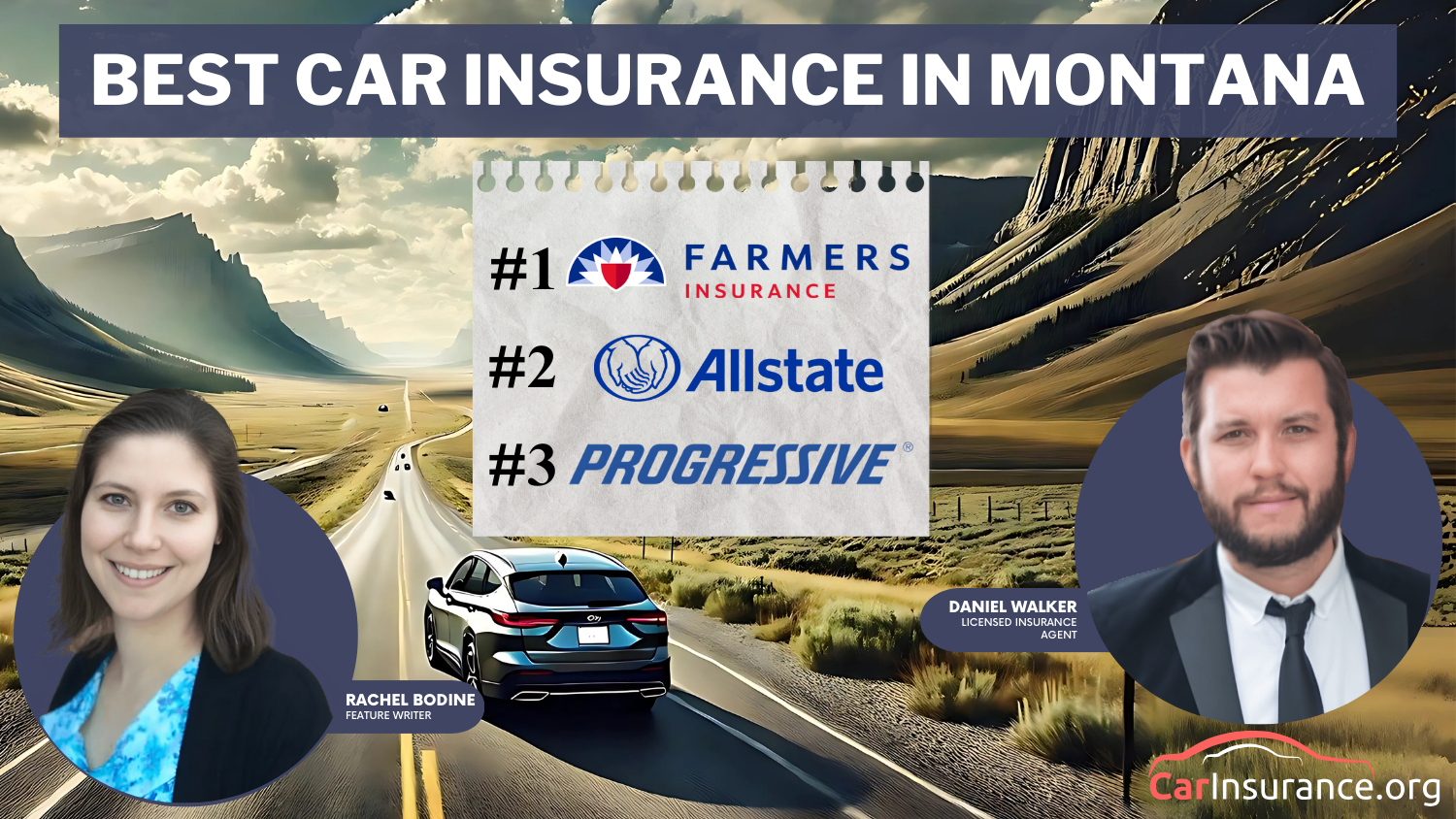
To secure the best auto insurance in Montana in 2026, drivers should evaluate national carriers like State Farm, Progressive, and GEICO alongside regional specialists like Mountain West Farm Bureau. Montana requires a minimum liability...
To secure the best auto insurance in Montana in 2026, drivers should evaluate national carriers like State Farm, Progressive, and GEICO alongside regional specialists like Mountain West Farm Bureau. Montana requires a minimum liability coverage of 25/50/20, but the state’s high rate of animal strikes and severe weather often necessitates comprehensive coverage and higher limits.
Contents
The insurance landscape in the "Big Sky State" is shaped by vast distances, extreme seasonal shifts, and a legal environment that follows a traditional "at-fault" or tort system. For residents in 2026, finding a provider is not just about meeting the legal minimums; it is about protecting assets against the unique environmental hazards of the Northern Rockies and the Great Plains.
Montana Mandatory Insurance Requirements
Before selecting a company, it is essential to understand the baseline legal requirements established by the Montana Motor Vehicle Division (MVD) and overseen by the Montana Commissioner of Securities and Insurance. Montana operates under a tort system, meaning the driver found at fault in an accident is responsible for the damages.
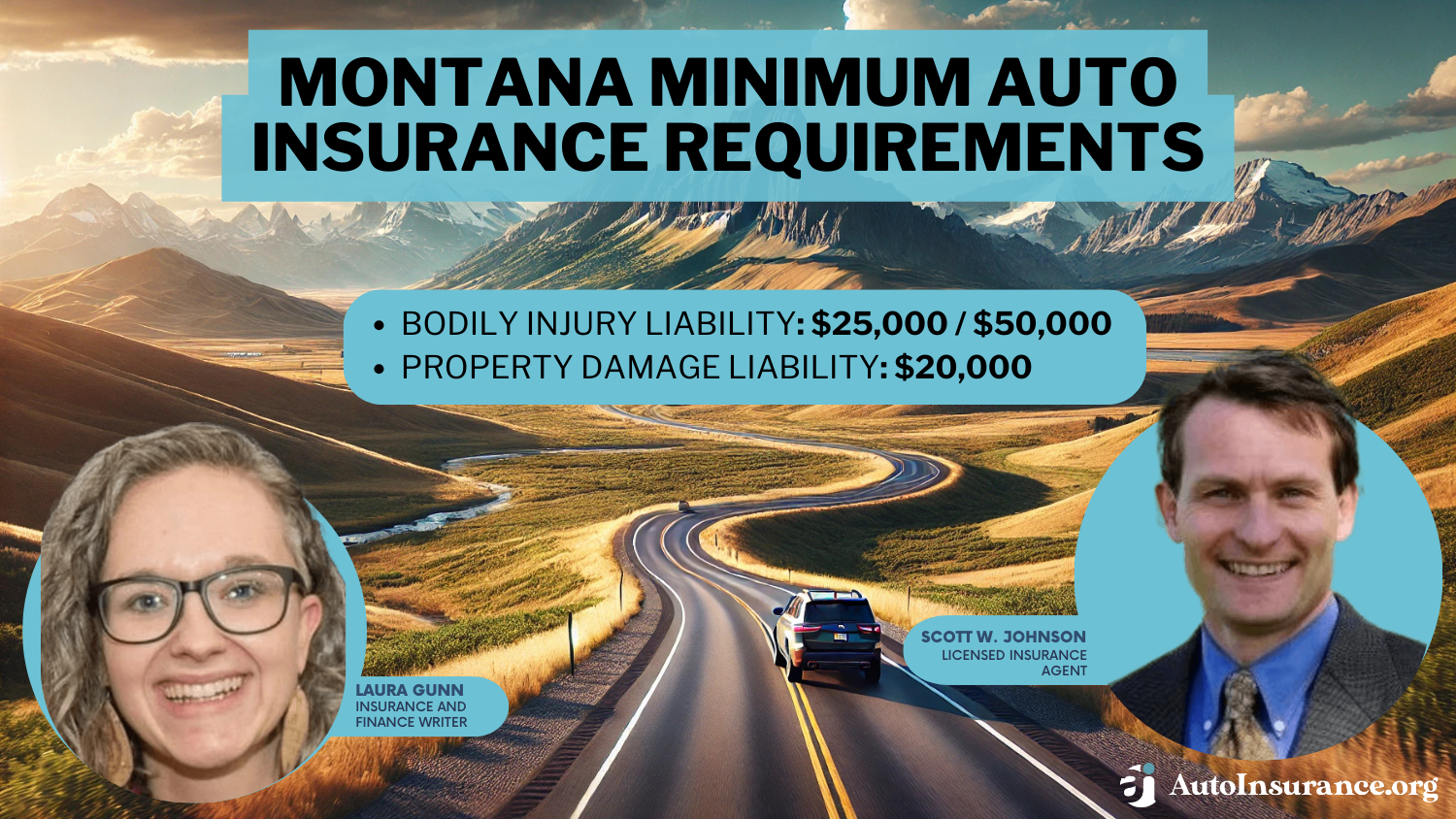
The mandatory minimum liability limits in Montana are often expressed as 25/50/20:
- $25,000 for Bodily Injury (Per Person): The maximum amount the policy will pay for injuries to one person in an accident you cause.
- $50,000 for Bodily Injury (Per Accident): The total limit the policy will pay for all injuries sustained by multiple people in a single accident.
- $20,000 for Property Damage: The amount available to repair or replace the other party's vehicle or property.
While these are the legal minimums, most insurance professionals in 2026 advise against carrying only these amounts. Medical costs and modern vehicle repair expenses frequently exceed these limits, leaving the driver personally liable for the difference. Furthermore, Montana has historically seen higher-than-average rates of uninsured motorists, making Uninsured/Underinsured Motorist (UM/UIM) coverage a critical addition to any policy, even though it is not strictly required by law.
Leading Auto Insurance Providers in Montana
As of 2026, several major carriers dominate the Montana market, each offering distinct advantages depending on the driver's location—whether in urban centers like Billings and Missoula or remote areas like Valley County.
State Farm
State Farm remains the market share leader in Montana. Its primary strength lies in its extensive network of local captive agents. In a state where personal relationships and local knowledge of road conditions matter, having an agent in town who understands the specific risks of the Bitterroot Valley or the Hi-Line provides significant value. State Farm’s "Steer Clear" and "Drive Safe & Save" programs are popular in 2026 for rewarding safe driving habits tracked via mobile apps.
Progressive
Progressive is often the most competitive choice for Montana drivers who may not have a "perfect" driving record. Their "Name Your Price" tool and robust online platform appeal to the growing demographic of remote workers moving to Montana's mountain towns. Progressive is also noted for its competitive rates on "toys"—motorcycles, RVs, and boats—which are central to the Montana lifestyle.
GEICO
GEICO frequently offers the lowest premiums for drivers with clean records and high credit scores. While they lack the physical agent presence of State Farm, their mobile app and claims processing efficiency are highly rated. For state employees in Helena or educators at Montana State University and the University of Montana, GEICO often provides specific affinity discounts that significantly lower annual costs.
USAA
For military members, veterans, and their families, USAA consistently ranks at the top for customer satisfaction and claims handling. With Malmstrom Air Force Base in Great Falls, USAA has a deep-rooted presence in the state. Their policies are specifically tailored to the needs of service members, including coverage for vehicles stored during deployment.
Mountain West Farm Bureau
For those in the agricultural sector or living in rural areas, Mountain West Farm Bureau offers a localized approach that national carriers sometimes struggle to match. They understand the specific risks associated with rural driving, such as heavy equipment transport and livestock-related accidents. Their bundling options for farm and ranch owners are often the most comprehensive in the region.
Comparing Key Carriers in Montana (2026 Data)
| Company | Best For | Typical Discount Opportunities | Claims Satisfaction Rating |
|---|---|---|---|
| State Farm | Local Agent Service | Good Student, Safe Driver (Telematics) | High |
| Progressive | High-Risk Drivers | Bundling (Auto/Home/RV), Continuous Coverage | Average |
| GEICO | Budget-Conscious | Military, Federal Employees, Good Credit | High |
| USAA | Military Families | Deployment Storage, Family Loyalty | Exceptional |
| Mountain West | Rural/Ag Communities | Farm/Ranch Bundles, Multi-Vehicle | High |
Unique Risks and Coverage Considerations for Montana
Montana's geography creates insurance needs that differ significantly from those in the Midwest or the Coasts. When evaluating auto insurance companies, residents should look for specific policy features that address these regional realities.
Animal Collision Coverage
Montana consistently ranks among the top states for deer and elk collisions. According to data from the Insurance Information Institute (III), the likelihood of hitting an animal in Montana is significantly higher than the national average. This type of accident falls under Comprehensive Coverage, not Collision. Because a single elk strike can easily total a vehicle, a low comprehensive deductible is often a wise investment for Montana drivers.
Full Glass Coverage
The state’s reliance on sanding and graveling roads during the long winter months leads to a high frequency of cracked windshields. Many Montana insurance providers offer a "Full Glass" endorsement. This allows for windshield repair or replacement with a $0 deductible. Given that modern windshields with integrated safety sensors (ADAS) can cost over $1,000 to replace in 2026, this endorsement often pays for itself within a single year.
Uninsured/Underinsured Motorist (UM/UIM)
Despite strict laws, a portion of the driving population in Montana remains uninsured. If you are involved in a hit-and-run or an accident with an underinsured driver, UM/UIM coverage ensures your medical bills and vehicle repairs are covered by your own provider. In 2026, this is considered an essential component of a "full coverage" policy in the state.
Winter Weather and Roadside Assistance
Montana winters are unforgiving. Effective roadside assistance that covers towing from remote locations, battery jumps in sub-zero temperatures, and winching service for vehicles that have slid off icy roads is vital. When comparing companies, check the distance limits on their towing coverage; a 15-mile limit may be insufficient when the nearest mechanic is 60 miles away in Garfield County.
Factors Influencing Auto Insurance Rates in Montana
In 2026, insurance companies use sophisticated AI algorithms to determine premiums, but several Montana-specific factors remain constant in their calculations.
- Credit-Based Insurance Scores: Montana law allows insurers to use credit history as a factor in setting rates. Drivers with "excellent" credit can see premiums that are 30% to 50% lower than those with "poor" credit, even with identical driving records.
- Population Density: Drivers in Billings or Missoula often pay higher premiums than those in rural towns due to the higher frequency of accidents and theft in urban areas.
- Vehicle Type: Montana has a high concentration of heavy-duty trucks and SUVs. While these offer better safety in snow, their higher replacement cost and the damage they can inflict on other vehicles influence the liability and collision portions of the premium.
- Annual Mileage: Due to the vast size of the state, many Montanans rack up high annual mileage. Insurers view this as increased exposure to risk, though some companies now offer pay-per-mile options for those who work from home or live in "walkable" communities like downtown Bozeman.
How to Obtain and Evaluate Quotes
To ensure you are getting the most competitive rate from companies covering Montana, follow these steps:
- Gather Your Information: Have your Vehicle Identification Number (VIN), driver's license number, and a copy of your current declarations page ready.
- Check for Group Discounts: Many Montanans qualify for discounts through professional organizations, credit unions, or alumni associations (e.g., Grizzly or Bobcat alumni).
- Review Limits Annually: As vehicle values depreciate and healthcare costs rise, the limits you chose three years ago may no longer be appropriate in 2026.
- Verify Financial Stability: Use ratings from A.M. Best to ensure the company has the financial strength to pay out large claims, especially after major weather events like hailstorms or floods.
Frequently Asked Questions
Is Montana a no-fault state?
No, Montana is an "at-fault" (tort) state. This means the person responsible for causing a car accident is also responsible for the resulting damages. Victims have the right to sue the at-fault driver for medical expenses, lost wages, and pain and suffering.
Do I need insurance for a vehicle that is only driven in the summer?
Yes, any vehicle operated on Montana public roads must be insured. However, many Montana companies offer "seasonal" or "storage" coverage. If you have a classic car or a vehicle used only in summer, you can drop liability and collision during the winter while keeping comprehensive coverage to protect against theft, fire, or falling garage debris.
What happens if I am caught driving without insurance in Montana?
Penalties for driving without insurance in Montana are strict. A first offense can result in a fine between $250 and $500 or even jail time. Subsequent offenses lead to higher fines, driver's license suspension, and the requirement to file an SR-22 certificate, which significantly increases insurance premiums for several years.
Does my Montana auto insurance cover me while driving in Canada?
Most major Montana auto insurance policies provide coverage for driving in Canada, as long as you are there for a temporary visit. However, you should notify your agent before crossing the border to ensure you have a "Canada Non-Resident Inter-Provincial Motor Vehicle Liability Card," which serves as proof of insurance for Canadian authorities.
Why are windshield claims so common in Montana?
Montana uses gravel and sand for traction on icy roads rather than just salt. This debris is frequently kicked up by other vehicles, leading to chips and cracks. Because of this, "Full Glass" coverage is a highly recommended add-on for almost all Montana drivers.
Practical Recommendation
For the average Montana driver in 2026, the most balanced approach is to seek a policy that provides $100,000/$300,000/$100,000 in liability limits, supplemented by Uninsured Motorist coverage and Comprehensive coverage with a low deductible for glass and animal strikes.
If you value local service and face-to-face interaction, start by requesting a quote from a State Farm or Mountain West Farm Bureau agent. If you are focused strictly on the lowest possible monthly premium and are comfortable managing your policy via an app, GEICO or Progressive will likely provide the most competitive rates. Always re-evaluate your policy every 12 months to ensure your coverage keeps pace with Montana's evolving economic and environmental conditions.
Image Gallery