University of Phoenix Campus Availability in 2026: Physical and Virtual Options
As of 2026, University of Phoenix campus availability is primarily focused on its robust online platform, with physical campus operations consolidated to its flagship location in Phoenix, Arizona. While the university historically main...
As of 2026, University of Phoenix campus availability is primarily focused on its robust online platform, with physical campus operations consolidated to its flagship location in Phoenix, Arizona. While the university historically maintained hundreds of physical locations, it has transitioned to a "digital-first" model where the vast majority of students attend 100% online, supported by localized administrative hubs and the main Arizona headquarters.
Contents
For nearly half a century, the University of Phoenix has been a pioneer in adult education, specifically designed for working professionals who require flexibility. Over the last two decades, the institution’s physical footprint has undergone a dramatic transformation. In the early 2000s, the university boasted a presence in almost every major American city. However, following broader trends in higher education and a shift in student preference toward virtual classrooms, the university began a strategic "teach-out" process for most of its physical campuses.
The Current State of Physical Campus Availability
In 2026, the physical presence of the University of Phoenix is characterized by consolidation. Prospective and current students should understand that the traditional "campus experience"—with sprawling quads and residential dormitories—was never the University of Phoenix model. Instead, their physical locations were "commuter hubs" or "learning centers" located in business districts.
The Flagship Arizona Campus
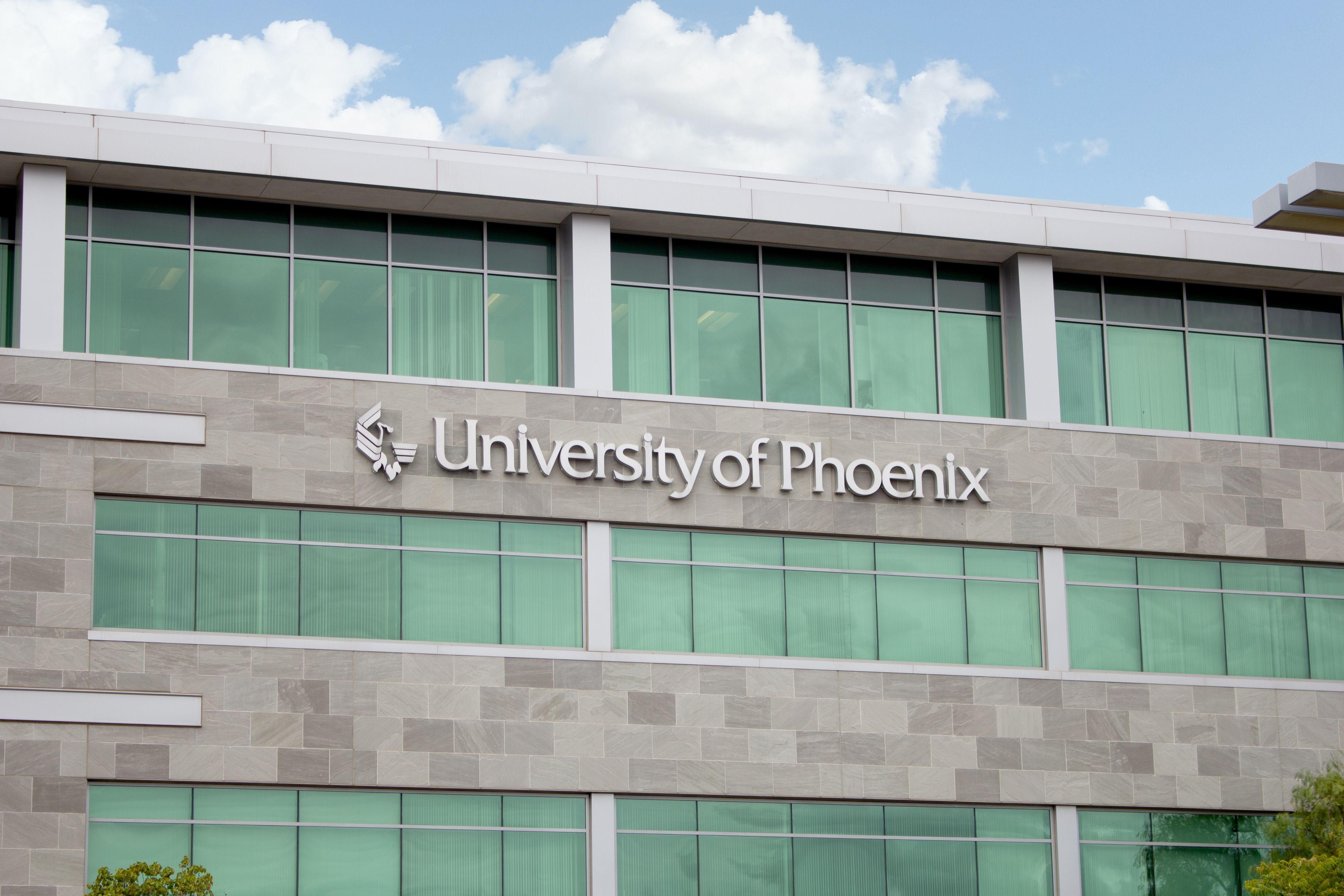
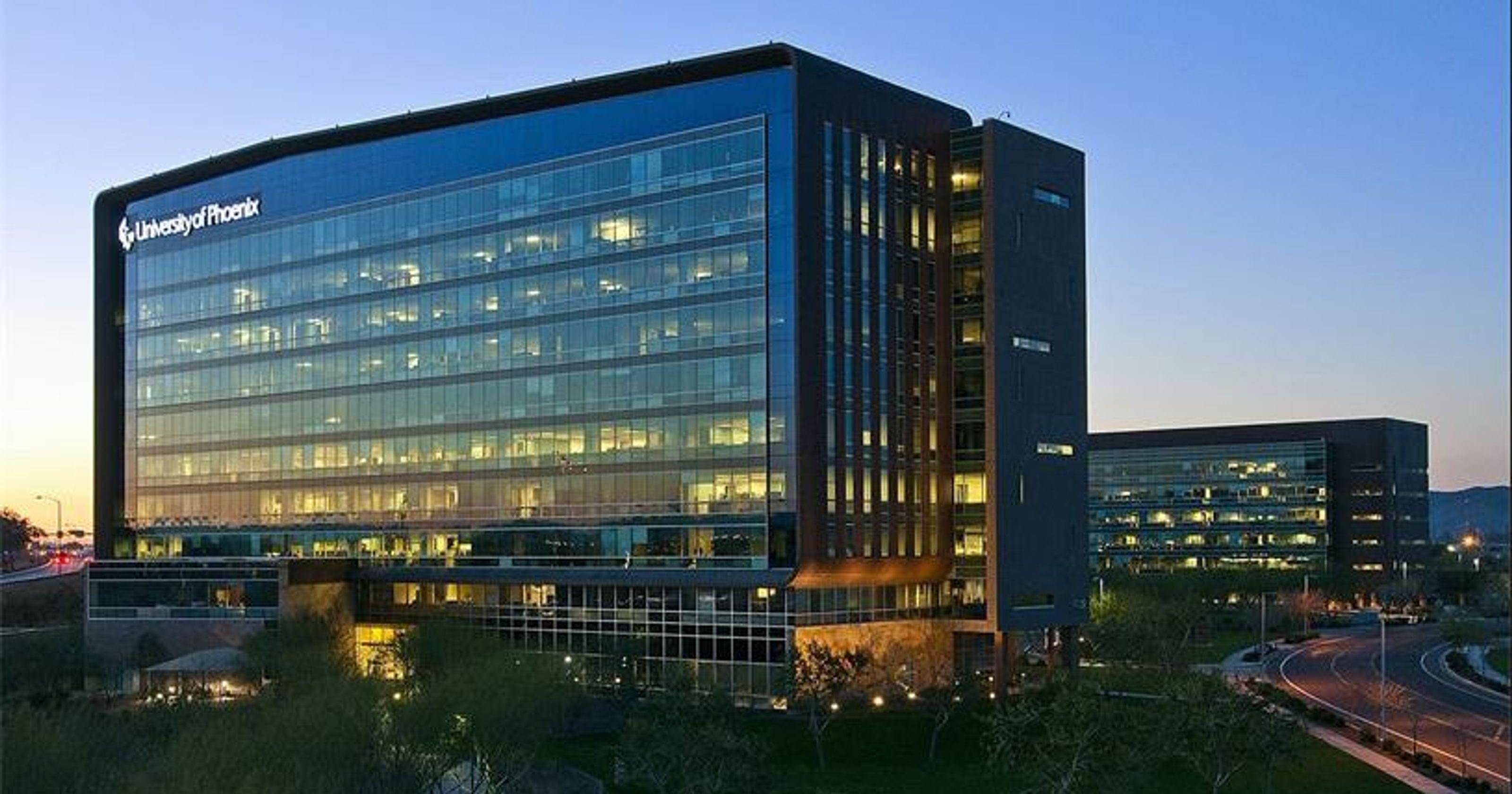
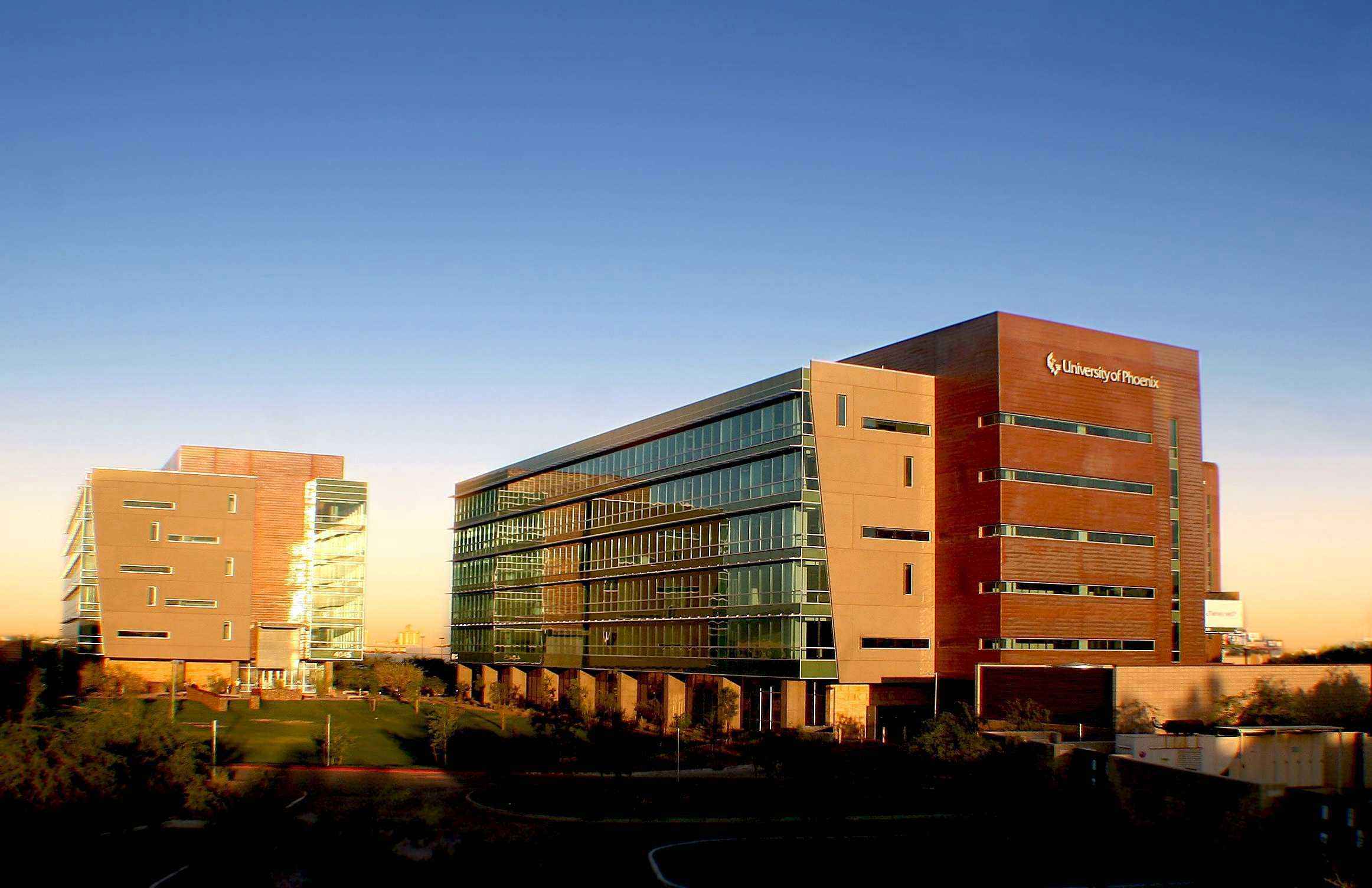
The primary physical hub remains the Phoenix, Arizona campus. Located at the Riverpoint Parkway headquarters, this site serves as the central administrative and academic nerve center for the university. While many programs are delivered online even for local students, this location provides essential services, including:
- In-person academic advising: Scheduled appointments for degree planning and career coaching.
- Administrative offices: Housing the Registrar, Financial Aid leadership, and executive offices.
- Specialized labs: Certain nursing and healthcare programs may utilize physical simulation labs at this or partnered locations to meet clinical requirements.
Regional Centers and Administrative Hubs
Beyond the Phoenix headquarters, the university maintains a limited number of regional "learning centers" or administrative offices. It is important to distinguish between a full-service campus and an administrative hub. In 2026, most remaining regional sites serve as:
- Student Support Centers: Locations where students can drop off documents or meet briefly with staff, though these are increasingly rare as digital document submission becomes the standard.
- Military Representative Offices: Located near major military installations to assist service members with TA (Tuition Assistance) and VA benefits.
- Local Partnerships: In some jurisdictions, the university may share facilities with community colleges or local organizations to provide occasional in-person testing or orientation sessions.
The Evolution of the "Campus" Concept: The Virtual Campus
Since physical campus availability is limited in 2026, the university has invested heavily in its Virtual Campus (vCampus). For the modern student, "campus availability" refers to the 24/7 access to the online learning management system (LMS).
Blackboard and the Digital Learning Environment
The University of Phoenix utilizes a sophisticated version of the Blackboard Ultra platform. This virtual campus is where 95% of student activity occurs. Features include:
- Interactive Classrooms: Discussion boards that facilitate peer-to-peer learning and instructor feedback.
- Digital Libraries: Access to millions of peer-reviewed journals, e-books, and proprietary research databases that exceed the capacity of most physical libraries.
- Integrated Productivity Tools: Standardized access to Microsoft 365, allowing students to collaborate on projects in real-time regardless of their physical location.
Synchronous vs. Asynchronous Availability
While the campus is "always open," the university offers different modalities of availability within the online framework.
- Asynchronous Learning: The standard model where students log in at their convenience to complete assignments and post to forums.
- Synchronous Sessions: Some specialized programs or advanced seminars may offer "live" virtual sessions via Zoom or Microsoft Teams, providing a real-time classroom feel without the need for travel.
Comparing Physical vs. Online Resource Availability
Choosing between a physical location (where available) and the online environment depends on a student’s specific needs. Below is a comparison of the resources available through each modality in 2026.
| Resource/Feature | Phoenix Flagship Campus | Online Virtual Campus |
|---|---|---|
| Academic Advising | In-person or Video Call | Video Call, Chat, and Phone |
| Library Services | Limited physical archives; Digital access | Full 24/7 Digital Library access |
| Financial Aid Support | Walk-in or Appointment | Scheduled Phone/Video sessions |
| Computer Labs | Available on-site (limited hours) | Student-provided hardware required |
| Career Services | Local networking events | National webinars and virtual job fairs |
| Social Interaction | Local student groups | Global peer discussion forums |
| Tutoring | Limited on-site availability | 24/7 Online tutoring (e.g., Tutor.com) |
Why Physical Campuses Closed: A Strategic Shift
The reduction in physical campus availability was not an accidental decline but a strategic response to the needs of the University of Phoenix’s primary demographic: the working adult.
The Cost-Benefit of Real Estate
Maintaining physical buildings in high-rent urban areas significantly increased institutional overhead. By consolidating these locations, the university redirected funds into its digital infrastructure and career-services platforms. In 2026, the focus is on "Career-Ready Education," which prioritizes curriculum relevance over physical brick-and-mortar attendance.
Changing Student Demographics
Data from 2024 and 2025 indicated that even students living within ten miles of a physical learning center preferred to attend classes online to avoid commuting and childcare hurdles. The University of Phoenix responded by making almost all programs available remotely, ensuring that a student in rural Maine has the same "campus availability" as a student in downtown Phoenix.
Special Considerations for International and Military Students
International Student Requirements
For international students seeking an F-1 visa to study in the United States, physical campus availability is a critical legal requirement. In 2026, the University of Phoenix’s ability to sponsor these visas is limited to specific programs that maintain a required percentage of in-person instruction at the Phoenix, Arizona campus. Prospective international students must verify with the International Admissions Department before enrolling, as online-only programs do not qualify for student visas.
Military and Veteran Access
The university remains a major provider of education to the U.S. military. While many physical "on-base" offices have shifted to virtual models, the university still maintains representatives who specialize in the Post-9/11 GI Bill® and other military-specific funding. These representatives often travel to various installations, even if a permanent physical campus is not present in that state.
How to Verify Current Availability in Your Area
Because institutional policies and local partnerships can change, students should follow these steps to verify the level of physical support available to them in 2026:
- Use the "Locations" Tool: Visit the official University of Phoenix website and use the ZIP code search tool. This will show the nearest administrative office or the Phoenix headquarters.
- Contact an Enrollment Representative: Specifically ask if there are any mandatory in-person requirements for your chosen degree program. Most degrees in Business, IT, and Education are 100% online.
- Inquire About Clinical/Practicum Sites: For students in Nursing, Counseling, or Education, "availability" refers to local sites where you can complete your hands-on hours. The university maintains a vast network of partner hospitals and schools nationwide, even in states without a physical university building.
Frequently Asked Questions
Does the University of Phoenix still have physical classrooms in 2026?
Yes, but they are primarily located at the main Phoenix, Arizona campus. Most other states have transitioned entirely to online delivery. Some specialized healthcare or education programs may require physical attendance at partnered clinical or student-teaching sites, but these are not university-owned buildings.
Can I graduate at a physical campus?
Commencement ceremonies are typically held at large-scale arenas in major cities (such as Phoenix, Las Vegas, or Atlanta) rather than on a small campus footprint. These ceremonies are high-production events that allow online and local students to celebrate their achievements in person.
Are there any states where University of Phoenix is not available?
The University of Phoenix is licensed to operate and provide online education in most U.S. states and territories. However, specific professional licensure programs (like Nursing or Teaching) may have state-specific restrictions. Always check the "State Authorization" page on the university website to ensure your program meets local licensing requirements.
How do I access the "Campus" if I am an online student?
Online students access their "campus" through the University of Phoenix student portal. Once logged in, you have access to your classroom, the library, financial records, and academic support tools. This portal is optimized for both desktop and mobile devices, ensuring your "campus" is available wherever you have an internet connection.
Is the quality of education different between the physical campus and online?
The curriculum, learning outcomes, and accreditation remain the same regardless of whether you attend in Phoenix or online. The University of Phoenix is regionally accredited by the Higher Learning Commission (HLC), and this accreditation applies to all modalities of delivery.
Final Recommendation for Prospective Students
When considering "university of phoenix campus availability" in 2026, prospective students should embrace the digital-first nature of the institution. If you require a traditional, in-person social college experience, a local state university may be a better fit. However, if you are looking for a highly accessible, career-focused education that fits into a busy schedule, the virtual campus offers more resources and flexibility than any physical location could provide. To get started, verify your program's specific requirements and schedule a virtual tour of the digital learning platform.
Image Gallery