Understanding the Financial Standing and Career Legacy of Eddie Levert
As of 2026, Eddie Levert, the iconic lead vocalist of the legendary R&B group The O’Jays, holds an estimated net worth of approximately $10 million. This figure reflects a decades-long career as a premier soul singer, songwriter, and p...
As of 2026, Eddie Levert, the iconic lead vocalist of the legendary R&B group The O’Jays, holds an estimated net worth of approximately $10 million. This figure reflects a decades-long career as a premier soul singer, songwriter, and performer whose influence on American popular music remains significant within the R&B and soul genres.
Contents
The Foundation of a Musical Career
To understand the financial arc of Eddie Levert, one must first look at the foundation of his professional life. Born in 1942, Levert rose to prominence in the mid-1960s with The O’Jays, a group that would eventually become a cornerstone of the Philadelphia soul sound. The group’s partnership with the legendary production duo Kenny Gamble and Leon Huff led to a string of hits that dominated the charts in the 1970s and beyond.
Levert’s earnings were primarily generated through record sales, extensive global touring, and songwriting royalties. Because The O’Jays maintained a consistent level of popularity for over half a century, their catalog has remained a reliable source of income. Unlike artists who experience fleeting fame, Levert benefited from the longevity of his group’s appeal, which translated into decades of steady performance revenue and licensing deals for their music in films, commercials, and television programs.
Revenue Streams Beyond Performance
While the primary driver of Eddie Levert's net worth is his vocal contribution to The O’Jays, his financial life is multifaceted. Several streams of income have contributed to his current standing:
- Touring and Live Performances: The O’Jays were renowned for their high-energy stage presence. Even as the members aged, their ability to draw audiences at theaters, festivals, and specialized soul music cruises provided a consistent, high-margin revenue stream.
- Royalties and Catalog Management: As a primary vocalist on dozens of chart-topping hits—such as "Love Train," "Back Stabbers," and "For the Love of Money"—Levert benefits from performance royalties. These passive income streams are essential for maintaining wealth over time, as they continue to generate revenue whenever these songs are broadcast or played on digital streaming platforms.
- Production and Mentorship: Throughout his career, Levert has also been involved in the development of other musical acts. His influence extended to his own children, Gerald and Sean Levert, both of whom found success in the music industry. His involvement in their careers, as well as production roles for other artists, added layers to his professional profile.
The Impact of Legacy and Catalog Longevity
In the music industry, the "value" of an artist is often tied to the endurance of their song catalog. By 2026, the shift toward streaming and digital licensing has changed how legacy artists manage their wealth. For a group like The O’Jays, the catalog is considered "evergreen." This means that the music is not tied to a temporary trend but is instead woven into the fabric of American culture.
When evaluating the wealth of an artist of Levert’s generation, it is important to distinguish between liquid assets and the value of intellectual property. While his net worth estimate accounts for his accumulated earnings and real estate holdings, it also implicitly factors in the retained value of his interest in his music publishing. The long-term ownership of master recordings and publishing rights is often the most significant asset for veteran musicians, providing a safety net that survives well beyond their touring years.
Comparison of Revenue Sources for Legacy Artists
The financial structure for artists who rose to fame in the 1960s and 70s differs significantly from contemporary digital-era stars. The following table illustrates the typical distribution of income for a legacy R&B artist.
| Revenue Source | Significance to Net Worth | Stability Level |
|---|---|---|
| Performance Royalties | High | Very Stable |
| Live Touring | Very High | Variable (Age-Dependent) |
| Merchandising | Moderate | High during tours |
| Licensing/Sync Fees | Moderate | High (Evergreen potential) |
| Physical Media/Streaming | Low to Moderate | Low (Declining physical) |
Challenges and Financial Considerations
It is essential to acknowledge that the wealth of artists from Levert’s era was often subject to industry practices that were less favorable than today’s standard contracts. Many artists in the 1970s did not retain full ownership of their publishing rights, which often resided with record labels or production companies. Consequently, while Levert earned significant income from performance and touring, his share of the long-term copyright revenue may be lower than a modern artist who maintains independent control of their work.
Furthermore, life in the entertainment industry involves significant operational expenses. The costs associated with maintaining a touring act, including musicians, sound engineers, travel, and logistics, often take a substantial cut of gross performance revenue. Levert’s net worth is therefore the result of professional management of his earnings rather than simply the gross figures associated with The O’Jays’ record-breaking commercial success.
Family and Personal Financial Management
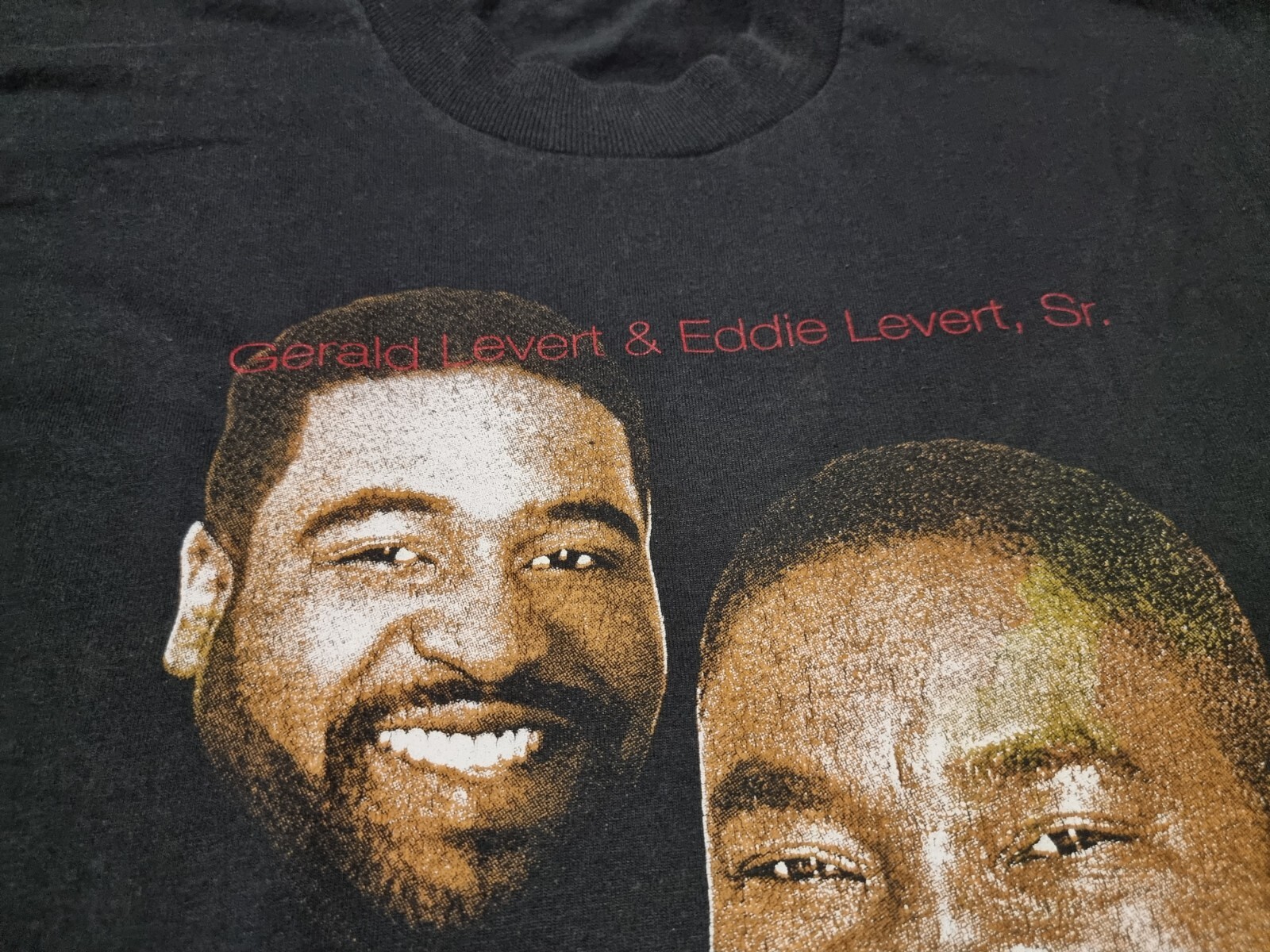
The tragedy of losing his sons, Gerald and Sean, had a profound impact on Levert’s life. Gerald Levert was a successful solo artist in his own right, and his passing in 2006 marked a painful chapter for the family. From a financial perspective, managing the estates of late family members often requires complex legal and accounting oversight. Levert has remained a patriarch of his family and a steward of the musical legacy left by both himself and his children, which involves ongoing professional management of their artistic contributions.
Frequently Asked Questions
How is an artist's net worth like Eddie Levert's calculated? Net worth is calculated by taking an individual's total assets—including bank accounts, real estate, investments, and business interests—and subtracting their liabilities, such as outstanding debts or taxes. For musicians, this also includes an estimated valuation of their music royalties and intellectual property.
Why does Eddie Levert have a net worth of $10 million despite having massive hits? Music industry accounting is complex. During the 1970s, label deals were often lopsided, with labels keeping a larger percentage of royalties. Additionally, performance income is frequently split among group members, management, and touring personnel, meaning the individual artist does not keep the entire gross amount generated by the group.
Are royalties for The O’Jays still generating income in 2026? Yes. Classic soul music remains highly popular on streaming platforms and in film/television soundtracks. Licensing music for "sync" (synchronization in media) is one of the most profitable activities for legacy artists, ensuring ongoing revenue for songs like "Love Train."
Does Eddie Levert still tour? By 2026, the frequency of tours for legacy acts often decreases in favor of one-off performances or limited residency events. Levert’s activity level is a choice that balances his continued interest in performing with his lifestyle preferences as an elder statesman of soul.
How does Eddie Levert’s wealth compare to other 70s soul legends? His net worth is consistent with artists who had successful, sustained careers in the mid-to-late 20th century. While it may not reach the billionaire status of pop-star entrepreneurs, it represents a high degree of financial success achieved through a career built primarily on musical performance rather than diversified corporate ventures.
Final Perspective on Financial Standing
Eddie Levert’s financial status is a reflection of a life dedicated to the craft of music. While his net worth of $10 million provides a snapshot of his current assets, it does not fully capture the cultural value of the work he produced as a member of The O’Jays. For fans and observers, the most important takeaway is the durability of the music itself, which continues to provide both financial stability for the artist and aesthetic enjoyment for the public. Those interested in the financial history of similar artists should look toward their recorded catalogs and the stability of the record labels they partnered with during their peak years.
Image Gallery