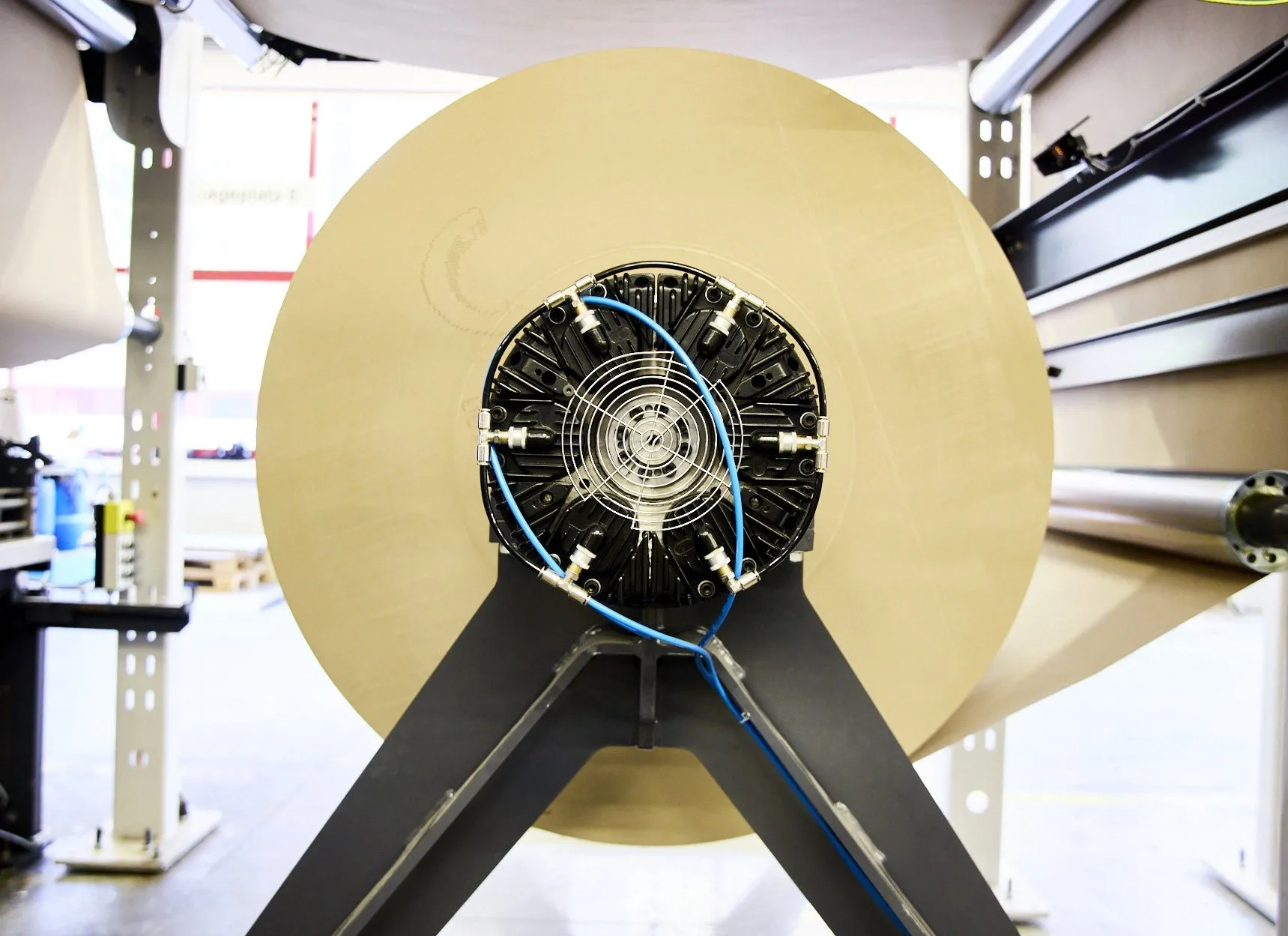
Understanding Interpac Cold Corrugation and Its Impact on Industrial Packaging
Interpac cold corrugation refers to a specialized manufacturing process within the packaging industry that eliminates the traditional steam-heated pressure application required to bond paper liners to the corrugated medium. By utilizin...
Interpac cold corrugation refers to a specialized manufacturing process within the packaging industry that eliminates the traditional steam-heated pressure application required to bond paper liners to the corrugated medium. By utilizing chemical bonding agents and specialized adhesive systems at ambient temperatures, this method significantly reduces energy consumption, improves fiber integrity, and allows for the processing of heat-sensitive materials that would otherwise degrade under the intense heat of conventional production lines.
Contents
The Technical Evolution of Corrugated Manufacturing
Traditional corrugation involves the use of high-pressure steam, often reaching temperatures between 160°C and 180°C, to gelatinize starch-based adhesives and fuse the fluted medium to the outer liners. While effective for standard brown-box production, this high-heat environment presents several limitations. Materials that are moisture-sensitive, coated with protective barriers, or composed of specialty polymers risk structural compromise or surface damage when exposed to these extreme temperatures.
Interpac cold corrugation emerged as a solution to these specific industrial bottlenecks. By substituting heat-activated bonding with advanced chemical adhesion, the process facilitates the creation of high-performance corrugated boards without the risk of thermal deformation. This technological shift is not merely a change in heating method; it is a structural evolution that preserves the physical properties of the paper fibers, resulting in a more resilient and versatile end product.
Key Impacts on Packaging Efficiency and Quality
The adoption of cold corrugation technologies, specifically under the Interpac methodology, introduces significant improvements in the operational and qualitative aspects of corrugated packaging.
1. Energy Efficiency and Carbon Footprint
The most immediate impact is the drastic reduction in energy demand. Traditional corrugators act as massive heat sinks, requiring continuous energy input to maintain steam boilers. Interpac systems operate at ambient or near-ambient temperatures, effectively decoupling the manufacturing speed from the energy-intensive heating process. This shift helps manufacturers meet the stringent sustainability targets required in the 2026 industrial landscape, where carbon-neutral operations are increasingly prioritized.
2. Preservation of Fiber Integrity
Heat is a known catalyst for the degradation of cellulose fibers. In conventional corrugation, the structural rigidity of the paper can be compromised due to "over-drying" at the hot plate section. Cold corrugation preserves the original moisture content and physical structure of the paper, leading to higher crush resistance and better load-bearing capacity for the finished corrugated board.
3. Material Compatibility
The ability to incorporate heat-sensitive additives, films, or coatings during the corrugation process opens new design possibilities. Where traditional heat would melt or delaminate specialized surfaces, cold corrugation allows for the integration of moisture-resistant coatings or aesthetic laminates directly into the board manufacturing stage.
Comparative Analysis: Cold vs. Traditional Hot Corrugation
Understanding the distinction between these two processes is essential for stakeholders evaluating their supply chain and packaging procurement.
| Feature | Traditional Hot Corrugation | Interpac Cold Corrugation |
|---|---|---|
| Energy Consumption | Very High (Steam boilers) | Low (Ambient/Chemical) |
| Fiber Stress | High (Thermal shock/drying) | Low (Structural preservation) |
| Adhesive Type | Heat-activated starch | Chemically active polymers |
| Material Range | Limited to standard kraft | Includes heat-sensitive substrates |
| Operational Risk | High (Steam pressure hazards) | Lower (Mechanical/Chemical focus) |
Operational Prerequisites and Implementation
Transitioning to or utilizing Interpac cold corrugation requires an understanding of both the equipment and the specialized adhesive supply chain. Unlike standard systems, cold corrugation relies heavily on the precision of the applicator system.
Adhesive Chemistry
The primary prerequisite for success is the selection of the correct adhesive formulation. These agents must provide an "instant" bond upon contact to ensure the integrity of the fluting, as there is no secondary heat-setting phase. Consistent monitoring of the chemical delivery system is vital, as the chemical properties must remain stable throughout the entire run to prevent delamination.
Precision Control Systems
The mechanical setup requires high-precision rolls to apply pressure uniformly across the board. Because there is no thermal "forgiveness"—where slight moisture variations are smoothed out by steam—the machine must maintain exact tension and alignment settings. For companies implementing these systems, investing in digital process monitoring tools is essential to ensure that the bonding process remains within tolerance levels.
Addressing Common Challenges and Troubleshooting
While the advantages of cold corrugation are significant, users must be prepared to manage specific technical hurdles.
- Bonding Consistency: The most common issue is uneven adhesion, often caused by variations in the chemical adhesive’s viscosity or the speed of the application rollers. Routine calibration of the applicator head is mandatory.
- Adhesive Drying Times: Depending on the substrate's porosity, the drying time for chemical adhesives can vary. If the production line speed exceeds the drying capacity, "tunnelling" or sliding of the liner may occur.
- Maintenance of Rollers: Because the adhesive is chemically reactive, rollers must be cleaned with specialized solutions to prevent buildup. Failure to perform these cleaning cycles leads to uneven pressure distribution, which in turn causes defects in the board profile.
The Role of Innovation in Modern Packaging
In 2026, the focus of the packaging industry remains on the dual goals of material reduction and recyclability. Cold corrugation contributes to these objectives by allowing for the use of thinner, higher-quality fibers that perform as well as their thicker, heat-treated counterparts. Furthermore, the removal of heavy thermal infrastructure means that smaller, modular manufacturing units can be deployed closer to end-users, significantly reducing logistics and transportation costs.
Frequently Asked Questions
Is cold corrugation cheaper than traditional methods?
The cost-effectiveness of cold corrugation is found primarily in energy savings and reduced waste. While the adhesive materials may carry a premium compared to basic starch, the overall operational expenditure (OpEx) is often lower due to the reduced carbon tax burdens and energy consumption associated with steam boilers.
Can all types of paper be used with Interpac cold corrugation?
Not necessarily. While it is more versatile with heat-sensitive materials, the process requires specific surface tensions and porosity in the paper to ensure the chemical bond sets correctly. Manufacturers should perform pilot trials with their specific paper grades.
What are the main safety benefits of this technology?
The elimination of high-pressure steam boilers removes the primary risk of catastrophic boiler failure and high-temperature steam burns, making the work environment inherently safer for floor personnel.
Does cold corrugation meet international packaging standards?
Yes, provided the manufacturer follows the certification standards for corrugated boards, such as those governing burst strength and edge crush test (ECT) values. The end performance of the board is what matters for regulatory compliance, and cold-corrugated boards typically exceed these benchmarks.
How does cold corrugation impact recyclability?
By using water-based chemical bonding agents that do not interfere with the pulping process, cold-corrugated products remain fully compatible with standard recycling streams, often improving the ease of separation compared to some traditional adhesives.
Next Steps for Adoption
If your organization is looking to integrate Interpac-style cold corrugation, begin by auditing your current substrate requirements and energy usage profiles. Evaluate the feasibility of a hybrid system if a full transition is not immediately practical. Partner with technical specialists who can verify that your chemical adhesive compatibility matches your current material stock. Request a pilot batch to verify that the structural integrity of your specific packaging design holds up to your supply chain's distribution demands.
Image Gallery