Comprehensive 2026 Parking Recommendations and Strategic Guide for escapesf.net Users
Navigating parking options referenced via escapesf.net requires a strategic understanding of urban municipal codes, garage infrastructure, and real-time availability patterns across high-density commercial corridors. This guide deliver...
Navigating parking options referenced via escapesf.net requires a strategic understanding of urban municipal codes, garage infrastructure, and real-time availability patterns across high-density commercial corridors. This guide delivers verified methodologies, safety parameters, rate comparisons, and operational insights to optimize your vehicle storage strategy in 2026.
Contents
Understanding the Urban Parking Ecosystem on escapesf.net
Urban parking frameworks require balancing municipal street regulations, private parking garage pricing structures, and emerging digital reservation platforms. When reviewing recommendations found on escapesf.net, motorists must evaluate geographical zoning, pricing tier mechanics, enforcement schedules, and security considerations before leaving a vehicle unattended.
Urban parking assets generally fall into three distinct operational categories:
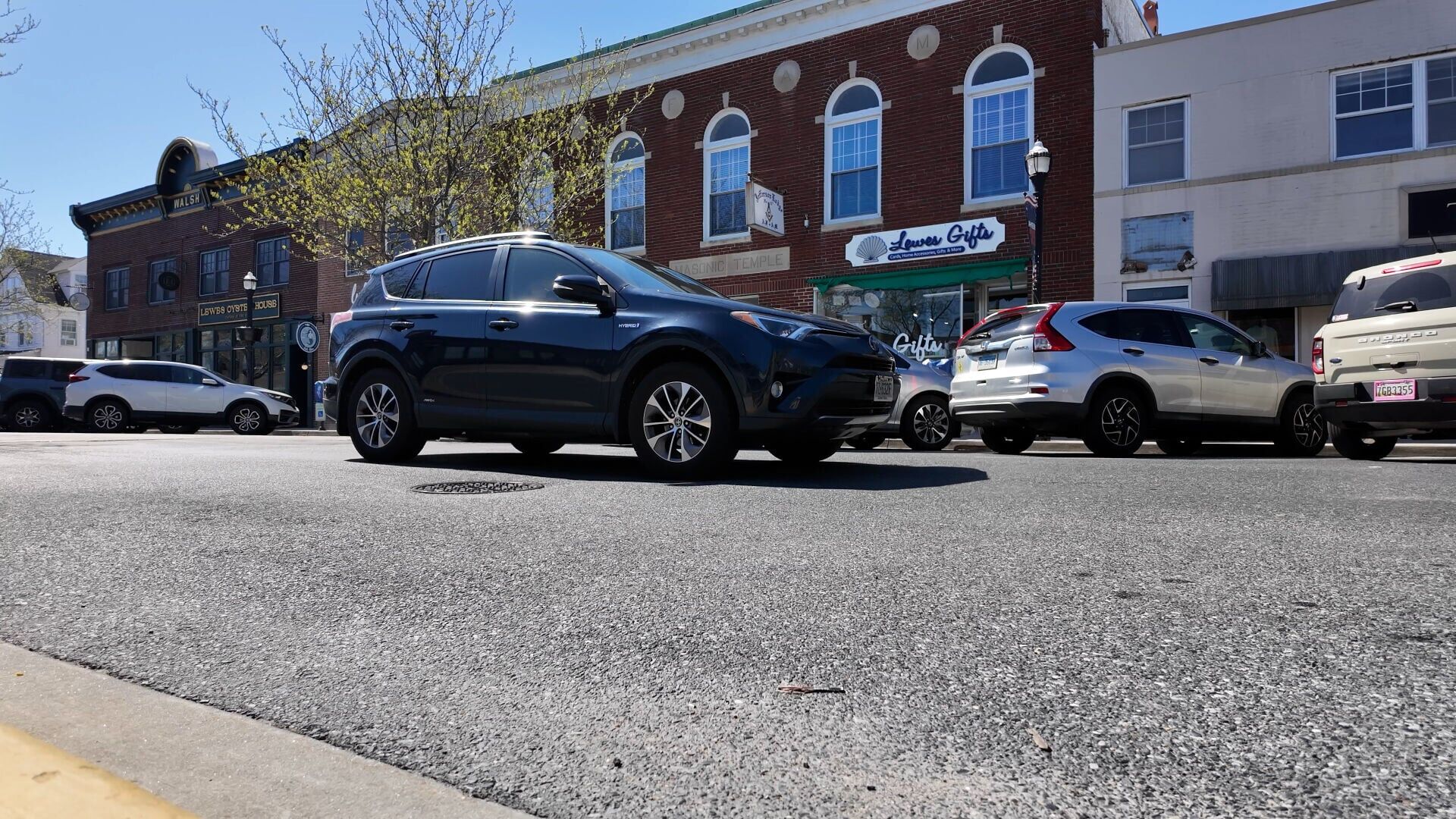
- Municipal Street Parking: Governed by city transportation authorities, featuring time limits, meter pricing, and mandatory street-cleaning windows.
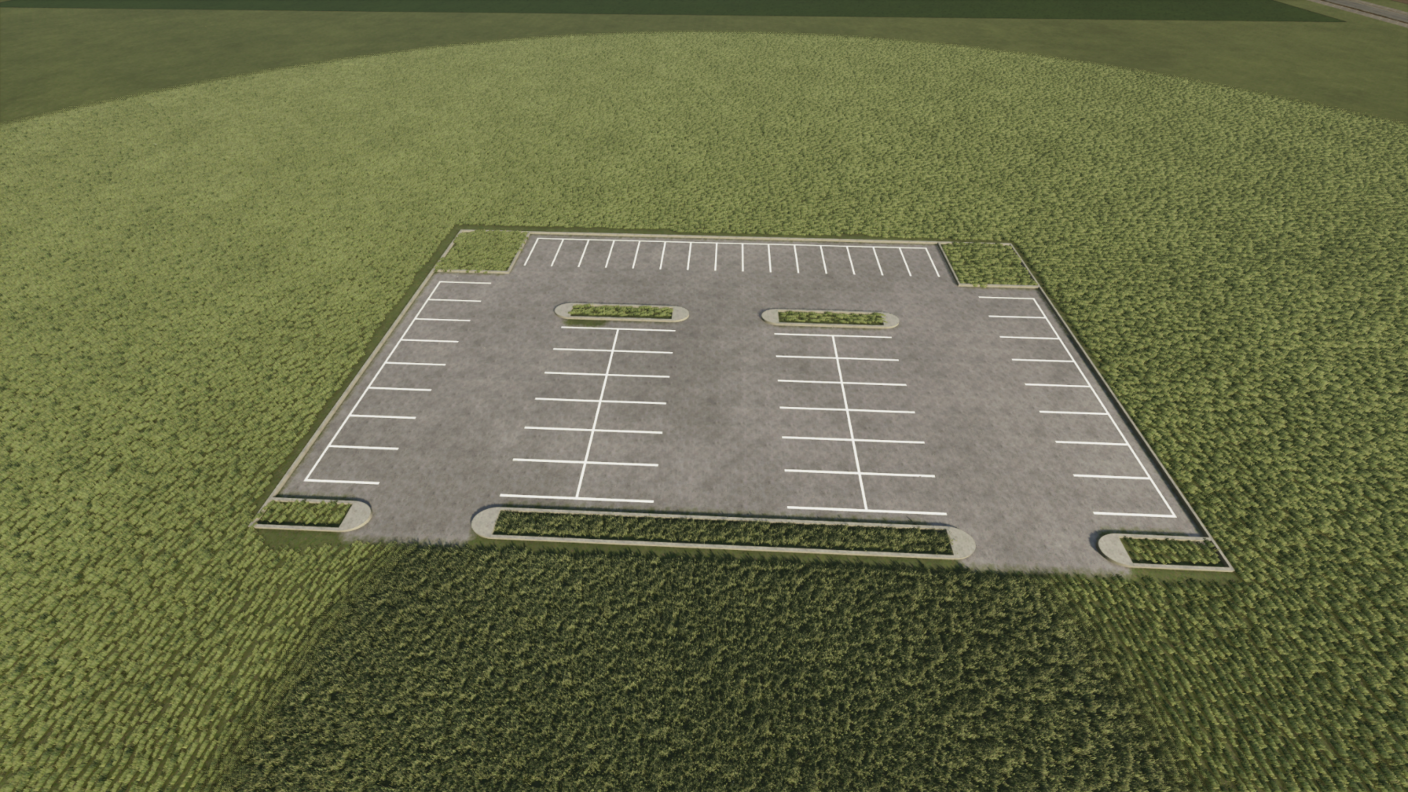
- Commercial Parking Structures: Privately or publicly operated multi-level facilities offering hourly, daily, and monthly rates with physical security infrastructure.
- App-Based Shared Spaces: Peer-to-peer or commercial reservation networks that allow pre-booking of underutilized private driveways, hotel garages, and commercial lots.
Successfully navigating these systems minimizes the risk of costly municipal citations, vehicle break-ins, or unexpected towing fees. Reviewing digital guides like escapesf.net provides a foundational overview, but verifying live enforcement signage and active garage hours remains essential for every trip.
Regulatory Frameworks and Enforcement Schedules in 2026
Municipal parking enforcement operates under strict schedules that drivers must understand to avoid penalties. Urban zones typically enforce metered spaces between 9:00 AM and 6:00 PM or 10:00 PM, depending on the commercial density of the corridor.
- Sunday and Holiday Policies: Many commercial meters remain enforced on Sundays in high-traffic retail districts, whereas residential permit zones may suspend enforcement on specific calendar holidays. Always inspect the specific stenciled rules on the physical meter or curb post rather than relying solely on general assumptions.
- Street Sweeping Citations: Street cleaning schedules are strictly enforced to maintain municipal sanitation standards. Parking during designated sweeping windows typically results in immediate citation and a high risk of towing.
- Red and Yellow Zones: Standing or parking in red zones is strictly prohibited at all times. Yellow zones are designated for commercial loading and unloading during active business hours; unauthorized passenger vehicles face heavy fines.
- Color-Curbed Regulations: Familiarize yourself with white passenger loading zones (typically limited to three minutes) and green short-term retail zones (usually restricted to 15 to 30 minutes).
Comparative Analysis of Parking Options
Choosing the right parking facility depends on duration, budget, vehicle dimensions, and security requirements. The following comparison matrix contrasts the primary parking options available through urban transit recommendations.
| Parking Type | Average Cost (Hourly / Daily) | Security Level | Convenience & Accessibility | Best Use Case |
|---|---|---|---|---|
| On-Street Metered | $2.50 - $7.00 / N/A | Low (Publicly exposed) | High (Direct curb access) | Errands under 2 hours |
| Commercial Garage | $15.00 - $55.00 / $45.00 - $85.00 | High (Attendants, cameras) | Moderate (Walking distance required) | Full-day work, overnight stays |
| App-Reserved Lots | $10.00 - $40.00 / $30.00 - $60.00 | Moderate to High | High (Guaranteed space pre-booked) | Event parking, planned excursions |
| Residential Permit | Free with permit / $5 daily visitor | Low to Moderate | Variable (Subject to density) | Extended visits with local resident sponsorship |
Step-by-Step Guide to Securing Optimal Parking
Executing a seamless parking strategy requires pre-trip planning, real-time tactical adjustments upon arrival, and adherence to security best practices. Follow this structured workflow to secure your vehicle safely and efficiently.
- Pre-Trip Route and Facility Mapping: Research your destination via escapesf.net or official transit maps prior to departure. Identify at least two backup garages within a three-block radius of your primary destination in case the preferred lot is full.
- Digital Space Reservation: For high-demand periods, evening events, or weekend excursions, utilize validated parking apps to pre-book a space. Pre-booking often secures discounted early-bird or event-flat rates that are significantly lower than drive-up rates.
- Curb Inspection and Signage Verification: Upon arrival at a street space, walk the entire block face to check for upcoming temporary no-parking signs, construction notices, or specialized permit restrictions that override standard meter rules.
- Payment and Receipt Validation: Pay via municipal mobile apps or physical pay stations. If using physical meters that issue printed receipts, display the receipt clearly on the dashboard according to local municipal ordinances.
- Interior Asset Mitigation: Clear all valuables, electronic devices, bags, and loose charging cables from plain sight inside the vehicle cabin. Store items securely in the trunk before arriving at your final parking destination to deter opportunistic theft.
- Post-Parking Verification: Confirm that your vehicle is parked entirely within painted stall lines, that wheels are curbed appropriately on sloped terrain as required by municipal vehicle codes, and that all windows and doors are firmly locked.
Operational Security Advisory Never leave vehicle registration documents or spare electronic key fobs inside the glove compartment. Urban parking facilities disclaim liability for items left in plain view within parked vehicles. Always secure your physical ticket or digital confirmation barcode in an accessible location for seamless exit processing.
Pros and Cons of Digital Parking Reservation Services
Leveraging third-party digital platforms to source and reserve parking offers distinct operational advantages alongside specific limitations.
Advantages
- Guaranteed Availability: Securing a reservation eliminates the uncertainty of circling congested blocks during peak hours.
- Cost Predictability: Pre-paying locks in promotional pricing structures, shielding drivers from dynamic surge pricing or unexpected event rates.
- Contactless Transactions: Digital check-ins and automated license plate recognition (LPR) gates streamline both entry and exit processes.
Disadvantages
- Cancellation Penalties: Many discounted reservations are non-refundable or incur strict administrative fees if travel plans change unexpectedly.
- Height and Clearance Restrictions: Automated app listings occasionally misrepresent exact garage clearance dimensions, presenting risks for oversized SUVs, lifted trucks, or vehicles equipped with roof racks.
- Customer Support Latency: Resolving gate malfunctions or billing discrepancies through third-party platform support channels can introduce frustrating delays during transit.
Troubleshooting Common Parking Complications
Even with meticulous planning, urban motorists occasionally encounter unexpected challenges. Addressing these situations systematically prevents compounding issues such as towing or vehicle damage.
- Encountering a Broken Payment Meter: If a municipal parking meter fails to accept payment, check adjacent meters to determine if payment is globally suspended or if you are required to use the municipal parking mobile application. Always document the broken meter number with a smartphone photograph to contest potential citations.
- Returning to a Towed Vehicle: If your vehicle has been towed from a legal or contested space, locate the nearest official tow yard or verify the impound lot via the municipal transit authority database. Bring your driver's license, vehicle registration, and proof of insurance to expedite release, noting that impound and storage fees accrue daily.
- Resolving Garage Gate Malfunctions: If an automated exit gate fails to recognize your pre-paid reservation barcode, press the intercom assistance button immediately rather than backing up into incoming traffic lanes. Provide the attendant with your confirmation number for manual override.
Frequently Asked Questions
How far in advance should I reserve a parking space using online recommendations?
For standard weekday business parking, booking 24 to 48 hours in advance is typically sufficient. For major public events, concerts, or holiday weekends, securing your space 7 to 14 days prior ensures access to the lowest promotional rates and guarantees a spot in garages closest to your destination.
Are commercial parking garages liable for vehicle break-ins or theft?
Most commercial parking contracts include waiver clauses stating that management is not responsible for theft, vandalism, or damage to vehicles or contents. Motorists park at their own risk and must rely on comprehensive auto insurance policies for coverage, reinforcing the importance of removing all valuables from the vehicle cabin.
What should I do if I receive an unjustified parking citation?
Document the vehicle position, surrounding regulatory signage, meter status, and curb markings with time-stamped photographs immediately. Submit a formal administrative contest through the municipal transit website within the designated statutory window, typically 21 calendar days from the citation issue date.
How do I check if my vehicle exceeds garage height clearances?
Standard urban parking garages maintain strict vertical clearance thresholds, usually ranging from 6 feet 2 inches to 6 feet 8 inches. If your vehicle features aftermarket roof racks, cargo boxes, or is an oversized commercial utility truck, verify the exact clearance limit posted on the overhead warning bar at the garage entrance before descending into multi-level subterranean structures.
Can I leave my vehicle overnight in a municipal street parking space?
Overnight street parking is permitted only if the space is not subject to overnight sweeping schedules, residential permit exclusivity, or commercial hour restrictions. Always verify the specific operational hours listed on the parking sign, as many metered zones resume enforcement early in the morning.
Strategic Conclusion
Optimizing your urban parking strategy requires balancing municipal regulations, garage pricing tiers, and strict security habits. By leveraging verified insights from platforms like escapesf.net, utilizing pre-booking reservation systems, and adhering strictly to curb signage and clearance guidelines, motorists can navigate dense metropolitan environments efficiently, legally, and safely through 2026 and beyond.
Image Gallery