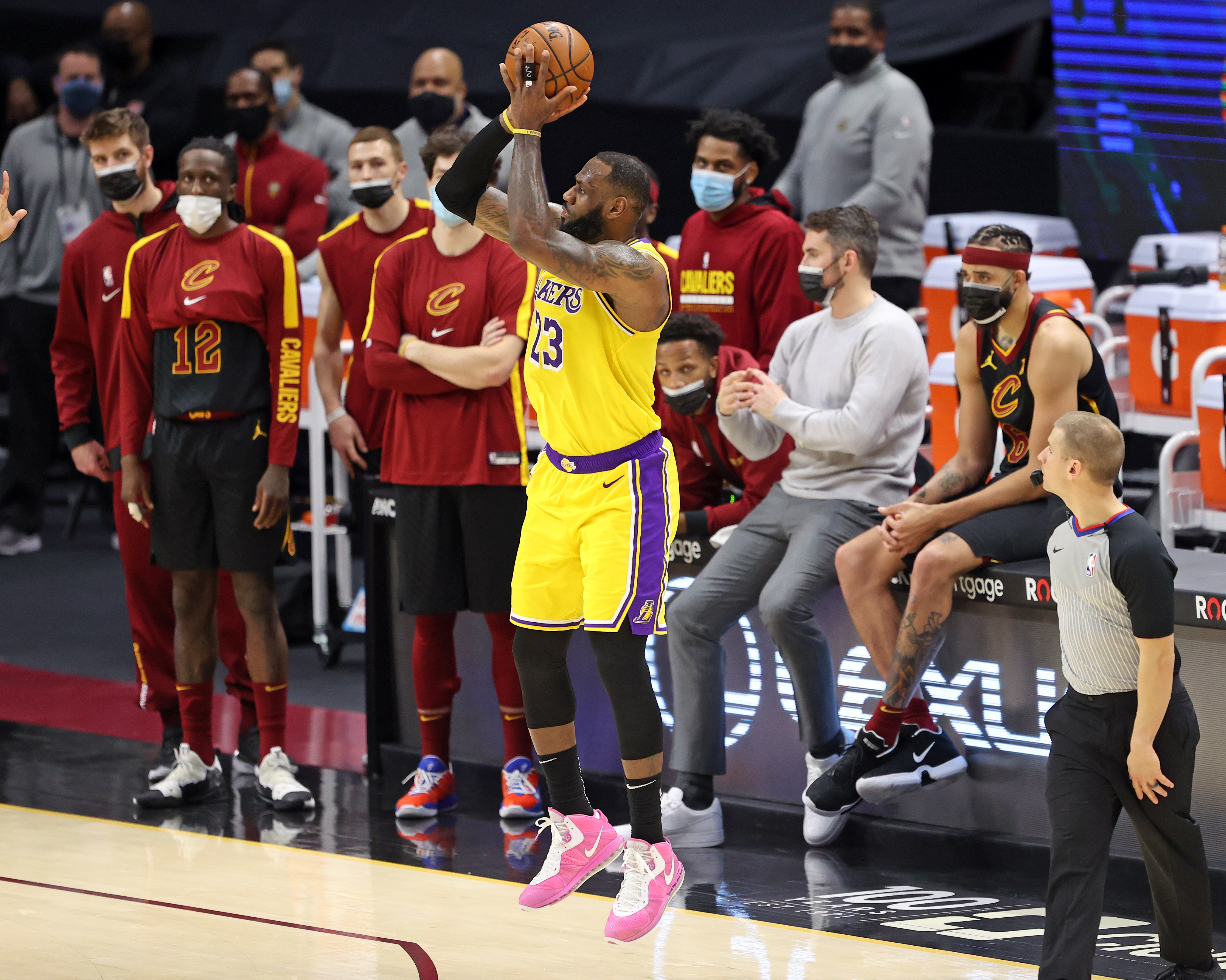
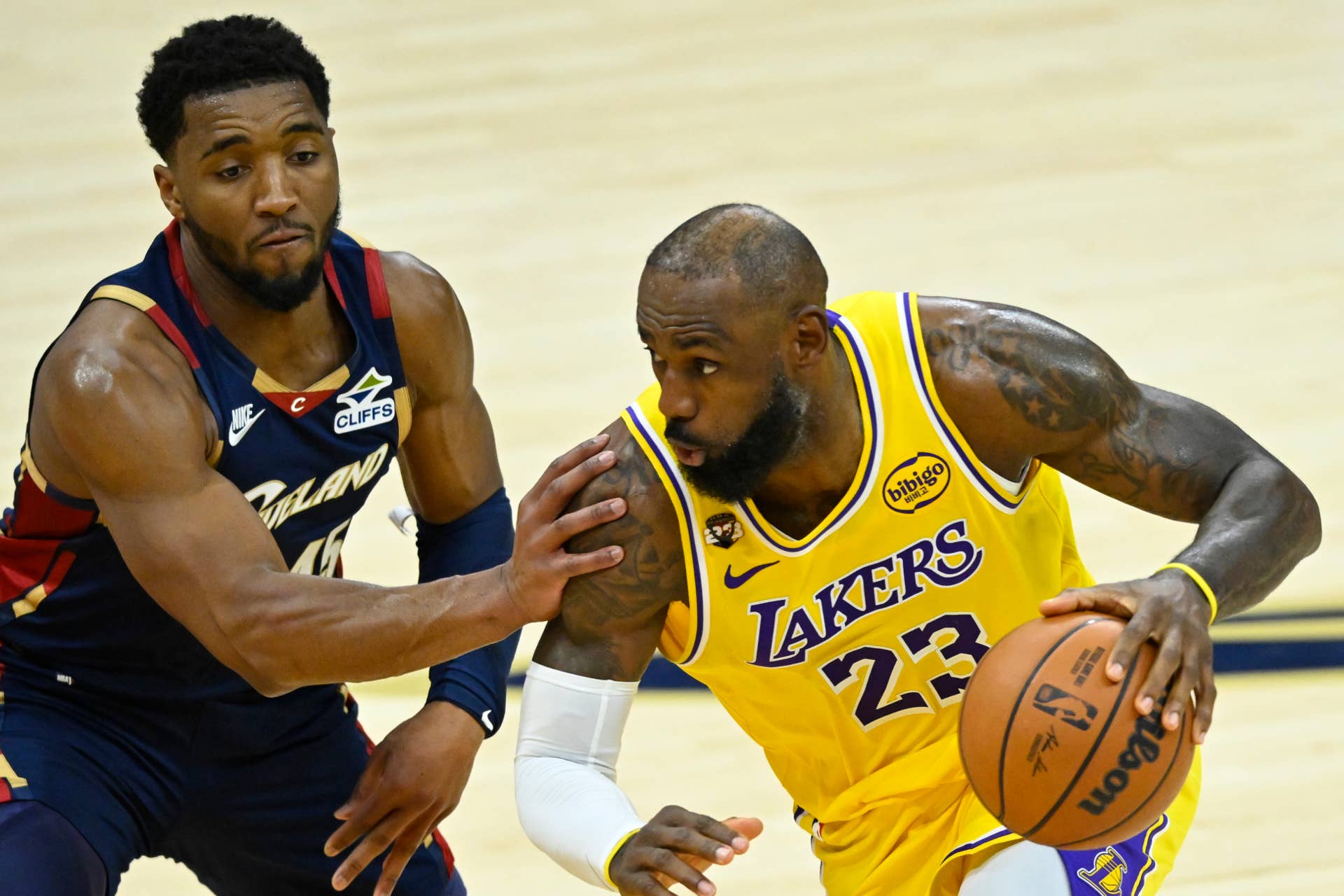
The Evolution of LeBron James’ Cleveland Contracts and Their Global Impact
LeBron James’ contracts with the Cleveland Cavaliers redefined NBA labor dynamics by shifting power from franchises to elite players through strategic, short-term "1+1" deals. These agreements allowed James to maximize earnings during...
LeBron James’ contracts with the Cleveland Cavaliers redefined NBA labor dynamics by shifting power from franchises to elite players through strategic, short-term "1+1" deals. These agreements allowed James to maximize earnings during salary cap spikes, forced aggressive front-office spending that secured the 2016 NBA Championship, and generated an estimated $500 million in annual economic value for the Northeast Ohio region.
Contents
The relationship between LeBron James and the Cleveland Cavaliers was never merely about basketball; it was a masterclass in sports macroeconomics and legal leverage. From his initial entry into the league in 2003 to his high-profile return in 2014, James utilized his contract negotiations to alter the financial landscape of the NBA. By the time he departed for Los Angeles in 2018, the "LeBron model" had become the blueprint for superstar autonomy. This article examines the structure of these contracts, the technical salary cap maneuvers involved, and the seismic impact they had on the city of Cleveland and the league at large.
The Early Years: Setting the Foundation (2003–2010)
When LeBron James was drafted first overall in 2003, his initial contract was dictated by the NBA’s Rookie Salary Scale. Under the Collective Bargaining Agreement (CBA) of the time, his four-year deal was worth approximately $18.8 million. While the figures were standard, the impact was immediate: the Cavaliers’ franchise value began an upward trajectory that would eventually see it grow from a $250 million entity to a multi-billion dollar organization.
In 2006, James reached a pivotal juncture. He was eligible for a five-year "Max" extension. However, in a move that foreshadowed his future business acumen, James and his representatives—Rich Paul and Maverick Carter—opted for a shorter, three-year extension with a player option for a fourth year.
The Strategic Three-Year Extension
By signing a shorter deal, James ensured he would become an unrestricted free agent in 2010, the same year as fellow stars Dwyane Wade and Chris Bosh. This was the first major instance of a player prioritizing future flexibility over long-term guaranteed security. It allowed him to reach his seven-year service mark faster, which at the time triggered a higher tier of the maximum salary (moving from 25% of the cap to 30%).
The impact of this contract was twofold:
- Organizational Pressure: The Cavaliers were forced into a perennial "win now" mode, often trading draft picks and young assets for veteran help to satisfy James’ desire for a title.
- Market Realignment: It signaled to other superstars that they could control their destinies by aligning their contract cycles.
The Return: The 1+1 Contract Revolution (2014–2016)
After four years in Miami, LeBron James returned to Cleveland in 2014. However, he did not sign the long-term deal the city expected. Instead, he signed a two-year, $42.1 million contract with a player option for the second year—the famous "1+1" structure.
Why the 1+1 Model Worked
At the time, the NBA had recently announced a massive 9-year, $24 billion television deal with ESPN and TNT. Analysts knew the salary cap would explode in the summer of 2016. By signing one-year deals with options, James was able to:
- Capture the Cap Spike: He could opt out every summer and re-sign for a maximum salary based on a much higher salary cap figure.
- Maintain Operational Control: As long as he was on a one-year deal, the Cavaliers' ownership, led by Dan Gilbert, had to keep spending on the roster. If the front office became complacent, James could theoretically leave the following summer.
- Force Luxury Tax Spending: During this period, Cleveland’s payroll often exceeded the luxury tax threshold. In the 2015-2016 season alone, the team paid an estimated $54 million in luxury tax penalties—a price Gilbert was willing to pay because the alternative (LeBron leaving) was economically catastrophic.
Summary of LeBron James’ Cleveland Contract Phases
The following table outlines the progression of James’ primary contracts during his two stints with the Cavaliers.
| Contract Era | Period | Structure | Estimated Value | Key Impact |
|---|---|---|---|---|
| Rookie Scale | 2003–2007 | 3 years + 1 option | $18.8 Million | Immediate franchise valuation boost. |
| First Extension | 2007–2010 | 3 years + 1 option | $60.3 Million | Created the 2010 "Superteam" free agency class. |
| The Homecoming | 2014–2015 | 1 year + 1 option | $42.1 Million | Forced aggressive roster building (Love trade). |
| The Title Push | 2015–2016 | 1 year + 1 option | $47.0 Million | Secured the 2016 NBA Championship. |
| The Final Cavs Deal | 2016–2018 | 3 years (2+1) | $100 Million | First time James surpassed $30M/year salary. |
The "LeBron Effect": Economic Impact on Cleveland
The impact of LeBron James’ contracts extended far beyond the hardwood of Rocket Mortgage FieldHouse (then Quicken Loans Arena). Economists frequently refer to this phenomenon as the "LeBron Effect."
Downtown Revitalization
When James returned in 2014, the economic atmosphere in downtown Cleveland shifted overnight. A study by the American Enterprise Institute (AEI) noted that the presence of James in a city increased the number of restaurants and bars within a one-mile radius of the stadium by 13%, and total employment in those establishments by 23%.
For Cleveland, this meant:
- Tax Revenue: Increased ticket sales and stadium-related spending led to millions in additional municipal tax revenue.
- Property Value: Commercial real estate in the Gateway District saw a surge in demand and valuation.
- Tourism: Cleveland became a global destination for sports tourism, with fans traveling internationally to see the world’s best player, particularly during the four consecutive NBA Finals runs (2015–2018).
The Risks of the Leverage Model
While the impact was largely positive, the contract structure created a "boom or bust" cycle. Because James’ contracts were so short, the city and the team lived in a state of constant anxiety. This prevented long-term infrastructure planning within the roster, leading to a depleted asset pool once he eventually signed with the Lakers in 2018.
Legal and Collective Bargaining Implications
James’ use of the "1+1" contract was so effective that it influenced the 2017 NBA Collective Bargaining Agreement. The league and the Players Association introduced "Designated Veteran" rules (the Supermax) partly to encourage stars to sign longer deals with their original teams.
Furthermore, James’ contracts highlighted the importance of the Over-38 Rule (formerly the Over-36 Rule). This rule prevents teams from offering four or five-year contracts to older players if the contract extends past their 38th birthday, as it is seen as a way to circumvent the salary cap by deferred payments. James’ legal and financial team successfully lobbied for the age to be raised from 36 to 38 during CBA negotiations, directly benefiting his later-career earning potential.
Competitive Legacy: The 2016 Championship
The ultimate justification for the high-wire act of James’ contracts was the 2016 NBA Title. The contract leverage he held forced the Cavaliers to trade for Kevin Love and frequently use the "Mid-Level Exception" and "Trade Exceptions" to bring in role players like J.R. Smith, Iman Shumpert, and Kyle Korver.
Without the pressure of James’ impending free agency every summer, it is argued that the front office might have been more conservative with their spending. The 2016 championship was not just a sporting victory; it was the "return on investment" for a franchise that had spent record-breaking amounts on player salaries and luxury taxes.
Frequently Asked Questions
Did LeBron James ever take a "hometown discount" in Cleveland?
No. Unlike his time in Miami, where he, Wade, and Bosh took slightly less than the maximum to fit under the cap, James consistently took the maximum allowable salary during his second stint in Cleveland. He believed that as the best player in the world, he had a responsibility to the Players Association to never "under-sell" the value of a max player.
How did the 2016 salary cap spike affect his contract?
The salary cap jumped from $70 million in 2015 to $94 million in 2016 due to the new TV deal. Because James was on a 1+1 contract, he was able to opt out of his old deal and sign a new one starting at $30.9 million, which was significantly higher than the $24 million he would have made had he been locked into a long-term deal.
What happened to Cleveland’s economy when his contract ended in 2018?
The "LeBron Effect" largely reversed. While the downtown area had stabilized more than it had after his 2010 departure, there was a measurable dip in hotel occupancy and restaurant revenue on game nights. However, the 2016 championship had already cemented certain infrastructure improvements that remained in place.
Why did he sign a longer 3-year deal in 2016?
After winning the championship in 2016, James finally signed a longer three-year, $100 million deal. This provided some stability to the franchise and allowed him to finally cross the $30 million per year threshold, making him the highest-paid player in the league at that time.
Could the Cavaliers have refused his 1+1 contract demands?
Technically, yes, but practically, no. The value James brought to the franchise—both in terms of championship contention and financial valuation—far outweighed the discomfort of his short-term contracts. The Cavaliers' franchise value tripled during his second stint, making the luxury tax payments a secondary concern for ownership.
Practical Recommendation for Analysts and Fans
When evaluating the impact of superstar contracts in the modern era, one must look beyond the "Total Value" column. The LeBron James Cleveland contracts demonstrate that the duration and timing of an agreement are often more powerful than the dollar amount. For sports business students and analysts, the takeaway is clear: flexibility is the ultimate currency. By maintaining the ability to enter the market annually, a player can effectively act as a shadow General Manager, ensuring that both their earnings and their competitive environment remain at a peak level.
As we look back from 2026, the contracts James signed in Cleveland remain the gold standard for how a single athlete can leverage their talent to move the needle of an entire regional economy and fundamentally change the labor laws of a multibillion-dollar industry.
Image Gallery