The Best Quality Gin for Discerning Palates: A 2026 Connoisseur’s Guide
High-quality gin for discerning palates is defined by a harmonious balance of botanical complexity, a clean base spirit, and precise distillation. In 2026, the finest expressions prioritize sustainable sourcing and innovative technique...
High-quality gin for discerning palates is defined by a harmonious balance of botanical complexity, a clean base spirit, and precise distillation. In 2026, the finest expressions prioritize sustainable sourcing and innovative techniques like vacuum distillation to preserve delicate aromatics, offering sophisticated profiles that transcend the standard juniper-forward character of entry-level spirits.
Contents
The Evolution of Quality in the Modern Gin Era
The global "gin-aissance" has matured. While the early 2020s saw an explosion of flavored and experimental gins, 2026 marks a return to structural integrity and "terroir"—the sense of place conveyed through local botanicals. For a palate that demands excellence, quality is no longer just about the absence of "burn"; it is about the depth of the mid-palate and the longevity of the finish.
Discerning drinkers now look beyond the label to the technical specifications of the liquid. This includes the quality of the Neutral Grain Spirit (NGS), the method of botanical integration—whether through maceration, vapor infusion, or a combination—and the "cut" points during distillation. A premium gin must showcase a seamless transition from the initial aroma to the final lingering notes on the tongue, ensuring that no single botanical overwhelms the others unless by intentional, balanced design.
Defining the Pillars of Premium Gin
To identify the best quality gin, one must understand the three technical pillars that separate craft excellence from mass-market production: the base spirit, the botanical bill, and the distillation architecture.
1. The Purity of the Base Spirit
The foundation of any gin is its base spirit. While most gins use a grain-neutral spirit (wheat, barley, or corn), ultra-premium distilleries often experiment with unique bases to add texture. Grape-based spirits (like those found in G’Vine or certain high-end Australian gins) provide a silken mouthfeel and a natural sweetness. By 2026, we have seen a rise in "field-to-bottle" spirits where the distiller grows their own grain, ensuring total control over the fermentation process. A discerning palate can detect the subtle creaminess of a well-rectified base versus the harsh, thin profile of industrial-grade ethanol.
2. Botanical Complexity and Sourcing
The "best" gin is rarely the one with the most botanicals, but rather the one with the highest quality ingredients. Discerning palates appreciate the use of fresh citrus peels over dried, and hand-foraged botanicals that offer a distinct "fingerprint" of a specific region. For example, Islay’s The Botanist utilizes 22 foraged botanicals, while Japan’s Ki No Bi uses a rice spirit base and divides its botanicals into six distinct "Elements" (Base, Citrus, Tea, Herbal, Spice, and Fruity) which are distilled separately and then blended. This level of granular control is a hallmark of high-quality production.
3. Distillation Architecture: Traditional vs. Innovative
The method of distillation dictates the clarity of flavor.
- One-Shot Distillation: Considered the gold standard for quality, this method involves distilling the exact amount of botanicals needed for the final batch, rather than creating a "gin concentrate" to be diluted later.
- Vacuum Distillation: A technique gaining massive traction in 2026. By lowering the atmospheric pressure inside the still, alcohol boils at a much lower temperature. This prevents "cooking" the botanicals, resulting in flavors that taste fresh and "green" rather than stewed or bitter.
Top Categories for the Discerning Drinker
Not all palates seek the same experience. Understanding the sub-categories of gin allows a connoisseur to select a bottle that aligns with their specific sensory preferences.
The Refined London Dry
For the purist, a high-quality London Dry remains the pinnacle. By law, nothing can be added after distillation except water. The quality here is naked and exposed. Sipsmith V.J.O.P. (Very Junipery Over Proof) is a frequent choice for those who want the classic profile amplified with technical precision. It uses a "triple juniper" technique that layers the botanical at different stages of the process.
Contemporary and New Western Expressions
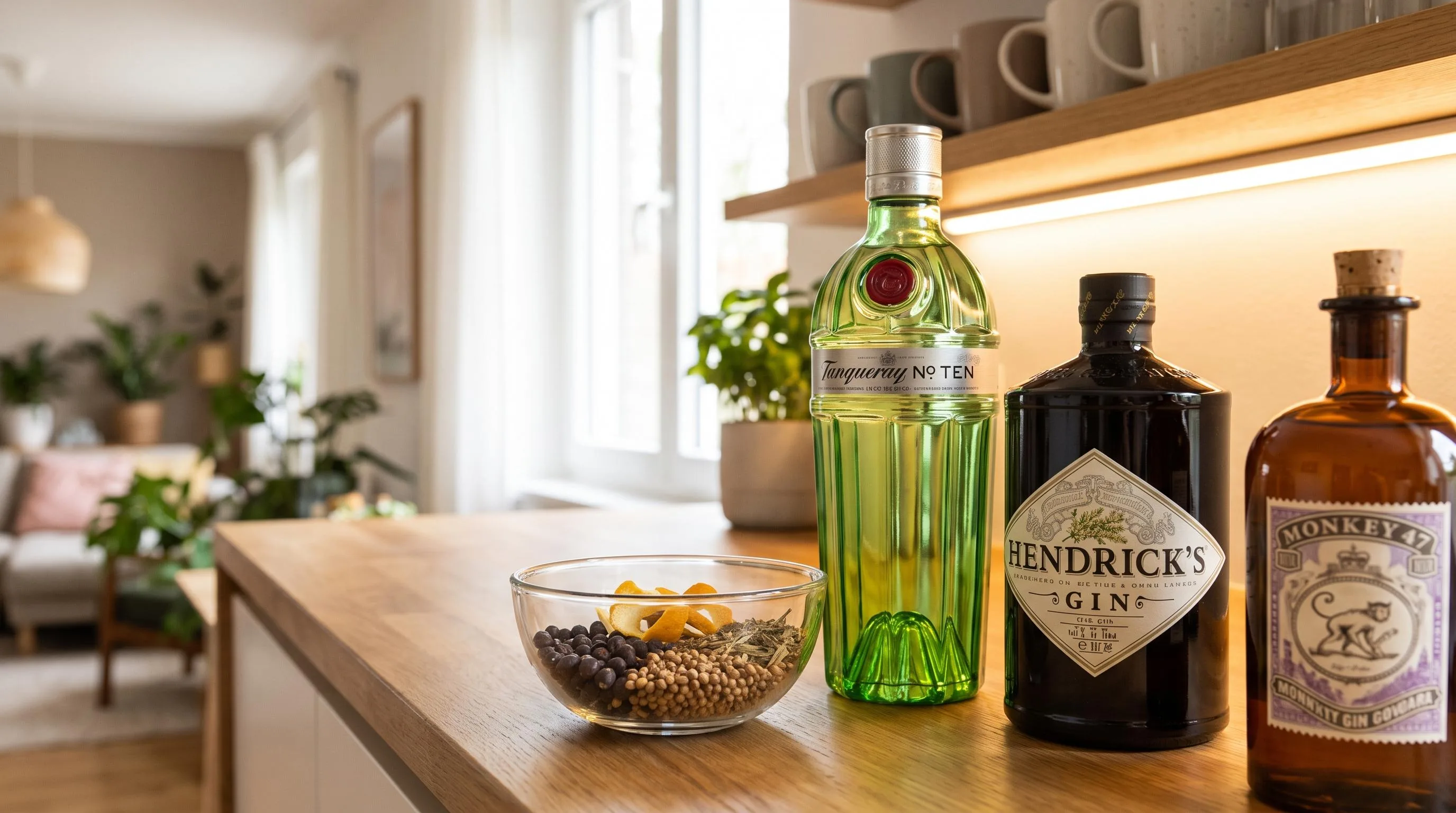
These gins move juniper to the background to highlight other flavors. For a discerning palate, the challenge here is avoiding "perfumey" or disjointed profiles. Monkey 47 from Germany’s Black Forest remains a benchmark due to its use of 47 botanicals, including lingonberries, which are integrated with such skill that the result is a complex, evolving tapestry of flavor rather than a muddled mess.
Barrel-Rested and "Yellow" Gins
In 2026, the maturation of gin in oak has moved from a novelty to a sophisticated craft. Unlike whiskey, the goal isn't to let the wood dominate but to soften the botanicals and add a layer of vanillin or spice. A high-quality barrel-rested gin, like those from Hernö or Four Pillars, uses seasoned casks (Chardonnay or Sherry barrels) to create a spirit that can be sipped neat like a fine Cognac.
Technical Comparison of Leading Premium Gins
The following table compares several gins widely recognized by international spirits competitions and connoisseurs for their exceptional quality and technical execution.
| Gin Name | Origin | Style | ABV | Primary "Discerning" Feature |
|---|---|---|---|---|
| Ki No Bi Kyoto Dry | Japan | Contemporary | 45.7% | Rice spirit base; 6-element fractional distillation. |
| Monkey 47 | Germany | Ultra-Premium | 47.0% | 47 botanicals; use of local lingonberries and molasses base. |
| Sipsmith V.J.O.P. | UK | London Dry | 57.7% | High-proof juniper intensity with exceptional smoothness. |
| Hernö Juniper Cask | Sweden | Barrel-Aged | 47.0% | World’s first gin aged in casks made from juniper wood. |
| The Botanist | Scotland | Islay Dry | 46.0% | 22 foraged Islay botanicals; slow "simmer" distillation. |
| Nolet’s Silver | Netherlands | Modern Luxury | 47.6% | Focus on Turkish Rose, Peach, and Raspberry; very floral. |
How to Evaluate Gin Quality at Home
A discerning palate doesn't just drink; it analyzes. To truly appreciate high-quality gin, follow the professional tasting protocol used by the International Wine & Spirit Competition (IWSC).
- Glassware: Use a tulip-shaped glass or a copita. This concentrates the aromas toward the nose.
- The Neat Sip: Always taste the gin neat and at room temperature first. Adding ice or tonic masks flaws and dulls the aromatics.
- The "Nose": Do not sniff deeply; the high ABV will sting. Waft the glass under your nose. Look for "top notes" (citrus/floral), "heart notes" (juniper/spice), and "base notes" (earthy roots/bark).
- The Dilution: Add an equal amount of room-temperature filtered water. This "opens up" the gin, breaking the surface tension and releasing hidden botanical oils.
- Texture and Finish: Note the "legs" on the glass (indicating viscosity) and how long the flavor lasts after swallowing. A high-quality gin should have a "long" finish that doesn't turn bitter.
Sustainability and Ethics: The 2026 Standard
For the modern discerning consumer, quality is increasingly tied to the ethics of production. The best gins in 2026 are often those produced in B-Corp certified distilleries or those utilizing circular economy principles. This includes carbon-neutral shipping, water reclamation systems during the cooling process, and spent-botanical composting. Brands like Nc’nean and Arbikie have set the standard for "climate-positive" spirits, proving that luxury and environmental stewardship are not mutually exclusive.
Common Pitfalls in "Luxury" Gin Marketing
A discerning palate must be wary of "premiumization" tactics that do not reflect actual liquid quality.
- The Bottle Trap: An ornate, heavy glass bottle does not guarantee a superior spirit. Some of the world’s best gins come in understated packaging.
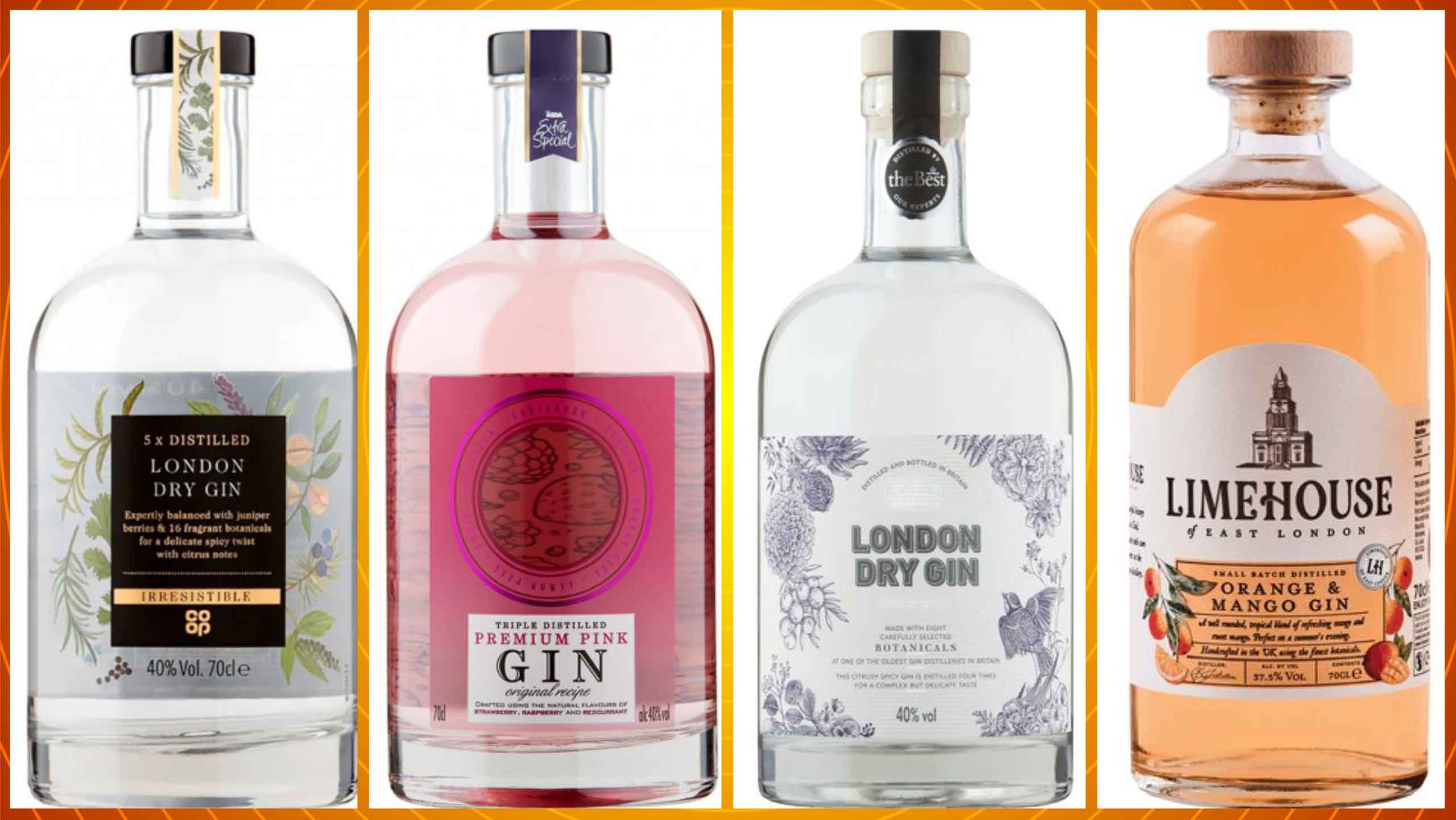
- The Gold Leaf Gimmick: Additives like gold flakes or color-changing pigments (via butterfly pea flower) are often used to distract from a mediocre base spirit.
- Over-Filtering: While "triple-filtered" sounds positive, excessive filtration through charcoal can strip away the delicate essential oils of the botanicals, leaving the gin characterless.
Frequently Asked Questions
What is the significance of "Navy Strength" for a discerning palate?
Navy Strength gin is bottled at exactly 57.1% ABV (or 54.5% in some regions). Historically, this was the strength at which gunpowder would still ignite if accidentally soaked in the spirit. For the modern connoisseur, the high ABV acts as a flavor carrier. The higher alcohol content holds more essential oils in solution, providing a more intense sensory experience and ensuring the gin "stands up" when mixed in complex cocktails like a Negroni.
Why do some premium gins turn cloudy when water or ice is added?
This phenomenon is known as "the louching effect." It is a sign of high quality, not a defect. It occurs when a gin is so densely packed with botanical oils (particularly from juniper and citrus) that they precipitate out of the alcohol when it is diluted or chilled. Many mass-market gins undergo "chill-filtration" to prevent this, but discerning distillers often skip this step to preserve the full flavor and mouthfeel.
Is "London Dry" always better than other styles?
"London Dry" is a process, not a quality grade. It simply means no flavors or sugars were added after distillation. While it represents the "purest" form of gin making, many exceptional gins (like Old Tom or Contemporary styles) use post-distillation techniques to achieve specific flavor profiles that are equally sophisticated.
How does the choice of tonic affect the perception of gin quality?
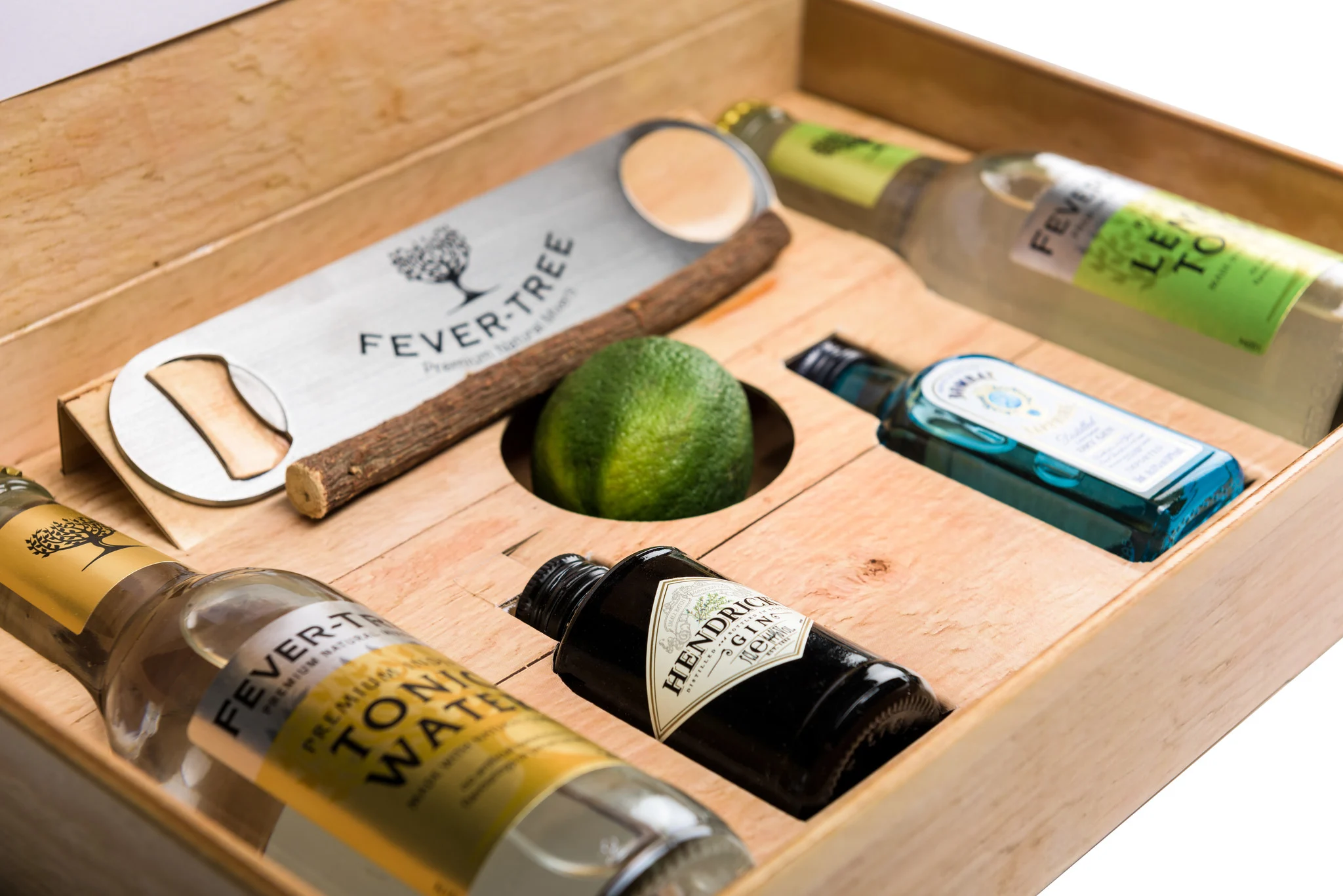
A discerning palate understands that a high-quality gin can be ruined by a low-quality tonic. Conventional tonics are often overloaded with sugar and artificial quinine. For premium gins, one should use a "Light" or "Indian" tonic with natural quinine and low sugar, or even a splash of soda water (a "Gin Sonic") to allow the botanicals to shine through without interference.
Does the age of the botanicals matter?
Yes. Essential oils in botanicals like coriander seed and juniper berries degrade over time. The best distilleries source botanicals from the most recent harvest and store them in temperature-controlled environments. Some even use "fresh" green juniper (which is rare) to provide a brighter, more resinous flavor profile compared to the standard dried berries.
Next Steps for the Gin Enthusiast
To further refine your palate, consider moving from brand-based consumption to flight-based comparison. Purchase three gins from the same category (e.g., three different London Drys) and taste them side-by-side using the dilution method. This comparative approach is the fastest way to train the senses to detect the nuances of distillation "cuts" and botanical balance. For those seeking the absolute peak of the craft in 2026, exploring limited-edition releases from established houses like Cambridge Distillery—which uses molecular distillation to capture specific seasonal scents—offers a glimpse into the future of high-altitude gin quality.
Image Gallery