Socks the Cat in the Public Record: A Comprehensive Historical Analysis
Socks, the famous tuxedo cat belonging to the Clinton family, occupies a unique position in the United States National Archives. As of 2026, the public record regarding Socks consists of thousands of digitized photographs, official Whi...
Socks, the famous tuxedo cat belonging to the Clinton family, occupies a unique position in the United States National Archives. As of 2026, the public record regarding Socks consists of thousands of digitized photographs, official White House press releases, internal memoranda regarding pet logistics, and an extensive collection of correspondence from children addressed to the "First Feline" between 1993 and 2001.
Contents
The Presidential Records Act and the "First Feline"
To understand the public record of Bill Clinton’s cat, one must first understand the legal framework of the Presidential Records Act (PRA) of 1978. The PRA mandates that all records created or received by the President and his staff in the course of conducting official duties are the property of the United States government. While a pet is technically personal property, the activities, correspondence, and public relations efforts surrounding that pet are documented as part of the administration's historical legacy.
Socks was a stray cat from Little Rock, Arkansas, who leaped into the arms of Chelsea Clinton in 1991. When the Clintons moved to 1600 Pennsylvania Avenue, Socks became more than a family pet; he became a diplomatic asset and a focal point for public engagement. Because his presence was managed by the White House Press Office and the Office of the First Lady, his "life" in the White House is meticulously documented in the Clinton Presidential Library and Museum in Little Rock, overseen by the National Archives and Records Administration (NARA).
The public record for Socks is not merely a collection of anecdotes but a structured set of government documents. These records include:
- Daily Diary Entries: Mentions of the cat’s presence during official functions or in the private residence.
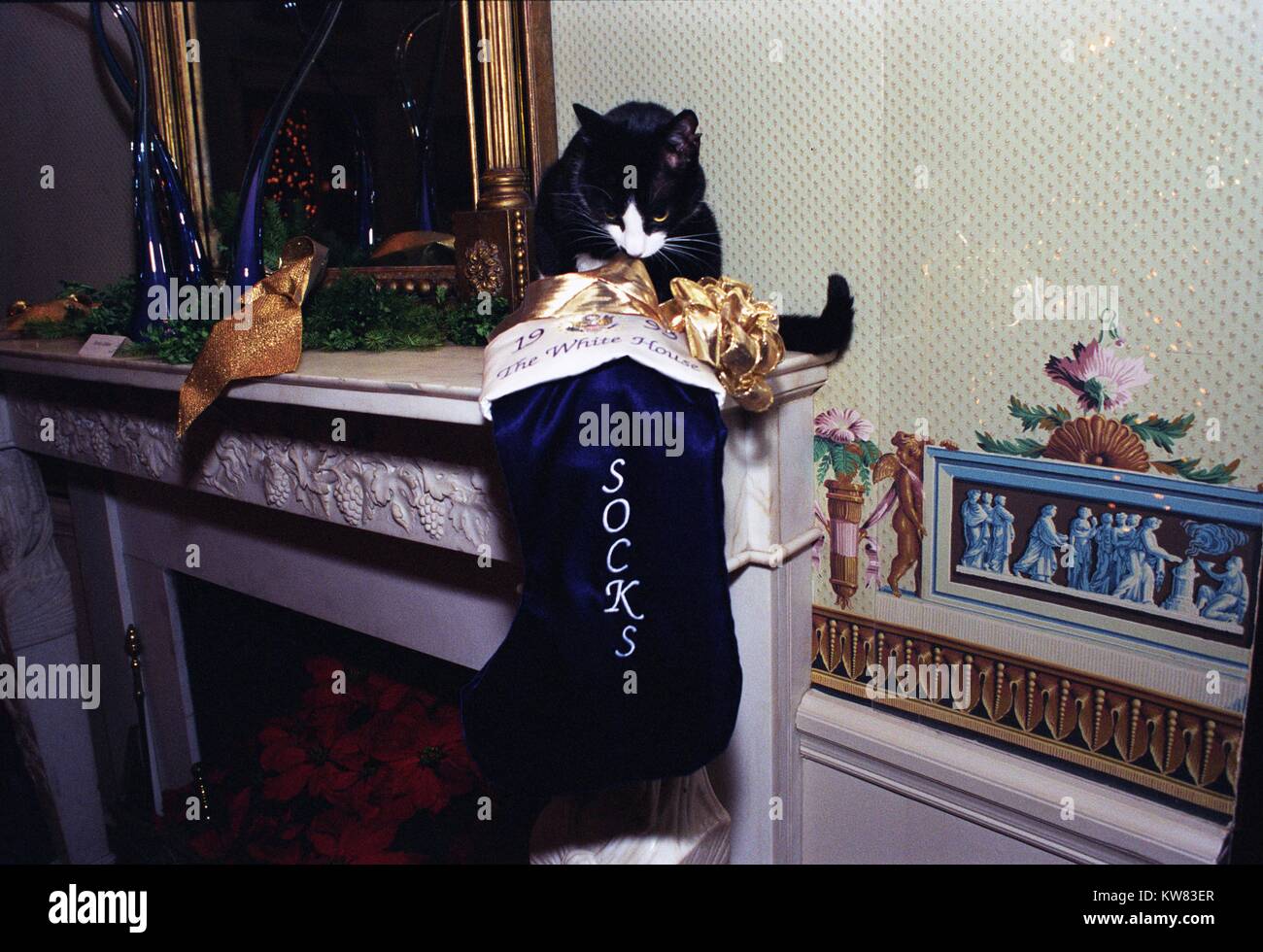
- Photographic Office Records: Thousands of frames captured by official White House photographers showing Socks on the Oval Office desk, in the briefing room, or with visiting dignitaries.
- Administrative Memos: Documents detailing the logistics of his care, security, and the management of his public "fan mail."
The Volume of Correspondence: "Dear Socks"
One of the most substantial portions of the public record regarding Bill Clinton’s cat is the massive volume of correspondence. During the 1990s, Socks received more mail than many high-ranking government officials. This necessitated a dedicated staff (often volunteers and interns in the First Lady’s office) to manage the influx of letters, drawings, and gifts sent by children from across the globe.
The National Archives preserves these letters as a reflection of the American public's relationship with the presidency. In 1996, Hillary Clinton published a book titled Dear Socks, Dear Buddy: Kids' Letters to the First Pets, which drew directly from this public record. However, the book only scratched the surface. The actual archival folders contain thousands of original documents that provide insight into the cultural zeitgeist of the 1990s.
The management of this correspondence was a logistical undertaking. Each letter typically received a formal response, often featuring a "signed" photo of Socks (complete with a paw-print stamp). The records of these outgoing responses, the templates used, and the statistics of the mail volume are all part of the official administrative history of the Clinton White House.
Socks in the White House Press Briefings
Socks frequently appeared in the official public record of the White House Press Office. He was a favorite subject for the "press pool," particularly during slow news cycles. The public record contains numerous transcripts where Press Secretaries such as Dee Dee Myers or Joe Lockhart fielded questions about the cat’s whereabouts or his reaction to the arrival of Buddy, the Lab retriever, in 1997.
The rivalry between Socks and Buddy is well-documented in official records. This was not merely tabloid fodder; the "cat vs. dog" narrative was managed by the White House to humanize the President and provide a relatable domestic backdrop to the administration. Memos from the Office of the First Lady discuss the strategic timing of introducing Buddy and how to mitigate the "jealousy" shown by Socks, which had become a point of public concern.
Summary of Official Archival Holdings for Socks (as of 2026)
| Record Type | Primary Repository | Estimated Volume | Access Status |
|---|---|---|---|
| Official Photographs | Clinton Presidential Library (NARA) | 5,000+ Images | Open / Digitized |
| Children's Letters | Office of the First Lady Archives | 20+ Linear Feet | Open for Research |
| Press Releases | White House Office of Communications | 150+ Documents | Publicly Available |
| Gift Records | White House Gift Office | 200+ Entries | Partially Restricted |
| Video Footage | White House Television (WHTV) | 40+ Hours | Available via NARA |
FOIA Requests and Public Interest
The Freedom of Information Act (FOIA) has been used repeatedly by journalists and curious citizens to pull records related to Socks. These requests often focused on the costs associated with the pet’s upkeep. The public record shows that the Clintons paid for Socks' food and veterinary care personally, but the "support staff" involved in managing his mail and security was a point of minor political contention.
Researchers have accessed records detailing the "Socks the Cat" fan club and the official White House website's "Socks' Couch," which was one of the first interactive features on a government website. In the early days of the World Wide Web (circa 1994), Socks served as a digital ambassador, helping to introduce the public to the concept of a White House online presence. These digital records—archived versions of the early whitehouse.gov site—are a critical part of the public record for historians of technology and politics alike.
The Later Years and Post-Presidential Records
When the Clintons left the White House in January 2001, Socks did not move with them to Chappaqua. Instead, he was famously "adopted" by Bill Clinton’s personal secretary, Betty Currie. This transition is also a matter of public record, appearing in news reports and official statements intended to resolve the public's concern about the cat's welfare.
Socks lived until 2009, passing away at the age of approximately 19. While his life after 2001 is less "official" in terms of government records, his death was marked by official statements from the Clinton family. For researchers in 2026, the transition of Socks from a "government entity" to a private citizen provides an interesting case study in the lifecycle of presidential property and the public's emotional investment in White House symbols.
Navigating the Clinton Presidential Library Archives
For those seeking to access the public record of Bill Clinton’s cat today, the primary resource is the Clinton Presidential Library’s Digital Archives. By searching for "Socks" or "First Pet," researchers can find:
- Staff Member Office Files (SMOF): These contain internal notes about the cat’s participation in Easter Egg Rolls and other public events.
- The White House Photograph Office Collection: This offers high-resolution downloads of the cat in various rooms of the White House.
- The First Lady’s Press Office Records: These contain the background notes for various pet-related initiatives.
Accessing these records requires a basic understanding of NARA’s filing system. Most records are categorized by the specific office that generated them (e.g., the Social Office or the Correspondence Office). Because these records are now over 25 years old, most restrictions under the PRA have expired, making the vast majority of "Socks data" available for public consumption.
Frequently Asked Questions
Was Socks the Cat considered government property?
While the cat itself was the personal property of the Clinton family, the documentation created by government employees (photographers, press secretaries, and correspondence aides) regarding the cat is considered a "Presidential Record" under the law. These documents are owned by the public and managed by NARA.
How can I view original letters sent to Socks?
You can view a selection of these letters at the Clinton Presidential Library in Little Rock, Arkansas, or through their online digital finding aids. Large portions of the "Dear Socks" correspondence have been processed and are available for scholarly research.
Are there any secret records about Socks?
Under the Presidential Records Act, certain documents can be withheld for reasons of national security or personal privacy. However, very few records concerning a pet would meet these criteria. Most "withheld" documents in the Clinton archives related to Socks would likely involve specific security protocols for the First Family that remain sensitive.
Did the government pay for Socks' food?
No. Official records and White House statements from the era clarify that the First Family is responsible for the personal expenses of their pets, including food and veterinary bills. However, the administrative costs of managing the pet's public image and mail were funded through the White House budget.
Why is a cat so prominent in the National Archives?
The prominence of Socks in the archives reflects the Clinton administration's use of the "First Pet" as a tool for public diplomacy and engagement. The volume of material is a direct result of the high level of public interest and the administration's decision to maintain a formal correspondence system for the cat.
Recommendation for Researchers
If you are conducting a historical or academic search regarding Socks the cat in the public record, begin your inquiry with the National Archives Catalog (NAC). Use specific search terms like "Socks" combined with "White House Photograph Office" or "First Lady Correspondence." For a more narrative experience, the Clinton Presidential Library offers curated online exhibits that place these records in their proper historical context. Always cross-reference press transcripts with internal memos to get a complete picture of how the "First Feline" was used to shape the administration's public image.
Image Gallery