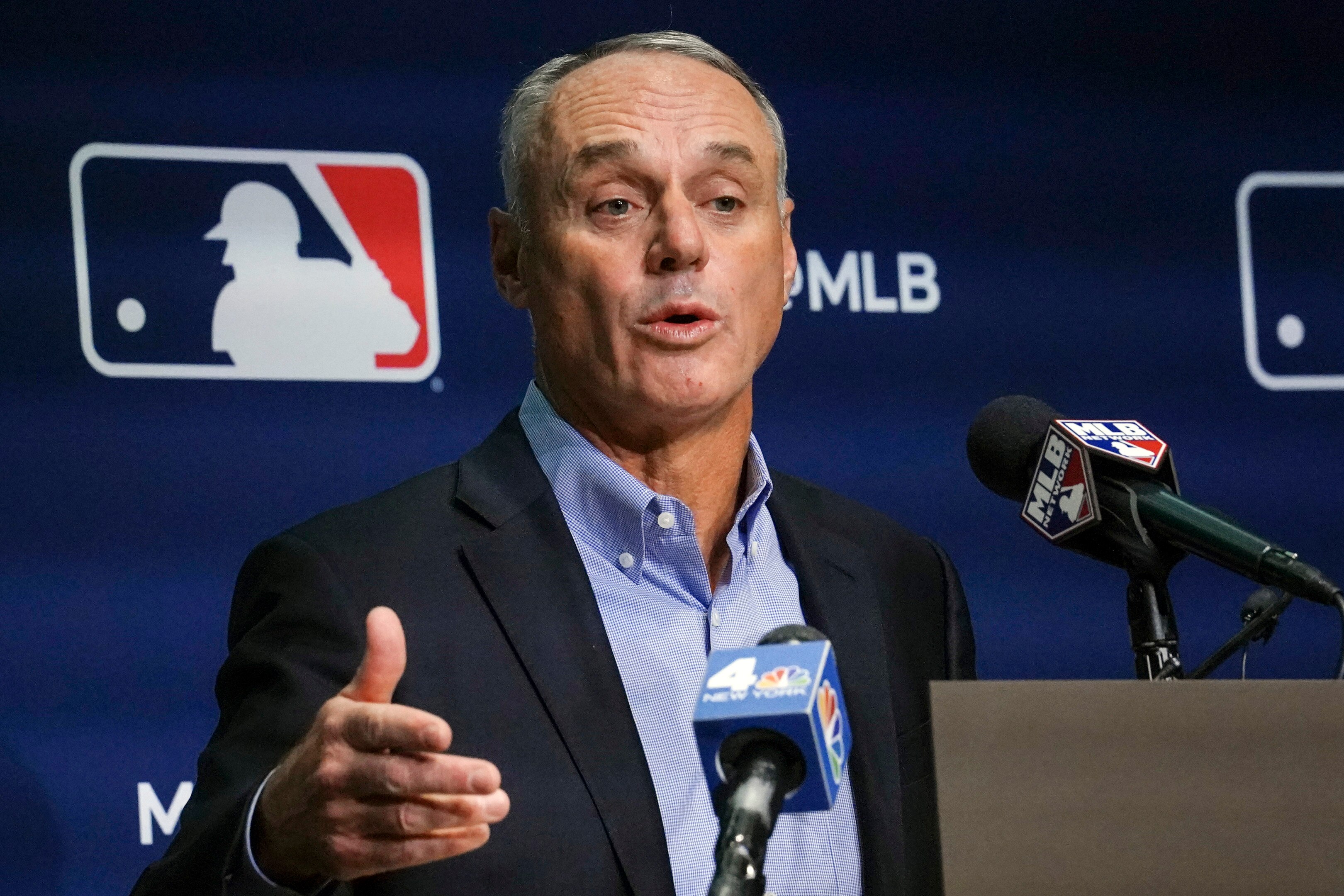
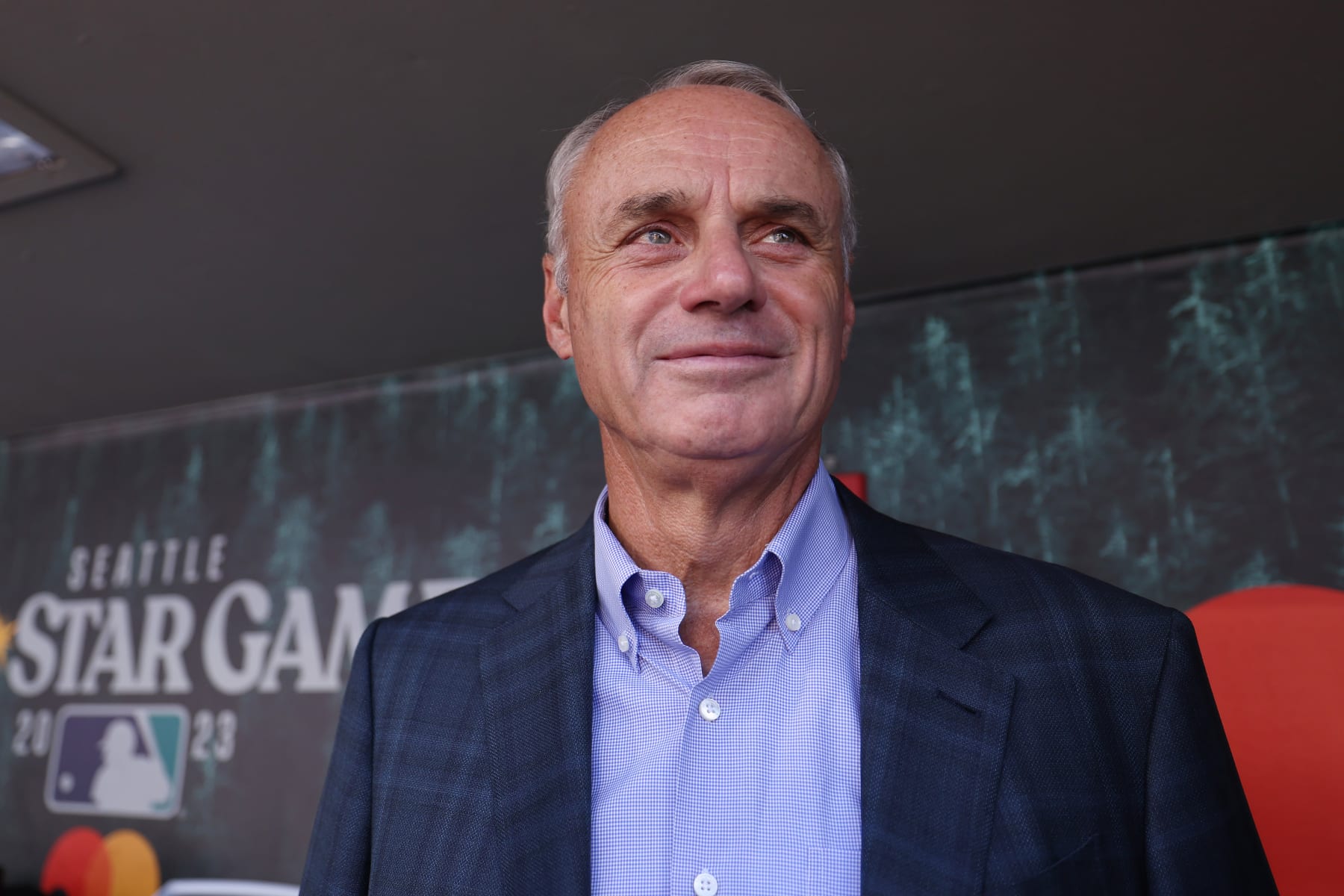
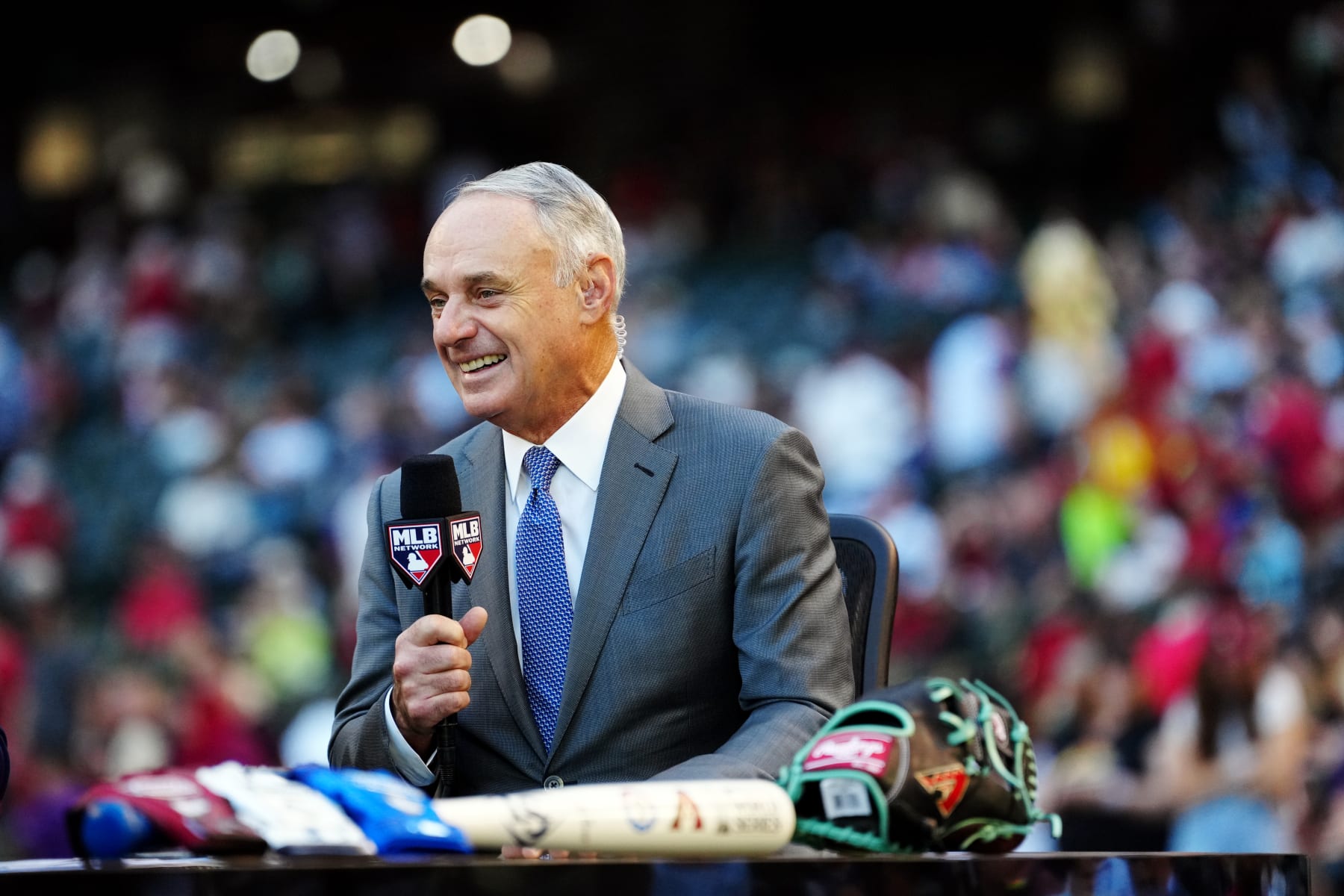
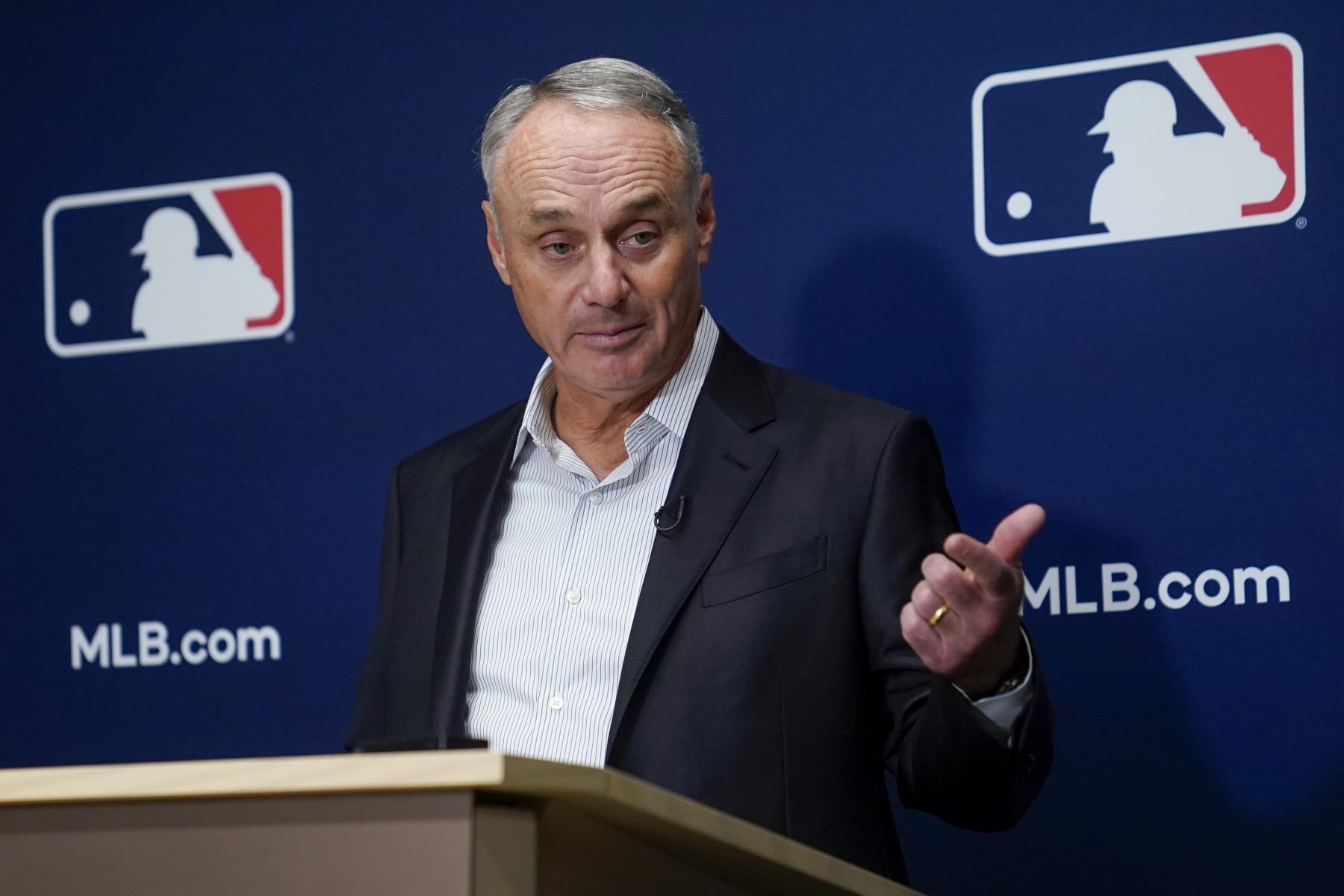
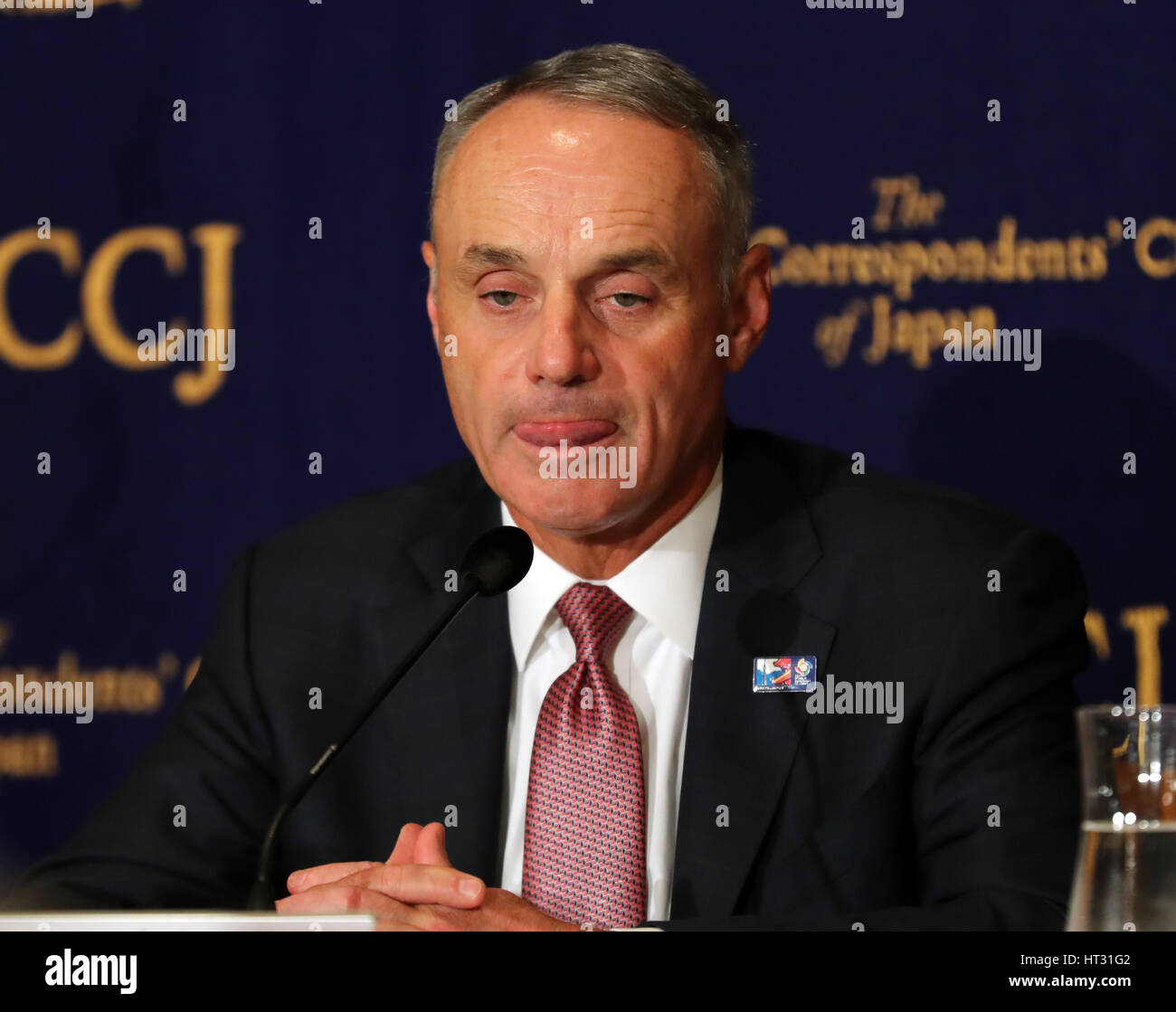
Robert Manfred Jr. the MLB Commissioner: Leadership, Legacy, and the Evolution of Baseball
Robert Manfred Jr. is the 10th Commissioner of Major League Baseball, having served in the role since succeeding Bud Selig in January 2015. His tenure has been defined by aggressive on-field rule changes to improve the pace of play, na...
Robert Manfred Jr. is the 10th Commissioner of Major League Baseball, having served in the role since succeeding Bud Selig in January 2015. His tenure has been defined by aggressive on-field rule changes to improve the pace of play, navigating complex labor relations, and modernizing the sport’s digital media distribution.
Contents
For over a decade, Robert D. Manfred Jr. has stood at the helm of Major League Baseball (MLB), guiding one of the world's most traditional sports through a period of unprecedented structural and cultural change. As of 2026, Manfred is navigating the final years of his tenure, having previously announced his intention to retire when his current term expires in early 2029. His leadership has been a polarizing but undeniable force, characterized by a data-driven approach to marketing the game to younger generations and a firm hand in labor negotiations.
To understand the current state of professional baseball, one must analyze the specific initiatives Manfred has championed, from the implementation of the pitch clock to the league's aggressive pivot toward direct-to-consumer streaming services following the collapse of traditional regional sports networks.
The Professional Background of Robert Manfred Jr.
Before becoming the public face of MLB, Robert Manfred Jr. was a prominent labor lawyer. A graduate of Cornell University’s School of Industrial and Labor Relations and Harvard Law School, Manfred’s expertise in collective bargaining became his primary calling card. He spent years at the firm Morgan, Lewis & Bockius before transitioning into a full-time role within the league office in 1998.
Manfred’s rise through the ranks was fueled by his ability to navigate the contentious relationship between the league and the Major League Baseball Players Association (MLBPA). He served as the Executive Vice President for Labor Relations, where he was instrumental in crafting drug-testing policies and maintaining labor peace following the catastrophic 1994-95 strike. His appointment as Chief Operating Officer in 2013 signaled he was the heir apparent to Bud Selig, and his election as Commissioner in 2014 (taking office in 2015) confirmed the league's desire for a leader who prioritized the business of baseball as much as the game itself.
Modernizing the Game: The "Rules Revolution"
Perhaps the most visible aspect of Manfred’s legacy is the "Rules Revolution" that reached its peak in 2023. Recognizing that the average length of a nine-inning game had ballooned to over three hours, Manfred pushed through a series of technical changes designed to restore the "action" in the game. These changes were not merely aesthetic; they were calculated responses to dwindling attention spans and competition from faster-paced sports.
The Pitch Clock and Pace of Play
The introduction of the pitch clock (15 seconds with bases empty, 20 seconds with runners on) was the most significant change to baseball’s rhythm in a century. Critics initially feared it would destroy the "timeless" nature of the sport, but the results were immediate and statistically significant. In the first year of implementation, game times dropped by an average of nearly 24 minutes. By 2026, the pitch clock is a fundamental part of the sport's identity, viewed by most fans as a necessary evolution that eliminated "dead time."
Defensive Shifts and Base Dimensions
To increase the batting average on balls in play (BABIP) and encourage athleticism, Manfred oversaw the ban on extreme defensive shifts. This required two infielders to be on either side of second base, both feet on the dirt. Simultaneously, the league increased the size of the bases from 15 to 18 inches. While primarily a safety measure to prevent collisions, the larger bases also slightly shortened the distance between bags, leading to a resurgence in the stolen base—a strategic element of the game that had been in decline for decades.
Labor Relations and the 2022 Lockout
Robert Manfred’s tenure has not been without significant friction. His background as a labor lawyer was put to the ultimate test during the 2021–2022 MLB lockout, the first work stoppage in baseball since the mid-90s. The dispute centered on "tanking," service-time manipulation, and the core economics of the game, specifically for younger players who felt undervalued by the existing salary structure.
The eventual agreement, which runs through the end of the 2026 season, introduced the universal Designated Hitter (DH), an expanded postseason (12 teams), and a draft lottery to discourage teams from intentionally losing to secure high picks. While the lockout was a period of high tension, the resulting five-year stability allowed the league to focus on revenue growth and expansion. As 2026 marks the final year of this Collective Bargaining Agreement (CBA), Manfred’s focus has shifted toward ensuring a smooth transition for his eventual successor while maintaining the economic momentum the league has enjoyed post-pandemic.
The Business of Baseball: Media and Revenue
Under Manfred, MLB revenue has climbed to record heights, exceeding $11 billion annually. However, the business model underwent a seismic shift during the mid-2020s. The bankruptcy of Diamond Sports Group and the resulting instability of Regional Sports Networks (RSNs) forced Manfred to lead a digital transformation.
The Shift to Streaming
Recognizing that the "cable bundle" was no longer a viable long-term strategy for local broadcasts, Manfred empowered MLB to take back the broadcast rights for several teams. This led to the creation of team-specific streaming packages that bypassed traditional blackouts—a move long demanded by fans. The Commissioner’s office has increasingly acted as a centralized media entity, producing and distributing games directly to consumers, which has provided more consistent revenue streams for small-market clubs.
Expansion and Relocation
The relocation of the Oakland Athletics to Las Vegas remains one of the most controversial chapters of Manfred’s era. Despite significant pushback from fans in Oakland, Manfred supported the move as a means of securing a modern, revenue-generating stadium in a growing market. With the Vegas situation largely resolved by 2026, Manfred has turned his attention to potential expansion. The league has openly scouted cities like Nashville, Salt Lake City, and Charlotte, with the goal of reaching 32 teams to facilitate a more balanced divisional alignment.
Key Milestones of the Manfred Tenure (2015–2026)
| Year | Milestone | Primary Impact |
|---|---|---|
| 2015 | Assumes Office | Successor to Bud Selig; focuses on youth engagement. |
| 2017 | Astros Sign-Stealing | Landmark investigation into electronic sign-stealing. |
| 2020 | 60-Game Pandemic Season | Navigated the COVID-19 crisis; implemented "Ghost Runner" rule. |
| 2021 | All-Star Game Relocation | Moved game from Atlanta to Denver due to voting law concerns. |
| 2022 | CBA Resolution | Ends 99-day lockout; introduces expanded playoffs. |
| 2023 | Rule Changes | Pitch clock, shift ban, and larger bases implemented. |
| 2024 | Retirement Announcement | Confirms he will step down in January 2029. |
| 2026 | CBA Expiration | Current labor agreement reaches its final season. |
Challenges and Criticisms
Despite the league's financial success, Manfred has faced intense scrutiny regarding his public perception and specific comments. In 2020, he drew widespread ire for referring to the World Series trophy as a "piece of metal" during an interview about the Houston Astros sign-stealing scandal. Although he later apologized, the comment reinforced a narrative among some fans that he viewed the game more as a corporate asset than a cultural institution.
Furthermore, his handling of player discipline and the "sticky stuff" (illegal pitch enhancers) crackdown required multiple adjustments to ensure the rules were enforced fairly without disrupting the flow of the game. Critics often argue that Manfred’s focus on speed and efficiency has come at the expense of the game’s traditional nuances, though proponents point to rising attendance and viewership numbers as proof that his "fan-first" data approach is working.
Frequently Asked Questions
When does Robert Manfred’s term as Commissioner end?
Robert Manfred Jr. is scheduled to retire on January 25, 2029. He confirmed this timeline in early 2024, stating that he wanted to provide the league ample time to identify a successor and ensure a smooth transition of leadership.
What are the main rules Robert Manfred changed in MLB?
Manfred is responsible for the most significant rule changes in modern history, including the pitch clock, the ban on defensive shifts, the permanent adoption of the universal DH, and the "ghost runner" rule (starting a runner on second base during extra innings).
How did the 2022 lockout affect the current MLB landscape?
The 2022 lockout resulted in a Collective Bargaining Agreement that increased the minimum player salary, established a pre-arbitration bonus pool, and expanded the postseason to 12 teams. It also set the stage for the rule changes implemented in 2023.
Is MLB expanding to 32 teams under Manfred?
While expansion has not been finalized as of 2026, Commissioner Manfred has stated that solving the stadium issues for the Oakland Athletics and Tampa Bay Rays was a prerequisite. With those projects moving forward, the league is currently in active discussions regarding the criteria and timeline for adding two new franchises.
How has Manfred handled MLB's television blackout issues?
Manfred has championed the "MLB.TV" platform and has worked to acquire local media rights from failing Regional Sports Networks. His goal is to eliminate local blackouts by offering a unified streaming service where fans can watch their home team regardless of their cable subscription status.
Future Outlook and Next Actions
As the 2026 season concludes the current labor cycle, fans and stakeholders should expect a heavy focus on the next Collective Bargaining Agreement. For those following the business side of the sport, monitoring the league’s progress in Nashville and other expansion candidate cities will be a primary indicator of Manfred’s final "big move."
The legacy of Robert Manfred Jr. will likely be defined by his willingness to break with tradition to save the sport's relevance. Whether he is remembered as a visionary modernizer or a corporate disruptor depends largely on how the "Rules Revolution" continues to age and whether the league can maintain labor peace through the end of the decade. For now, the "Manfred Era" remains a period of high-speed transformation for America's pastime.
Image Gallery