Changing a Life Insurance Beneficiary After Divorce Papers
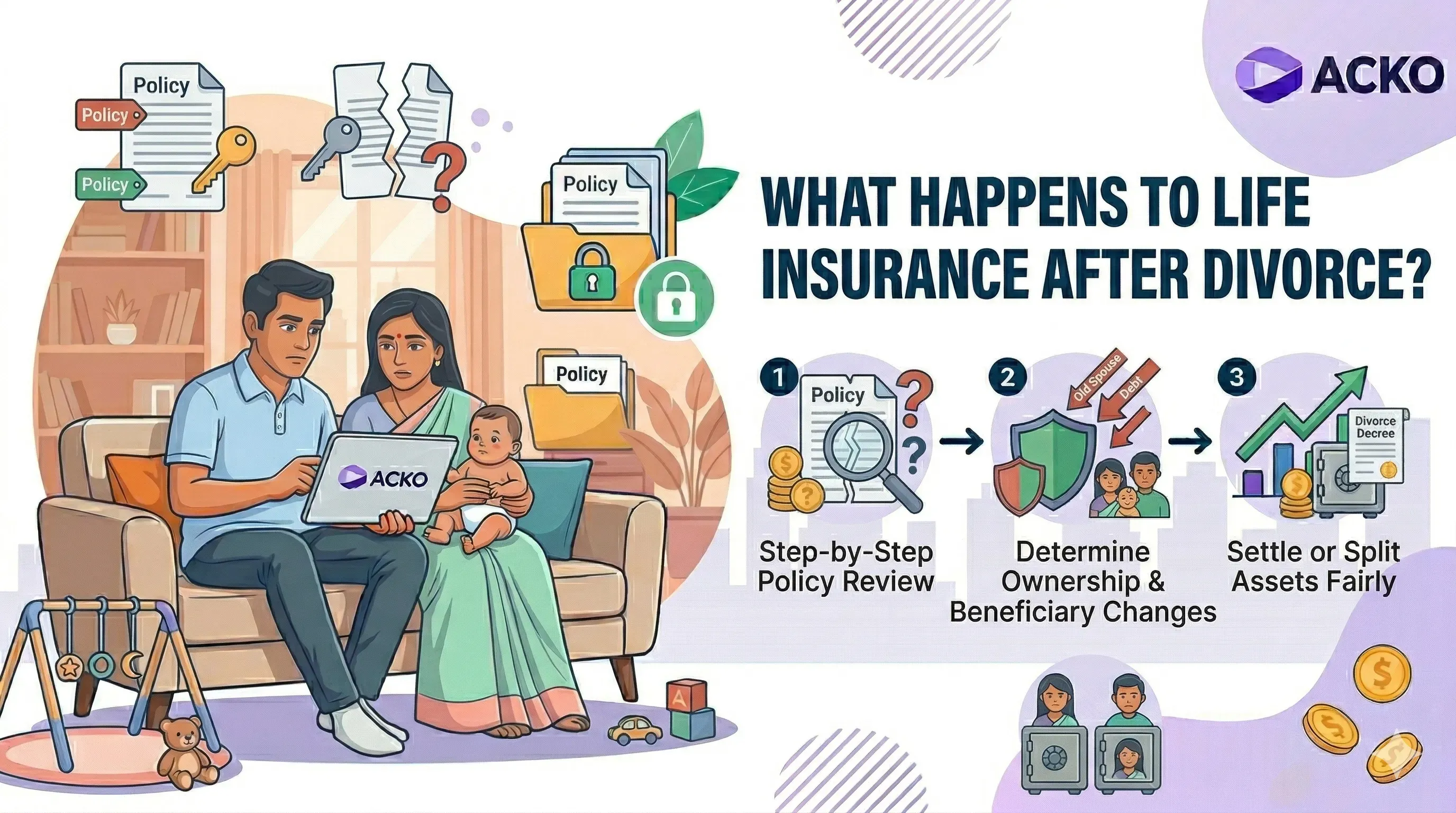
Changing a life insurance beneficiary after divorce papers have been filed or finalized is a critical administrative step that prevents unintended legal and financial consequences. You can generally update a policy by requesting a Chan...
Changing a life insurance beneficiary after divorce papers have been filed or finalized is a critical administrative step that prevents unintended legal and financial consequences. You can generally update a policy by requesting a Change of Beneficiary form from your insurance provider, provided that the policy is not subject to a court-ordered irrevocability or a divorce decree mandate that restricts such changes.
Contents
Understanding the Legal Framework of Beneficiary Designations
Life insurance is a "non-probate" asset. This means that the beneficiary designation on file with your insurance company supersedes the instructions left in your Last Will and Testament. If you fail to update your life insurance beneficiary after a divorce, the insurance company is legally obligated to pay the death benefit to the person named on the policy—even if that person is your ex-spouse.
While many states have "revocation-on-divorce" statutes that automatically invalidate beneficiary designations to an ex-spouse upon the finalization of a divorce, these laws are not universal. Furthermore, they often do not apply to employer-sponsored plans governed by federal law under ERISA (the Employee Retirement Income Security Act of 1974). Relying on state law is risky; taking proactive steps to update your documentation is the only way to ensure your wishes are honored.
Prerequisites Before Modifying Your Policy
Before contacting your insurer, you must verify your legal authority to make the change. Your ability to remove or change a beneficiary may be restricted by several factors that arise during divorce proceedings.
- Review the Divorce Decree: Check your final divorce settlement or court order. Often, judges include a requirement that one spouse maintains life insurance for the benefit of the other spouse (to secure alimony or child support) or for the benefit of minor children. If such a clause exists, you cannot legally remove your ex-spouse without a secondary court order or their written consent.
- Determine Policy Ownership: Confirm whether the policy is individual or employer-provided. Individual policies are generally easier to manage, while employer-provided plans may have specific rules regarding designated representatives.
- Check for Irrevocability: In some cases, a beneficiary may be listed as "irrevocable." If this is the case, you cannot change the beneficiary without the express written permission of the currently named person.
- Confirm Compliance with Court Orders: Ensure that changing the beneficiary will not trigger a "contempt of court" filing. If you are under a court-ordered obligation, you must satisfy that requirement through alternative means (such as a different policy or a trust) before seeking to change the beneficiary on your primary policy.
Step-by-Step Process to Update Your Beneficiary
Once you have verified that no legal restrictions prevent you from making changes, follow these steps to secure your policy.
1. Obtain the Official Change of Beneficiary Form
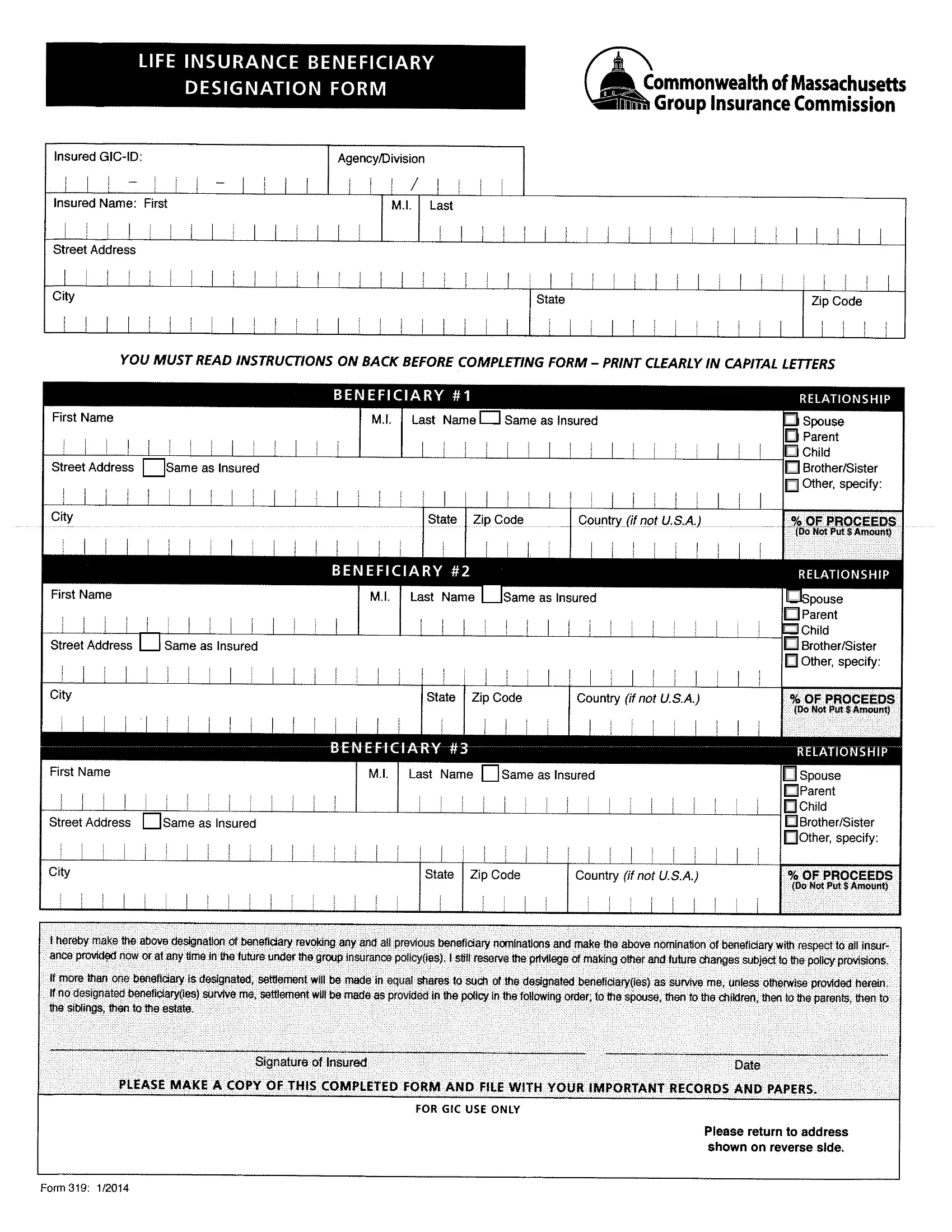
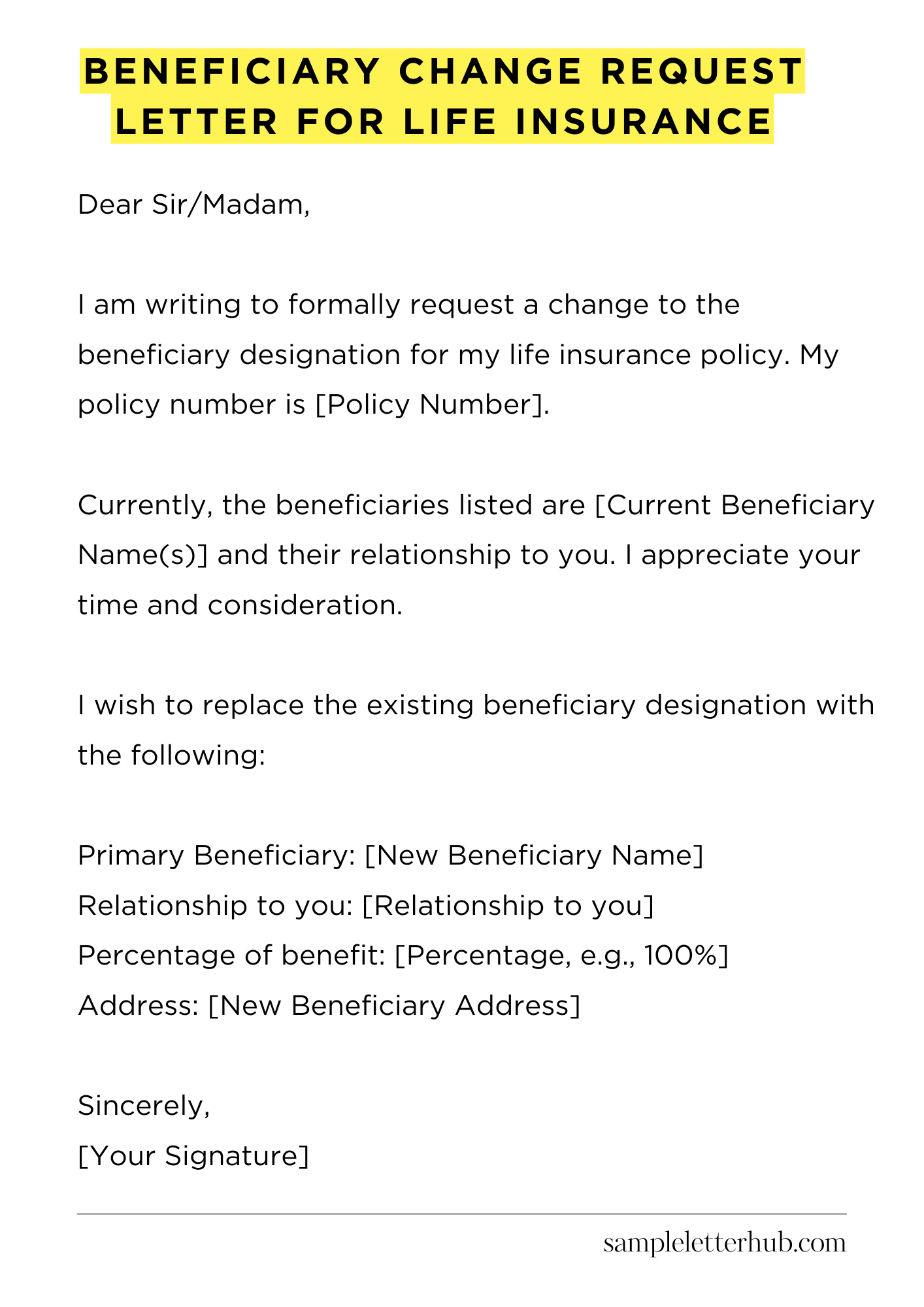
Contact your insurance provider’s customer service department or log in to your secure client portal. Most providers offer a standardized "Change of Beneficiary" form. Do not attempt to draft a letter yourself, as insurance companies typically require their specific administrative forms to process such requests.
2. Identify Primary and Contingent Beneficiaries
When filling out the form, you must distinguish between primary and contingent beneficiaries:
- Primary Beneficiary: The individual or entity that receives the death benefit first.
- Contingent (Secondary) Beneficiary: The individual or entity that receives the death benefit if the primary beneficiary has predeceased the policyholder or refuses the benefit.
- Estate/Trust: You may choose to name a trust as your beneficiary to provide more control over how funds are managed, especially if the new beneficiary is a minor.
3. Submission and Verification
Submit the completed and signed form via the method specified by your insurer (e.g., secure document upload, certified mail, or in-person at an agency office). Always request a written confirmation that the change has been processed.
4. Audit Your Other Accounts
Divorce often necessitates a comprehensive review of all financial instruments. While addressing life insurance, ensure you also update beneficiaries for:
- 401(k) and 403(b) plans
- Individual Retirement Accounts (IRAs)
- Payable-on-Death (POD) bank accounts
- Transfer-on-Death (TOD) brokerage accounts
Comparison of Beneficiary Designation Methods
| Designation Type | Description | Key Advantage |
|---|---|---|
| Individual(s) | Naming specific people (e.g., adult children) | Simplicity; direct distribution to heirs. |
| Revocable Trust | Naming a trust established by the policyholder | Greater control over distribution and terms. |
| Estate | Naming your legal estate | Useful if no individuals are chosen; flows through probate. |
| Minor Children | Naming children under 18 | Requires a court-appointed guardian to manage funds. |
Common Risks and Mistakes to Avoid
The most frequent error individuals make is assuming that the divorce decree itself acts as an automatic "delete" button for all financial accounts. This is a common misconception that leads to protracted litigation between surviving family members and ex-spouses after a death.
Another critical risk is the "gap" period. If you are in the midst of divorce proceedings, you might be tempted to delay updating your beneficiaries until the paperwork is signed. However, if an untimely death occurs during the divorce process, the ex-spouse remains the legal beneficiary on the policy. If you have been ordered to keep the insurance in place for the sake of the children, ensure you explicitly state this in the divorce settlement to avoid ambiguity.
Additionally, avoid naming minor children directly as beneficiaries. Insurance companies cannot pay death benefits directly to minors. This will force a court to appoint a conservator to manage the funds, which involves ongoing legal fees and oversight. Utilizing a trust is a much more efficient mechanism to provide for children in the event of your death.
FAQ: Frequently Asked Questions
Can I change my beneficiary before the divorce is final? Generally, yes, unless there is a temporary restraining order or a specific court injunction prohibiting the transfer or modification of assets. Always consult with your family law attorney before making such changes while divorce papers are pending to ensure you are not violating a status quo order.
What happens if I forget to update my beneficiary? If you do not update the beneficiary, the insurance company will pay the proceeds to the person currently on file. If that person is your ex-spouse, they are legally entitled to the money, and your heirs would face a difficult and expensive legal battle to contest the payout—a battle that is often lost.
Do I need my ex-spouse's permission to change the beneficiary? You generally do not need their permission unless they are listed as an irrevocable beneficiary or the divorce decree mandates that you maintain them as the beneficiary.
Is a death benefit subject to taxes? In most cases, life insurance proceeds are received income-tax-free by the beneficiary. However, if the policy is owned by an estate, or if there are specific estate tax considerations, you should consult with a tax professional regarding your total financial picture.
What if I want to leave my insurance to my children but they are minors? The best practice is to set up a trust for the benefit of your children and name that trust as the beneficiary of the life insurance policy. This allows you to appoint a trustee who will manage the funds according to the terms you set until the children reach an age you deem appropriate for inheritance.
Next Actions and Professional Guidance
If you are currently navigating divorce papers, prioritize an audit of your life insurance coverage as part of your financial settlement. First, obtain a copy of your policy and the current beneficiary designation on file. Second, review your settlement agreement to identify any legal obligations to maintain existing coverage. Third, contact your insurer to process a change of beneficiary as soon as you are legally cleared to do so. Finally, consult with a qualified estate planning attorney or a certified financial planner to ensure your beneficiary choices align with your updated life goals and long-term financial security.
Image Gallery