City of Santos: A Thriving Port with Quiet Growth in 2026
The City of Santos serves as the logistical backbone of Brazil, balancing its status as Latin America’s largest port with a period of steady, high-value urban development. In 2026, the city’s "quiet growth" is defined by massive infras...
The City of Santos serves as the logistical backbone of Brazil, balancing its status as Latin America’s largest port with a period of steady, high-value urban development. In 2026, the city’s "quiet growth" is defined by massive infrastructure breakthroughs, a sophisticated real estate market, and a strategic shift toward sustainable port operations and historical revitalization.
Contents
Santos has long been synonymous with international trade, yet the current decade has seen the city transcend its reputation as a mere industrial hub. By 2026, the convergence of the pre-salt oil industry, the expansion of the light rail (VLT) system, and the realization of the long-awaited Santos-Guarujá tunnel has created a unique economic environment. This growth is described as "quiet" because it avoids the volatile boom-and-bust cycles seen in other emerging markets, favoring instead a model of high-end residential stability and professionalized logistics management.
The Port of Santos: Driving National Prosperity
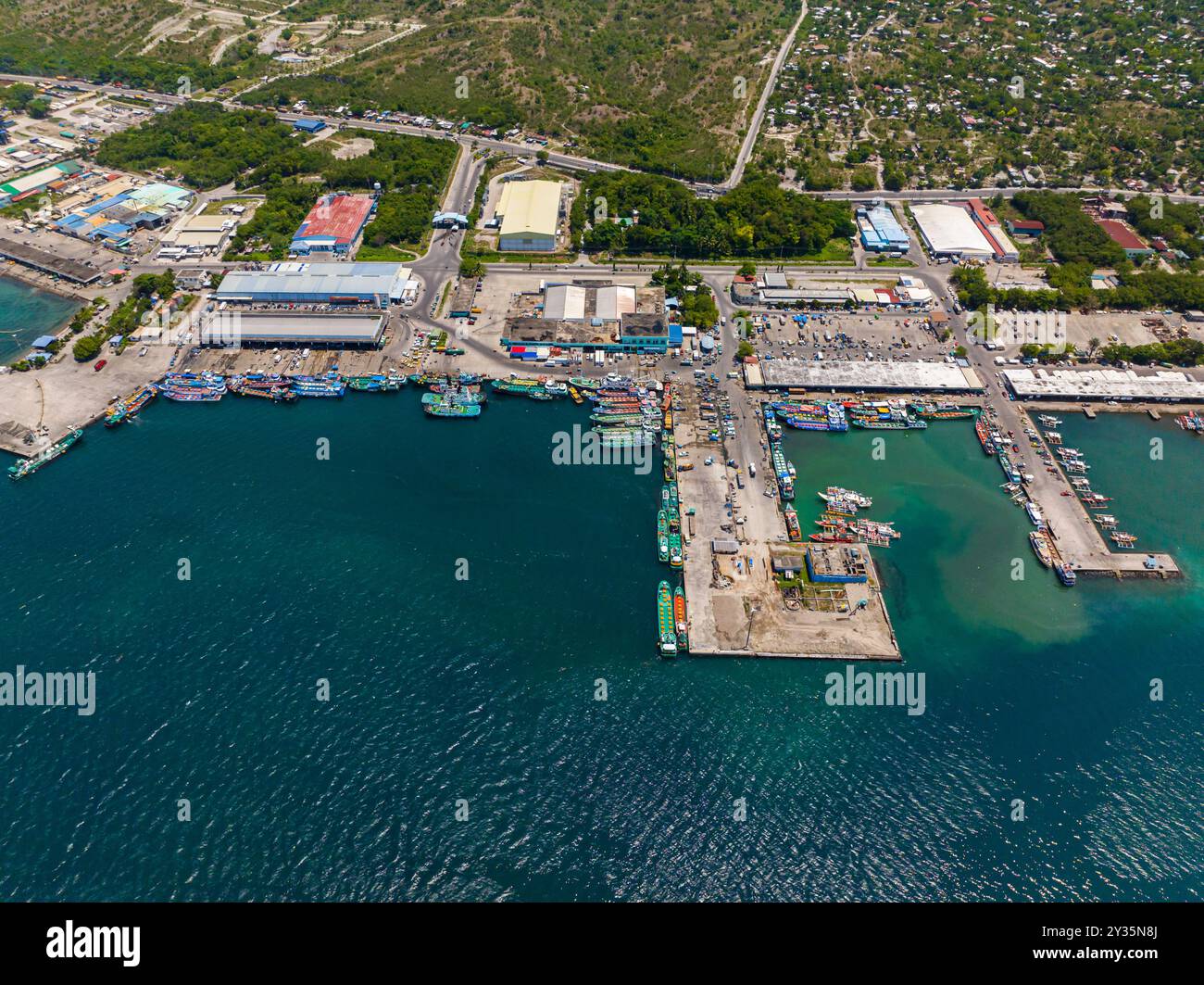
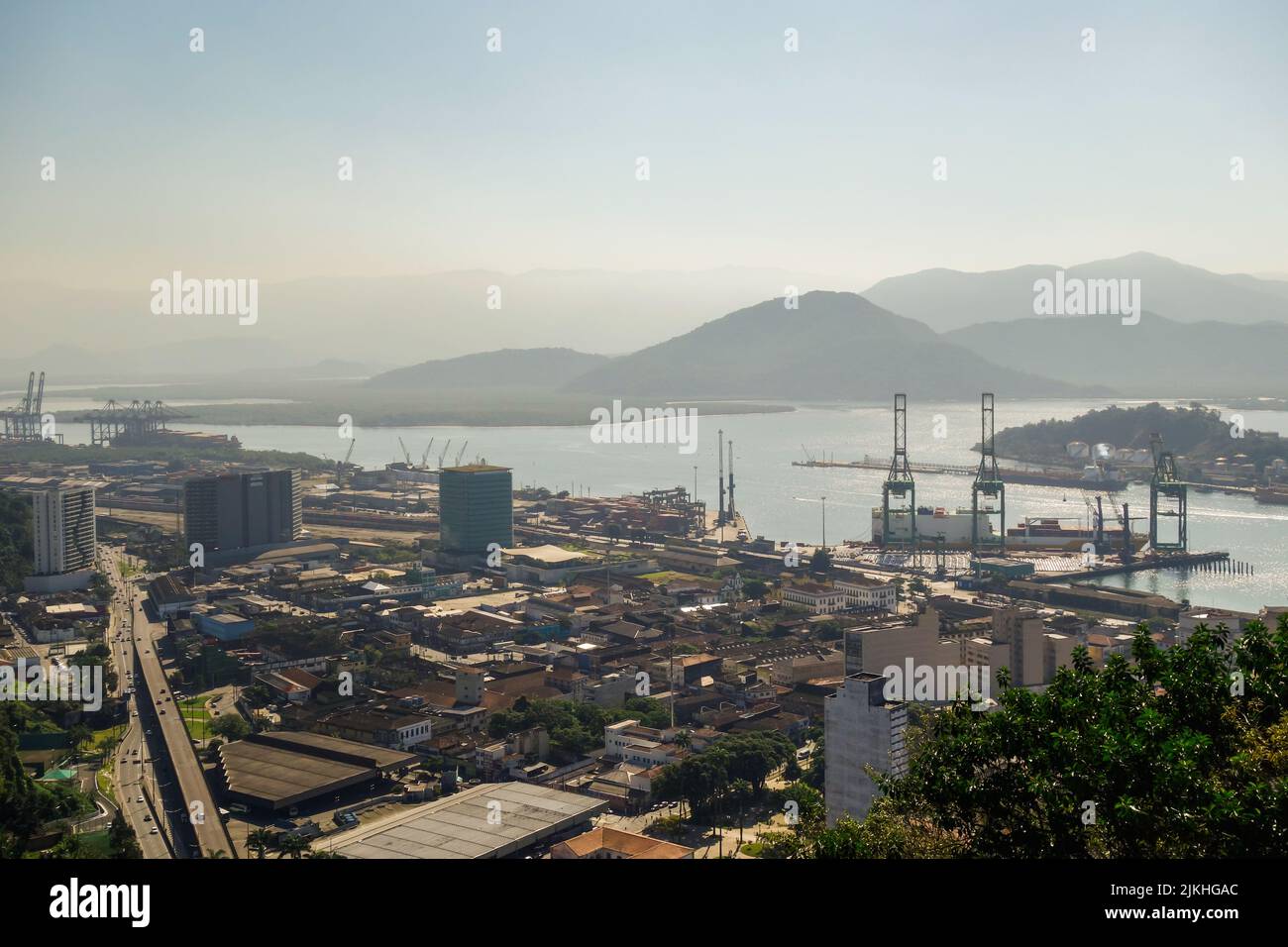
The Port of Santos (Porto de Santos) remains the primary engine of the local and national economy. As of 2026, the port has reached record-breaking throughput levels, handling a significant portion of Brazil's GDP. The transition to more automated, digitalized terminal management has allowed the port to increase efficiency without requiring a massive physical footprint expansion that would encroach further on the city's residential areas.
Container Throughput and Commodity Specialization
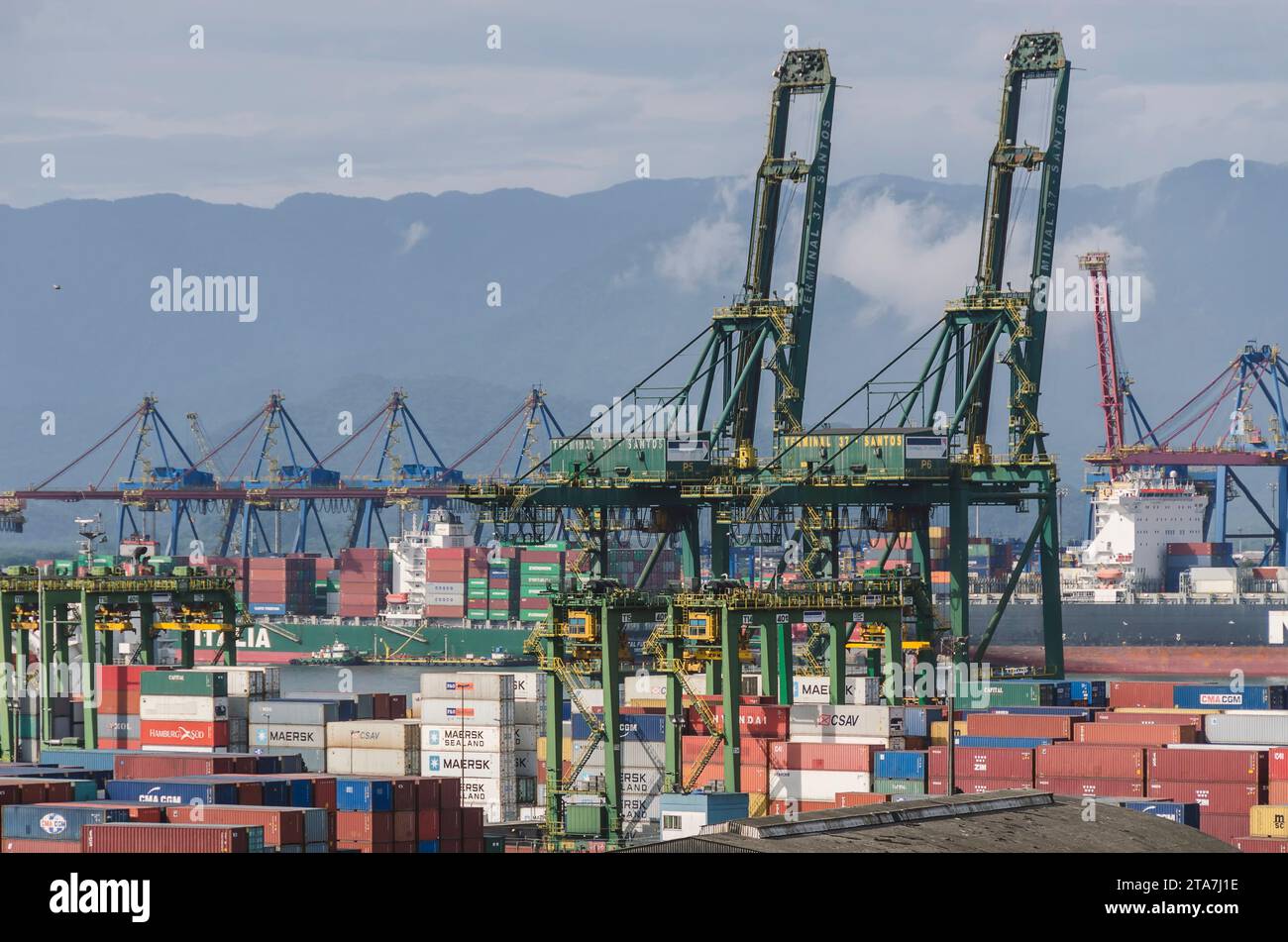
The handling of Twenty-foot Equivalent Units (TEUs) has seen a compound annual growth rate that reflects Brazil's strengthening ties with Asian and European markets. While agribusiness—specifically soy, sugar, and corn—remains the staple of exports, there is a growing sophisticated flow of containerized goods. The STS10 terminal project, which faced several regulatory hurdles in the early 2020s, is now a cornerstone of the port's capacity, offering state-of-the-art docking for "New Panamax" vessels.
The Role of the Santos Port Authority (APS)
Under the current governance model in 2026, the Santos Port Authority (APS) has focused on the "Port-City" relationship. This involves mitigating the environmental and logistical impacts of heavy trucking. The implementation of "smart gates" and synchronized rail-to-ship logistics has significantly reduced the bottlenecking of the Anchieta-Imigrantes highway system, which connects the port to the industrial heartland of São Paulo.
Infrastructure Catalysts: The Santos-Guarujá Tunnel
For nearly a century, the physical separation between Santos and its neighbor, Guarujá, was bridged only by a slow ferry system or a long detour by road. In 2026, the Santos-Guarujá subaquatic tunnel stands as the most significant infrastructure achievement in the region's recent history.
Logistical and Social Impact
The tunnel has fundamentally altered the "quiet growth" trajectory of the city. By providing a direct link between the two banks of the port, it has:
- Reduced Transit Times: Commutes that previously took up to an hour via ferry now take minutes, facilitating a more integrated labor market.
- Enhanced Port Efficiency: Port-related vehicles can now move between terminals on both sides of the estuary without competing with urban traffic or depending on tide-sensitive ferry schedules.
- Real Estate Value Realignment: The "tunnel effect" has spurred development in the northwestern areas of Santos and the mainland areas of Guarujá, which were previously undervalued.
The "Quiet Growth" of the Real Estate Sector
Unlike the rapid verticalization seen in cities like Itapema or Balneário Camboriú, the real estate growth in Santos is characterized by high-end demand and a focus on quality of life. The city consistently ranks among the highest in Brazil for square-meter value, particularly in the beachfront neighborhoods.
Ponta da Praia and the Upscale Shift
Ponta da Praia has undergone a total transformation. Once a quiet residential corner, it is now the epicenter of luxury living in the city. Modern residential towers offer views of the port entrance, turning the industrial activity of the ships into a scenic asset rather than a drawback. These developments cater to high-net-worth individuals from the capital and executives tied to the logistics and oil industries.
Revitalization of the Valongo and the Historic Center
The "quiet" aspect of growth is most visible in the Valongo district. The municipal government has successfully leveraged the Parque Valongo project to reclaim the historic waterfront. By 2026, old warehouses have been converted into cultural spaces, restaurants, and offices for tech startups. This shift has encouraged a "back to the center" movement, where young professionals are moving into renovated historic buildings, supported by the expanded VLT (Light Rail) network.
Economic Diversification and the Pre-Salt Influence
While the port is the main actor, the diversification of the Santos economy provides the "quiet" stability that attracts long-term investment.
- Oil and Gas: The presence of Petrobras and other international energy firms remains strong. Santos serves as a major operational base for the pre-salt explorations in the Santos Basin. This has created a secondary economy of specialized engineering services and maritime support.
- Education and Innovation: The city has become a regional hub for higher education, with specialized courses in maritime law, international trade, and logistics engineering. The "Parque Tecnológico de Santos" (Santos Technology Park) facilitates partnerships between academia and the port industry to develop green energy solutions for shipping.
- Cruise Tourism: The Concais terminal remains one of the busiest in the southern hemisphere. In 2026, the integration of the cruise terminal with the expanded VLT makes it easier for tourists to visit the city's historical sites, such as the Coffee Museum (Museu do Café), without clogging the streets with tour buses.
Key Projects and Economic Indicators (2026 Status)
The following table summarizes the status of major projects contributing to the city's growth and their impact on the local economy.
| Project / Metric | 2026 Status | Primary Economic Impact |
|---|---|---|
| Santos-Guarujá Tunnel | Operational / Final Testing | Drastic reduction in logistics costs and urban traffic congestion. |
| VLT Phase 3 (Center) | Fully Operational | Connected the Port, the Historic Center, and the residential beaches. |
| STS10 Terminal | Operational | Increased container capacity by over 2 million TEUs annually. |
| Parque Valongo | Phase 2 Completed | Transformation of the waterfront into a prime tourism and leisure zone. |
| Average Real Estate Price | Stable Growth (+6-8% p.a.) | Santos maintains one of the highest "Price per Square Meter" in Brazil. |
| Port Decarbonization | 40% Target Reached | Adoption of shore-to-ship power and hydrogen-fueled terminal tractors. |
Challenges and Sustainable Management
Growth, even when "quiet," brings challenges that the city must navigate to maintain its high quality of life.
Environmental Stewardship
The estuary ecosystem is fragile. In 2026, the Port of Santos is under strict federal and municipal oversight to ensure that dredging and terminal expansions do not compromise local biodiversity. The "Green Port" initiative incentivizes ships with lower carbon footprints through reduced port fees, positioning Santos as a leader in sustainable maritime trade in Latin America.
Urban Mobility and the "Last Mile"
As the port grows, the "last mile" of logistics remains a point of friction. The city has invested heavily in rail expansion to ensure that a higher percentage of cargo arrives at the port by train rather than truck. This shift is essential for reducing noise and air pollution in the urban neighborhoods adjacent to the port zone.
Frequently Asked Questions
Is Santos a safe city for investment in 2026?
Santos remains one of the safest cities in the State of São Paulo. Its economy is diversified and backed by essential global trade, making it a resilient choice for real estate and commercial investment. The city's high Human Development Index (HDI) reflects a stable social environment.
How has the Santos-Guarujá tunnel changed the property market?
The tunnel has narrowed the price gap between the two cities. In Santos, it has increased the value of properties in the northwestern zone, while in Guarujá, it has made the mainland areas more attractive for logistics centers and middle-class housing, as the commute to the Santos side is now seamless.
What is the "Quiet Growth" mentioned in the city's profile?
It refers to the city's ability to expand its economy and real estate value through structural improvements and specialized industries (like pre-salt oil and tech-logistics) rather than speculative bubbles. It is a steady, predictable appreciation driven by real infrastructure milestones.
Can I travel easily from São Paulo to Santos in 2026?
Yes, the Anchieta-Imigrantes highway system remains the primary link. Furthermore, the 2026 transportation grid includes improved bus corridors and a more efficient integration with the regional rail networks, though the high-speed rail projects remain in the long-term planning phases.
What role does the Coffee Museum play in the current economy?
The Coffee Museum is more than a historical site; it is the anchor of the historic center’s tourism. It serves as a reminder of the city's heritage while driving foot traffic to the newly revitalized Valongo area, supporting local commerce and the boutique hotel industry.
Next Steps for Stakeholders
For investors, the focus should remain on the "Port-City" interface zones and the revitalized historic center, where property values are expected to catch up with the beachfront averages. For logistics professionals, monitoring the APS digitalization guidelines is crucial for maintaining operational compliance in the increasingly automated terminals. Residents and newcomers should look toward the expansion of the VLT lines as a guide for future mobility and convenience in this thriving coastal powerhouse.
Image Gallery