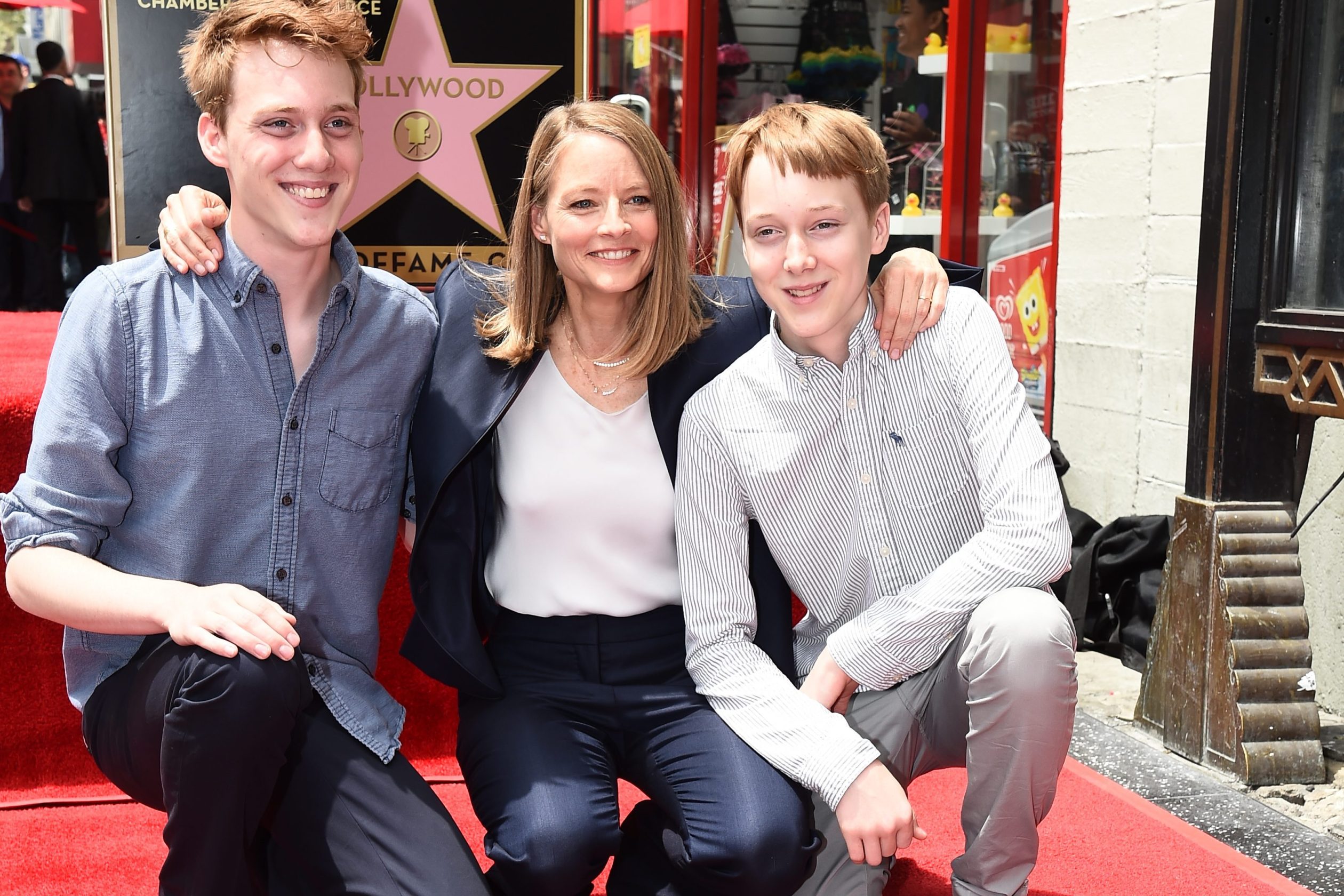
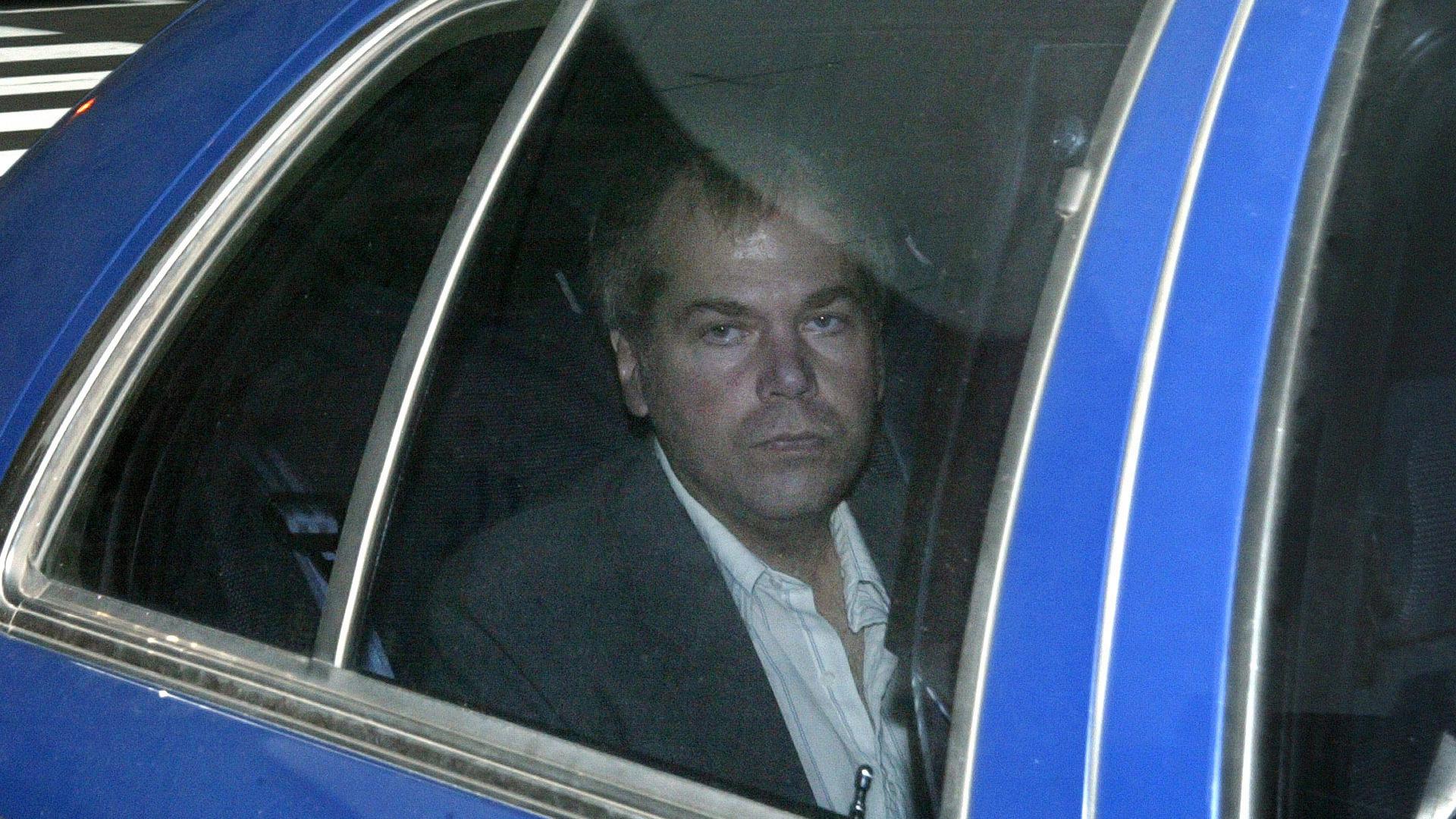
The Enduring Shadow of 1981: Jodie Foster and John Hinckley in the Spotlight
The connection between actress Jodie Foster and John Hinckley Jr. remains one of the most harrowing intersections of celebrity culture and criminal obsession in American history. In 1981, Hinckley attempted to assassinate President Ron...
The connection between actress Jodie Foster and John Hinckley Jr. remains one of the most harrowing intersections of celebrity culture and criminal obsession in American history. In 1981, Hinckley attempted to assassinate President Ronald Reagan in a misguided effort to win Foster's affection, an event that forever altered legal standards for the insanity defense and redefined the boundaries of celebrity privacy.
Contents
The Intersection of Cinema and Obsession
The roots of the 1981 assassination attempt lie not in politics, but in the dark corridors of psychological projection and cinematic influence. In 1976, a young Jodie Foster starred in Martin Scorsese’s Taxi Driver as Iris, a child prostitute. The film’s protagonist, Travis Bickle, is a lonely, alienated veteran who eventually attempts to assassinate a presidential candidate before pivoting to a "heroic" rescue of Iris.
John Hinckley Jr. became pathologically obsessed with the film, watching it more than a dozen times. He began to blur the lines between reality and fiction, eventually identifying with Bickle. By the time Foster enrolled at Yale University in 1980, Hinckley’s obsession had transitioned into active stalking. He moved to New Haven, slipped poems and letters under her door, and contacted her repeatedly by telephone.
Hinckley’s psychological state was later identified by experts as involving erotomania, a delusional disorder where an individual believes another person, usually of higher social status, is in love with them. When his direct overtures failed to elicit a response from Foster, Hinckley decided to replicate the "grand gesture" of the Taxi Driver protagonist. He believed that by assassinating the President of the United States, he would achieve a level of fame equal to Foster's, thereby making them "historical equals" and securing her love.
The Assassination Attempt and Its Immediate Aftermath
On March 30, 1981, Hinckley waited outside the Washington Hilton Hotel. As President Ronald Reagan exited the building following a speech to AFL-CIO representatives, Hinckley fired six rounds from a Röhm RG-14 .22 caliber revolver. The "Devastator" bullets used were designed to explode on impact, though only one did.
The shots struck four people:
- President Ronald Reagan: Hit by a bullet that ricocheted off the presidential limousine, puncturing a lung and causing internal bleeding.
- Press Secretary James Brady: Suffered a devastating head wound that resulted in permanent brain damage and partial paralysis.
- Police Officer Thomas Delahanty: Struck in the neck.
- Secret Service Agent Timothy McCarthy: Took a bullet to the abdomen while shielding the President.
In the immediate chaos, the spotlight shifted violently toward the nineteen-year-old Jodie Foster. While she had no connection to Hinckley and was a victim of his stalking, the media coverage inextricably linked her name to the crime. This "spotlight" was not one of acclaim, but of intrusive scrutiny that forced a young college student to navigate national trauma while under the gaze of the global press.
Jodie Foster's Response: A Life Under Scrutiny
For Jodie Foster, the assassination attempt was a profound trauma that threatened her career and personal safety. In the months following the shooting, she was forced to testify via a videotaped deposition for Hinckley’s trial, a process she described as deeply unsettling. At Yale, she was followed by bodyguards and faced constant questioning from journalists who sought to find "her side" of a story she never asked to be part of.
In 1982, Foster penned a courageous and rare essay for Esquire magazine titled "Why Me?" In it, she detailed the emotional toll of the event and her desire to be seen as an individual rather than a "symbol" of Hinckley's delusion. Following that publication, Foster largely maintained a "wall of silence" regarding the event, refusing to discuss Hinckley in interviews for decades.
This tactical silence allowed her to reclaim her identity. Instead of being defined by the 1981 tragedy, she went on to win two Academy Awards for Best Actress—for The Accused (1988) and The Silence of the Lambs (1991). By 2026, her legacy is firmly rooted in her prowess as a director and actress, though the historical footnote of Hinckley remains a subject of academic and true-crime interest.
The Trial and the Insanity Defense Reform
The trial of John Hinckley Jr. in 1982 became a landmark in American jurisprudence. His legal team argued that he was suffering from schizophrenia and was not legally responsible for his actions. When the jury returned a verdict of not guilty by reason of insanity (NGRI), the American public was outraged.
The perception that a man could shoot the President on live television and "get away with it" led to immediate legislative action. This resulted in the Insanity Defense Reform Act of 1984, which fundamentally changed federal law in three ways:
- Shifted the Burden of Proof: Previously, the prosecution had to prove the defendant was sane. The new law required the defense to prove the defendant was insane by "clear and convincing evidence."
- Stricter Standards for Insanity: It narrowed the definition of insanity, requiring a "severe mental disease or defect" that rendered the defendant unable to appreciate the nature and quality or the wrongfulness of their acts.
- Limited Expert Testimony: It prohibited expert witnesses from testifying as to whether the defendant did or did not have the "ultimate" mental state required for the legal standard of insanity.
| Feature | Pre-1984 Federal Standard | Post-1984 Federal Standard (Current) |
|---|---|---|
| Burden of Proof | On the Prosecution | On the Defendant |
| Standard of Proof | Beyond a Reasonable Doubt | Clear and Convincing Evidence |
| Definition | "Lacked substantial capacity to conform conduct" | "Unable to appreciate the wrongfulness of acts" |
| Expert Witness Role | Could offer "ultimate issue" opinions | Prohibited from "ultimate issue" opinions |
John Hinckley Jr.’s Path to Freedom (2022–2026)
Following the 1982 verdict, Hinckley was committed to St. Elizabeths Hospital in Washington, D.C. For over thirty years, he underwent intensive psychiatric treatment. Starting in the mid-2000s, the court began granting him gradually increasing freedoms, including supervised visits to his mother’s home in Virginia, eventually leading to full-time convalescent leave.
On June 15, 2022, John Hinckley Jr. was officially released from all court-ordered oversight and restrictions. The presiding judge, Paul L. Friedman, noted that Hinckley had shown no symptoms of active mental illness for decades and no longer posed a threat to society.
By 2026, Hinckley has lived as a private citizen for four years. His post-release life has been characterized by an attempt to pivot toward a career in music and art. He maintains a presence on social media platforms, sharing original songs and paintings. While he has attempted to book live concerts, many venues have canceled his performances due to security concerns or public backlash. His presence in the spotlight in 2026 is a controversial reminder of the complexities of rehabilitation, mental health recovery, and the lasting impact of violent crime.
Historical and Legal Legacy
The connection between Foster and Hinckley serves as a case study in several fields:
1. The Protection of Public Figures
The 1981 shooting led to significant changes in Secret Service protocols and celebrity security. The "lone wolf" stalker became a recognized threat profile, leading to the development of specialized threat assessment units within law enforcement agencies like the Los Angeles Police Department’s Threat Management Unit (established in 1989).
2. Media Responsibility
The intense pressure placed on Jodie Foster sparked debates about the ethics of "victim-blaming" in media coverage. It highlighted the need for journalists to separate a victim's professional life from the actions of a criminal who claims inspiration from their work.
3. The James Brady Legacy
The shooting’s most tangible legislative legacy is the Brady Handgun Violence Prevention Act, signed into law in 1993. James Brady and his wife, Sarah, became tireless advocates for gun control, and the "Brady Bill" mandated federal background checks and a five-day waiting period for handgun purchases.
Frequently Asked Questions
Did Jodie Foster ever meet John Hinckley Jr.?
No. Jodie Foster has never met John Hinckley Jr. in person. His "relationship" with her was entirely one-sided and delusional, based on his stalking and his obsession with her film roles.
What was John Hinckley Jr.'s diagnosis during his trial?
Psychiatrists at the time offered varying diagnoses, including schizophrenia, schizoid personality disorder, and erotomania. The defense successfully argued that these conditions prevented him from understanding the wrongfulness of his actions at the time of the shooting.
Is John Hinckley Jr. allowed to contact Jodie Foster now?
While his formal court-ordered restrictions ended in 2022, any attempt to contact Foster would likely be met with immediate legal action, such as a restraining order. As a private citizen, he is subject to the same stalking and harassment laws as anyone else, and any move to renew his obsession would likely be viewed as a violation of his "rehabilitated" status.
How did the assassination attempt affect Ronald Reagan’s presidency?
The shooting significantly boosted Reagan's popularity. His grace and humor under pressure—such as telling surgeons, "I hope you are all Republicans"—endeared him to the American public and provided him with the political capital to pass significant portions of his economic agenda.
Where is Jodie Foster in 2026?
In 2026, Jodie Foster remains a highly respected figure in Hollywood. Following her acclaimed performance in the fourth season of True Detective and other recent projects, she continues to focus on directing and producing, while remaining a staunch advocate for the privacy of young actors entering the industry.
Practical Recommendation for Further Research
For those interested in the legal and psychological nuances of this case, the National Archives provides digitized records of the Reagan administration's response to the shooting. Additionally, the Department of Justice archives contain detailed reports on the Insanity Defense Reform Act of 1984. Understanding this event requires looking beyond the sensationalism and examining the profound legislative shifts it triggered in American society.
Image Gallery