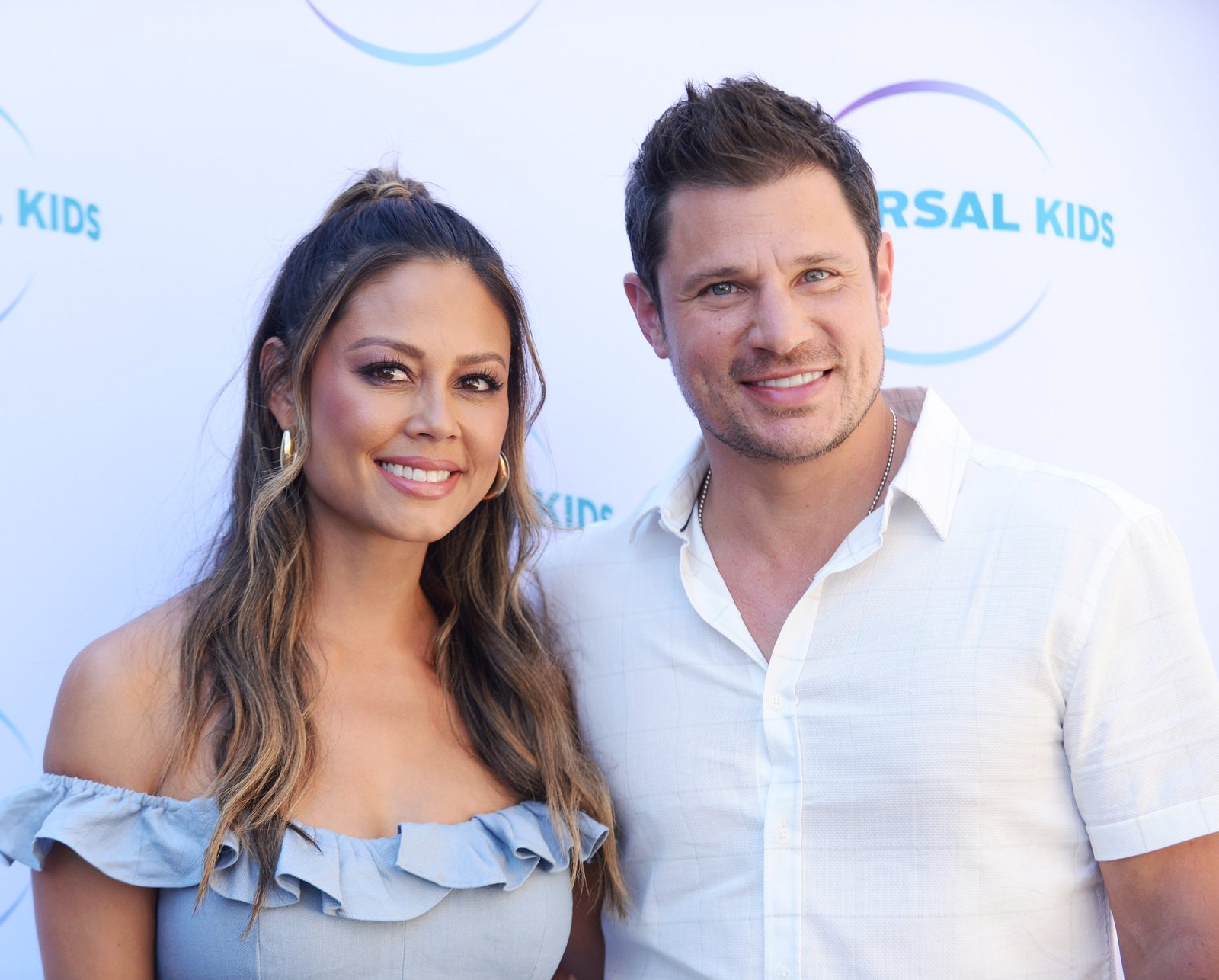
Understanding the Katushka and Nick Lachey Crossover: A Cultural and Media Analysis
The "Katushka and Nick Lachey crossover" refers to a specific, high-profile convergence of digital content creation and mainstream celebrity media that occurred in the mid-2020s. This intersection matters because it exemplifies the shi...
The "Katushka and Nick Lachey crossover" refers to a specific, high-profile convergence of digital content creation and mainstream celebrity media that occurred in the mid-2020s. This intersection matters because it exemplifies the shifting power dynamics between traditional broadcast celebrity, such as Nick Lachey’s long-standing television career, and the rapidly scaling influence of niche digital creators like Katushka, who represent the new guard of audience engagement.
Contents
The Evolution of Celebrity Integration
To understand why this collaboration was significant, one must first recognize the professional background of the individuals involved. Nick Lachey has functioned as a staple of American pop culture since his tenure in 98 Degrees, later cementing his status as a television personality and host for major network reality programs. His professional trajectory has historically been managed through traditional public relations, network contracts, and terrestrial media appearances.
In contrast, Katushka represents the modern iteration of the internet-native creator. Building an audience through algorithmic-driven content platforms, creators of this caliber command highly specific, intensely loyal demographics. When these two worlds intersect, it signals a deliberate pivot by legacy entertainers to capture the "Attention Economy" that exists outside of cable television and streaming platforms. This crossover is not merely a promotional stunt; it represents a tactical shift in how legacy stars remain relevant by leveraging the hyper-engaged audiences curated by digital influencers.
The Mechanics of the Crossover
The crossover functioned as a bridge between two distinct audience segments: the "Gen X/Millennial" television demographic and the "Gen Z/Alpha" social media demographic. In 2026, the value of such a collaboration lies in the transfer of authority.
- Audience Diversification: By engaging with digital-native platforms, Lachey gained access to data-driven insights and demographics that are traditionally difficult for network television to reach.
- Brand Credibility: Conversely, for the creator, the partnership with an established figure like Lachey provides a "legacy stamp" of approval. This acts as a bridge to mainstream traditional advertising markets that may still be skeptical of internet-only influence.
- Content Hybridization: The nature of the crossover involved blending high-production-value traditional media segments with the raw, direct-to-camera style of modern creator content. This hybrid format is increasingly becoming the industry standard for celebrity marketing.
Comparing Traditional Media vs. Digital Creator Influence
The following table highlights the structural differences between these two media models and why their crossover creates a unique market advantage.
| Feature | Legacy Media (Nick Lachey) | Creator Media (Katushka) |
|---|---|---|
| Audience Reach | Mass, heterogeneous, broadcast | Niche, homogeneous, algorithmic |
| Engagement | Passive viewership | High-frequency interaction |
| Production Cycle | Long-form, highly edited | Rapid, continuous, iterative |
| Monetization | Licensing, endorsements, salary | Affiliate marketing, creator funds |
| Trust Model | Institutional authority | Relatability and community trust |
Why This Matters for Modern Media Strategy
The significance of this crossover lies in its role as a case study for "Influence Portability." In 2026, celebrity power is no longer measured solely by a household name. It is measured by the ability to pivot between platforms seamlessly. The Katushka and Nick Lachey interaction demonstrated that even established television veterans must now operate with the speed and conversational tone of digital creators to maintain relevance.
Furthermore, this collaboration serves as a blueprint for future brand partnerships. Marketing departments are moving away from monolithic celebrity endorsements, which are increasingly viewed as impersonal. Instead, they are favoring "co-creations," where the celebrity does not just provide a face for a brand but engages in content production with someone who already understands the local vernacular and cultural triggers of the target digital audience.
Addressing Common Misconceptions
A common error in evaluating such crossovers is to assume they are organic, spontaneous occurrences. In reality, these interactions are the product of rigorous brand management. For the audience, the "matter" of the crossover is the entertainment value, but for the industry, it is a test of interoperability between two different modes of media consumption.
Another misconception is that the crossover indicates a decline in traditional media. Rather than a decline, it is an evolution. Traditional stars are using these crossovers to deconstruct their "celebrity mask," offering a more humanized, behind-the-scenes version of themselves that resonates more deeply in an era where audiences prioritize authenticity over polish.
Frequently Asked Questions
What exactly is the "Katushka and Nick Lachey crossover"? It is a documented collaboration where traditional broadcast personality Nick Lachey participated in content formats popularized by the digital creator Katushka. It serves as a benchmark for how television celebrities adapt to digital-first audience consumption habits.
Is this collaboration a long-term partnership or a one-time event? As of 2026, such crossovers are generally treated as high-impact, short-term campaigns designed to leverage the audience crossover for specific launch windows or brand activations, rather than long-term career shifts.
How does this impact the future of celebrity marketing? It validates the strategy of "creator-led celebrity," where the power of a legacy name is paired with the tactical community-building skills of a digital creator to achieve maximum visibility across both demographics.
Are there legal requirements for this type of content? Yes, all collaborative content in 2026 must adhere to regional advertising standards, such as clear disclosures of the partnership if there is an exchange of value. This remains a critical component of professional collaborations.
How can I identify similar crossovers in the future? Look for "bridge content"—media where a household television name appears on a non-traditional platform without the typical guardrails of network PR. These instances often signal a strategic attempt to capture digital-native engagement.
Strategic Conclusion
The Katushka and Nick Lachey crossover is a vital reference point for understanding the current state of media convergence. For those looking to replicate this success, the lesson is clear: relevance in 2026 is defined by your ability to move across platforms and engage with the native language of the internet. The next action for brands or creators is to focus on "co-creation" over "endorsement," ensuring that both parties bring their unique assets—reach and community—to the table in a way that feels additive rather than extractive.
Image Gallery