The Irish Potato Blight and Its Legacy: A Historical and Scientific Analysis
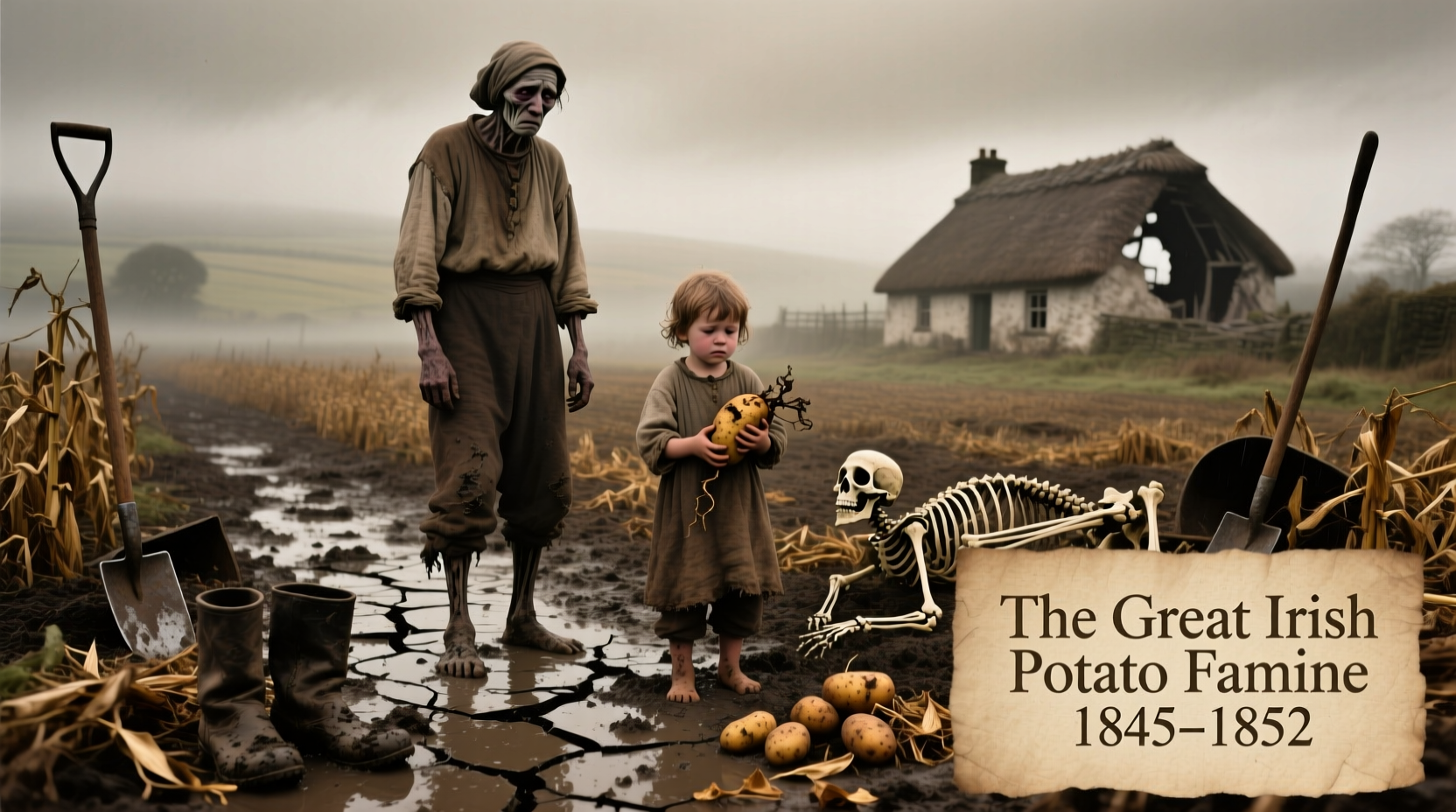
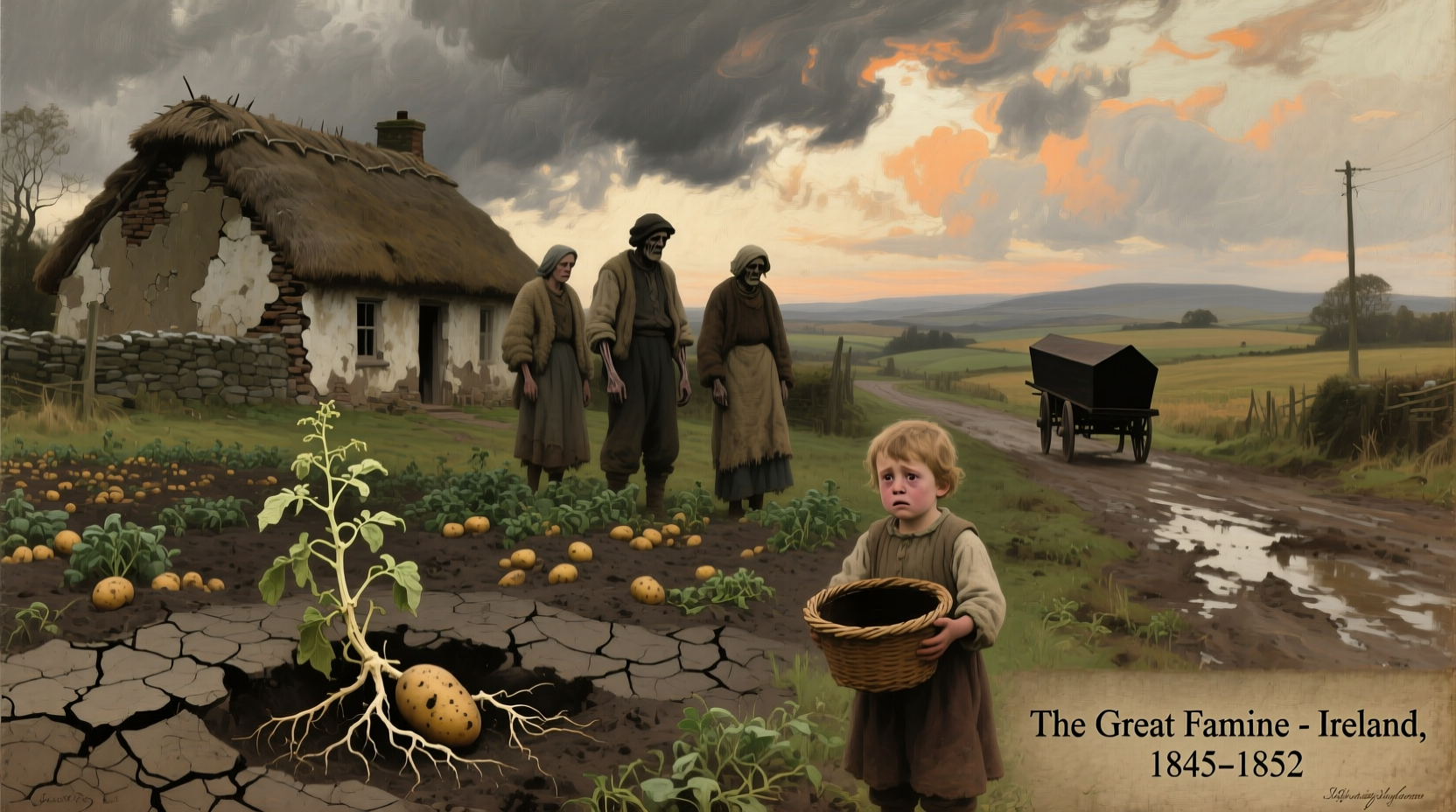
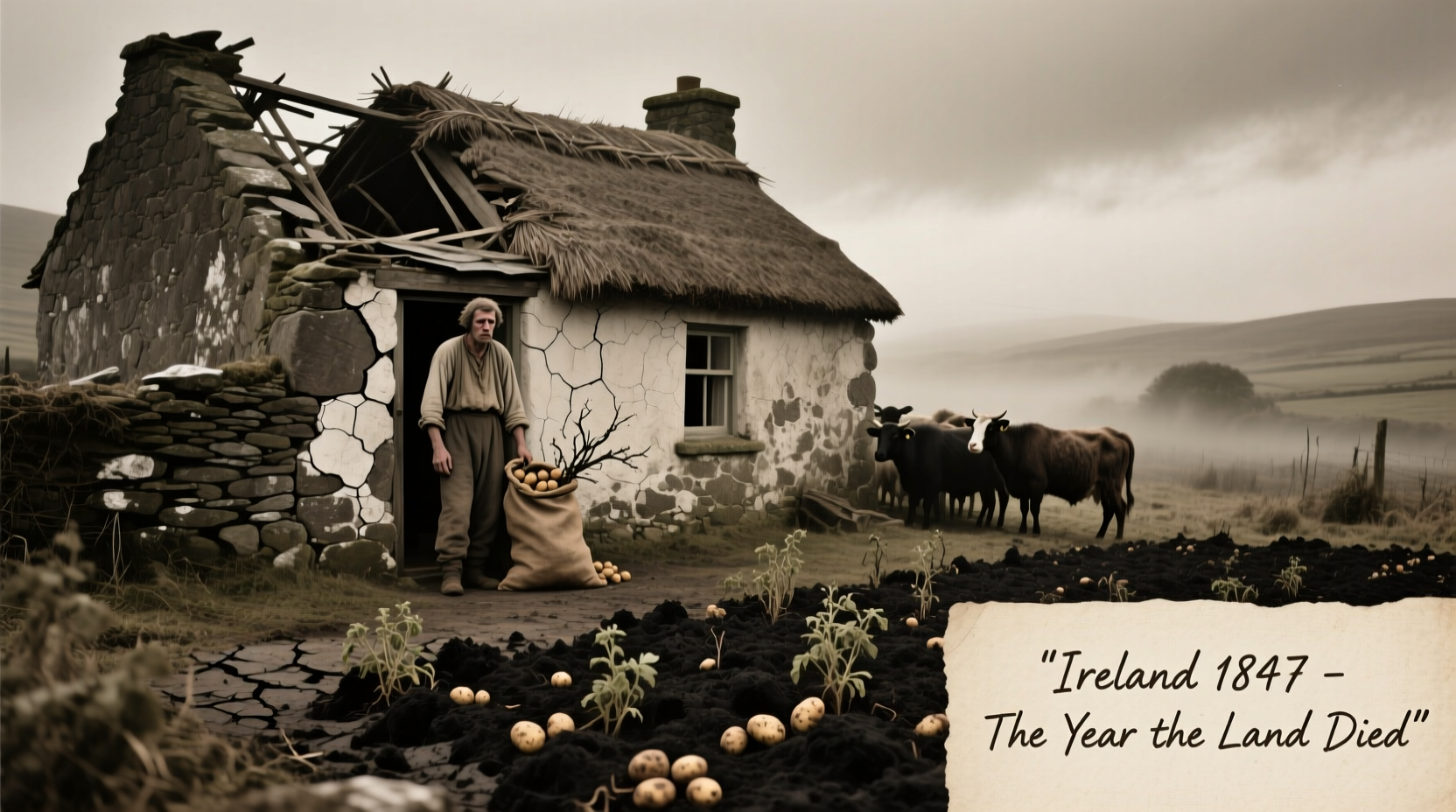
The Irish Potato Blight, caused by the oomycete Phytophthora infestans, triggered the Great Famine (1845–1852), resulting in the deaths of approximately one million people and the mass emigration of another million. Its legacy remains...
The Irish Potato Blight, caused by the oomycete Phytophthora infestans, triggered the Great Famine (1845–1852), resulting in the deaths of approximately one million people and the mass emigration of another million. Its legacy remains etched in global demographics, agricultural science, and the socio-political evolution of Ireland, marking a permanent shift in how societies approach food security and plant pathology.
Contents
Biological Origins and the Onset of the Blight
The blight was caused by Phytophthora infestans, a water mold that thrives in cool, damp conditions. This pathogen is not a true fungus but an oomycete, which reproduces rapidly via zoospores that swim through water films on plant surfaces to reach the potato tubers. When it arrived in Ireland in 1845, it encountered a perfect ecological environment: a cool, rainy climate and a genetic bottleneck.
In the mid-19th century, Irish agriculture was heavily dependent on a single variety of potato known as the "Lumper." This genetic uniformity meant that the entire national crop lacked resistance to the pathogen. When the spores arrived—likely via transatlantic trade routes from the Americas—the lack of biological diversity allowed the blight to spread with unprecedented speed, turning healthy, edible tubers into rotting, inedible black mush within days.
Socio-Economic Foundations of the Famine
The impact of the blight was exacerbated by the rigid socio-economic structure of colonial Ireland. The majority of the Catholic population lived as tenant farmers on small plots of land owned by absentee British landlords. To pay rent, they sold grain and livestock to export markets, leaving the potato as the only viable crop for subsistence.
This "monoculture of dependence" was not merely a poor farming choice but a survival strategy necessitated by the Penal Laws and subsequent land-tenure systems that limited land ownership and forced peasants onto small, marginal patches of soil. When the potato failed, the subsistence base of the rural population vanished, leaving millions with no alternative income or food source.
The Scope of the Crisis
The human toll of the Great Famine (known in Irish as An Gorta Mór) remains one of the most significant demographic disasters in modern history. Beyond the immediate death toll, the crisis fundamentally altered the Irish social fabric through three primary mechanisms:
- Mass Emigration: The flight from the famine led to the establishment of massive Irish diasporas in the United States, Canada, Australia, and Great Britain, permanently shifting the demographic center of the Irish identity outside of Ireland.
- Land Tenure Reform: The loss of life and the subsequent inability of impoverished tenants to pay rent contributed to the gradual collapse of the old landlord system, leading to eventually successful movements for "Land League" reforms and eventual independence.
- Linguistic Erosion: The Irish language (Gaeilge) was decimated as the poorest, most famine-stricken rural areas—where the language was strongest—suffered the highest mortality and emigration rates.
Scientific Advancements in Plant Pathology
The legacy of the potato blight in the scientific community is as profound as its social impact. It forced the realization that plant diseases could cause total economic and societal collapse. Anton de Bary, a German botanist, famously identified P. infestans as the causal agent of the blight in 1861. This discovery is widely considered the foundational moment of modern plant pathology.
Researchers today use the Irish famine as a critical case study for "biosecurity" and the dangers of extreme genetic uniformity in crops. Modern breeding programs prioritize the introduction of wild genetic traits into commercial cultivars to ensure that a single pathogen cannot wipe out an entire nation's food supply.
Comparative Impacts of Agricultural Failure
| Event | Primary Cause | Main Affected Region | Long-Term Consequence |
|---|---|---|---|
| Irish Potato Blight | Phytophthora infestans | Ireland | Mass emigration & political independence |
| Great Bengal Famine | Policy/Drought | India | Shift in colonial governance |
| Southern Corn Leaf Blight | Cochliobolus heterostrophus | USA | Implementation of diverse hybrids |
Modern Management and Ongoing Research
As of 2026, Phytophthora infestans remains a significant threat to global potato production. While we now have fungicides and better monitoring systems, the pathogen continues to evolve, developing resistance to chemical treatments.
Current agricultural strategies focus on:
- Integrated Pest Management (IPM): Combining crop rotation, resistant cultivars, and targeted chemical applications to reduce the pathogen's ability to adapt.
- Genome Sequencing: Scientists use the historical data from the 1845 samples—when available—alongside modern genome mapping to track the migration and mutation patterns of the blight.
- Global Monitoring: International networks track weather patterns and spore movement to provide early warnings to farmers in temperate climates.
Frequently Asked Questions
1. Was the Irish Potato Blight a natural event or a man-made disaster? It was a biological event triggered by a natural pathogen, but it became a disaster due to political and social policies. The lack of land reform and the forced reliance on a single crop rendered the population helpless when the disease arrived.
2. Why did the blight affect only Ireland so severely? While the blight occurred throughout Europe, Ireland’s unique economic structure meant that a much higher percentage of its population relied exclusively on the potato for survival. In other nations, diverse agricultural systems provided a safety net that Ireland lacked.
3. Does the blight still exist in 2026? Yes, Phytophthora infestans is still present globally. It continues to cause significant losses in commercial potato and tomato crops, requiring constant vigilance and advanced agricultural biotechnology to manage.
4. How did the blight change the Irish language? The famine targeted the poorest, rural western regions of Ireland, which were the final strongholds of the Irish language. The resulting death and emigration caused a sharp, permanent decline in the number of native Irish speakers.
Moving Forward: Lessons for Global Food Security
The most critical takeaway from the blight is the danger of agricultural monocultures. Global food systems in 2026 are increasingly integrated, and while this improves efficiency, it also increases the risk of large-scale systemic failures. Protecting against future "blights" requires a commitment to biodiversity, investment in resistant crop varieties, and robust international cooperation in monitoring plant health. Maintaining this focus is essential to ensuring that localized biological challenges do not spiral into modern humanitarian crises.
Image Gallery