Roger Federer's Mom: A Quiet Force Behind Tennis Royalty
Lynette Federer, the South African-born mother of tennis legend Roger Federer, is widely recognized as the foundational pillar of his historic career. Her influence is characterized by a "hands-off" parenting philosophy, emotional resi...
Lynette Federer, the South African-born mother of tennis legend Roger Federer, is widely recognized as the foundational pillar of his historic career. Her influence is characterized by a "hands-off" parenting philosophy, emotional resilience, and a deep commitment to philanthropy through the Roger Federer Foundation, providing the stability necessary for his 24-year professional journey.
Contents
The South African Roots of a Tennis Icon
To understand the composure and global perspective of Roger Federer, one must look toward the upbringing of his mother, Lynette Durand. Born in 1952 in Kempton Park, South Africa, Lynette was raised in a culture that valued outdoor activity and competitive sports. Long before she was known as the mother of a sporting icon, she was a formidable athlete in her own right, excelling in field hockey and netball.
In the early 1970s, Lynette was working for the Swiss pharmaceutical giant Ciba-Geigy (now Novartis) in South Africa. It was here that she met Robert Federer, a Swiss executive traveling for the company. The pair bonded over a shared love for active lifestyles and eventually relocated to Basel, Switzerland, where they married and raised their two children, Diana and Roger.
As of 2026, looking back at the trajectory of the Federer family, it is clear that Lynette’s dual heritage—South African warmth combined with Swiss precision—created the ideal environment for a world-class athlete to thrive. She brought an internationalist perspective to the household, ensuring that Roger was comfortable in various cultural settings from a young age. This background was instrumental in Roger’s ability to communicate fluently in multiple languages and connect with fans across every continent.
The Parenting Philosophy: Guidance Without Pressure
In the high-pressure world of professional tennis, stories of overbearing "stage parents" are common. Lynette Federer stood as a deliberate contrast to this trope. From the moment Roger picked up a racket at the age of three, Lynette and Robert maintained a strict policy of support over interference.
Encouraging Multi-Sport Development
Unlike many modern academies that demand early specialization, Lynette encouraged Roger to explore various sports. In his youth, Roger played soccer, badminton, and basketball. Lynette believed that these activities developed his hand-eye coordination and prevented the mental burnout that often plagues young prodigies. By not forcing tennis as the only option, she allowed Roger to discover his own passion for the game, which ultimately fueled his longevity.
Managing the "Hotheaded" Years
It is a well-documented fact in tennis history that the young Roger Federer was not always the "gentleman of the court." He was prone to racquet-smashing and emotional outbursts. Lynette’s role during this period was one of firm boundary-setting. She famously recalled in interviews that she told a teenage Roger she was embarrassed by his behavior on court and that he was "wasting his talent" by losing his temper.
However, she never attempted to be his coach. She recognized early on that her role was to be his mother—a safe harbor away from the technical demands of the ATP Tour. This distinction allowed Roger to maintain a healthy relationship with his parents throughout his career, avoiding the familial professional rifts seen in many other tennis dynasties.
A Comparative Look at Tennis Parenting Styles
The "Federer Model" of parenting is often cited by sports psychologists as the gold standard for developing elite talent without sacrificing the child’s well-being. The following table compares the characteristics of the Federer approach with other common styles seen in professional tennis history.
| Feature | The Federer Approach (Lynette & Robert) | The Intensive Approach (Traditional Academies) | The Parent-Coach Dynamic |
|---|---|---|---|
| Primary Goal | Holistic development and personal enjoyment. | Early professionalization and ranking. | Technical mastery and direct control. |
| Parental Role | Emotional support and logistical management. | Financial investment and career planning. | Direct coaching and tactical strategy. |
| Specialization | Late specialization (multi-sport background). | Early specialization (tennis only from age 5-6). | Varied, but usually high-intensity. |
| Conflict Handling | Setting behavioral boundaries; non-technical. | High pressure to perform; results-oriented. | Can lead to blurred personal/professional lines. |
| Outcome Focus | Long-term mental health and career longevity. | Immediate success; higher risk of burnout. | High success rate, but often high personal cost. |
The Roger Federer Foundation: A Legacy of Impact
While Roger’s accolades on the court are numerous, his work off the court—heavily influenced and managed by Lynette—is perhaps more enduring. In 2003, the Roger Federer Foundation was established with a focus on early childhood education. Lynette’s South African heritage was the catalyst for the foundation’s geographic focus.
As of 2026, the foundation has reached over 2.5 million children in Southern Africa and Switzerland. Lynette has served on the Board of Trustees since its inception, acting as a bridge between the Swiss administration and the local South African communities. Her deep understanding of the socio-economic challenges in South Africa allowed the foundation to implement programs that were not just about "donating money," but about building sustainable educational infrastructure.
Her involvement is not merely symbolic. Lynette is known for visiting project sites in Botswana, Malawi, Namibia, and Zambia, often away from the glare of the media. This "quiet force" translates to a commitment to quality and transparency, ensuring that her son's legacy is defined by more than just Grand Slam titles.
Life After Retirement: Maintaining the Standard
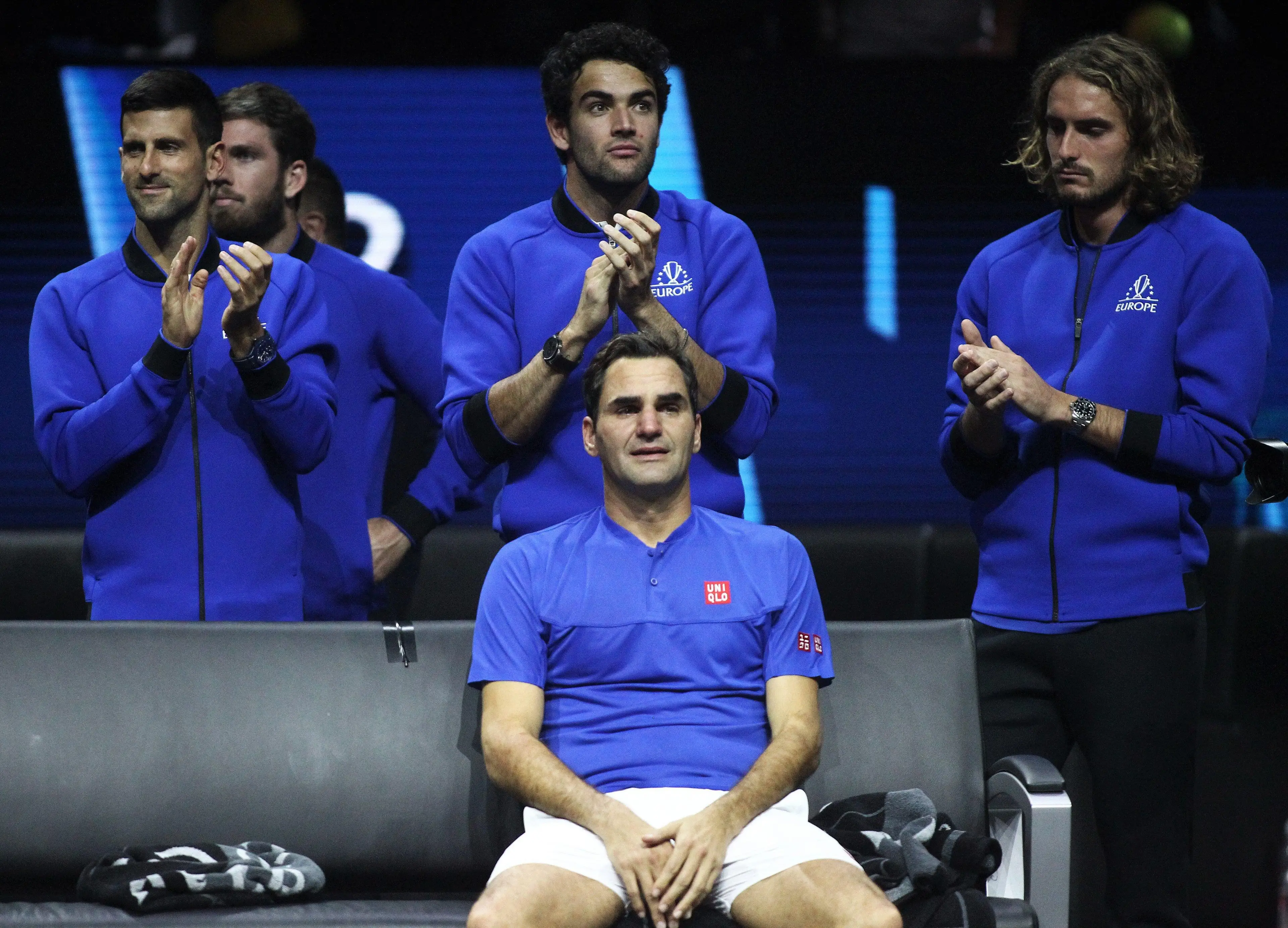
Since Roger Federer’s retirement from professional tennis at the Laver Cup in 2022, the role of his family has shifted from supporting a touring athlete to managing a global brand and philanthropic empire. In 2026, Lynette remains a constant presence in Roger’s life, helping him navigate the transition from active competitor to elder statesman of the sport.
The stability she provided during his playing days has morphed into a steadying influence on the next generation of Federers. Roger and his wife, Mirka, have four children (two sets of twins), and Lynette’s role as a grandmother mirrors her role as a mother: providing a grounded environment where the children can grow up away from the intense scrutiny of the public eye.
Her public appearances remain rare, occurring mostly at major tennis events or foundation galas. This reticence has only added to her reputation as a woman of substance who values privacy and family integrity over fame. In the world of "tennis royalty," she is the queen mother who never felt the need to wear the crown.
FAQ
Was Lynette Federer a professional tennis player?
No, Lynette Federer was not a professional tennis player. However, she was an accomplished multi-sport athlete in her youth in South Africa, competing at a high level in field hockey and netball. She also played recreational tennis, which is how she introduced the sport to Roger, but she never pursued it as a career.
How did Lynette Federer influence Roger's philanthropy?
Lynette was the primary reason the Roger Federer Foundation focused its efforts on Southern Africa. Her South African roots and her understanding of the educational needs in the region guided the foundation's mission. She has remained an active member of the foundation’s board, ensuring that the programs are effective and culturally appropriate.
Did Lynette Federer ever coach Roger?
Lynette famously refused to coach Roger. While she helped him with the basics when he was a small child, she and Robert consciously decided to step back and let professional coaches handle his technical development. This allowed them to focus on being supportive parents rather than critics of his performance.
Is Lynette Federer still involved in the tennis world in 2026?
By 2026, Lynette’s involvement in the tennis world is largely legacy-based. She attends major tournaments as a guest of honor and continues her work with the Roger Federer Foundation. While she is no longer traveling the full tour circuit, her influence is felt through the various sporting and charitable initiatives that Roger continues to lead.
What nationality is Lynette Federer?
Lynette Federer holds dual South African and Swiss citizenship. She was born and raised in South Africa and moved to Switzerland in her early twenties after meeting her husband, Robert Federer.
Practical Takeaway: Lessons in Supportive Mentorship
The relationship between Lynette Federer and her son offers a blueprint for parents and mentors in any high-stakes field. The key to her success as a "quiet force" was her ability to balance high expectations for character with low pressure for specific results.
For those looking to support a talented individual—whether in sports, academics, or business—the Lynette Federer approach suggests:
- Prioritize the person over the performer: Ensure the individual’s emotional well-being is always the primary concern.
- Maintain professional boundaries: Recognize when a specialized coach or mentor is needed and step back to provide emotional safety.
- Encourage breadth before depth: Allow for a variety of interests to prevent burnout and build a well-rounded foundation.
- Model philanthropic values: Use success as a platform for helping others, ensuring that legacy is built on contribution rather than just consumption.
By following these principles, Lynette Federer helped cultivate not only the greatest tennis player of a generation but also a respected global ambassador for the sport.
Image Gallery