Is 1 PM Pacific Daylight Time Equal to 4 PM Eastern Daylight Time? Time Zone Conversion Guide
Yes, 1:00 PM Pacific Daylight Time (PDT) is exactly 4:00 PM Eastern Daylight Time (EDT). The Pacific Time Zone is located three hours behind the Eastern Time Zone across the United States and Canada. When both regions observe Daylight...
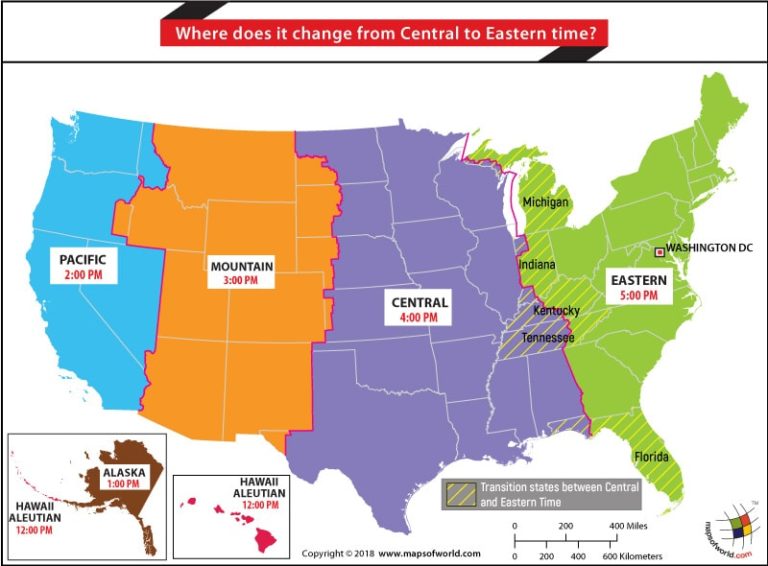
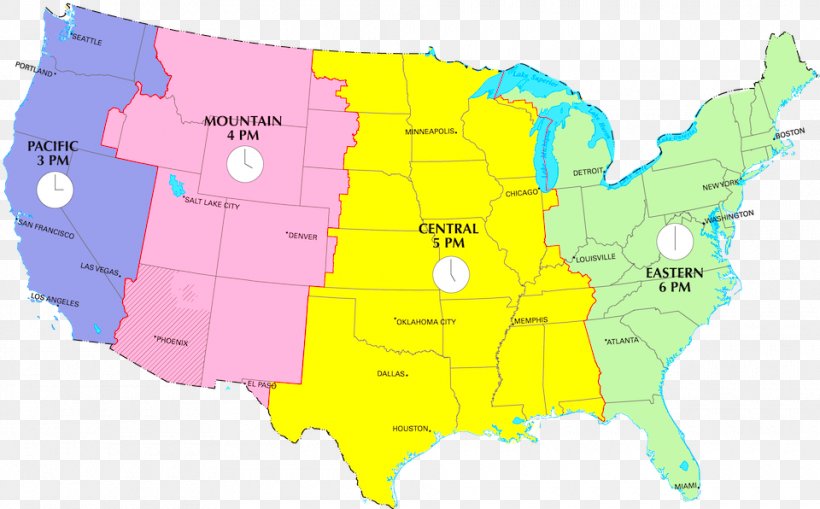
Yes, 1:00 PM Pacific Daylight Time (PDT) is exactly 4:00 PM Eastern Daylight Time (EDT). The Pacific Time Zone is located three hours behind the Eastern Time Zone across the United States and Canada. When both regions observe Daylight Saving Time, this three-hour time difference remains entirely consistent throughout the workday.
Contents
Converting time across North American time zones is a routine task for remote workers, event organizers, travelers, and television viewers. However, miscalculating offsets or confusing daylight saving abbreviations can lead to missed meetings, disrupted flight connections, and scheduling confusion.
Understanding the mathematical relationship between Pacific Daylight Time and Eastern Daylight Time, along with intermediate time zones and seasonal transitions, ensures accurate scheduling regardless of location.
The Mechanics of Pacific to Eastern Time Conversion
To convert time accurately between the West Coast and East Coast of North America, it helps to understand Coordinated Universal Time (UTC) offsets and how regional time zones operate.
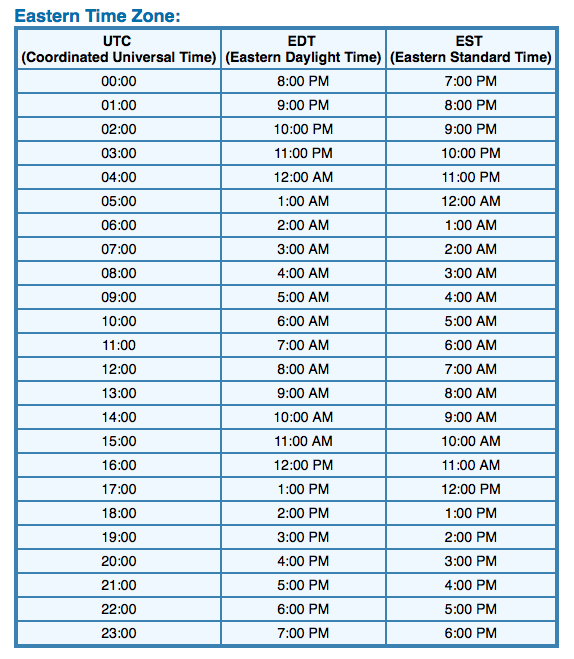
UTC Offsets: PDT vs. EDT
Time zones worldwide are measured by their offset from Coordinated Universal Time (UTC), the standard time standard maintained by international authorities such as the International Bureau of Weights and Measures (BIPM).
North American time zones adjust their offset by one hour when transitioning between Standard Time and Daylight Saving Time (DST):
- Pacific Daylight Time (PDT): Operates at UTC-7. It is active from the second Sunday in March to the first Sunday in November.
- Eastern Daylight Time (EDT): Operates at UTC-4. It is active during the exact same seasonal period.
Calculating the difference between the two requires subtracting the PDT offset from the EDT offset:
$$\text{Difference} = (-4) - (-7) = +3 \text{ hours}$$
Because EDT is three hours ahead of PDT, adding three hours to any Pacific Daylight Time yields the corresponding Eastern Daylight Time:
$$\text{1:00 PM PDT} + 3 \text{ hours} = \text{4:00 PM EDT}$$
Standard Time vs. Daylight Saving Time
During the colder months—from early November to early March—both zones revert to Standard Time:
- Pacific Standard Time (PST): Operates at UTC-8.
- Eastern Standard Time (EST): Operates at UTC-5.
Notice that the net difference remains identical:
$$\text{Difference} = (-5) - (-8) = +3 \text{ hours}$$
Therefore, 1:00 PM Pacific Standard Time (PST) is equal to 4:00 PM Eastern Standard Time (EST). Unless one region changes its observance rules, the time gap between the U.S. Pacific Coast and U.S. East Coast remains fixed at three hours year-round.
U.S. Time Zone Conversion Reference Table
The following table demonstrates how 1:00 PM PDT correlates across all major North American time zones and UTC.
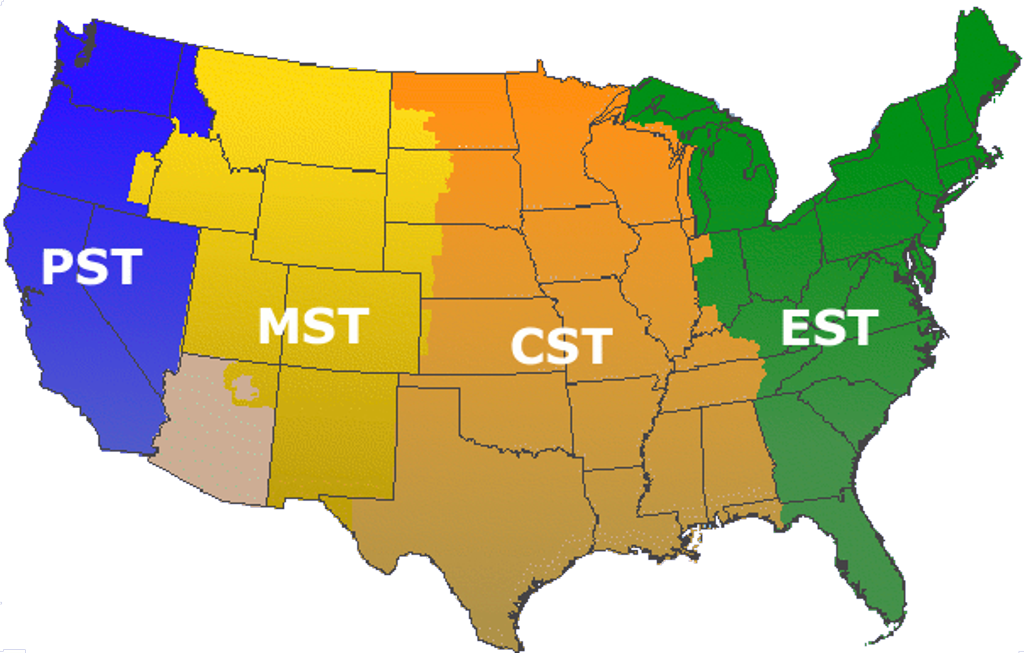
| Pacific Time (PDT / PST) | Mountain Time (MDT / MST) | Central Time (CDT / CST) | Eastern Time (EDT / EST) | Coordinated Universal Time (UTC) |
|---|---|---|---|---|
| 8:00 AM | 9:00 AM | 10:00 AM | 11:00 AM | 15:00 (3:00 PM) |
| 10:00 AM | 11:00 AM | 12:00 PM | 1:00 PM | 17:00 (5:00 PM) |
| 12:00 PM (Noon) | 1:00 PM | 2:00 PM | 3:00 PM | 19:00 (7:00 PM) |
| 1:00 PM (PDT) | 2:00 PM (MDT) | 3:00 PM (CDT) | 4:00 PM (EDT) | 20:00 (8:00 PM) |
| 3:00 PM | 4:00 PM | 5:00 PM | 6:00 PM | 22:00 (10:00 PM) |
| 5:00 PM | 6:00 PM | 7:00 PM | 8:00 PM | 00:00 (Midnight, next day) |
Note: You can verify live standard time and atomic time synchronization via NIST Official U.S. Time.
Practical Applications for Business, Media, and Travel
Understanding the three-hour difference between Pacific and Eastern time zones is critical for cross-country communication, travel planning, and scheduling live broadcasts.
- PACIFIC TIME (PDT) [UTC-7]
- 1:00 PM PDT
- +3 Hours
- EASTERN TIME (EDT) [UTC-4]
- 4:00 PM EDT
1. Scheduling Cross-Continental Meetings
In professional environments spanning both coasts, finding overlapping working hours can be challenging. The workday overlap between a West Coast team (working 9:00 AM to 5:00 PM PDT) and an East Coast team (working 9:00 AM to 5:00 PM EDT) is limited:
- East Coast Workday: 9:00 AM EDT – 5:00 PM EDT (6:00 AM PDT – 2:00 PM PDT)
- West Coast Workday: 9:00 AM PDT – 5:00 PM PDT (12:00 PM EDT – 8:00 PM EDT)
- Prime Overlap Window: 9:00 AM – 2:00 PM PDT / 12:00 PM – 5:00 PM EDT
Scheduling a call at 1:00 PM PDT places the meeting at 4:00 PM EDT. This falls squarely within the final hour of the typical East Coast workday, making it suitable for end-of-day check-ins or briefings, but less ideal for long collaborative sessions that might run past standard business hours.
2. Live Broadcasts and Webinars
Media networks and digital platforms frequently publish event schedules using both time zone designations. When a live streaming event, product launch, or webinars is scheduled for "1:00 PM PDT / 4:00 PM EDT," participants on both coasts watch the event simultaneously.
However, television broadcasting often uses delayed feeds:
- Live National Broadcast: A sporting event broadcast live at 4:00 PM EDT will air at 1:00 PM PDT.
- Tape Delay / Primetime Feeds: Entertainment television often advertises "8:00 PM Eastern / Pacific." This phrasing means the show airs at 8:00 PM EDT for East Coast viewers and is re-broadcast three hours later at 8:00 PM PDT for West Coast viewers.
3. Air Travel and Flight Duration Math
Flight itineraries display local departure and arrival times. Calculating total travel time requires accounting for time zone shifts.
For example, if a nonstop flight departs Los Angeles (LAX) at 1:00 PM PDT and arrives in New York (JFK) at 9:30 PM EDT:
- Convert the departure time to EDT: 1:00 PM PDT = 4:00 PM EDT.
- Calculate the difference between 4:00 PM EDT and 9:30 PM EDT.
- Total flight duration = 5 hours and 30 minutes.
Without adjusting for the 3-hour time gain traveling eastward, a passenger might incorrectly calculate the flight duration as 8 hours and 30 minutes (1:00 PM to 9:30 PM).
Exceptions and Regional Anomalies
While the 3-hour offset between Pacific and Eastern time is standard, regional rules create occasional exceptions that calendar managers must account for.
Arizona and Non-Observing Regions
Arizona is located geographically in the Mountain Time Zone, but most of the state does not observe Daylight Saving Time under the U.S. Uniform Time Act.
- During Daylight Saving Time (March to November), Arizona stays on Mountain Standard Time (MST / UTC-7), which matches the local time of Pacific Daylight Time (PDT).
- Therefore, when it is 1:00 PM PDT in California, it is also 1:00 PM MST in Phoenix, Arizona, and 4:00 PM EDT in New York.
- During winter months (Standard Time), Arizona remains on MST (UTC-7), placing it one hour ahead of Pacific Standard Time (PST / UTC-8).
The Navajo Nation within Arizona does observe Daylight Saving Time, creating local variations within the state.
Daylight Saving Time Transition Weekends
The United States transitions to Daylight Saving Time on the second Sunday in March and returns to Standard Time on the first Sunday in November. Because all observing states make this shift simultaneously at 2:00 AM local time, the 3-hour gap between Pacific and Eastern time remains seamless.
However, international team members residing in countries that observe DST on different dates (such as European Union nations, which transition on different Sundays) may experience temporary offset changes relative to U.S. team members during those transition weeks.
Best Practices for Scheduling Across Time Zones
To prevent missed appointments and calendar errors when communicating across Pacific and Eastern time zones, apply these operational habits:
- Always Include the Specific Time Zone Abbreviation: Avoid ambiguous statements like "Let's meet at 1:00 PM." Specify "1:00 PM PDT / 4:00 PM EDT" or "1:00 PM Pacific."
- Use Dual Time Zone Displays in Digital Calendars: Platforms like Google Calendar, Microsoft Outlook, and Apple Calendar allow users to add a secondary time zone column to their daily view. Setting the secondary display to Eastern Time while based in Pacific Time eliminates conversion math.
- Rely on Universal Calendar Invites (.ics): When sending meeting invites, rely on automated calendar invites. Calendar systems record events in UTC internally and convert the start time automatically to match each attendee's local device setting.
- Use ISO 8601 Formatting for Systems and APIs: When configuring software integrations or automated email notifications, express timestamps using ISO 8601 formatting (e.g.,
2026-06-15T13:00:00-07:00for PDT or2026-06-15T16:00:00-04:00for EDT).
Frequently Asked Questions
Is 1 PM PDT the same as 4 PM EDT?
Yes. Pacific Daylight Time (PDT) is three hours behind Eastern Daylight Time (EDT). When it is 1:00 PM in California, Washington, or Oregon during daylight saving time, it is 4:00 PM in New York, Florida, or Massachusetts.
Is Pacific Time always 3 hours behind Eastern Time?
Yes, for regions that observe Daylight Saving Time, Pacific Time is always three hours behind Eastern Time. Whether both regions are on Daylight Saving Time (PDT/EDT) or Standard Time (PST/EST), the 3-hour offset remains constant year-round.
What time is 1 PM PDT in Central Time?
1:00 PM Pacific Daylight Time (PDT) is 3:00 PM Central Daylight Time (CDT). Central Time is two hours ahead of Pacific Time and one hour behind Eastern Time.
What does PDT stand for?
PDT stands for Pacific Daylight Time. It is the time zone designation used on the U.S. and Canadian West Coast during Daylight Saving Time (UTC-7), which runs from mid-March to early November.
How does 1 PM PDT convert to Coordinated Universal Time (UTC)?
1:00 PM PDT corresponds to 20:00 UTC (8:00 PM UTC) on the same calendar day. Because PDT is UTC-7, you add seven hours to local Pacific Daylight Time to determine UTC.
Recommended Next Steps
To streamline your cross-country scheduling and avoid calculation errors:
- Configure Secondary Calendar Zones: Open your primary calendar application (Google Calendar, Outlook, or Apple Calendar) and enable a second time zone setting for Eastern Time (ET) alongside your local Pacific Time (PT).
- Double-check Automated Invites: When creating virtual meetings across coasts, verify that your software has recognized your local time zone correctly before dispatching invites.
- Consult Official Time Standards: For exact time verification across military, aviation, or financial operations, check the official atomic clock synchronization at Time.gov.
Image Gallery