Industrial and Health Applications of Red Algae: A Comprehensive Overview
Red algae, scientifically classified as Rhodophyta, are a diverse phylum of marine organisms that serve as a critical foundation for modern industrial and biomedical applications. These multicellular marine organisms, characterized by...
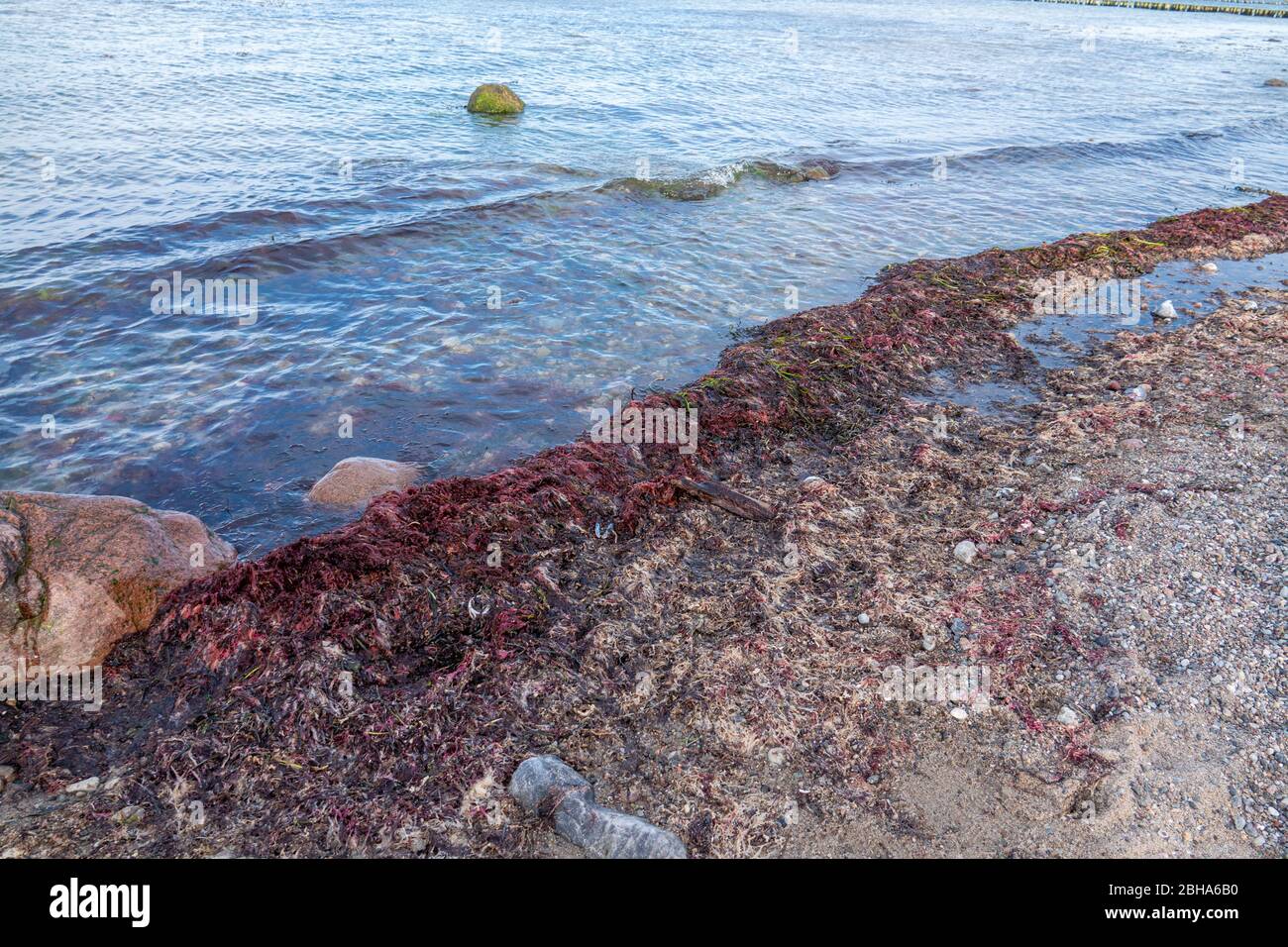
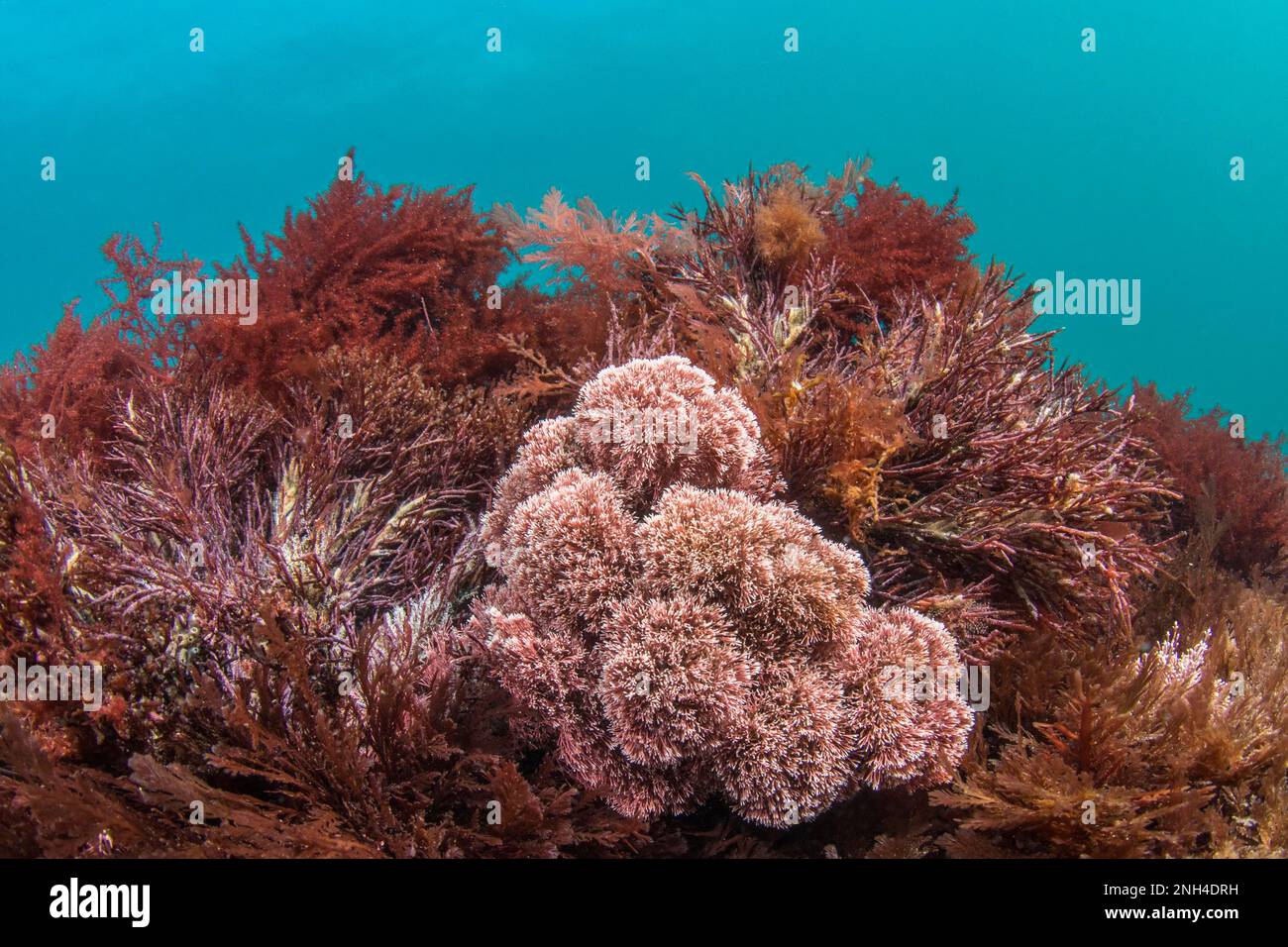
Red algae, scientifically classified as Rhodophyta, are a diverse phylum of marine organisms that serve as a critical foundation for modern industrial and biomedical applications. These multicellular marine organisms, characterized by their distinct reddish pigmentation derived from phycoerythrin, are primary sources of phycocolloids—specifically agar, carrageenan, and agarose—which are indispensable in food processing, clinical diagnostics, and sustainable manufacturing sectors.
Contents
The Biological Basis of Red Algae Utility
The utility of red algae stems from their unique cell wall structure. Unlike terrestrial plants, which rely heavily on cellulose, red algae synthesize complex polysaccharides known as sulfated galactans. These polymers possess high gelling and thickening properties that remain stable across varying temperatures and pH levels.
In the medical field, the purification of these polysaccharides enables the creation of hydrogels and culture media. In industry, their ability to stabilize emulsions and create biodegradable films makes them a vital substitute for synthetic petroleum-based additives. As of 2026, the reliance on these natural polymers has increased due to global shifts toward plant-based, biodegradable, and renewable supply chains.
Industrial Applications: Stabilizers and Bioplastics
The industrial footprint of red algae is dominated by its role as a hydrocolloid source. Agar and carrageenan are standard ingredients in food science, but their application extends far into technical manufacturing.
Food Science and Molecular Gastronomy
Red algae derivatives are essential texturizing agents. Carrageenan, for instance, is utilized in dairy and plant-based milk alternatives to stabilize proteins and prevent separation. Agar serves as a vegetarian-friendly substitute for gelatin, providing a heat-stable set for confectioneries and baked goods. Its high gelling strength means only small concentrations are required to achieve desired structural integrity, making it cost-effective for large-scale production.
Bioplastics and Packaging
With increasing regulatory pressure to phase out single-use plastics, red algae are being leveraged to produce biopolymers. Researchers utilize the structural properties of red algal cellulose and alginates to fabricate thin, translucent films. These films are fully compostable and offer moisture-barrier properties that are competitive with low-density polyethylene (LDPE), albeit with currently higher production costs.
Medical and Biotechnological Applications
The application of red algae in health is profound, particularly in laboratory science and drug delivery systems. Because these substances are derived from natural sources, they exhibit excellent biocompatibility.
Clinical Diagnostics and Laboratory Media
The most ubiquitous use of agar is in microbiology. Agarose, a refined component of agar, is the standard matrix for gel electrophoresis—a foundational process for DNA, RNA, and protein analysis. Without high-purity agarose derived from red algae, modern genomic sequencing and clinical diagnostics for hereditary conditions would be significantly restricted.
Drug Delivery and Pharmaceutical Formulations
Red algae extracts possess bioactive compounds, including sulfated polysaccharides, which have been observed to demonstrate antiviral and anti-inflammatory properties. In 2026, pharmaceutical companies are exploring these compounds as excipients in sustained-release medication tablets. The ability of algal gels to hydrate and erode at controlled rates allows for the precise delivery of active pharmaceutical ingredients (APIs) within the gastrointestinal tract.
Comparative Properties of Red Algae Derivatives
| Derivative | Primary Source Species | Key Industrial Property | Primary Health/Research Use |
|---|---|---|---|
| Agar | Gelidium, Gracilaria | High-strength thermal gelation | Microbiological culture media |
| Carrageenan | Eucheuma, Kappaphycus | Protein stabilization/thickening | Pharmaceutical emulsifier |
| Agarose | Refined Agar | Molecular sieving | DNA electrophoresis/genomics |
| Porphyran | Porphyra (Nori) | Immunomodulation | Nutraceutical supplements |
Challenges and Safety Considerations
While the applications are diverse, the use of red algae, particularly carrageenan, has faced historical scrutiny regarding digestive health. Research into degraded carrageenan (poligeenan) suggests potential inflammatory effects in the gut; however, food-grade carrageenan is regulated by international food safety bodies, including the FDA and EFSA, and is classified as generally recognized as safe (GRAS) when used within prescribed limits.
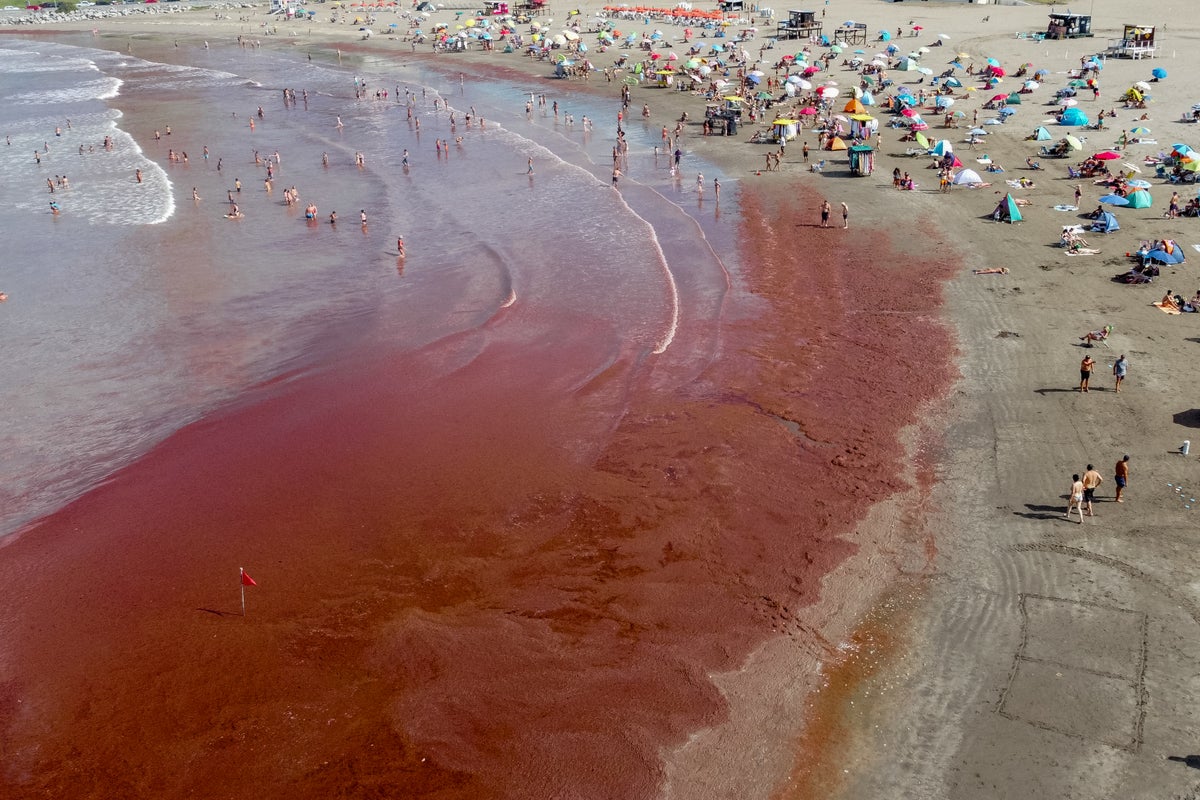
Furthermore, the industrial scaling of red algae faces supply chain constraints. Most red algae are still harvested from wild populations, which are susceptible to ocean temperature fluctuations and localized pollution. The industry is currently transitioning toward integrated multi-trophic aquaculture (IMTA) to ensure a consistent, sustainable supply that does not deplete natural reef ecosystems.
Frequently Asked Questions
Are red algae derivatives safe for human consumption? Yes, standard food-grade extracts like agar and carrageenan are approved for use by major global food safety regulators. Individuals with specific gastrointestinal sensitivities should consult a healthcare provider regarding the intake of processed food additives.
How does red algae contribute to environmental sustainability? Red algae act as significant carbon sinks, sequestering atmospheric CO2 during their growth cycle. When used as a base for bioplastics, they provide a renewable alternative to fossil-fuel-derived polymers, significantly reducing the carbon footprint of packaging materials.
What is the role of agarose in modern medicine? Agarose is the essential medium for gel electrophoresis, allowing scientists to separate and visualize DNA fragments. It is fundamental to diagnosing genetic disorders, identifying pathogens, and conducting forensic analysis.
Is it possible to farm red algae domestically? While large-scale cultivation requires specific marine conditions, small-scale aquaculture systems are emerging. However, the consistent extraction of high-grade polysaccharides typically requires industrial-scale biorefining infrastructure.
Can red algae replace all synthetic stabilizers? While they are excellent replacements for many applications, they are not universal. Factors like cost, required pH stability, and specific thermal thresholds mean that some synthetic alternatives remain more viable for extreme industrial conditions.
Next Steps and Recommendations
For organizations looking to integrate red algae derivatives into their production cycles, the primary action is to verify the purity grade of the source. Food and pharmaceutical applications require strict adherence to international standards, such as those established by the Food Chemicals Codex (FCC).
- Conduct a Feasibility Study: Assess the required gelling strength or stabilization profile needed for your specific formulation.
- Source Verified Suppliers: Ensure that the red algae are harvested from sustainable, monitored aquaculture sources to maintain supply chain consistency.
- Verify Regulatory Compliance: Confirm that the specific grade of agar or carrageenan complies with regional health regulations (e.g., FDA/EFSA) for your intended product application.
Image Gallery