Comprehensive Guide to the Detecto 750 Clinical Weight Indicator
The Detecto 750 is a specialized digital weight indicator designed for clinical environments, providing precise weight measurement, Body Mass Index (BMI) calculation, and data connectivity. As a standard interface for various Detecto m...
The Detecto 750 is a specialized digital weight indicator designed for clinical environments, providing precise weight measurement, Body Mass Index (BMI) calculation, and data connectivity. As a standard interface for various Detecto medical scales, it streamlines patient data entry into electronic health records via its RS232 serial port and user-friendly keypad.
Contents
Understanding the Role of the Detecto 750 in Modern Healthcare
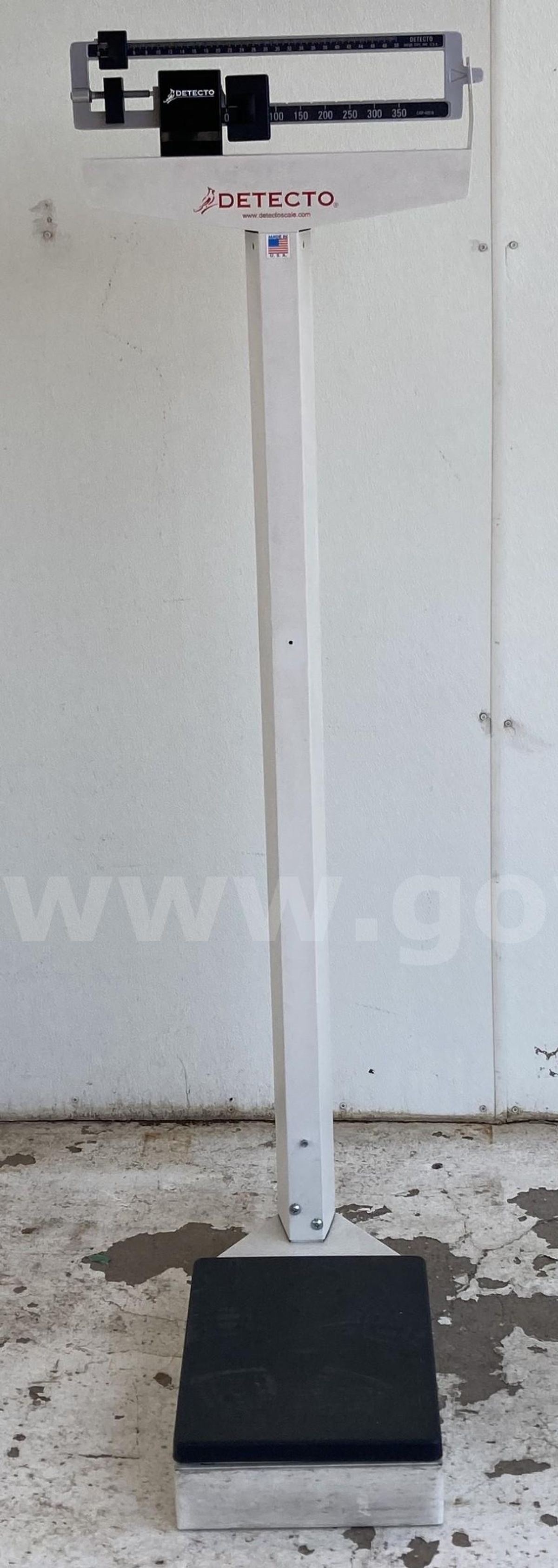
In the clinical landscape of 2026, the demand for accurate, repeatable, and easily transmissible patient data is higher than ever. The Detecto 750 clinical weight indicator remains a cornerstone of medical facilities ranging from small private practices to large hospital networks. Manufactured by Cardinal Scale under the Detecto brand, this indicator is specifically engineered to replace traditional mechanical beams or to serve as the brain for new wheelchair, physician, and bariatric scales.
The primary function of the Detecto 750 is to convert the analog signal from a scale's load cells into a digital reading that is easily understood by medical staff. Beyond simple weight measurement, the device is integral to calculating health metrics that guide clinical decisions, such as medication dosages and nutrition plans. Its longevity in the market is a testament to its reliability and the ease with which it integrates into the workflow of busy medical professionals.
Technical Specifications and Hardware Architecture
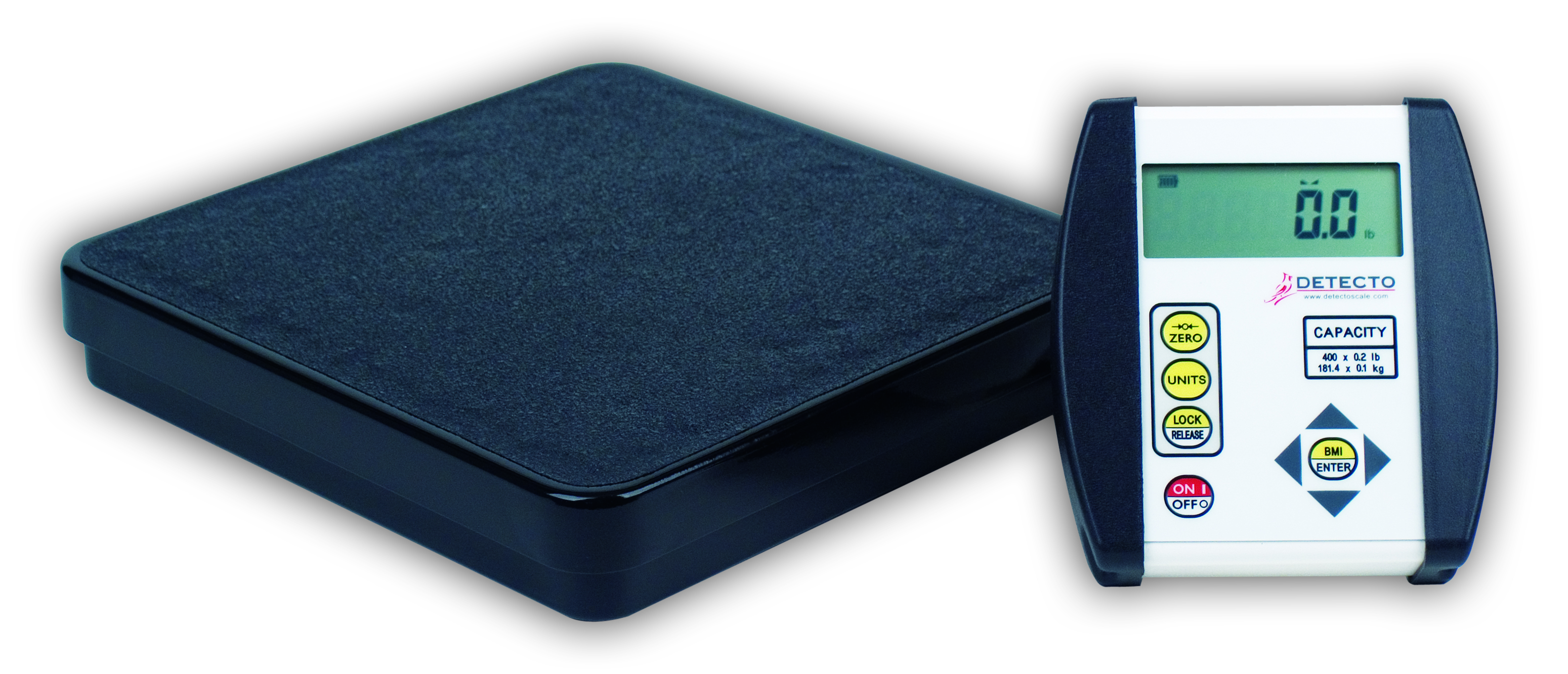
The Detecto 750 is housed in a durable, impact-resistant plastic casing designed to withstand the frequent sanitation requirements of a healthcare facility. Its interface is characterized by a high-contrast, 0.7-inch (18 mm) high LCD screen that ensures visibility even in dimly lit patient rooms.
Core Specifications
Understanding the technical boundaries of the device is essential for biomedical technicians and facility managers. The 750 indicator is versatile, supporting a variety of power and mounting configurations.
| Feature | Specification |
|---|---|
| Display Type | 6-digit, 7-segment Liquid Crystal Display (LCD) |
| Weight Units | Pounds (lb), Kilograms (kg), or lb/oz |
| Power Requirements | 6 "AA" Alkaline, Ni-Cad, or NiMH batteries OR optional AC adapter |
| Connectivity | RS232 Serial Port (DB9 Female) |
| Enclosure Rating | NEMA 1 / IP20 |
| Operating Temperature | 14°F to 104°F (-10°C to 40°C) |
| BMI Range | 7.0 to 50.0 |
| Capacity | Scalable based on connected load cells (up to 1,000 lbs typical) |
Connectivity and Data Transmission
The presence of the RS232 serial port is a critical feature for the modern clinic. While wireless technology has advanced, the stability of a hardwired serial connection remains a preferred method for many legacy and high-security Electronic Medical Record (EMR) systems. The Detecto 750 can be programmed to send weight and BMI data directly to a computer or printer, reducing manual entry errors and increasing the speed of patient intake.
Advanced Functional Features
The Detecto 750 is more than a simple display; it includes software features designed specifically for the complexities of patient care.
Body Mass Index (BMI) Calculation
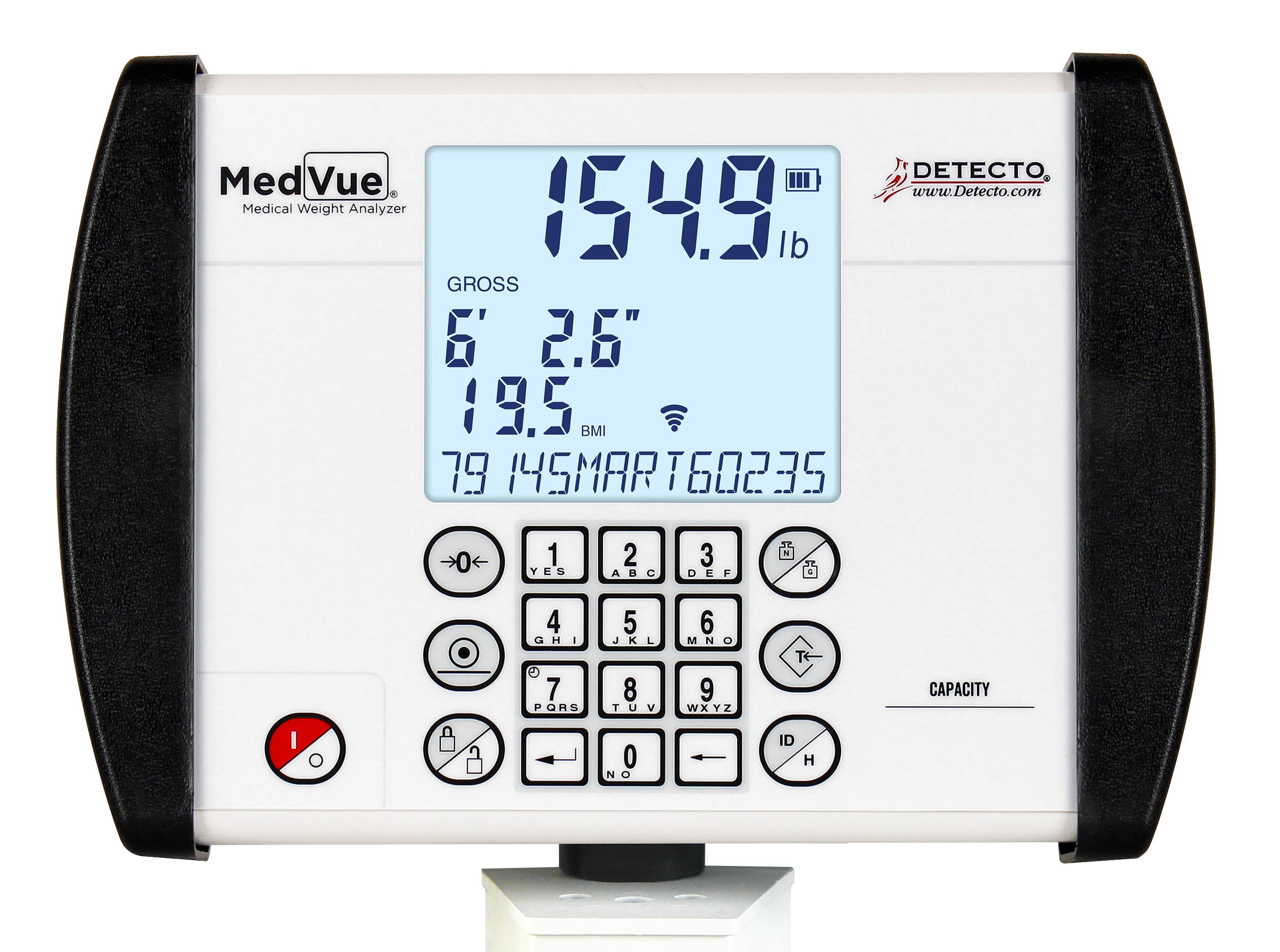
One of the most utilized features of the 750 is its ability to calculate BMI automatically. In a clinical setting, calculating BMI manually is a repetitive task prone to human error. With the 750, the clinician simply presses the BMI key, enters the patient's height using the arrow keys, and the indicator calculates the index based on the current weight reading. This calculation is vital for identifying obesity-related risks and determining eligibility for certain medical procedures or insurance coverage.
Weight Lock and Release
Patients in clinical settings may have difficulty remaining perfectly still on a scale, particularly in pediatric or geriatric care. The Detecto 750 utilizes a sophisticated filtering algorithm that "locks" the weight on the display once a stable reading is achieved. This allows the clinician to attend to the patient first and record the weight afterward, without the numbers fluctuating as the patient moves.
Units Selection and Lockout
To maintain compliance with specific hospital protocols or regional regulations, the Detecto 750 allows administrators to "lock" the weighing units. For instance, if a facility operates strictly on the metric system to avoid medication dosage errors, the indicator can be configured to only display kilograms, preventing the accidental toggling to pounds.
Operational Procedures and Best Practices
To ensure the highest level of accuracy and equipment longevity, medical staff should follow standardized operating procedures when using the Detecto 750.
The Weighing Process
- Zeroing the Scale: Before the patient steps on the scale, ensure the display reads "0.0." If it does not, press the ZERO key. This accounts for any debris or mats placed on the scale platform.
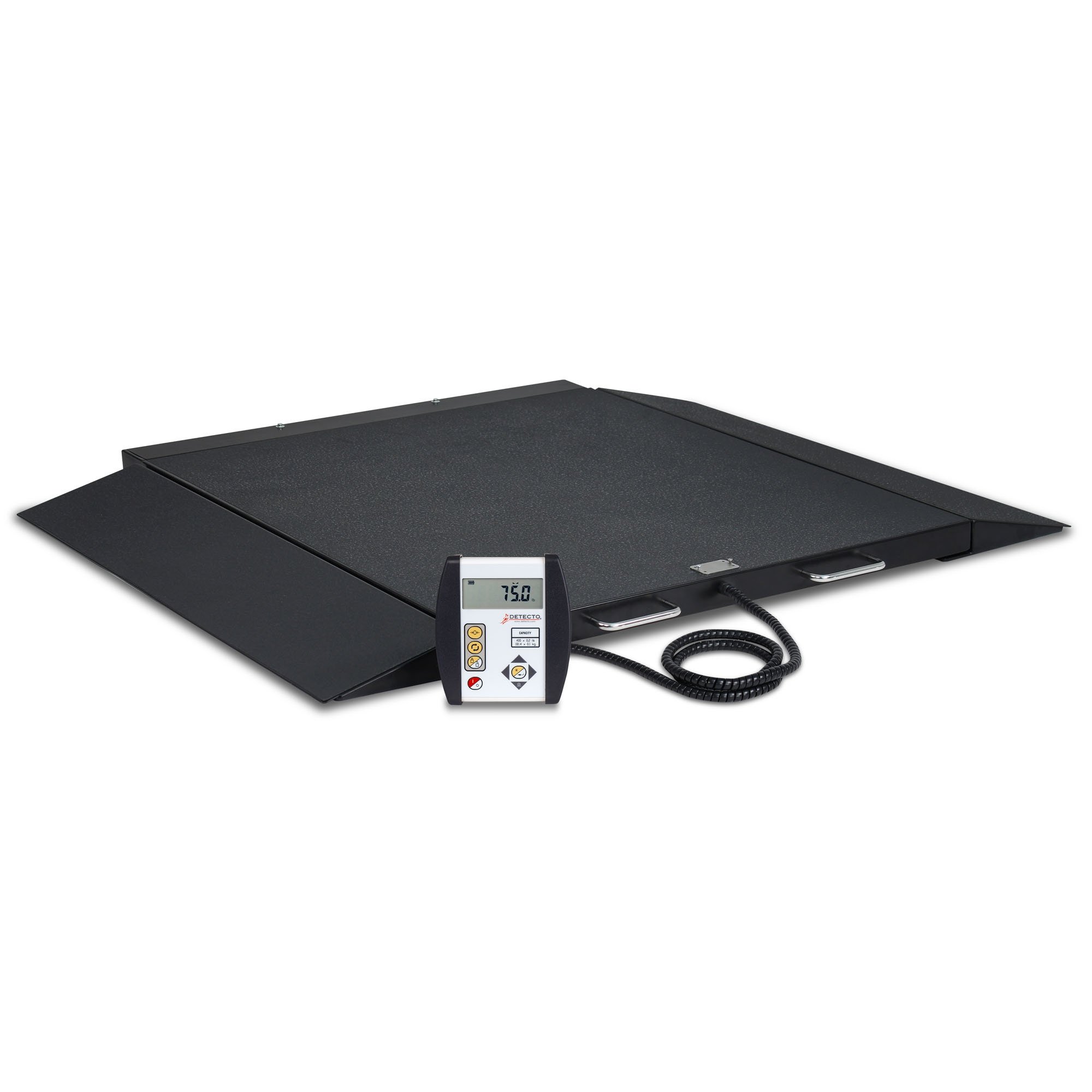
- Patient Positioning: The patient should stand centrally on the platform (or remain still in a wheelchair if using a ramp scale).
- Capturing the Weight: Once the "Stable" indicator appears on the LCD, the weight is recorded.
- BMI Entry (Optional): If BMI is required, press the BMI key, adjust the height value, and press ENTER to view the calculated index.
Power Management
The Detecto 750 is highly efficient, but battery management is a common point of failure in busy clinics. The device features an adjustable "Auto-Off" timer that can be set to conserve battery life when the scale is not in use. When using rechargeable Ni-Cad or NiMH batteries, it is important to note that the indicator does not charge the batteries internally; an external charger must be used. For permanent installations, utilizing the optional AC power adapter is recommended to ensure uninterrupted service.
Setup, Calibration, and Maintenance
The accuracy of a clinical scale is only as good as its calibration. The Detecto 750 requires professional calibration upon installation and periodically thereafter (usually annually or semi-annually, depending on facility policy).
Calibration Security
To prevent unauthorized adjustments to the weight settings, the Detecto 750 features a physical calibration switch located inside the housing. Accessing this switch usually requires breaking a lead-wire seal or a paper security seal, ensuring that the device remains "Legal for Trade" or compliant with medical auditing standards.
Cleaning and Sanitation
In 2026, infection control remains a top priority. The Detecto 750 should be cleaned with a soft cloth dampened with a mild detergent or a 70% isopropyl alcohol solution. It is crucial to avoid spraying liquids directly onto the indicator or using harsh abrasive cleaners, which can cloud the LCD or damage the membrane keypad.
Troubleshooting Common Issues
Even the most reliable equipment can encounter issues. The Detecto 750 uses a series of error codes to help biomedical technicians diagnose problems quickly.
| Error Code | Meaning | Possible Solution |
|---|---|---|
| Err Low | Weight is below the minimum range | Ensure nothing is lifting the scale platform; re-zero the scale. |
| Err High | Weight exceeds the scale's capacity | Remove the load immediately to prevent load cell damage. |
| Err EE | Internal memory error | The device may require factory service or recalibration. |
| Err 0 | Zeroing error | Ensure the platform is empty and clear of obstructions during power-up. |
| BATT LOW | Battery voltage is dropping | Replace the 6 "AA" batteries or connect the AC adapter. |
Comparison with Newer Indicator Models
While the Detecto 750 is a reliable workhorse, many facilities in 2026 are comparing it to newer models like the Detecto 758C or the Apex series. The primary difference lies in connectivity options. Newer models often include built-in Wi-Fi or Bluetooth and USB ports for easier modern EMR integration. However, the Detecto 750 remains popular because of its simplicity, lower cost of ownership, and the fact that its RS232 port is easily adaptable to wireless bridges if a facility decides to upgrade its infrastructure later.
Frequently Asked Questions
Can the Detecto 750 be used with any scale platform?
While the Detecto 750 is most commonly sold with Detecto scales, it is a versatile indicator that can be calibrated to work with various four-load-cell platforms. However, this requires a biomedical technician to match the millivolt-per-volt (mV/V) output of the load cells and perform a full span calibration to ensure accuracy.
Is the Detecto 750 EMR/EHR compatible?
Yes, the Detecto 750 is EMR/EHR compatible via its RS232 serial port. It can transmit data using several different protocols (such as the Cardinal/Detecto SMA protocol). To connect to a modern computer, you may need a Serial-to-USB adapter and specific middleware software provided by your EMR vendor.
How do I switch between pounds and kilograms?
If the unit's "Lockout" feature is not enabled, you can switch between units by pressing the UNITS key. If the key does not change the display, the scale has likely been locked into a specific unit mode during the initial setup to comply with facility safety protocols.
Why is my weight reading fluctuating?
Fluctuation is usually caused by environmental factors or patient movement. Ensure the scale is on a level, hard surface (not carpet). If the patient is moving, utilize the LOCK/RELEASE function to capture a stable weight. If the problem persists when the scale is empty, there may be a loose cable connection between the indicator and the base.
Does the 750 indicator have a tare function?
Yes, the 750 has a TARE function. This is particularly useful in wheelchair weighing or when a patient is using a walker. You can weigh the mobility aid first, press TARE to zero the scale, and then weigh the patient with the aid to get an accurate net weight.
Practical Recommendation for Facilities
For healthcare facilities looking for a balance between cost-effectiveness and clinical precision, the Detecto 750 remains a top-tier choice in 2026. If your facility relies on hardwired data connections or requires a straightforward interface that minimizes training time for nursing staff, the 750 is an ideal solution. When purchasing, ensure you also acquire the appropriate mounting bracket (wall, desk, or column) and consider the optional AC adapter for high-traffic areas to avoid the downtime associated with battery replacement. Regular annual calibration by a certified scale technician is the best way to maintain the integrity of your patient data and ensure the longevity of the equipment.
Image Gallery