Choosing the Right AAPL Call Option: A Strategic Guide for Options Investors
Choosing the right AAPL call option requires aligning your price forecast, risk tolerance, and time horizon with the appropriate strike price, expiration date, and implied volatility profile. By balancing option Greeks—specifically Del...
Choosing the right AAPL call option requires aligning your price forecast, risk tolerance, and time horizon with the appropriate strike price, expiration date, and implied volatility profile. By balancing option Greeks—specifically Delta and Theta—investors can select contracts that optimize leverage while minimizing time decay and volatility risks.
Contents
Disclaimer: This guide is provided for educational purposes only and does not constitute financial, legal, or investment advice. Option trading involves substantial risk of loss and is not suitable for every investor.
Understanding Apple Inc. (AAPL) Option Market Dynamics
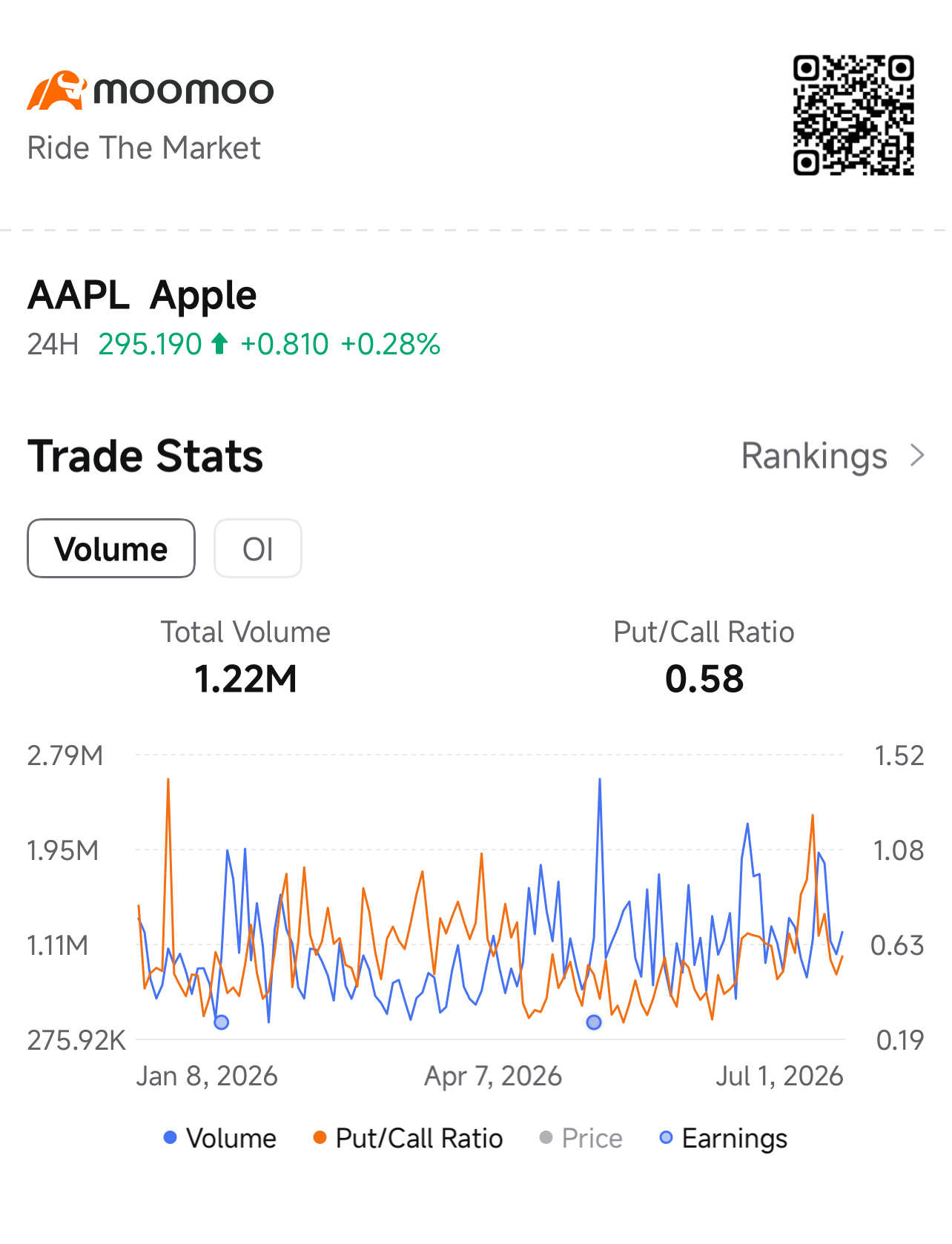
Apple Inc. (NASDAQ: AAPL) represents one of the most heavily traded option chains in global financial markets. Due to the stock's massive market capitalization, deep liquidity, and tight bid-ask spreads, options on AAPL offer exceptional flexibility for individual traders and institutional fund managers alike. However, high liquidity alone does not guarantee profitable trading. Success hinges on selecting the exact contract parameters that match your investment objective.
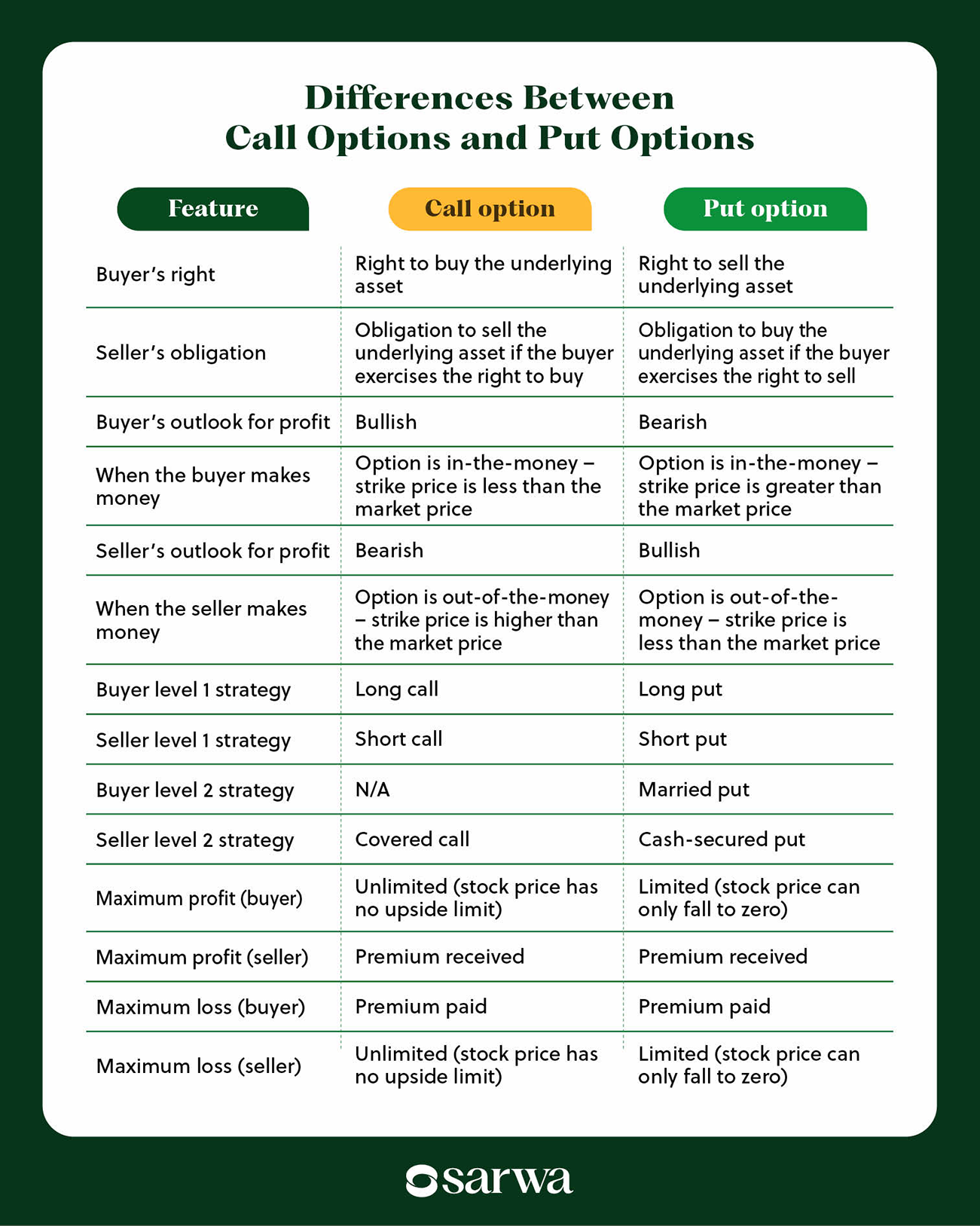
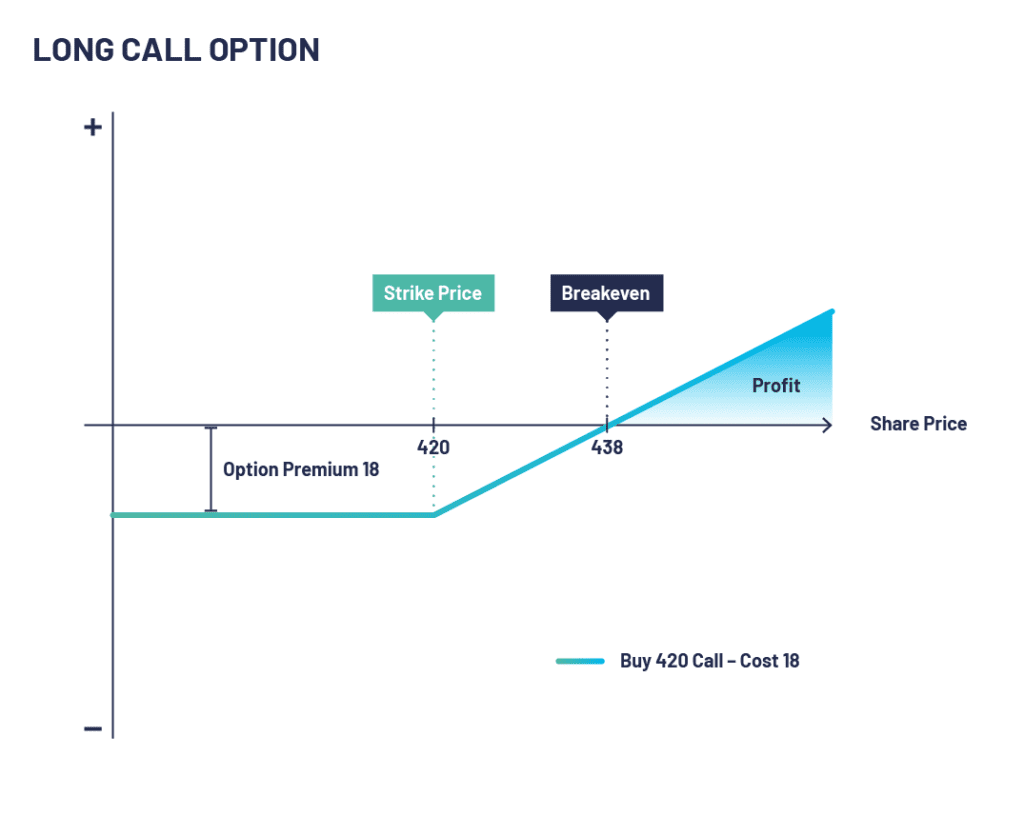
When you buy a call option on AAPL, you acquire the right—but not the obligation—to purchase 100 shares of Apple stock at a specified price (the strike price) on or before a designated date (the expiration date). In exchange for this right, you pay a non-refundable upfront fee known as the premium.
To select the right AAPL call option, you must navigate three interconnected variables:
- Directional Outlook & Target Price: How high do you expect AAPL to move?
- Time Horizon: How quickly do you expect AAPL to reach that price target?
- Volatility Environment: Is market pricing for AAPL option premiums currently expensive or cheap relative to historical standards?
Understanding how these elements interact prevents common novice errors, such as buying out-of-the-money options that expire worthless despite a favorable move in the underlying stock.
Step 1: Define Your Strategy and Time Horizon
Before browsing the AAPL option chain, clarify your primary trading goal. Call options serve distinct roles depending on your overarching strategy:
AAPL Call Option Strategies:
- Short-Term Speculation (1 to 14 Days to Expiry)
- Event-driven catalyst
- High Theta decay risk
- ATM or slight OTM
- Medium-Term Swing Trade (30 to 90 Days to Expiry)
- Trend capture
- Managed time decay
- Delta 0.50 to 0.70
- Long-Term Stock Replacement (12 to 24 Months to Expiry)
- Capital efficiency
- Low daily time decay
- Deep ITM (Delta > 0.80)
1. Short-Term Tactical Trades (1 to 14 Days)
Short-term traders seek to capitalize on immediate momentum, corporate announcements, or short-term technical breakouts. While short-dated call options (including weekly contracts) offer significant financial leverage and lower dollar premiums, they suffer from aggressive time decay.
2. Medium-Term Swing Trades (30 to 90 Days)
Swing traders aim to capture multi-week price trends, such as earnings run-ups or institutional accumulation cycles. Choosing contracts with 30 to 90 days to expiration (DTE) provides a cushion against temporary pullback noise while preserving a manageable rate of time decay.
3. Long-Term Stock Replacement (LEAPS)
Long-Term Equity Anticipation Securities (LEAPS) are call options with expiration dates extending one to two years into the future. Investors use deep In-The-Money (ITM) LEAPS as a capital-efficient alternative to buying 100 shares of AAPL stock outright, controlling equivalent stock movement for a fraction of the capital outlay.
Step 2: Select the Appropriate Strike Price (Moneyness)
Strike price selection determines the probability of profit, the cost of the option contract, and how sensitive your option's price will be to changes in AAPL’s stock price. Options are categorized into three states of moneyness:
AAPL Strike Price Map:
- Out-of-the-Money (OTM): Strike > Stock Price (High Risk / Low Prob)
- At-the-Money (ATM): Strike ≈ Stock Price (Balanced Risk / Decay)
- In-the-Money (ITM): Strike < Stock Price (Lower Risk / High Prob)
In-The-Money (ITM) Call Options (Delta: 0.65 to 0.90)
An ITM call has a strike price below the current trading price of AAPL stock.
- Characteristics: ITM options contain intrinsic value (the actual difference between the stock price and strike price) plus extrinsic value (time value).
- Pros: Higher probability of profit, high Delta (moves almost dollar-for-dollar with the stock), and less sensitivity to time decay.
- Cons: Requires a higher initial capital outlay (higher premium).
- Best For: Conservative investors and stock replacement strategies.
At-The-Money (ATM) Call Options (Delta: ~0.50)
An ATM call has a strike price virtually identical to AAPL’s current market price.
- Characteristics: Consists entirely of extrinsic value.
- Pros: Offers an optimal balance of leverage and sensitivity to price appreciation.
- Cons: Subject to maximum absolute dollar loss from time decay (Theta) as expiration approaches.
- Best For: Directional swing traders with high conviction in a medium-term upward trend.
Out-Of-The-Money (OTM) Call Options (Delta: < 0.40)
An OTM call features a strike price above AAPL’s current stock price.
- Characteristics: Contains zero intrinsic value; premium is composed purely of extrinsic (time and volatility) value.
- Pros: Low total cost per contract, providing extreme percentage leverage if AAPL makes a sharp, fast upward move.
- Cons: Low statistical probability of expiring in the money; high risk of losing 100% of the invested capital.
- Best For: Speculative catalyst plays where rapid price moves are anticipated.
Step 3: Evaluate Expiration Dates and Time Decay (Theta)
Option contracts lose value over time, a process known as time decay and quantified by the Greek letter Theta. Time decay is non-linear: it accelerates dramatically during the final 30 to 45 days before expiration.
Theta Decay Curve (Extrinsic Value):
- 120 Days: 100% Value
- 60 Days
- 30 Days
- 0 (Expiration): 0% Value
To optimize your position against Theta decay:
- Avoid the "30-Day Cliff": If you plan to hold an option position for several weeks, purchase options with 60 to 90 DTE. Plan to close or roll the contract around 30 DTE before time decay takes its heaviest toll.
- Match DTE to Catalyst Windows: If trading an upcoming product launch or earnings announcement, ensure your contract expires at least two to three weeks after the expected event. This shields your position from rapid decay while waiting for market digestion.
Rules governed by the U.S. Securities and Exchange Commission emphasize understanding contract specifications, including expiration cycles, to prevent accidental option forfeiture or unintended exercise.
Step 4: Analyze Implied Volatility (IV) and Vega Risk
Implied Volatility (IV) reflects the options market's forward-looking consensus regarding how volatile AAPL stock will be over the lifespan of a contract. Because IV directly inflates or deflates option premiums, buying call options during periods of elevated IV can lead to losses even if AAPL stock moves up—a scenario known as IV Crush.
Managing Volatility Around Apple Earnings
Apple reports corporate earnings quarterly, often driving spikes in implied volatility prior to the event, followed by an immediate drop in IV after news release.
- High IV Rank (> 70%): Options premiums are inflated. Buying plain call options before earnings carries severe IV crush risk. Spread strategies (such as Bull Call Spreads) are often preferable to offset high volatility costs.
- Low IV Rank (< 30%): Option premiums are relatively cheap. This provides an advantageous environment for purchasing long call options or long-dated LEAPS.
Investors can consult historical market parameters through institutional standard resources like the Options Industry Council or contract rules on the Cboe Exchange to analyze real-time implied volatility metrics.
Step 5: Master the Option Greeks for Selection Precision
The Option Greeks measure how an option contract’s price reacts to underlying financial variables. When choosing an AAPL call option, evaluate these four principal Greeks:
| Greek | What It Measures | Target Range for Long AAPL Call Buyers |
|---|---|---|
| Delta | Price sensitivity relative to a $1 move in AAPL stock. | 0.65 to 0.85 for conservative trades; 0.45 to 0.55 for swing trades. |
| Gamma | Rate of change of Delta per $1 move in AAPL stock. | Higher for short-dated ATM calls; lower for long-dated ITM options. |
| Theta | Daily dollar loss of option premium due to time decay. | Minimize by choosing contracts with > 45 Days to Expiration. |
| Vega | Price sensitivity per 1% change in Implied Volatility. | High in long-dated contracts; watch out for high Vega during pre-earnings. |
Selection Matrix: AAPL Call Options by Scenario
The following matrix synthesizes key parameters for standard investor profiles trading Apple Inc. options:
| Strategy / Objective | Recommended Expiration (DTE) | Target Moneyness | Target Delta | Risk Level | Optimal IV Environment |
|---|---|---|---|---|---|
| Short-Term Breakout Play | 14 – 30 Days | Slightly OTM or ATM | 0.45 – 0.55 | High | Low to Moderate IV |
| Quarterly Swing Trade | 60 – 90 Days | Slightly ITM or ATM | 0.55 – 0.70 | Moderate | Low to Moderate IV |
| Earnings Catalyst Trade | 30+ Days (Exp. after event) | ITM Call / Vertical Spread | 0.60 – 0.70 | High | Neutralize via Spreads |
| Stock Replacement (LEAPS) | 365 – 730 Days | Deep ITM | 0.80 – 0.90 | Low – Moderate | Low Historical IV |
Common Mistakes When Choosing AAPL Call Options
Even seasoned stock investors fall into recurring traps when transitioning to options:
- Buying Cheap Far-Out-Of-The-Money (OTM) Calls: Investors are often drawn to $2.00 call options far above the current stock price due to low dollar cost. Statistically, most of these contracts expire worth $0. Focus on delta and probability of profit over low absolute dollar pricing.
- Ignoring Implied Volatility Crush: Purchasing calls immediately prior to earnings often results in instant losses when IV drops post-announcement, even if AAPL stock moves upward slightly.
- Holding Contracts Too Close to Expiration: Exposing long positions to the final 14 days of the Theta decay curve rapidly erodes equity value. Establish clear rules to exit or roll positions prior to the final two weeks.
- Failing to Account for Dividend Ex-Dates: Apple pays regular quarterly dividends. Call holders do not receive dividends unless they exercise their options prior to the ex-dividend date. Additionally, stock prices adjust downward by the dividend amount on ex-date, which negatively impacts call option value.
Frequently Asked Questions
What is the safest call option to buy on AAPL?
While no option trade is completely safe, Deep In-The-Money (ITM) LEAPS with a Delta of 0.80 or higher and an expiration date 12 to 24 months out are considered the lowest-risk call options. They move similarly to underlying shares, feature minimal daily time decay (Theta), and provide long runway for long-term growth.
Should I buy In-The-Money (ITM) or Out-Of-The-Money (OTM) AAPL calls?
Choose ITM calls if you prioritize a higher probability of success, stock replacement efficiency, and minimal time decay risk. Choose OTM calls only for aggressive, short-term tactical plays where you expect a rapid upward price movement to offset incoming time decay.
How does implied volatility affect AAPL call option prices?
Implied Volatility (IV) measures anticipated stock price fluctuations. Higher IV inflates call option premiums, making contracts more expensive. Lower IV deflates premiums. If you buy a call when IV is unusually high, your option contract can drop in value if volatility cools off, even if AAPL’s share price remains unchanged.
When is the best time to sell or take profit on an AAPL call option?
Many professional options traders aim to close long call trades upon realizing a 50% to 100% gain on invested capital, or when the contract reaches 21 to 30 days before expiration to avoid accelerated Theta decay. Setting predefined profit targets and stop-loss limits helps protect portfolio equity.
How do Apple quarterly dividend payments affect call options?
When AAPL trades ex-dividend, its stock price typically opens lower by approximately the amount of the dividend payment. Because call values depend directly on stock price, this natural downward adjustment can cause call option values to drop slightly.
Next Steps for Execution
To choose and execute the optimal AAPL call option trade:
- Formulate a clear thesis: Determine your explicit target price and realistic timeframe for AAPL stock.
- Check implied volatility metrics: Verify that AAPL’s IV Rank or IV Percentile is favorable before purchasing outright calls.
- Filter the option chain: Target contracts with 60+ DTE for swing trades or 365+ DTE for long-term plays, focusing on 0.65 to 0.80 Delta strikes.
- Use limit orders: Always execute options trades using limit orders rather than market orders to control trade entry price within the bid-ask spread.
- Establish risk limits: Define clear exit parameters for both profit taking and loss mitigation prior to entering the trade.
Image Gallery