The Rise of Salon Profiles Magazine in Beauty Media: How Professional Spotlights Reshaped Trade Publishing
The rise of salon profiles magazine formats in beauty media reflects a strategic shift from product-centric advertising to human-centered B2B journalism. By spotlighting salon owners, business operations, interior design, and creative...
The rise of salon profiles magazine formats in beauty media reflects a strategic shift from product-centric advertising to human-centered B2B journalism. By spotlighting salon owners, business operations, interior design, and creative techniques, profile-driven publications provide actionable peer insights, validate professional credentials, and offer beauty brands high-converting contextual marketing channels.
Contents
The Evolution of Beauty Media: From Product Catalogs to Profile-Driven Publishing
For decades, professional beauty publications operated primarily as promotional catalogs for manufacturers and distributor networks. Early trade journalism in the beauty sector focused heavily on technical step-by-step guides, product launch announcements, and localized event coverage. While these formats provided utility to licensed cosmetologists, they often treated the salon enterprise itself as an abstract backdrop rather than an active commercial entity.
The transition toward profile-centric publishing gained momentum as the professional beauty economy diversified. The proliferation of independent salon suites, booth rental arrangements, and boutique multi-chair establishments created a new demographic of beauty entrepreneurs. These business owners required operational intelligence that extended beyond haircutting techniques or color formulas. They needed detailed analyses of square-footage revenue efficiency, client retention frameworks, compensation structures, and interior design strategies.
Trade media organizations responded by restructuring their editorial calendars around detailed salon spotlights. Rather than featuring products in isolation, publishers began documenting how specific salons integrated equipment, software, retail product lines, and staff training to achieve measurable commercial success. This editorial pivot transformed traditional trade magazines into case-study platforms, bridging the gap between artistic creation and business management.
Key Drivers Behind the Popularity of Salon Profile Publications
The sustained demand for salon profile magazines stems from structural shifts across both the beauty service economy and the B2B media landscape.
- Entrepreneurial Fragmentation (Growth of independent suites)
- Peer-to-Peer Knowledge Sharing (Demand for verified metrics)
- Contextual Brand Marketing (Educator and product placement)
- Recruitment & Culture Benchmarking (Attracting top creative talent)
1. Entrepreneurial Fragmentation and Suite Expansion
The expansion of suite franchises—such as Sola Salon Studios, Phenix Salon Suites, and MY SALON Suite—fundamentally altered the salon labor force. Tens of thousands of stylists transitioned from commission employees to sole proprietors. For these independent operators, salon profile magazines serve as a crucial benchmark for facility design, service pricing, and client experience management. Profiles detailing successful studio transformations offer reproducible blueprints for micro-enterprises.
2. Peer-to-Peer Knowledge Sharing Over Corporate Messaging
Modern beauty professionals demonstrate a clear preference for peer-validated advice over direct brand marketing. Salon profile features evaluate operational hurdles—such as managing salon management software migrations, handling staff turnover, or re-evaluating backbar pricing—through the authentic experiences of active owners. When an owner discusses how switching inventory management systems reduced overhead by 12 percent, the insight carries higher trust than a manufacturer's press release.
3. Contextual Advertising for Beauty Brands
Professional haircare, skincare, and equipment manufacturers face an increasingly crowded B2B marketplace. Placing advertisements alongside real-world salon profiles allows brands to demonstrate product efficacy within operational contexts. A profile highlighting an eco-conscious salon, for example, provides the ideal contextual environment for sustainable color lines, low-flow water heads, and cruelty-free retail collections.
4. Talent Recruitment and Retention Tooling
For mid-size and enterprise salons, being featured in a reputable profile publication serves as a major talent acquisition asset. Stylists seek out employers that demonstrate market stability, positive workplace culture, and industry recognition. Highlighting team dynamics, ongoing education allowances, and career pathing in a published magazine feature significantly strengthens a salon’s recruitment narrative.
Structural Comparison: Traditional Trade Media vs. Profile-Focused Publications
To understand the operational and value differences between traditional trade media formats and modern salon profile publications, consider the following structural comparison:
| Metric / Dimension | Traditional Product-Centric Trade Media | Modern Salon Profile Publications |
|---|---|---|
| Primary Editorial Focus | Product launches, technical step-by-steps, brand campaigns | Business models, owner interviews, design case studies |
| Target Audience | Individual technicians, stylists, brand distributors | Salon owners, suite renters, creative directors, managers |
| Content Structure | Short-form news, product roundups, visual trend books | Deep-dive feature articles, quantitative metrics, photo essays |
| Brand Integration | Display ads, sponsored advertorials, press releases | In-use equipment spotlights, backbar case studies, partner profiles |
| Primary Reader Value | Artistic inspiration and product awareness | Operational benchmarks, peer learning, financial strategies |
| Media Distribution | Controlled print circulation, direct distributor mailings | Multi-channel print, digital interactive issues, social syndication |
| Lifespan of Content | Short (tied to product promotional cycles) | High archival value (referenced for design and business planning) |
Core Elements of an Authoritative Salon Profile Feature
A comprehensive salon profile goes far beyond aesthetic photography. High-value B2B beauty publications follow structured editorial frameworks to ensure profiles deliver actionable intelligence to readers.
- Facility & Concept
- Square footage
- Aesthetic theme
- Layout optimization
- Financials & Menu
- Average ticket size
- Retail vs. service
- Signature treatments
- Team & Tech
- Booking software
- Commission model
- Education budget
Architectural Layout and Spatial Design
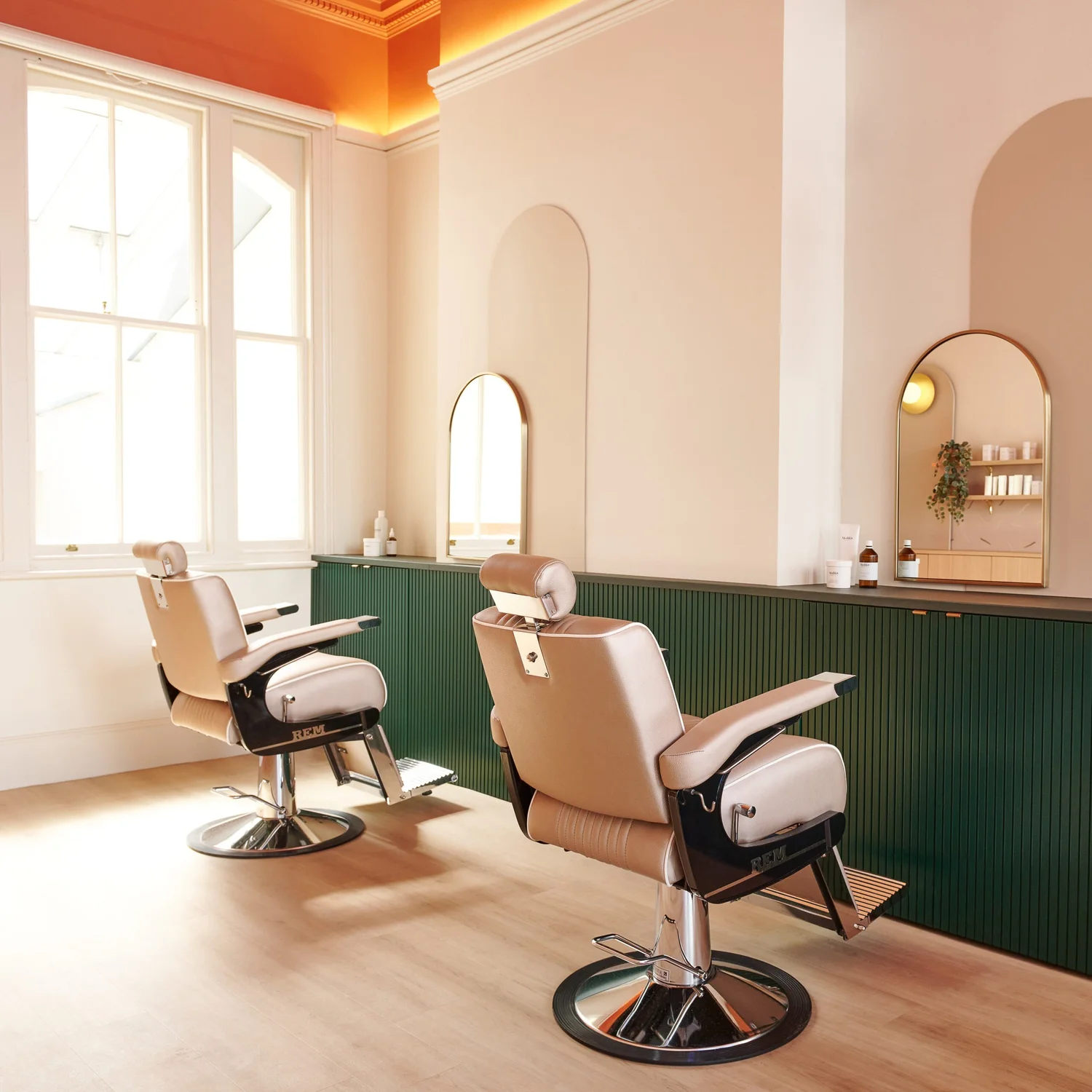
The physical layout of a salon directly impacts square-foot profitability and client flow. Profiles examine architectural decisions, such as station placement, wash-lounge lighting, processing area acoustics, and retail display positioning. Visual floor plans and high-resolution photography showcase how space design supports daily operations.
Service Menu Architecture and Pricing Strategies
Profitable salons balance high-margin chemical services with add-on treatments and retail sales. Profiles frequently analyze service pricing structures, tiered stylist menus, and how specialized offerings (such as scalp treatments or hair extension consultations) elevate the average ticket size.
Technology Stack and Operational Software
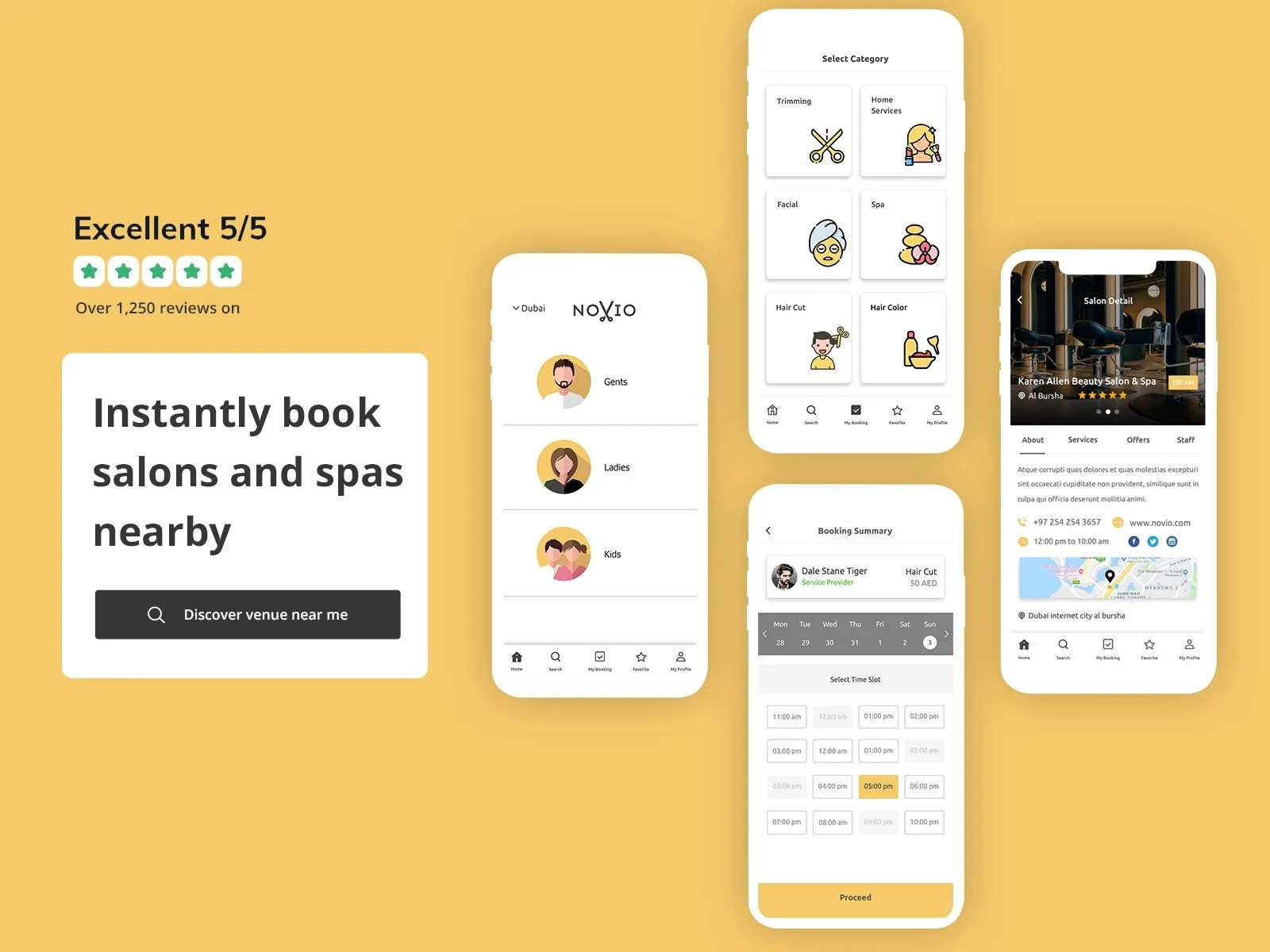
Modern salon operations depend heavily on digital infrastructure. In-depth profiles explore the specific salon management software used for online booking, automated text reminders, inventory management, and stylist commission tracking. Detailing these integration choices helps other salon owners evaluate their own operational efficiency.
Culture, Compensation, and Staff Development
Managing creative professionals requires clear career progression paths and robust workplace cultures. Salon profiles highlight compensation models (such as hybrid commission, team-based pay, or booth rental structures), employee benefits, and continuing education budgets that contribute to low employee turnover.
Digital Transformation: How Salon Profiles Adapted to Multi-Platform Media
The evolution of print magazines into digital ecosystems transformed how salon profiles are consumed and shared. Modern beauty trade media brands no longer rely solely on physical print issues; they leverage multi-platform publishing strategies to maximize reach and engagement.
Interactive Digital Editions and Rich Media
Digital publications incorporate interactive elements into salon features. Readers can view interactive 360-degree salon walkthroughs, click embedded links to order featured backbar equipment, or view video interviews with salon owners directly within the digital magazine page.
Social Media Syndication and Short-Form Video
Salon profile features generate substantial social media content. Publishers repurpose print interviews into short-form video tours on platforms like Instagram Reels and TikTok, spotlighting unique interior features or behind-the-scenes staff routines. This cross-platform distribution amplifies the salon’s local visibility while extending the magazine's brand footprint.
Data-Driven Regional Spotlights
Digital distribution enables publishers to create region-specific salon profile features and hyper-targeted digital editions. By analyzing digital readership data, media outlets can tailor profiles to focus on city-specific real estate costs, regional regulatory compliance, or local market consumer preferences.
How Salon Owners Can Secure Profile Coverage
Earning a feature in a national or regional salon profile magazine provides significant authority, PR value, and credibility. Editors look for specific operational and visual indicators when selecting salons to profile.
- Professional Architectural Photography (High-res interiors)
- Clear Business Angle (Unique story, rapid growth, eco-focus)
- Measurable Results (Retain rate, retail growth, team expansion)
- Complete Media Kit (Owner bio, brand stack, press summary)
- Invest in Professional Interior Photography: High-resolution, professionally lit photography of the reception, styling floor, wash lounge, and retail display is mandatory for print consideration.
- Identify a Distinct Narrative Angle: Magazines rarely feature generic salons. Highlight a distinct operational narrative, such as a zero-waste sustainability model, exceptional retail sales conversion, innovative team compensation, or a historical building restoration.
- Compile Clear Operational Data: Editors value concrete metrics over vague statements. Be prepared to share verified benchmarks, such as client retention rates, square footage, team size, or annual retail growth.
- Build a Comprehensive Press Kit: Maintain an up-to-date digital media kit containing high-resolution images, owner biographies, a summary of service offerings, and a list of primary product and software partners.
- Engage with Editorial Pitch Calls: Monitor trade media editorial calendars and pitch submissions. Many publications host annual design awards or special issues dedicated to salon interior design and business excellence.
Frequently Asked Questions
What is a salon profile magazine in beauty media?
A salon profile magazine is a B2B beauty publication or editorial section dedicated to featuring real-world salon businesses. Rather than focusing solely on hair trends or product reviews, these profiles analyze salon architecture, business management, service pricing, culture, and operational strategies.
How do salon profile magazines benefit salon owners?
Featured salons gain national and local PR exposure, which enhances brand authority, attracts potential clients, and strengthens recruitment efforts for high-performing stylists. Additionally, features serve as third-party validation when negotiating vendor contracts or expansion financing.
Are salon profiles strictly paid advertorials or editorial features?
While paid advertorial profiles exist, reputable beauty media outlets maintain strict separation between paid brand content and earned editorial features. Earned profiles are selected by journalists based on design innovation, business growth, or industry leadership, whereas paid profiles are designated as sponsored content.
What details do editors evaluate when choosing a salon to feature?
Editors evaluate visual appeal (high-quality interior design and professional photography), business uniqueness (sustainability, novel compensation models, unique service concepts), measurable performance metrics, and the owner's willingness to share transparent business insights.
How has digital publishing changed salon profile magazines?
Digital publishing transformed static print profiles into multi-platform media assets. Readers can now access interactive video tours, click product links, listen to accompanying podcast interviews, and share profile content across social media channels, significantly extending the reach of every feature.
Recommended Next Steps for Salon Operators and Industry Marketers
To leverage the trend of profile-driven beauty media effectively, industry stakeholders should implement a structured PR and media engagement plan:
- Audit Visual Assets: Commission a professional photographer to capture architectural, detail, and team photos of your salon facility. Ensure image files meet standard print resolution requirements (300 DPI minimum).
- Define Your Core Business Narrative: Identify what sets your operational model apart from competitors—whether it is your client onboarding process, specialized service menu, staff education program, or eco-friendly facility design.
- Track Editorial Calendars: Follow major beauty trade outlets—such as Modern Salon, American Salon, Salon Magazine, and regional trade publications—to identify upcoming feature themes and annual salon design competitions.
- Build Relationship Networks: Connect with trade editors and industry journalists on professional network platforms. Share unique business milestones, facility updates, and regional industry insights to establish your salon as a reliable editorial resource.
Image Gallery