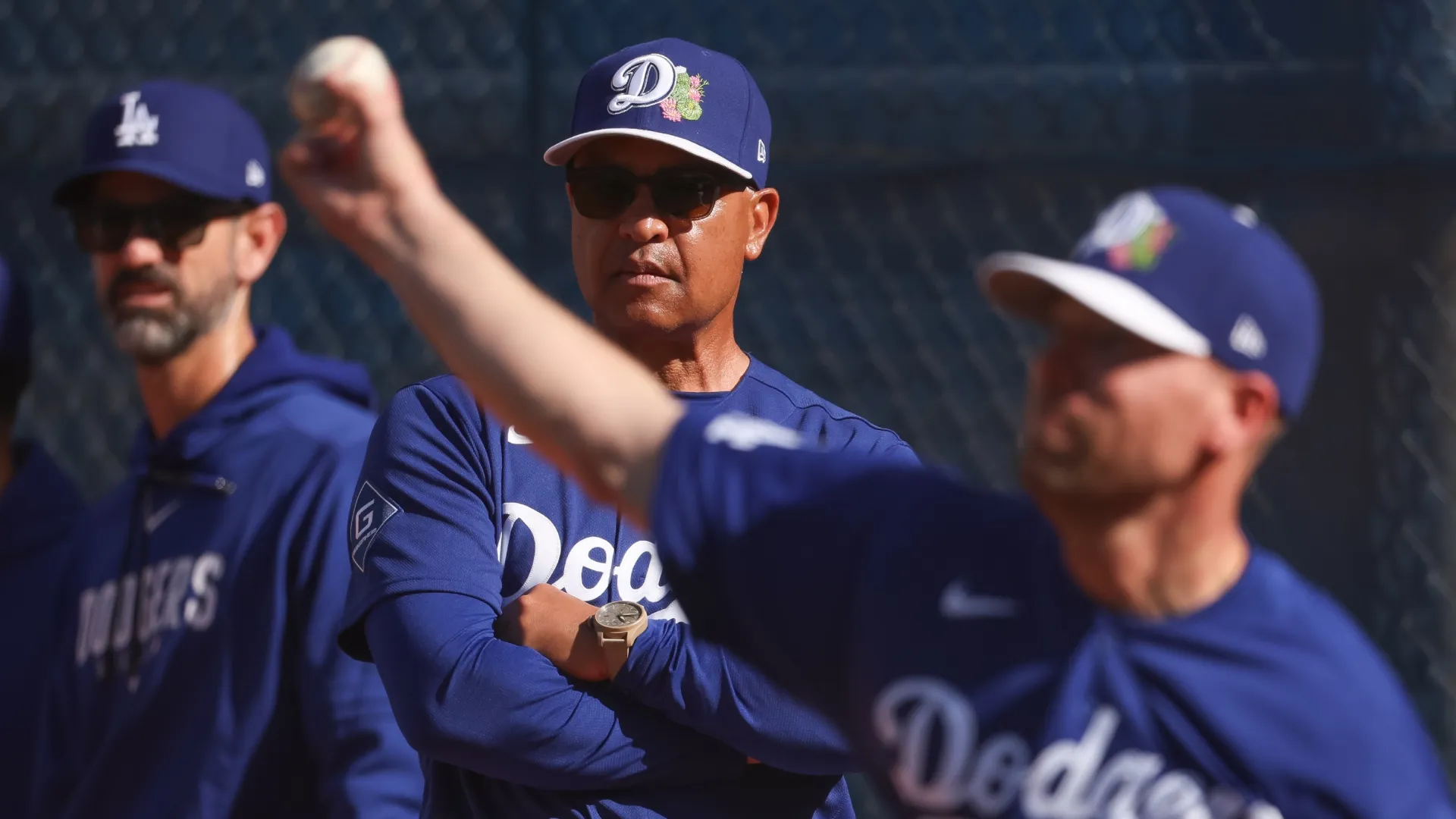
Dave Roberts' Dodgers Player Impact Over Time: From Outfielder to Managerial Leader
Dave Roberts has profoundly shaped the Los Angeles Dodgers across two distinct eras: first as a gritty, high-speed outfielder from 2002 to 2004, and later as the club's manager starting in 2016. His impact evolved from setting a dynami...
Dave Roberts has profoundly shaped the Los Angeles Dodgers across two distinct eras: first as a gritty, high-speed outfielder from 2002 to 2004, and later as the club's manager starting in 2016. His impact evolved from setting a dynamic on-field tone as a player to establishing an analytics-driven, player-centric culture that maximizes individual roster talent, maintains clubhouse harmony, and delivers consistent postseason contention.
Contents
The Dual Legacy of Dave Roberts in Los Angeles
When analyzing Dave Roberts' impact on the Los Angeles Dodgers over time, it is essential to distinguish between his contributions as an active player and his far-reaching influence as the franchise's manager. While most casual baseball fans associate Roberts with his legendary stolen base for the Boston Red Sox during the 2004 American League Championship Series, his formative years as a everyday Major League starter were forged in Los Angeles.
Returning to the organization in November 2015 as manager, Roberts brought a deep understanding of the pressure, expectations, and culture of playing in Southern California. Over a decade into his managerial tenure, his impact on player performance, roster construction, and clubhouse environment has become one of the defining narratives of modern baseball analytics and management.
Phase 1: On-Field Impact as a Dodgers Player (2002–2004)
Acquired by the Dodgers from the Cleveland Guardians (then Indians) prior to the 2002 season, Dave Roberts quickly established himself as a fan favorite and an essential top-of-the-order catalyst.
Dave Roberts Player Statistics (Los Angeles Dodgers: 2002–2004) ------------------------------------------------------------------ Year Games Batting Avg On-Base % Stolen Bases Runs Scored 2002 127 .277 .353 45 64 2003 107 .250 .331 40 61 2004* 96 .253 .331 33 64 ------------------------------------------------------------------ *Traded to Boston in July 2004.
Speed and Leadoff Dynamics
During his three seasons in Los Angeles, Roberts was the team's primary speed threat. In 2002, he stole 45 bases while posting a solid .353 on-base percentage. His ability to disrupt opposing pitchers created high-leverage scoring opportunities for run producers behind him, such as Shawn Green and Paul Lo Duca.
Defensive Reliability
Playing primarily in center field, Roberts covered extensive ground at Dodger Stadium. His range and disciplined route-running translated into high defensive efficiency metrics, stabilizing an outfield unit during a transitional period for the franchise.
Operational Leadership in the Dugout
Even during his playing days, teammates and coaches noted Roberts' keen baseball IQ. He was known for studying opposing pitchers' pickoff moves and delivery times, laying the groundwork for the meticulous preparation that would later define his coaching philosophy.
Phase 2: Transitioning to the Managerial Era (2016–Present)
When the Dodgers hired Dave Roberts as manager ahead of the 2016 season, front-office dynamics in Major League Baseball were undergoing a massive shift toward advanced data integration. Roberts bridged the gap between front-office quantitative research and on-field human execution.
Empowering Superstars and Managing Egos
One of Roberts' greatest strengths over time has been his ability to manage high-profile talent while keeping team goals paramount. Navigating clubhouses featuring franchise icons and perennial All-Stars—including Clayton Kershaw, Mookie Betts, Freddie Freeman, and Shohei Ohtani—requires high emotional intelligence. Roberts maintains clear communication regarding roles, rest days, and lineup positions, minimizing internal friction across long 162-game seasons.
Platoon Optimization and Role Maximization
Under Roberts' guidance, the Dodgers became the gold standard for player utilization and positional flexibility. Roberts routinely platoons players based on matchup metrics, allowing utility players to maximize their value.
- Chris Taylor & Enrique Hernández: Utilized across outfield and infield positions, leveraging specific matchup advantages.
- Max Muncy: Transformed from a minor-league release into a middle-of-the-order slugger through targeted plate-discipline philosophy and role clarity.
- Will Smith: Developed into an elite offensive catcher while managing workload distribution to maintain late-season freshness.
Pitching Staff and Bullpen Management
Roberts’ approach to handling pitchers has evolved significantly over his time in Los Angeles. Initially criticized by traditionalists for pulling starting pitchers early in games to avoid the "third-time-through-the-order" penalty, Roberts’ data-backed strategies proved prescient across the league. He pioneered modern bullpen management, utilizing high-leverage relievers in critical middle-inning situations rather than saving them strictly for ninth-inning save opportunities.
Evolution of Player Impact Across Distinct Eras
To understand how Roberts' influence has matured, his tenure as manager can be divided into three distinct operational phases:
1. The Foundation and Culture Building Era (2016–2019)
Taking over a team that had won consecutive division titles but struggled in October, Roberts immediately altered clubhouse dynamics. He won the NL Manager of the Year award in 2016 after navigating a record number of player injuries. During this stretch, he focused on establishing an environment where players felt comfortable taking calculated risks on the field while adhering to strict analytical game plans.
2. The Championship Era (2020–2023)
During the shortened 2020 season, Roberts managed player health and psychological focus through unprecedented operational circumstances, culminating in the Dodgers' first World Series championship since 1988. In subsequent seasons, his player impact centered on maintaining motivation after reaching the pinnacle of the sport, managing heavy inning loads for elite rotation arms, and helping veteran players adjust to aging curves.
3. The Megastar Integration Era (2024–2026)
With the Dodgers making historic roster additions, Roberts' primary task shifted toward tactical integration and external pressure mitigation. Managing multi-mvp lineups requires continuous workload balancing, strategic designated hitter rotations, and protecting star players from burnout ahead of October play.
Comparative Matrix: Impact Dimensions of Dave Roberts' Dodgers Tenure
| Era / Role | Primary Player Focus | Strategic Approach | Key Player Beneficiaries | Measurable Impact / Outcome |
|---|---|---|---|---|
| Player Era (2002–2004) | Base-stealing, top-of-order run creation, center field defense | Aggressive baserunning, high contact, outfield coverage | Shawn Green, Paul Lo Duca, Adrian Beltre | 118 stolen bases in 330 games; high top-of-order OBP. |
| Early Managerial Era (2016–2019) | Establishing culture, platoons, third-time-through pitcher limits | Analytics integration, positional versatility | Justin Turner, Chris Taylor, Corey Seager | 4 consecutive NL West titles; 2 NL Pennants (2017, 2018). |
| Championship Era (2020–2023) | Workload management, maintaining winning standards, bullpen usage | Flexible leverage roles, rest management | Clayton Kershaw, Julio Urías, Will Smith | 2020 World Series Title; multiple 100+ win regular seasons. |
| Modern Megastar Era (2024–2026) | Integrating hall-of-fame talent, lineup harmony, postseason optimization | Lineup stability, low-stress communication | Mookie Betts, Freddie Freeman, Shohei Ohtani | 2024 World Series Title; sustained elite offensive output. |
Strategic Lessons from Roberts' Player Management Style
Open Communication Prevents Clubhouse Friction
Unlike traditional managers who communicated decisions through posted lineup cards, Roberts engages in proactive daily conversations with players regarding rest schedules, platoon sit-outs, and bullpen availability. This transparency reduces resentment among veteran players who might otherwise resist benching or load management.
Value Creation at the Roster Fringe
A signature of Roberts' tenure is the continuous development of non-roster invitees and waiver claims into productive everyday contributors. By giving role players defined scenarios where they are statistically favored to succeed, he builds confidence across all 26 roster spots.
Resilience Through Slumps
Roberts is known for steadfast public support of his players during performance slumps or defensive errors. By insulating players from media critique and avoiding reactionary lineup changes, he provides stability that helps talent bounce back over a grueling season.
Frequently Asked Questions
How did Dave Roberts perform as a player for the Los Angeles Dodgers?
Dave Roberts played for the Dodgers from 2002 until July 2004, serving as the team's primary center fielder and leadoff hitter. He posted a .263 batting average and stole 118 bases in 330 games, acting as a major spark plug for the offense before being traded to the Boston Red Sox.
What is Dave Roberts' managerial record with the Dodgers?
Since taking over in 2016, Dave Roberts has led the Dodgers to annual postseason appearances, numerous NL West division titles, multiple National League pennants, and World Series championships in 2020 and 2024. He maintains one of the highest managerial winning percentages in Major League Baseball history.
How has Dave Roberts impacted player workload and health management?
Roberts was an early adopter of sports science and advanced metrics to protect player health. He systematically limits starting pitchers' pitch counts, uses rotational rest days for key position players, and relies heavily on a flexible bullpen to prevent player burnout before the postseason.
Why do players enjoy playing for Dave Roberts?
Players consistently cite Roberts' open communication, empathy, and positive reinforcement. He provides clear explanations for strategic decisions—such as platooning or rest days—and maintains a supportive environment where players feel backed even during extended slumps.
How did Dave Roberts transition from player to successful MLB manager?
After retiring as a player in 2008, Roberts worked as a special assistant in the San Diego Padres front office, later becoming their bench coach. His combination of on-field playing experience, front-office analytical training, and natural interpersonal skills made him an ideal candidate for the Dodgers' modern operational structure in 2016.
Practical Takeaway: Key Leadership Principles
Dave Roberts' evolution with the Los Angeles Dodgers demonstrates that long-term organizational success relies on combining quantitative data with human empathy. Leaders across any industry can apply several core principles from his trajectory:
- Prioritize Transparency: Clear, advance communication about roles and rest minimizes friction when executing difficult tactical decisions.
- Optimize for Strengths: Position team members in specific scenarios where metrics indicate they are most likely to succeed, rather than expecting everyone to be an everyday generalist.
- Maintain Emotional Stability: Consistent support during low-performing periods creates psychological safety, allowing high performers to recover quickly and sustain elite output over time.
Image Gallery