The Legal and Security Investigations of John Bolton: A Comprehensive Overview
John Bolton, the former National Security Advisor, was primarily investigated by the U.S. Department of Justice (DOJ) in 2020 and 2021 regarding the publication of his memoir, The Room Where It Happened. The investigation centered on w...
John Bolton, the former National Security Advisor, was primarily investigated by the U.S. Department of Justice (DOJ) in 2020 and 2021 regarding the publication of his memoir, The Room Where It Happened. The investigation centered on whether he disclosed classified information without authorization and bypassed the required pre-publication security review process.
Contents
The scrutiny surrounding John Bolton remains a significant case study in the intersection of national security, executive privilege, and the First Amendment. As of 2026, the legal precedents set during the various probes into Bolton’s conduct continue to influence how high-ranking officials handle sensitive information in post-government life. To understand why Bolton was under investigation, one must look at the specific legal mechanisms of the pre-publication review, the criminal grand jury proceedings, and the subsequent resolution of these cases.
The Catalyst: "The Room Where It Happened"
The primary reason John Bolton came under federal investigation was the 2020 release of his memoir, The Room Where It Happened: A White House Memoir. Bolton served as the National Security Advisor (NSA) under President Donald Trump from April 2018 to September 2019. Upon leaving his post, he sought to publish a detailed account of his tenure, which included highly critical descriptions of the administration's foreign policy.
Before any former intelligence or high-level security official can publish a book, they are legally bound by non-disclosure agreements (NDAs) to submit their manuscript for a pre-publication security review. This process is designed to ensure that no "Top Secret" or "Sensitive Compartmented Information" (SCI) is released to the public.
The investigation was triggered when the Trump administration's National Security Council (NSC) claimed that Bolton’s manuscript still contained classified information, despite Bolton’s assertions that he had worked extensively with career officials to scrub the text of sensitive data.
The Civil Lawsuit: Breach of Contract and Royalties
In June 2020, the Department of Justice filed a civil lawsuit against Bolton. The government’s primary goal was not necessarily to stop the book—which had already been distributed to warehouses—but to seize the proceeds from its sale.
The Government's Allegations
The DOJ argued that Bolton had breached his fiduciary duty and his contractual obligations. They claimed he "walked away" from the review process before receiving formal, written authorization that the manuscript was cleared. The lawsuit sought a "constructive trust" over Bolton’s profits, meaning all royalties from the book would be diverted to the U.S. Treasury.
Bolton’s Defense
Bolton’s legal team, led by attorney Charles Cooper, argued that the administration was using the classification process as a pretext for censorship. They pointed to the fact that the career official in charge of the review, Ellen Knight, had initially indicated the manuscript was "clean" after months of revisions. However, a second review was then ordered by a political appointee, Michael Ellis, which Bolton’s team characterized as a politically motivated attempt to suppress the book before the 2020 election.
The Criminal Investigation and Grand Jury
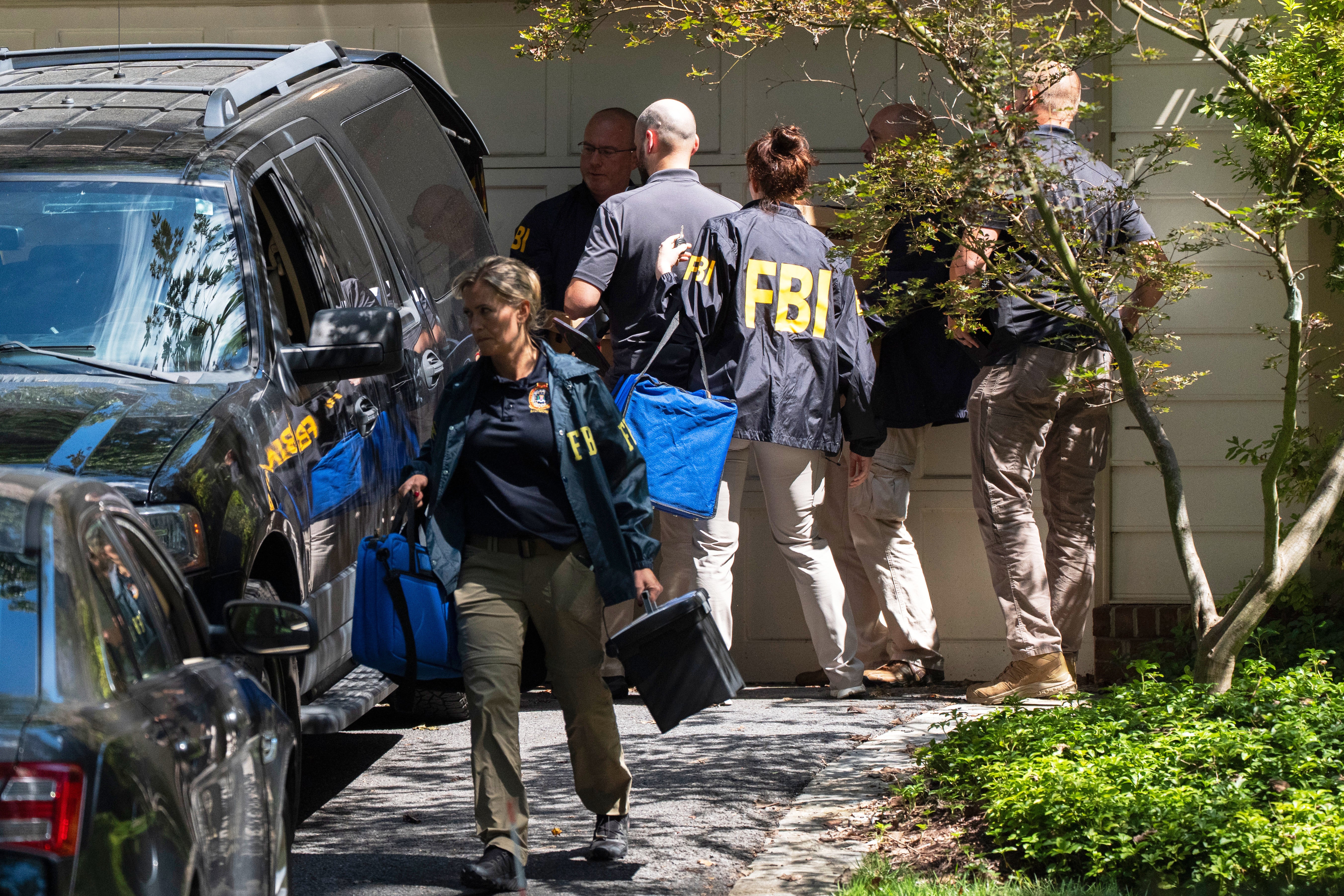
While the civil suit was widely publicized, a more serious threat emerged in the form of a criminal investigation. In late 2020, the Justice Department opened a grand jury investigation to determine if Bolton had willfully disclosed classified information, which is a felony under the Espionage Act.
The criminal probe focused on:
- Intent: Whether Bolton knew the information was classified and chose to publish it anyway.
- The Review Process: Whether Bolton’s decision to proceed without a final "cleared" letter constituted a criminal bypass of security protocols.
- Specific Disclosures: Investigating if specific passages regarding North Korea, China, or Ukraine contained details that could damage national security.
For several months, the threat of an indictment hung over the former National Security Advisor. Federal prosecutors issued subpoenas to the book’s publisher, Simon & Schuster, and interviewed officials involved in the review process.
The Resolution: Dropping the Charges in 2021
The investigation into John Bolton took a decisive turn following the change in presidential administrations. In June 2021, under the leadership of Attorney General Merrick Garland, the Department of Justice moved to dismiss both the civil lawsuit and the criminal investigation.
Reasons for Dismissal
The decision to drop the case was multi-faceted:
- Difficulty of Prosecution: Proving "willful" intent is a high legal bar. Given that Bolton had cooperated with Ellen Knight for months and made hundreds of changes, a jury might have found that he acted in good faith.
- The "Censorship" Narrative: Internal documents from Ellen Knight suggested that the White House had indeed interfered with the review for political reasons. This would have made the government's case vulnerable to a First Amendment defense.
- Resource Allocation: The DOJ concluded that continuing a long, expensive legal battle against a former official was not in the "interests of justice" or the best use of departmental resources, especially after the book had been widely read.
As a result, Bolton was allowed to keep the royalties from his book sales, and the criminal grand jury was disbanded without any charges being filed.
Comparison of Legal Actions Against John Bolton
The following table summarizes the two distinct legal tracks the U.S. government took against Bolton during the 2020-2021 period.
| Feature | Civil Lawsuit (2020) | Criminal Investigation (2020-2021) |
|---|---|---|
| Primary Goal | To seize book royalties and profits. | To determine if a crime (Espionage Act) was committed. |
| Legal Basis | Breach of Contract / NDA violations. | Willful disclosure of classified information. |
| Initiated By | Trump Administration DOJ. | Trump Administration DOJ (Grand Jury). |
| Key Evidence | Lack of a final "cleared" letter from the NSC. | Manuscript contents and testimony from reviewers. |
| Outcome | Dismissed by the DOJ in June 2021. | Closed without charges in June 2021. |
| Long-term Impact | Clarified the risks of the pre-publication process. | Reinforced the high burden of proof for "willfulness." |
Disambiguation: Bolton as a Victim (The Iranian Plot)
It is important to distinguish the investigations into John Bolton from the investigations where he was the target of foreign threats. In 2022, the Department of Justice unsealed an indictment against Shahram Poursafi, a member of Iran’s Islamic Revolutionary Guard Corps (IRGC).
Poursafi was charged with attempting to arrange the murder-for-hire of John Bolton, likely in retaliation for the January 2020 drone strike that killed Iranian General Qasem Soleimani. While this involved the FBI and DOJ investigating a "Bolton-related" matter, Bolton was the victim and the complainant, not the subject of the probe. In 2026, this threat remains a point of high-level security concern, as Bolton continues to receive government-funded security detail due to persistent threats from foreign adversaries.
Legacy of the Investigations
The investigations into John Bolton have left a lasting mark on Washington D.C.'s legal landscape. They highlighted the vulnerabilities in the Pre-publication Classification Review (PCR) system. Following the Bolton case, there have been bipartisan calls for a more transparent, time-bound review process that prevents political appointees from overriding career security professionals.
For future officials, the Bolton case serves as a cautionary tale. While he successfully retained his earnings and avoided prosecution, the legal fees were substantial, and the process damaged his relationships within the intelligence community. It also underscored the power of the "constructive trust" as a deterrent for those considering bypassing official channels to publish sensitive memoirs.
Frequently Asked Questions
1. Did John Bolton go to jail?
No, John Bolton was never charged with a crime. Although a criminal grand jury was impaneled to investigate potential violations of the Espionage Act, the Justice Department closed the investigation in 2021 without filing any charges.
2. Did the government successfully seize his book profits?
No. While the original lawsuit sought to take all royalties from The Room Where It Happened, the Department of Justice dropped the civil suit in June 2021. Bolton was permitted to keep the millions of dollars earned from the book’s sales.
3. What specific classified information was allegedly in the book?
The government never publicly released a full list of the alleged classified passages, as doing so would further disclose the secrets. However, the NSC hinted that the book contained sensitive details regarding communications with foreign leaders, specifically involving China, Turkey, and Ukraine.
4. Was the investigation politically motivated?
Bolton and his legal team argued that it was. They pointed to the involvement of political appointees in the review process after career staff had already approved the manuscript. The DOJ under the subsequent administration ultimately decided that the case was not worth pursuing, which some analysts interpret as a recognition of the flawed nature of the original probe.
5. Is John Bolton still under investigation today?
As of 2026, there are no active federal investigations into John Bolton regarding his time in the White House or his memoir. The legal matters related to his book were fully resolved in 2021.
Practical Recommendation: For researchers or authors handling sensitive government data, the Bolton case emphasizes the necessity of obtaining a final, written completion letter from the relevant security review board before publication. Relying on verbal assurances from reviewers, even career professionals, is insufficient to protect against breach-of-contract claims or the seizure of intellectual property. Always consult with a specialized national security attorney if a review process becomes stalled or appears to be influenced by political considerations.
Image Gallery