Analyzing the Career Trajectory and Financial Standing of Che Noir
As of 2026, there is no verified public record of Che Noir’s exact net worth, as she operates as an independent artist within the underground hip-hop scene. While her financial status remains private, her income is derived primarily fr...
As of 2026, there is no verified public record of Che Noir’s exact net worth, as she operates as an independent artist within the underground hip-hop scene. While her financial status remains private, her income is derived primarily from music streaming royalties, independent album sales, merchandise, and performance fees associated with her career as a professional rapper and songwriter.
Contents
The Rise of an Independent Lyricist
Che Noir, born and raised in Buffalo, New York, has carved out a significant niche in the contemporary rap landscape by prioritizing lyricism, complex storytelling, and a gritty, authentic aesthetic. Her entry into the music industry was marked by a commitment to the "independent" model, a pathway that fundamentally shapes how artists of her stature accumulate and report wealth.
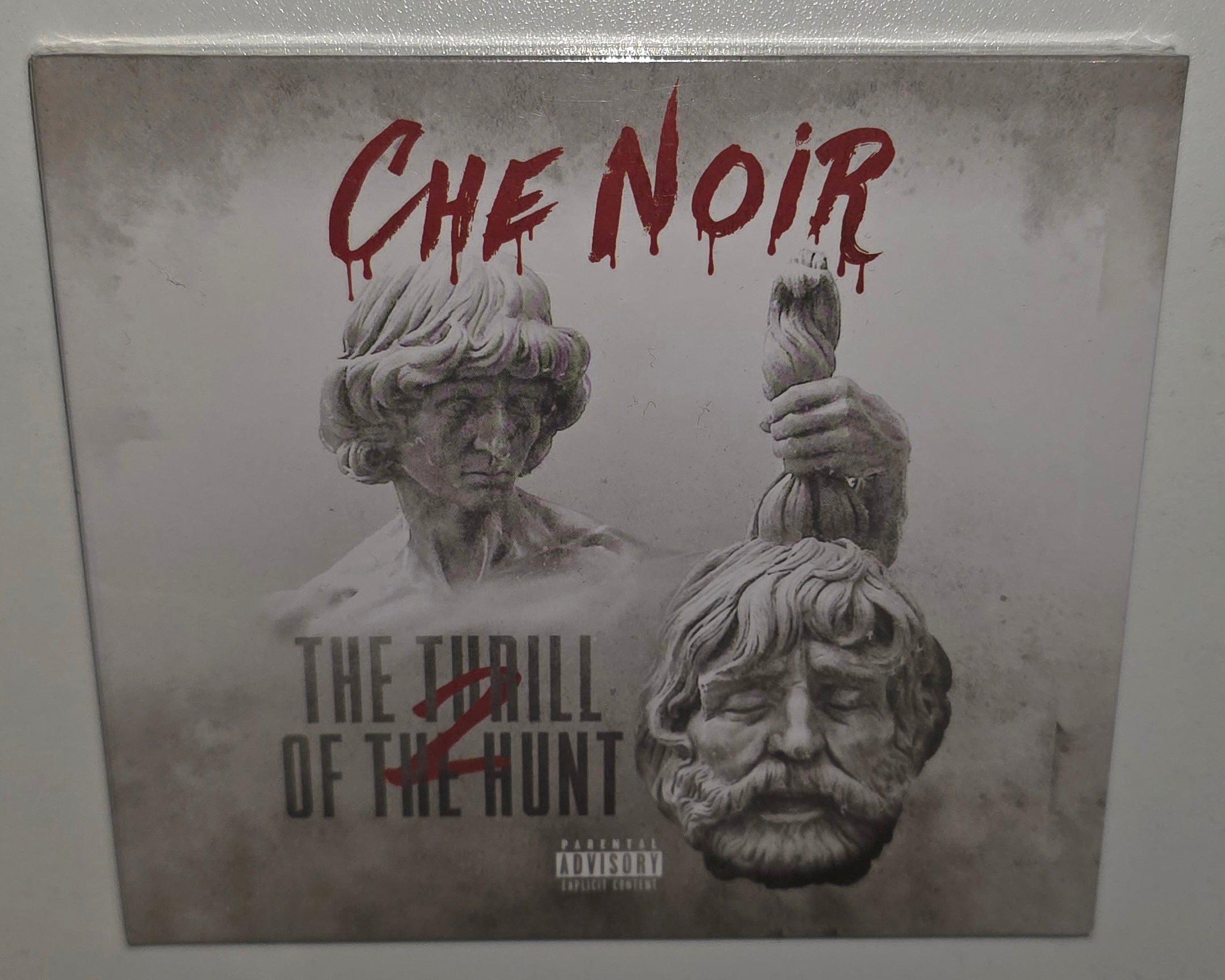
Unlike mainstream artists signed to major labels, where financial structures often involve significant advances and recoupable costs, independent artists like Che Noir manage their own production, marketing, and distribution. While this allows for greater creative control and a larger percentage of ownership over their masters, it also means that the artist assumes all the financial risk. As of 2026, her discography—which includes critically acclaimed projects like Food for Thought and Thrill of the Hunt—serves as her primary asset.
Revenue Streams in the Independent Hip-Hop Model
For an artist in the underground circuit, "net worth" is not typically reflected in the traditional metrics used for high-profile celebrities. Instead, wealth is accumulated through a diverse portfolio of revenue streams. Understanding these components is essential to evaluating the financial mechanics of an independent musician’s career.
- Music Royalties: These include mechanical royalties from physical sales and digital streams. Platforms like Spotify, Apple Music, and Tidal provide fractional payments per stream. For artists with a dedicated cult following, the cumulative effect of these streams provides a consistent, albeit modest, baseline income.
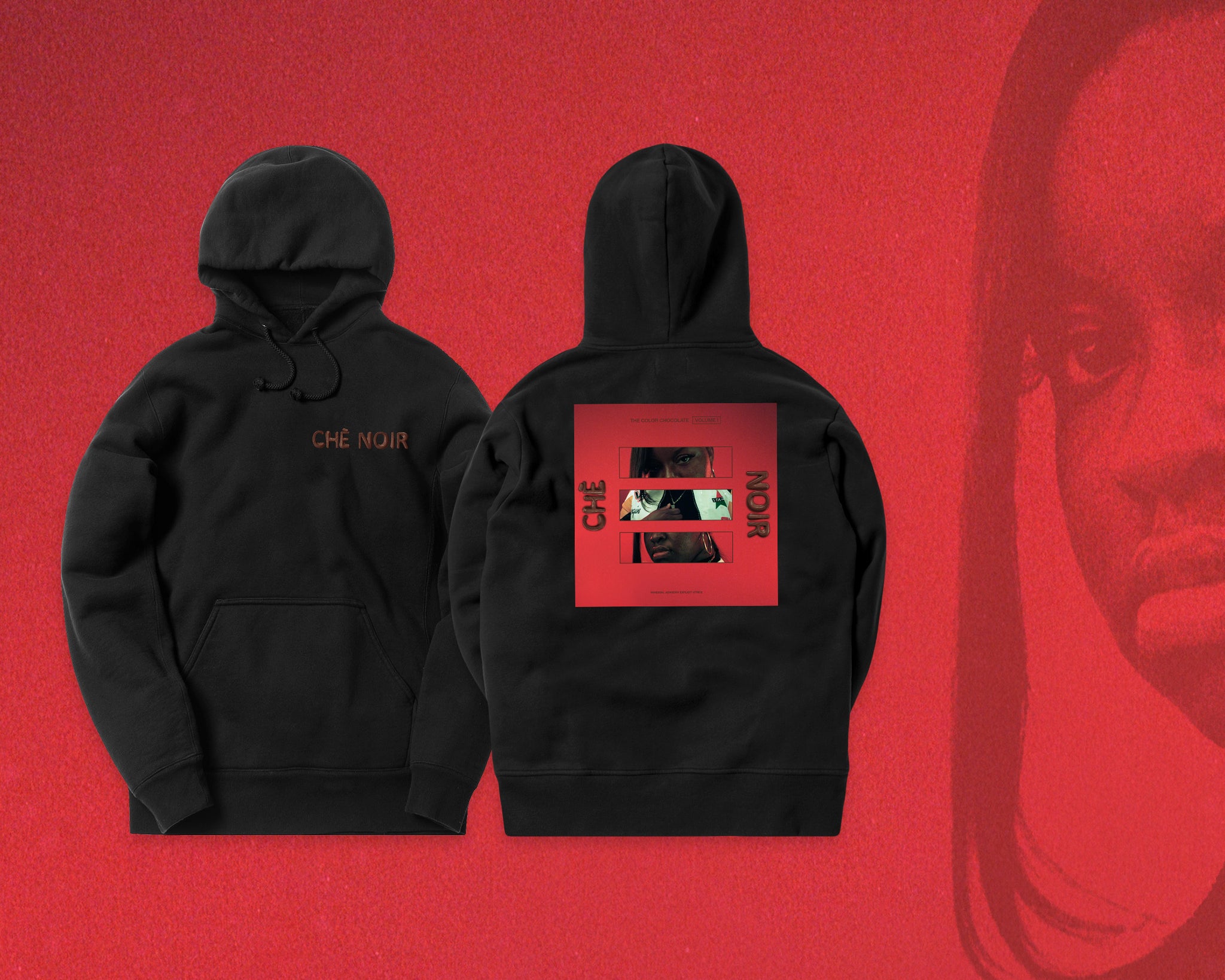
- Physical Media and Merchandising: Independent hip-hop has seen a resurgence in physical media, particularly vinyl records and limited-edition cassettes. Collectors value these physical releases, and the profit margins on direct-to-consumer sales of merchandise (hoodies, shirts, and signed memorabilia) are significantly higher than digital streaming revenue.
- Performance Fees: Live appearances, festivals, and specialized club dates remain a cornerstone of an artist's income. By 2026, the cost of booking an artist of Che Noir's caliber reflects her status as a respected lyricist in the Buffalo rap scene, which has gained international attention through the work of Griselda Records and its affiliates.
- Sync Licensing: Occasionally, independent music is featured in television, film, or video games. These "sync" deals represent a significant one-time payout for an independent artist, though they are often dependent on the artist's ability to clear rights—a process that is simplified by the artist owning their own publishing.
The "Buffalo Sound" and Market Positioning
The financial success of artists like Che Noir is inextricably linked to the broader success of the "Buffalo Sound." In the early 2020s, the regional scene gained immense cultural capital, shifting the focus of the hip-hop industry back toward raw, boom-bap-influenced production and introspective lyricism.
This cultural shift created a market for Che Noir’s specific brand. By positioning herself as a premier wordsmith, she has fostered a loyal fanbase that supports her work through direct patronage. This model—often referred to as the "Direct-to-Fan" economy—mitigates the need for external investment and allows the artist to retain full control over the valuation of their brand.
Financial Management and Asset Ownership
One of the most important aspects of net worth for a modern independent artist is the ownership of intellectual property (IP). In the traditional music industry, labels often retain the masters (the original recordings of songs). By owning her own masters, Che Noir retains the right to monetize her past work indefinitely.
Every time one of her older tracks is streamed or licensed in 2026, she receives the primary share of the revenue. This differs from many mainstream artists who may receive only a small royalty percentage once their label’s recoupment costs have been settled. Over a long career, this compound interest of IP ownership can lead to a more stable long-term financial picture, even if the "net worth" appears lower than that of artists with larger, label-funded marketing budgets.
Factors Influencing Artist Valuation
When attempting to assess the financial worth of an independent musician, one must account for the difference between gross revenue and actual profit (net worth).
| Revenue Source | Financial Characteristics | Profit Potential |
|---|---|---|
| Streaming | Recurring, low per-unit value | Cumulative, long-term |
| Vinyl/Merch | One-time, high per-unit value | Immediate liquidity |
| Live Shows | Per-event fee, high overhead | Dependent on tour logistics |
| Publishing/Masters | Residual income, ownership value | High, asset-based growth |
Challenges and Operational Limitations
Operating as an independent artist in 2026 brings distinct challenges that can impact an artist's bottom line. The lack of a major label's infrastructure means that the artist must pay out-of-pocket for studio time, music video production, travel, and public relations.
Additionally, market volatility in the music industry can make income streams unpredictable. While an artist may have a strong year due to a high-profile release or a successful tour, the following year may see a dip in revenue. This is why financial literacy and professional management of one's own business affairs are critical for any musician seeking to build long-term wealth.
FAQ: Understanding Artist Net Worth
1. Is there an official source for Che Noir's net worth? No. There is no official or publicly audited financial record of her net worth. Most websites claiming to have an exact figure are using automated estimations based on general industry averages, which are not reflective of an independent artist's specific tax or business reality.
2. How do independent rappers like Che Noir make money? They generate income through a combination of digital streaming, sales of physical merchandise (like vinyl records), performance fees for live shows, and owning the publishing and master rights to their music, which allows them to collect royalties directly.
3. Does being independent make an artist wealthier? It depends on the scale of the artist. Being independent allows for higher profit margins on individual sales and total control over assets. However, it lacks the massive marketing budget and radio infrastructure provided by major labels, which can sometimes lead to lower overall reach.
4. Does the "Buffalo scene" impact her financial standing? Yes. The rise of the Buffalo rap scene has increased the visibility of local artists, providing a larger audience base and more opportunities for collaborations, which in turn can lead to higher performance fees and increased sales for independent artists within that circuit.
5. How can fans best support an artist like Che Noir? The most direct way to support an independent artist is to purchase music, vinyl, and merchandise directly from their official platforms and attend live performances. Streaming the music also provides consistent, though smaller, long-term revenue.
Practical Next Actions
If you are interested in the financial mechanics of independent music, the best approach is to follow the industry shifts through platforms like Billboard, Rolling Stone, or music industry trade publications that track trends in independent distribution (such as DistroKid or TuneCore). For fans of Che Noir, the most effective way to contribute to her ongoing success is to utilize official channels to stream her music and purchase merchandise, as these direct interactions are the primary engines of value creation in the modern, independent hip-hop economy.
Image Gallery