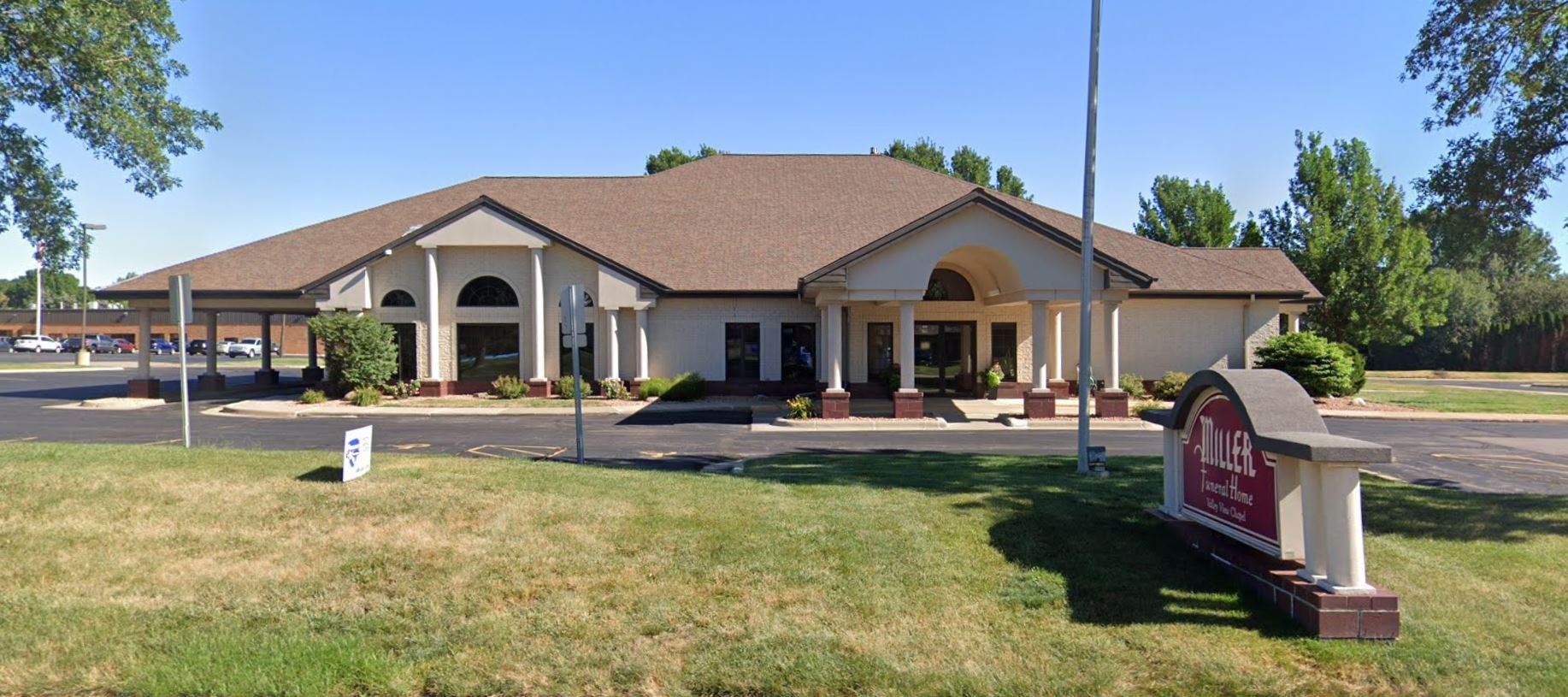
Navigating Miller Funeral Home Poughkeepsie: Services, Planning, and Local Support
Miller Funeral Home in Poughkeepsie, New York, provides comprehensive funeral, cremation, and pre-planning services to families throughout Dutchess County. Understanding local arrangements, documentation requirements, and service optio...
Miller Funeral Home in Poughkeepsie, New York, provides comprehensive funeral, cremation, and pre-planning services to families throughout Dutchess County. Understanding local arrangements, documentation requirements, and service options helps families navigate emotional periods with clarity, ensuring meaningful tributes that align with personal wishes and budgetary needs.
Contents
Historical Foundations and Community Presence in Poughkeepsie
Local funeral service providers hold deep roots within the Hudson Valley region. Understanding the structural foundation of regional establishments involves examining how historical operations adapt to modern regulatory standards and evolving community preferences. Funeral homes in Poughkeepsie typically operate under strict New York State Department of Health Bureau of Funeral Directing guidelines. These regulations govern everything from embalming procedures to the transparent disclosure of General Price Lists (GPL).
Families searching for assistance in Dutchess County often look for establishments with verified physical addresses, licensed funeral directors, and transparent operational histories. The community relies heavily on facilities that maintain community trust, offering dedicated spaces for traditional visitations, memorial gatherings, and private family viewings. Local providers coordinate directly with regional cemeteries, such as Poughkeepsie Rural Cemetery or St. Peter's Cemetery, ensuring seamless logistics for burials and entombments.
Comprehensive Overview of Funeral and Cremation Services
Selecting the appropriate type of service requires balancing personal beliefs, cultural traditions, and financial considerations. Professional funeral directors provide structured guidance across several primary service categories.
- Traditional Burial Services: Involves professional staff services, embalming, casketing, a public viewing or visitation period, a formal funeral ceremony at a church or chapel, and final committal at a cemetery.
- Cremation Options: Ranges from direct cremation (without services) to cremation accompanied by a traditional viewing and a memorial service held either before or after the cremation process.
- Celebration of Life Gatherings: Modern alternatives focused on personalization, featuring customized displays, multimedia tributes, and celebratory elements rather than traditional mourning themes.
- Green and Natural Burials: Eco-friendly arrangements utilizing biodegradable caskets or shrouds without chemical preservation, coordinated with certified green cemeteries.
Comparing Service Types and Operational Realities
| Service Type | Typical Timeframe | Includes Visitation | Direct Cost Factors | Regulatory Requirements |
|---|---|---|---|---|
| Traditional Burial | 3 to 7 Days | Yes (Open or Closed Casket) | Casket, Vault, Cemetery Plot, Professional Fees | Embalming recommended/required for public viewing; burial permit |
| Cremation with Service | 3 to 7 Days | Optional | Cremation Container, Urn, Crematory Fee, Service Fees | 48-hour mandatory waiting period in NY; cremation authorization |
| Direct Cremation | Varies (3 to 10 Days) | No | Basic Professional Services, Crematory Fee, Alternative Container | Death certificate filing, medical examiner transit/cremation permit |
| Memorial Service | 1 to 3 Weeks Post-Passing | No (Urn may be present) | Facility Rental, Celebrant Fees, Printed Materials | Memorial permit or venue coordination |
Step-by-Step Guide to Immediate Arrangements
When a death occurs, executing the necessary administrative and logistical steps can feel overwhelming. Following a structured framework helps families manage immediate priorities efficiently while complying with New York State legal mandates.
- Notify Authorities and Medical Professionals: If the death occurs at home under hospice care, contact the hospice nurse. If unexpected, dial emergency services. A physician or medical examiner must sign the death certificate before transport can occur.
- Contact a Licensed Funeral Director: Reach out to a professional establishment to arrange the transfer of the deceased to a secure holding facility. Licensed directors handle initial removal 24 hours a day.
- Gather Vital Statistics Information: Compile necessary documentation for the New York State Department of Health death certificate, including full legal name, Social Security number, date and place of birth, parents' names (including mother's maiden name), and military discharge papers (DD214) if applicable.
- Schedule the Arrangement Conference: Meet with the funeral director to select merchandise (caskets, urns, vaults), determine service times, write the obituary, and establish the financial contract.
- Review and Sign Disclosures: Examine the General Price List (GPL), casket price list, and outer burial container price list to ensure complete transparency before authorizing services.
Financial Planning, Insurance, and Pre-Arrangements
Transparent financial management is a cornerstone of professional funeral directing. Under the Federal Trade Commission (FTC) Funeral Rule and New York State regulations, providers must supply itemized pricing upon request. Pre-planning allows individuals to lock in current prices and relieve surviving family members of sudden financial burdens.
Pre-Need Trust Accounts and Insurance
Pre-funding arrangements in New York are strictly regulated. Funds paid for pre-need funeral services are typically placed into an irrevocable or revocable pre-need trust account or funded through a specialized funeral insurance policy. Irrevocable trusts are often utilized when individuals are applying for Medicaid, as these funds are exempt from asset calculations.
- Price Protection: Pre-paying locks in the cost of professional services and merchandise, protecting against future inflation.
- Portability: Most pre-need agreements can be transferred to another funeral home if the individual relocates out of the area, though administrative transfer fees may apply.
- Medicaid Compliance: Irrevocable pre-need accounts ensure that funds are legally dedicated solely to funeral expenses, safeguarding eligibility for long-term care benefits.
Frequently Asked Questions
What immediate steps should a family take when a loved one passes away in Poughkeepsie?
Families should first contact local medical authorities or hospice care to legally establish the time and cause of death. Immediately following, contacting a licensed funeral director initiates the secure transport of the deceased and begins the planning process for permits and certificates.
Does Miller Funeral Home handle veteran burial benefits?
Yes, local funeral establishments coordinate extensively with the Department of Veterans Affairs (VA) to secure eligible benefits. These may include burial flags, presidential memorial certificates, grave markers, and military funeral honors performed by active-duty or volunteer detail units.
What is the difference between an irrevocable and revocable pre-need funeral trust?
A revocable trust allows the purchaser to cancel the agreement and withdraw funds at any time, though it does not exempt those funds from Medicaid asset limits. An irrevocable trust cannot be canceled by the purchaser, meaning the funds are permanently locked into funeral expenses and are excluded from Medicaid calculations.
Are green burials available through local Dutchess County providers?
Green burials require specific coordination with regional eco-friendly cemeteries that permit natural decomposition without vaults or chemical embalming. Funeral directors can verify which local cemeteries accept green burial standards and supply biodegradable merchandise options.
How are cremation permits handled under New York State law?
New York requires a mandatory waiting period of 48 hours following death before a cremation can legally occur, unless waived by a health officer. Additionally, a medical examiner's permit must be issued and signed before the crematory can proceed with the process.
Practical Recommendations for Families
Navigating the loss of a loved one requires patience, open communication among family members, and reliance on licensed professionals. Always request an itemized General Price List before committing to contracts, and ensure that all verbal agreements are documented in writing. For residents in the Poughkeepsie area, utilizing local expertise guarantees adherence to municipal cemetery bylaws, timely filing of vital statistics with local registrars, and compassionate support tailored to the regional community.
Image Gallery