What Are You Doing in Short Form: Texting Acronyms, Quick Responses, and Usage Guide
In digital communication, the phrase "what are you doing" in short form primarily refers to the text abbreviation WYD (or WYDRN for "what are you doing right now"). It also encompasses concise, single-word or short-phrase responses—suc...
In digital communication, the phrase "what are you doing" in short form primarily refers to the text abbreviation WYD (or WYDRN for "what are you doing right now"). It also encompasses concise, single-word or short-phrase responses—such as "nm" (not much) or "jc" (just chilling)—used to answer casual check-ins across messaging apps, social media, and workplace chat platforms.
Contents
How to Abbreviate "What Are You Doing?"
Short-form digital messaging relies on acronyms and phonetic shortenings to speed up conversation. The phrase "what are you doing" has several standard abbreviations across text messages, direct messages (DMs), and online forums. Understanding these abbreviations helps decipher fast-paced digital conversations and ensures your responses match the sender's tone and context.
"What are you doing?"
- WYD (What [are] You Doing?) — Standard casual check-in
- WYDRN (What Are You Doing Right Now?) — Immediate status inquiry
- WUD (What U Doing?) — Phonetic variation
Common Texting Abbreviations
- WYD (What You Doing / What Are You Doing): This is the most widely recognized short form of the question. It acts as an informal greeting, a casual status check, or an opening line to start a plan.
- WYDRN (What Are You Doing Right Now): Adding "RN" (right now) signals immediate urgency or interest in your real-time activity. It is frequently used when someone wants to hang out immediately or share timely news.
- WUD (What U Doing): A phonetic variation where "you" is replaced with the letter "U." While slightly older than "WYD," it remains common in informal messaging.
- WYD2M (What Are You Doing Tomorrow): Used specifically when planning future events, shortening "tomorrow" into "2M" or "2mrw."
Platform and Contextual Nuances
The interpretation of "WYD" varies depending on the platform and relationship dynamics. On casual messaging platforms like iMessage, WhatsApp, or Snapchat, receiving a low-effort text like "wyd" typically serves as a conversational hook rather than a deep personal inquiry.
On dating applications (such as Tinder, Bumble, or Hinge), an opening message of "wyd" is often viewed as low-effort. While it indicates interest, relying solely on short-form acronyms can signal a lack of conversational investment compared to an open-ended question about a person's profile or interests.
Short-Form Responses to "What Are You Doing?"
When someone asks "WYD" or "what are you doing," responding in short form keeps the conversation fluid without over-explaining. The ideal response depends on your actual activity, your relationship with the sender, and whether you want to continue the conversation.
Casual and Everyday Short Replies
For friends, family, or general acquaintances, brief acronyms and standard quick phrases are the most efficient way to reply:
- "NM" / "Nothin much": The most common neutral answer when you are not engaged in a major activity.
- "JC" / "Just chilling": Indicates you are relaxed and open to chatting or making plans.
- "WYB" / "Working, you?": Shortens your current task while immediately passing the question back to the sender.
- "Just watching TV" / "Cooking": Stating your exact action in two or three words gives context without initiating a long story.
Flirty and Dating App Responses
If you are texting a romantic interest or someone on a dating app, short-form replies can convey availability, humor, or playfulness:
- "Thinking about you": Direct and engaging, shifting the conversation from a mundane update to a romantic context.
- "Bored, come rescue me": Signals clear availability and invites the other person to suggest an activity or meet up.
- "Not much, what are we doing tonight?": Flips a passive question into an active invitation for joint plans.
- "Just finished work, what are you up to?": Balances a practical update with immediate mutual engagement.
Professional and Workplace Chat Replies
In professional communication tools like Slack, Microsoft Teams, or Google Chat, low-effort texting slang like "WYD" or "NM" is generally inappropriate. However, concise, short-form status updates are essential for efficient workplace collaboration.
When a manager or colleague asks what you are currently working on in a chat interface, use clear, direct task summaries:
- "Reviewing the Q1 financial report."
- "In a meeting until 3:00 PM; will follow up right after."
- "Drafting the client proposal."
- "Clearing my inbox—free for a quick call in 10 minutes."
These responses remain brief while providing actionable context relevant to professional workflows.
Witty and Low-Effort Text Responses
When replying to close friends or in group chats where banter is encouraged, dry humor or minimal-effort answers work well:
- "Existing."
- "Breathing, mostly."
- "Plotting world domination."
- "Staring at the ceiling."
Short-Form Communication Matrix
The table below breaks down popular short-form variations of "What are you doing?", their primary meanings, recommended short-form responses, and appropriate contexts.
| Acronym / Term | Full Meaning | Ideal Context | Example Short Response | Formality Level |
|---|---|---|---|---|
| WYD | What are you doing? | Informal SMS, Social DMs | "NM, just watching a movie. WBU?" | Casual |
| WYDRN | What are you doing right now? | Real-time planning, Urgent text | "Just got home. What's up?" | Very Casual |
| WUD | What u doing? | Casual messaging | "JC, listening to music." | Very Casual |
| WBU / YAU | What about you? / You and you? | Follow-up inquiry | "Working on a draft. WBU?" | Casual |
| Status Check | What is your current project status? | Workplace chat (Slack/Teams) | "Wrapping up the pitch deck now." | Professional |
| WYDT | What are you doing tomorrow? | Event planning | "Free after 5 PM." | Informal |
Digital Etiquette for Short-Form Messaging
Short-form text communication saves time, but misapplying it can lead to misinterpretation, unresponsiveness, or perceived rudeness.
Context Evaluation:
- Personal/Friends: High acceptance of acronyms (WYD, NM, JC)
- Romantic Interest: Moderate acronyms; benefit from open-ended follow-ups
- Professional Setting: Avoid slang acronyms; use clear, concise task status
Tone and Audience Considerations
Using acronyms like "WYD" works best when mutual familiarity exists. Because text-based messaging lacks facial expressions and tone of voice, extremely short texts can sometimes appear detached or uninterested.
- Adding standard follow-ups: Pair a short answer like "NM" with a follow-up question ("NM, how was your day?") to keep conversations active.
- Punctuation and capitalization: Lowercase texting ("wyd", "nm") signals informal, low-stakes communication. Using title capitalization ("Wyd?") can subtlely alter the tone depending on personal texting styles.
Navigating Professional Boundaries
In workplace settings, communication speed must be balanced with clarity and professionalism. According to workplace communication standards emphasized by business platforms like Slack's Digital HQ Resources, clarity in asynchronous messaging prevents misunderstandings and unnecessary back-and-forth threads.
Avoid sending raw acronyms like "WYD" to supervisors or clients. If a team member asks for your current operational status, provide a clear, one-sentence summary of your task and your estimated availability.
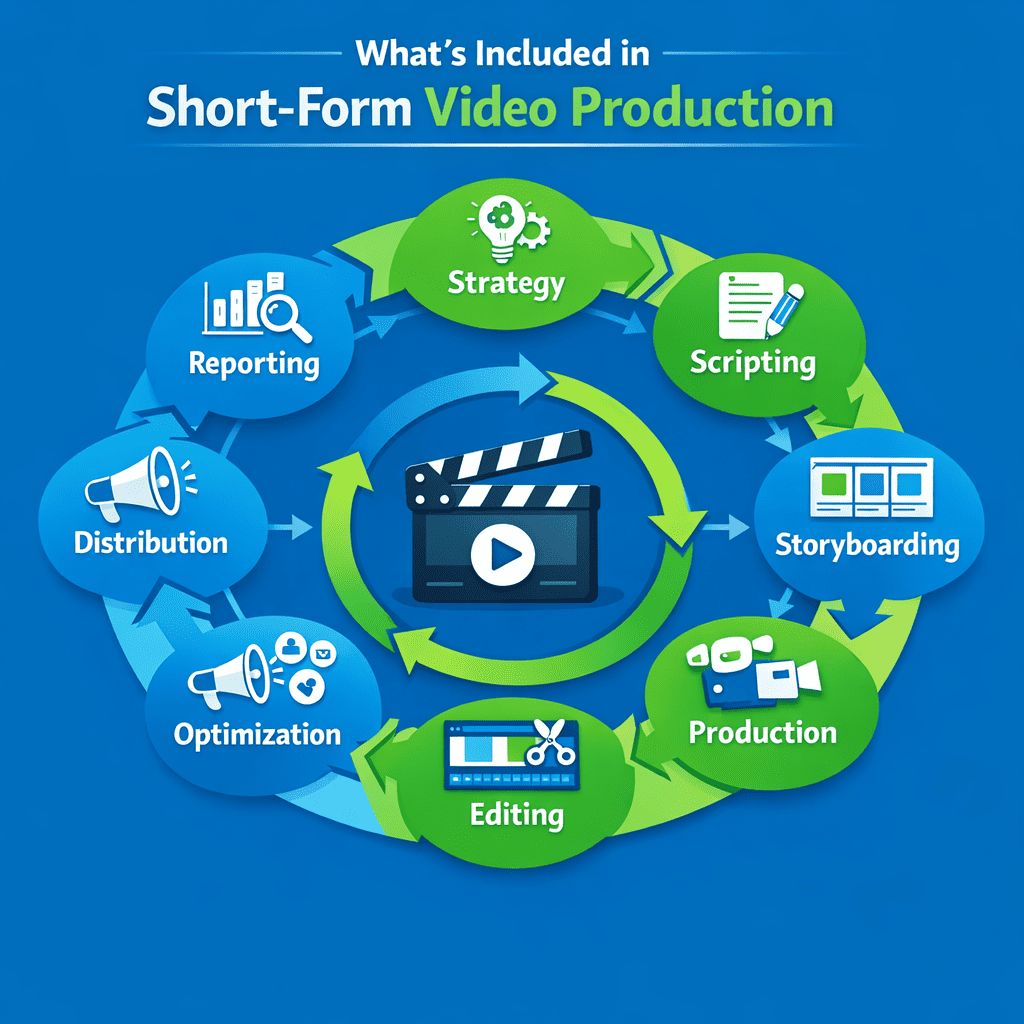
"What Are You Doing" in Short-Form Video and Social Media
Beyond direct text messaging, the phrase "what are you doing" has a distinct context within short-form video creation across platforms like TikTok, Instagram Reels, and YouTube Shorts.
The "What Are You Doing" Content Concept
In digital media creation, "What are you doing?" serves as a common structural prompt for short-form, vertical video formats (typically 15 to 60 seconds long). Creators leverage this concept in several ways:
- Vlog Style ("Day in the Life"): Opening a video with a direct answer to what the creator is doing at that exact moment (e.g., "What I'm doing during a 5 AM morning routine").
- Street Interviews: Interviewers approach strangers with rapid-fire questions beginning with "What are you doing today?" or "What are you listening to?"
- Behind-the-Scenes (BTS): Small business owners and professionals show brief, 30-second clips of their active production processes, using caption prompts like "What we're doing to prepare for launch."
Best Practices for Short-Form Video Prompts
For content creators using the phrase as a video hook:
- Hook within 3 seconds: State the activity immediately to capture audience attention before viewers scroll past.
- Use clear captions: On short-form platforms, video viewer engagement studies consistently show that a large percentage of users watch without sound. Adding on-screen text representing both the question ("WYD today?") and the action ensures high retention.
Frequently Asked Questions
What does "WYD" stand for in text messaging?
"WYD" stands for "What are you doing?" It is an informal text acronym used to check on someone's current activity or to initiate a casual conversation.
Is it rude to reply to "WYD" with just "NM"?
Replying with "NM" (not much) is not inherently rude, but it can close off the conversation if sent alone. To keep the interaction going, follow up with a question, such as "NM, what about you?" (NM, WBU?).
What is the difference between "WYD" and "WYDRN"?
"WYD" is a general inquiry about what someone is doing currently or overall. "WYDRN" stands specifically for "What are you doing right now," placing stronger emphasis on immediate, real-time availability.
How should I answer "What are you doing?" in a professional chat?
In professional environments like Slack or Teams, answer with a concise summary of your current project or availability. For example: "I am finalizing the monthly report; I'll be available for calls at 2:00 PM." Avoid acronyms like "WYD" or "NM."
What does "WBU" mean when answering a text?
"WBU" stands for "What about you?" It is commonly attached to short answers to return the question to the person who initiated the text (e.g., "Just cooking dinner. WBU?").
Practical Recommendation
When responding to short-form messages like "WYD," match your tone to your goal for the interaction. If you want to engage the sender, avoid single-acronym replies by combining a quick status update with an open-ended question (e.g., "Just finished working out, what are your plans for tonight?"). For workplace messaging, substitute informal acronyms with clear, one-sentence task updates to maintain professional productivity and clear team boundaries.
EDITORIAL CATEGORY METADATA:
Image Gallery