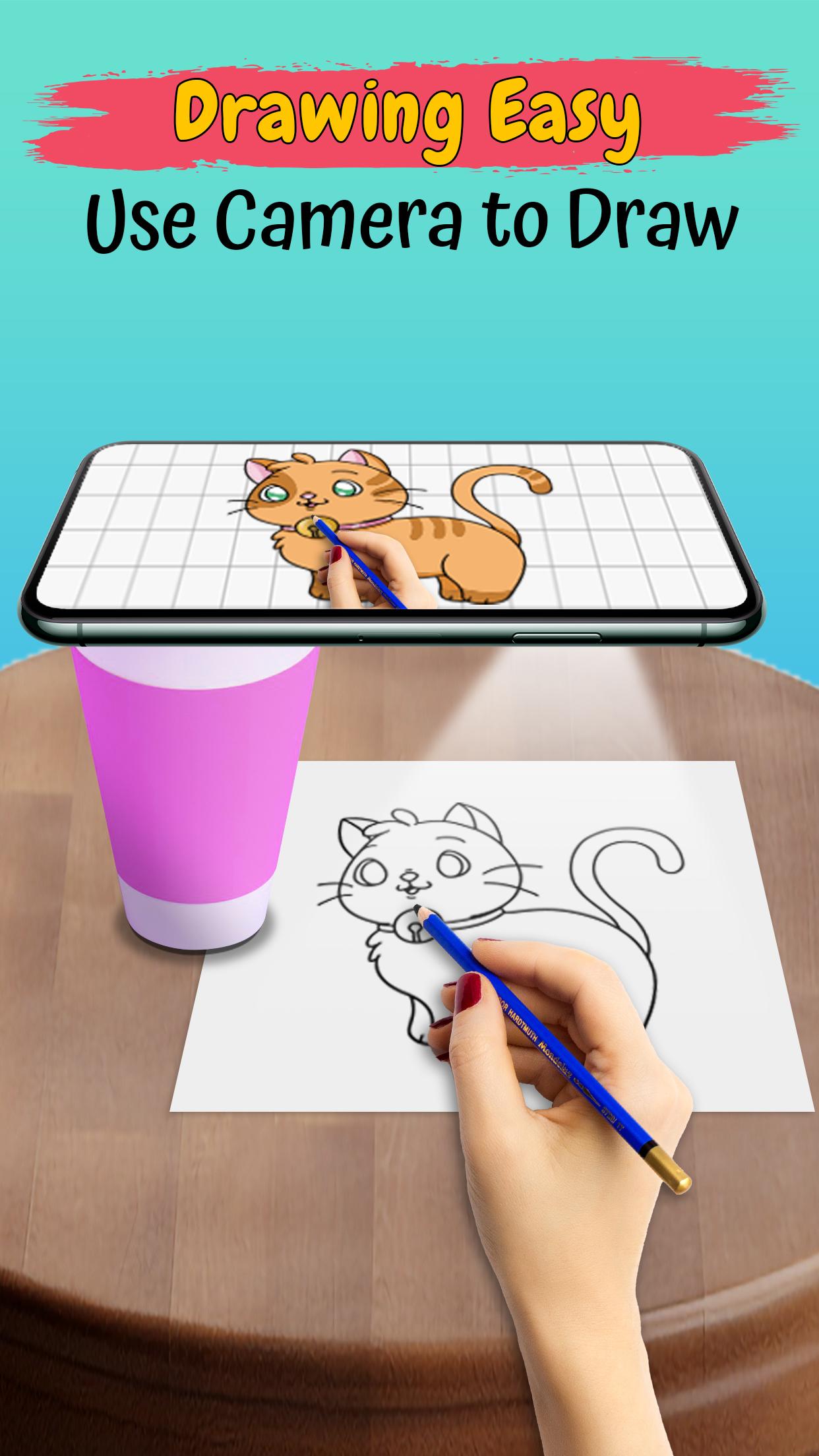
Comprehensive Guide to Hiring and Working with a Trace Artist
A trace artist is a specialized professional skilled in manual and digital tracing techniques, converting rough sketches, historical documents, or low-resolution raster graphics into precise vector assets or clean final line art. Wheth...
A trace artist is a specialized professional skilled in manual and digital tracing techniques, converting rough sketches, historical documents, or low-resolution raster graphics into precise vector assets or clean final line art. Whether you are an animator preparing clean-up lines, a graphic designer vectorizing vintage logos, or an architect drafting historical overlays, hiring or becoming a trace artist requires a deep understanding of line weight, bezier curve manipulation, and industry-standard software tools.
Contents
Defining the Role of a Trace Artist in Modern Design
The role of a trace artist bridges the gap between raw, unstructured creativity and production-ready digital assets. While automated software tools like vector trace functions in Adobe Illustrator or Inkscape exist, they frequently produce jagged nodes, unnecessary anchor points, and structurally flawed geometry. A professional trace artist provides the human eye and technical precision necessary to interpret ambiguous lines, correct perspective distortions, and ensure that every path is optimized for its intended medium.
In traditional animation workflows, trace artists (often historically referred to as inkers or clean-up artists) take rough pencil sketches and commit them to final, consistent lines ready for digital coloring. In graphic design and branding, a trace artist meticulously recreates rasterized logos or hand-drawn lettering into scalable vector formats (SVG, EPS, AI) that maintain visual integrity across billboards, business cards, and digital screens.
Core Competencies Required for Professional Tracing
- Bezier Curve Mastery: The ability to place anchor points efficiently to create smooth, organic, or geometric paths with minimal nodes.
- Line Weight Control: Understanding how varying stroke thickness conveys depth, shadow, and visual hierarchy.
- Software Proficiency: Advanced command of vector editing suites such as Adobe Illustrator, CorelDRAW, Affinity Designer, and vectorizing plugins.
- Raster Understanding: Deep knowledge of resolution, DPI, pixel grids, and how raster artifacts translate into vector environments.
Essential Software and Hardware Specifications for Trace Artists
Executing professional-grade tracing work requires a calibrated hardware and software ecosystem. Relying solely on a computer mouse often leads to rigid, unnatural lines and repetitive strain injuries. Industry professionals utilize specific tools to maintain precision and speed.
Hardware Infrastructure
- Pen Tablets and Displays: Pressure-sensitive drawing tablets (such as Wacom Intuos or Huion models) or pen displays (like Wacom Cintiq or XP-Pen Artist series) allow for natural hand movements and pressure sensitivity when adjusting variable stroke widths manually.
- High-DPI Color-Accurate Monitors: Essential for distinguishing subtle pixel details in low-resolution source images and ensuring color fidelity if color tracing is required.
Software Ecosystem
- Adobe Illustrator: The industry gold standard for vector tracing, offering advanced tools like the Pen Tool, Curvature Tool, Image Trace panel, and Pathfinder operations.
- Vectorstyler or Affinity Designer: Robust, modern alternatives offering advanced vector manipulation features without subscription models.
- Raster Pre-Processing Tools: Adobe Photoshop or Clip Studio Paint for cleaning up background noise, adjusting contrast, and isolating the source sketch before vectorization.
Step-by-Step Workflow: How a Trace Artist Converts Raster to Vector
A structured approach ensures that the final output is clean, scalable, and easy for downstream production teams to manipulate. The following methodology outlines how professional trace artists process a project from initial intake to final delivery.
- Source Image Analysis and Prep: Evaluate the resolution, contrast, and quality of the input image. If necessary, adjust levels and curves in a raster editor to separate the foreground lines from background noise or paper texture.
- Setup and Layer Organization: Import the cleaned raster image into the vector software on a locked background layer. Create a separate, organized layer structure for outlines, fills, details, and guides.
- Manual Pen Work vs. Automated Tracing: Decide whether to use automated image trace as a base or trace entirely by hand. For high-end branding or fine art, tracing manually with the Pen Tool guarantees optimal node placement.
- Path Refinement and Node Reduction: Clean up excess anchor points. Ensure handles are smooth and symmetrical where necessary, and that sharp corners use proper corner points rather than converted smooth handles.
- Stroke and Fill Application: Convert open paths to closed shapes, apply appropriate weights, and organize compound paths for color blocking.
- Export and Quality Control Check: Verify that all paths are closed, stray points are deleted, and files are exported in the required formats (SVG, EPS, PDF, AI).
Manual Tracing vs. Automated Image Trace: A Comparative Analysis
When deciding on a production method, project managers and artists must weigh speed against quality. The table below outlines the operational differences between manual vector tracing and automated software conversion.
| Metric / Feature | Manual Trace Artist | Automated Image Trace Software |
|---|---|---|
| Anchor Point Density | Minimal, highly optimized nodes for clean scaling | Excessive, redundant nodes causing bloated file sizes |
| Curve Accuracy | Precise human interpretation of artistic intent | Often introduces jagged edges and wobbly curves on complex shapes |
| Time Investment | Higher upfront time investment per asset | Instantaneous generation |
| Editability | Extremely easy to modify, adjust, and animate downstream | Difficult to edit due to chaotic path structures |
| Cost / Resource Allocation | Requires specialized human talent and labor budget | Low cost, built directly into standard design software |
| Best Suited For | Logos, fine art, character animation lines, complex typography | Simple high-contrast silhouettes, quick mockups, low-detail graphics |
Common Challenges and Troubleshooting for Trace Artists
Even experienced professionals encounter technical roadblocks during the tracing process. Anticipating these issues prevents costly delays during production.
Dealing with Low-Resolution or Pixelated Source Material
When clients provide a heavily compressed JPEG or a small thumbnail as a reference, guessing anatomical or typographical details can lead to brand misalignment.
- Remedy: Request higher-resolution scans or physical assets whenever possible. If unavailable, use AI-assisted upscaling tools cautiously as a reference layer, but rely on typography and design principles to reconstruct missing letterforms or details cleanly.
Managing Bloated File Sizes Caused by Excessive Nodes
Automated tracing often generates thousands of unnecessary anchor points, making files sluggish and difficult for web browsers or cutting plotters to render.
- Remedy: Implement manual path simplification. Use path reduction scripts or manually delete redundant points along straight or gently curving segments while preserving the silhouette.
Handling Perspective Distortion in Historical or Photographic References
Tracing architectural blueprints or hand-drawn sketches captured at an angle introduces skewed perspectives.
- Remedy: Utilize perspective grids and transformation tools to straighten and square the source image before beginning the tracing pass.
Frequently Asked Questions About Trace Artists
What is the primary difference between a graphic designer and a trace artist?
While a graphic designer focuses on conceptualizing and creating original visual communication, a trace artist specializes in the technical execution of converting raster images, sketches, or historical documents into clean, scalable vector assets. Many graphic designers possess tracing skills, but dedicated trace artists focus specifically on precision, node management, and clean line work.
Why not just use the Image Trace feature in Adobe Illustrator?
Automated tools struggle with nuanced human lines, gradients, and subtle artistic textures. Image Trace often generates unmanageable numbers of anchor points and distorted geometry, whereas a human trace artist ensures optimized paths, correct line weight variations, and brand-accurate geometry.
What file formats should a professional trace artist deliver?
Standard deliverables include native vector files (such as .ai for Adobe Illustrator), universally compatible vector formats (.svg and .eps), and high-resolution raster backups (.png with transparent backgrounds) if requested by the client.
How do trace artists charge for their services?
Pricing models vary depending on complexity. Simple geometric logos are often priced on a flat per-asset fee, whereas intricate historical restorations, detailed character clean-ups, or large-scale architectural drawings are typically billed on an hourly rate or project milestone basis.
Do trace artists need to know how to draw from scratch?
While fundamental drawing skills and an understanding of anatomy, perspective, and typography help a trace artist interpret ambiguous source material, the core requirement is technical proficiency in digital vector manipulation and line control rather than original conceptual illustration.
Professional Engagement and Collaboration Best Practices
When partnering with a trace artist for branding restorations, animation pipelines, or manufacturing design, clear communication dictates project success. Always provide the highest possible resolution source files, establish clear naming conventions for layers, and specify whether output assets require open paths for stroke manipulation or closed compound paths for solid fills. By prioritizing clean geometry and leveraging specialized hardware, a skilled trace artist transforms fragile physical or digital artifacts into timeless, infinitely scalable vector assets.
Image Gallery