Why Bad Bunny Leads Spotify’s Male Charts: An Analytical Breakdown
Bad Bunny consistently dominates Spotify’s male listener charts and global streaming rankings due to a strategic synthesis of relentless production frequency, linguistic versatility, and a transformative approach to the Latin urban gen...
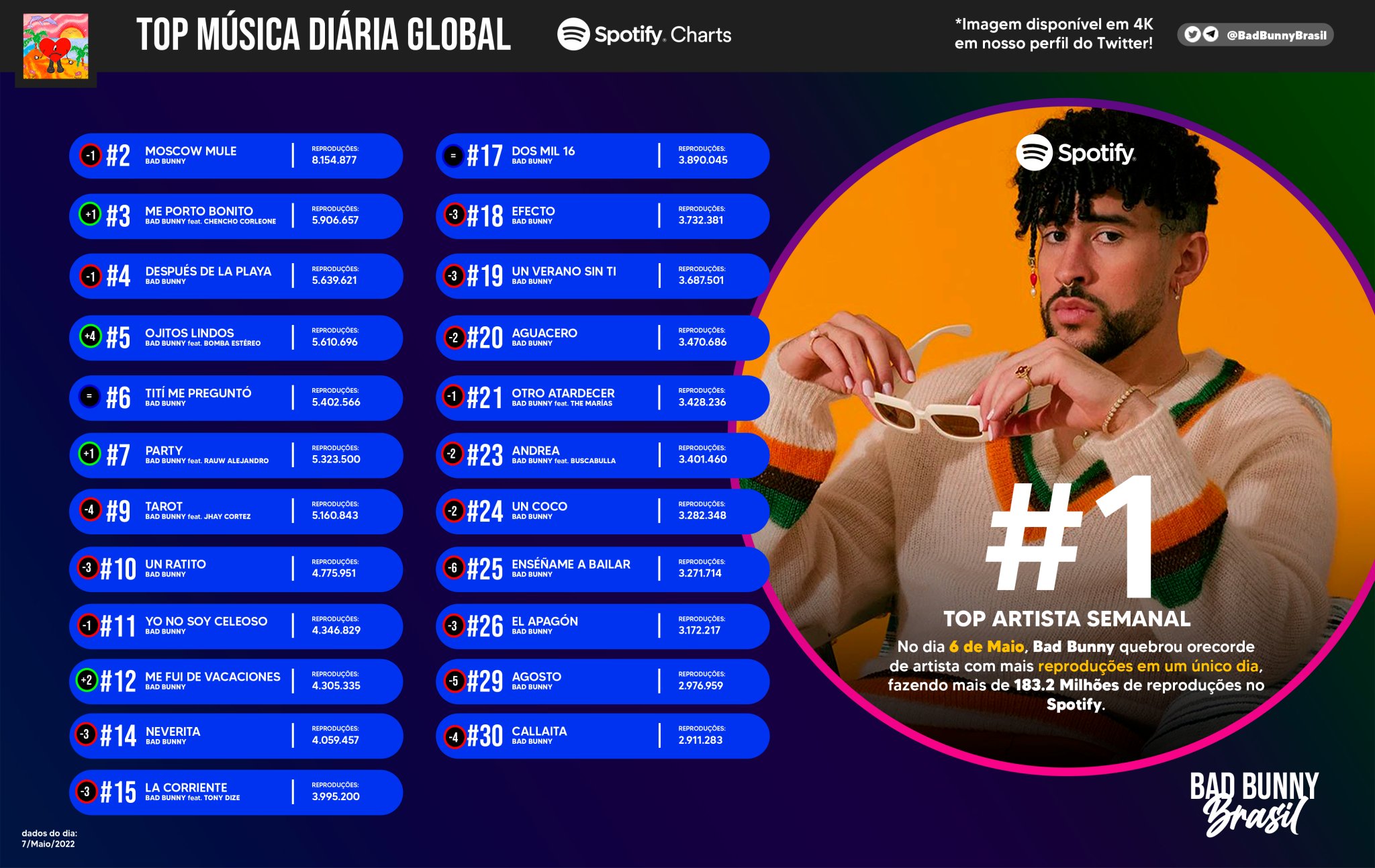
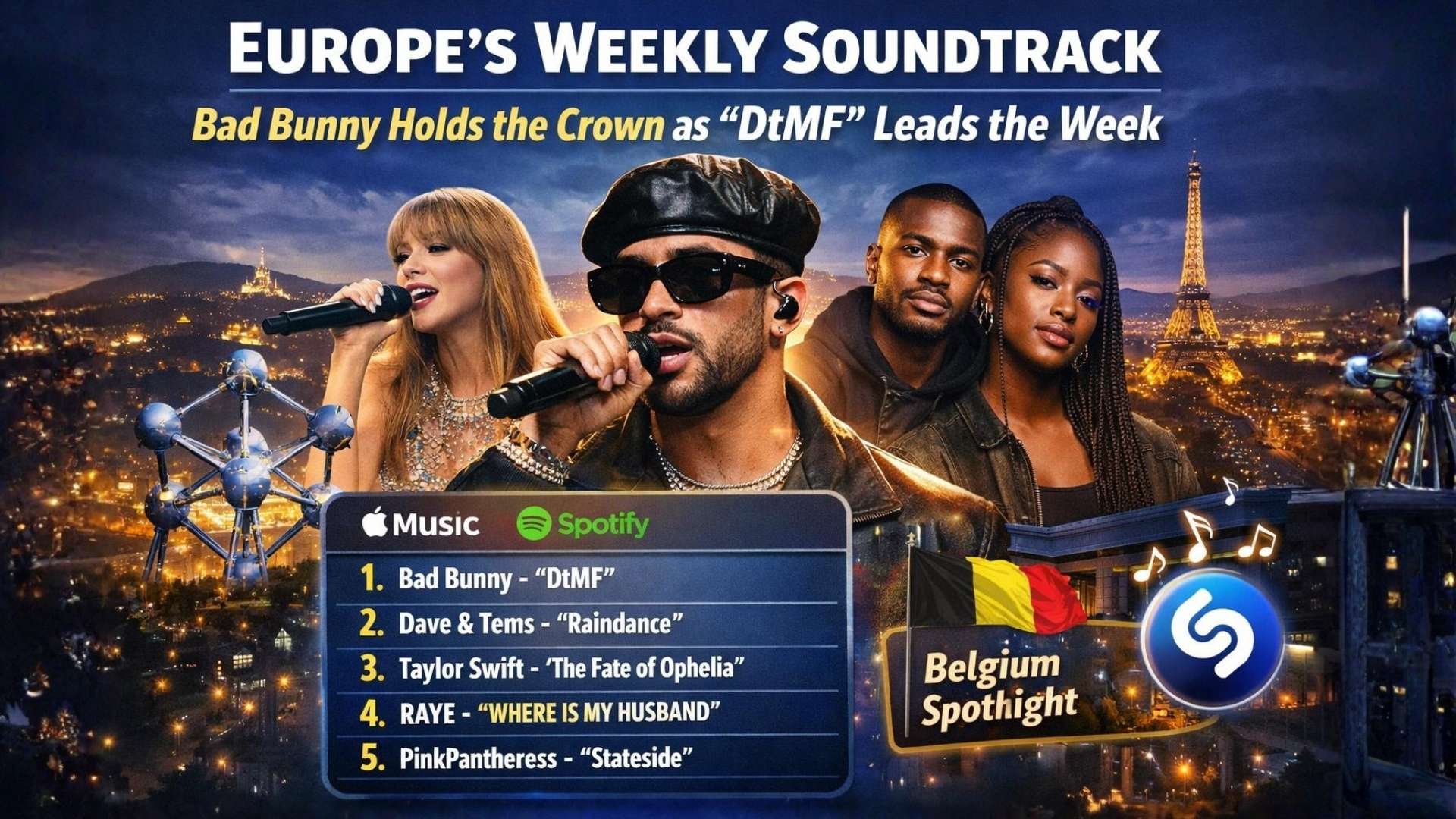
Bad Bunny consistently dominates Spotify’s male listener charts and global streaming rankings due to a strategic synthesis of relentless production frequency, linguistic versatility, and a transformative approach to the Latin urban genre. By bridging regional reggaeton with global pop sensibilities, he has effectively converted a massive, loyal base of Spanish-speaking listeners into a diverse, cross-cultural audience that ensures his continued status as one of the platform's most-streamed artists in 2026.
Contents
The Foundation of Streaming Dominance: Frequency and Consistency
The primary driver behind Bad Bunny’s position on Spotify’s charts is his prolific output. Since his breakout years, he has maintained a high release velocity, ensuring that he remains perpetually relevant in algorithmic rotations. Spotify’s recommendation engine, which powers much of the platform’s discovery, favors artists who maintain a consistent presence. By releasing full-length studio albums alongside high-profile singles and strategic collaborations, Bad Bunny effectively minimizes the "dormancy" period that often causes other artists to slip in monthly listener counts.
His discography is designed to minimize listener fatigue through variety. While his core sound is rooted in trap and reggaeton, his willingness to experiment with elements of rock, alternative, and traditional Latin genres ensures that his tracks appeal to different sub-audiences simultaneously. This "omni-genre" approach means that a user listening to a curated Latin pop playlist is as likely to encounter his music as someone listening to high-energy gym anthems or late-night lo-fi tracks.
Linguistic Versatility and Cultural Expansion
Bad Bunny’s rise is often analyzed through the lens of globalization. Unlike many artists who pivot to English to capture broader markets, he has remained largely faithful to his native Spanish. This decision has shifted the paradigm of global music, proving that streaming platforms are no longer restricted by linguistic barriers. By doing so, he has galvanized a massive demographic that previously felt underserved by mainstream Western charts.
His music acts as a cultural anchor for a global diaspora. As Latin urban music moved from a niche regional sound to a dominant global force, Bad Bunny became the primary ambassador for this transition. His ability to blend Puerto Rican slang and specific cultural references with universal themes of heartbreak, urban nightlife, and social commentary creates an intimate experience for listeners worldwide, regardless of their proficiency in Spanish.
Strategic Collaborations and Industry Integration
Beyond his solo work, Bad Bunny’s dominance on Spotify is bolstered by a meticulous approach to collaborations. He functions as a force multiplier; by featuring on tracks with rising stars and established global icons, he ensures his reach extends into new segments of the listener base. These collaborative efforts are often supported by heavy playlist placement, which is arguably the most important factor in Spotify’s modern ecosystem.
Spotify’s editorial team frequently features him in "flagship" playlists such as Viva Latino, Baila Reggaeton, and Today’s Top Hits. These playlists are the high-traffic hubs of the platform. His ability to maintain a track record of chart-topping success keeps him in the good graces of algorithmic and editorial decision-makers, creating a self-reinforcing cycle of exposure and stream generation.
Analytical Comparison: How Bad Bunny Stacks Up
To understand his performance, one must look at how his streaming strategy compares to traditional industry standards. The following table highlights the key variables that differentiate his approach from legacy artists.
| Strategy Component | Traditional Global Pop Star | Bad Bunny’s Model |
|---|---|---|
| Release Cadence | Long cycles (2-3 years) | Frequent (12-18 months) |
| Linguistic Focus | English-dominant | Spanish-primary |
| Playlist Strategy | Select mainstream placement | Ubiquitous across regional/global lists |
| Genre Versatility | Standardized pop/R&B | Hybridized trap, rock, and reggaeton |
| Market Expansion | Forced regional adaptation | Audience-driven organic growth |
Audience Demographics and Engagement
The target audience for Bad Bunny is notably broad. While his base is anchored in the 18-35 age bracket, his music transcends traditional demographic silos. Spotify’s internal data, often reflected in public streaming milestones, shows that his listeners are among the most active users on the platform. They are statistically more likely to save his tracks to personal playlists, follow his artist profile, and engage with the "Canvas" visual assets he provides for his songs.
This high level of "platform engagement" signals to Spotify’s recommendation algorithm that Bad Bunny’s music is highly desirable. When users interact with an artist’s profile, the algorithm increases the frequency of that artist’s tracks in the user’s "Release Radar" and "Discover Weekly" feeds. Consequently, Bad Bunny’s dominance is not just a result of passive listening, but of a highly active and loyal community that treats his new releases as significant cultural events.
Addressing the Technicality of Chart Rankings
It is important to clarify that "leading the male charts" on Spotify generally refers to his ranking in "Monthly Listeners" or total aggregate streams within the male demographic of global artists. While these rankings fluctuate based on recent release cycles, Bad Bunny’s consistency keeps his baseline numbers higher than almost any other male performer.
The "male charts" classification is a categorization often used by industry analysts to track gender-based performance metrics within the streaming economy. It does not imply that his music is exclusively for male listeners; rather, it reflects his competitive standing against other top-tier male artists like The Weeknd, Drake, or Taylor Swift (when viewing the global aggregate). His ability to bridge the gap between "niche Latin star" and "global superstar" is the primary reason he continues to maintain a top-three position globally.
Frequently Asked Questions
Does Bad Bunny use paid promotional campaigns to stay on the charts? Like most major artists, Bad Bunny utilizes standard label-driven promotion, such as playlist pitching and social media marketing. However, his chart position is primarily organic, driven by an exceptionally high "save-to-stream" ratio, which is the gold standard for long-term algorithmic success on Spotify.
Is his success limited to Latin American countries? No. A significant portion of his streaming volume comes from the United States, Spain, and various European markets where reggaeton has seen massive growth. His global tour data and regional streaming analytics show that his popularity is truly borderless.
Will Bad Bunny's dominance decline if he stops releasing music as frequently? Streaming dominance is inherently linked to recency. If he slows his output, his position in real-time charts would likely dip; however, his massive "catalog value"—the number of people who continue to listen to his older albums—provides a protective floor for his monthly listener count.
How does Spotify’s algorithm favor his sound specifically? Spotify’s algorithm is optimized for "mood and activity." Because much of Bad Bunny's music fits high-energy contexts (workouts, parties, commutes), it is frequently picked up by algorithmic "mood" playlists, which provide a steady stream of listeners who may not be intentionally seeking him out, but find his music fitting for their current activity.
Final Next Action
For independent artists or analysts seeking to understand the mechanics of his success, the primary takeaway is the importance of "community integration." Bad Bunny does not just drop music; he creates an ecosystem. To replicate even a fraction of this impact, prioritize a consistent release schedule that respects your core audience while experimenting with genre-adjacent sounds to capture secondary listener segments. Monitor your "save rate" rather than just your raw stream counts, as this metric is the strongest indicator of long-term chart viability in the current streaming landscape.
Image Gallery