How to Fix Foundation Cracks in Sterling Heights: A Complete 2026 Guide
Fixing foundation cracks in Sterling Heights involves identifying the crack type, addressing underlying soil moisture issues, and selecting an appropriate repair method such as epoxy injection for leaks or helical piers for structural...
Fixing foundation cracks in Sterling Heights involves identifying the crack type, addressing underlying soil moisture issues, and selecting an appropriate repair method such as epoxy injection for leaks or helical piers for structural settlement. In 2026, professional assessment remains essential to ensure repairs comply with Michigan Building Codes and account for local expansive clay soil behavior.
Contents
Foundation integrity is a primary concern for homeowners in Sterling Heights, Michigan. Given the region's specific geological composition and the extreme seasonal temperature fluctuations, residential structures are frequently subjected to significant stress. Ignoring a small fissure today can lead to catastrophic structural failure or toxic mold growth tomorrow. This guide provides a comprehensive technical breakdown of how to diagnose, repair, and prevent foundation issues specifically within the Sterling Heights environment.
Understanding the Sterling Heights Soil and Climate Impact
The geological profile of Macomb County, particularly around Sterling Heights, is dominated by expansive clay soils and high water tables due to the proximity to the Clinton River watershed. In 2026, environmental data continues to show that the "shrink-swell" cycle of these soils is the leading cause of foundation movement.
When the soil is saturated—common during Michigan’s wet springs or rapid snowmelts—the clay particles expand, exerting immense hydrostatic pressure against basement walls. Conversely, during hot, dry summers, the soil loses moisture and shrinks, leaving voids that cause the foundation to settle or shift unevenly. This cyclical movement weakens concrete over time, manifesting as the cracks homeowners see in their basements or crawlspaces.
Furthermore, the freeze-thaw cycle in Southeast Michigan plays a critical role. Water trapped in small exterior crevices freezes and expands by approximately 9%, forcing the crack to widen. By 2026, building standards have increasingly emphasized the need for exterior water management to mitigate these specific regional risks.
Categorizing Foundation Cracks: Structural vs. Non-Structural
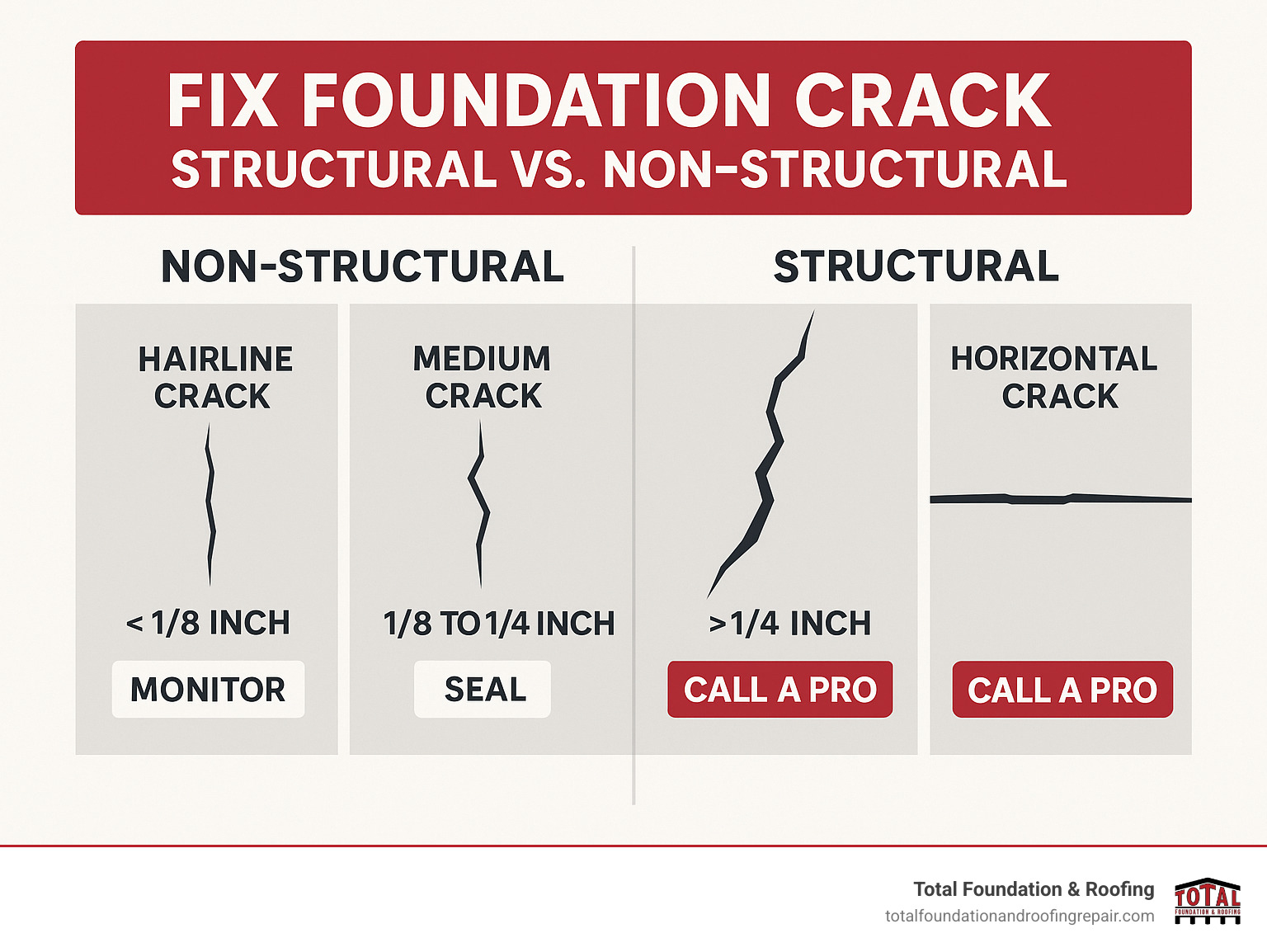
Before attempting a repair, it is vital to distinguish between cosmetic flaws and signs of structural instability. Misdiagnosing a crack can lead to wasted expenses on superficial fixes that fail to address a collapsing wall.
Hairline and Vertical Cracks
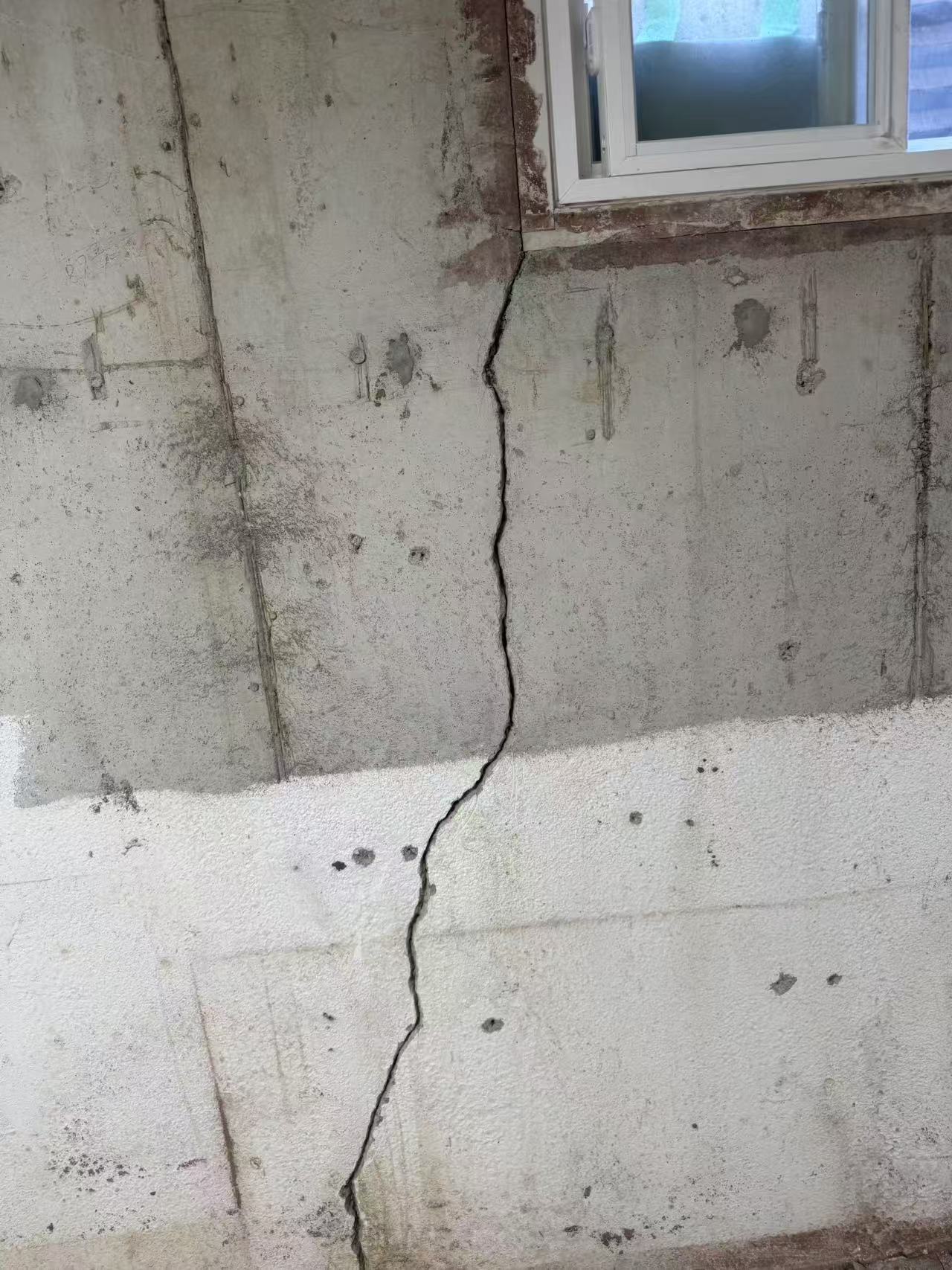
Vertical cracks are common in Sterling Heights homes and are often the result of the concrete’s initial curing process or minor settling. If the crack is less than 1/8 inch wide and runs straight up and down, it is generally considered non-structural. These are primarily a concern for water seepage rather than the home's collapse.
Diagonal and Stair-Step Cracks
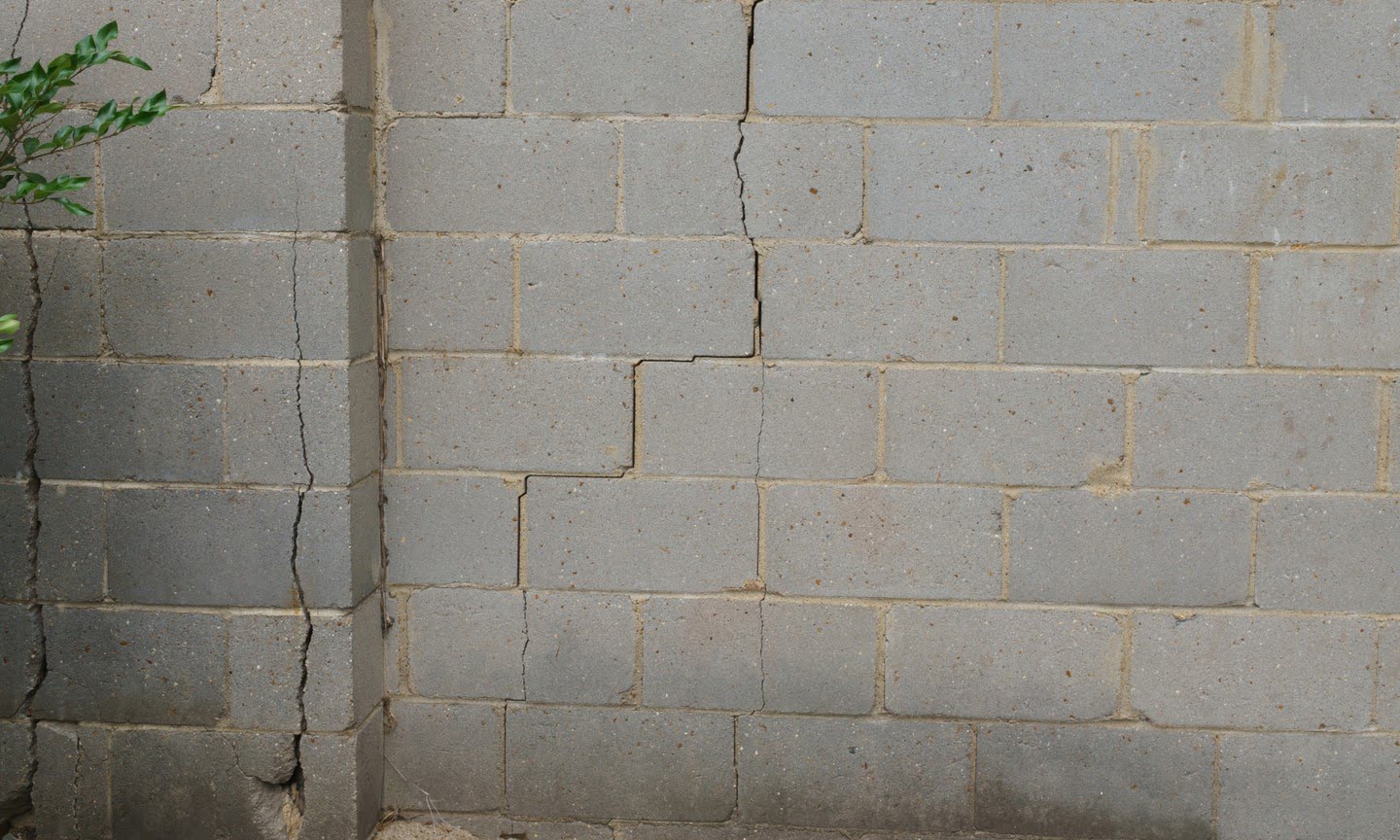
Diagonal cracks (often at a 45-degree angle) or stair-step patterns in brick veneer or cinder block walls indicate differential settlement. This occurs when one part of the Sterling Heights home is sinking faster than the rest. These require immediate attention as they suggest the footer of the house is no longer properly supported by the soil.
Horizontal Cracks
Horizontal cracks are the most severe. They typically appear mid-way up a basement wall and indicate that the wall is bowing inward due to excessive hydrostatic pressure from the outside soil. If left unaddressed, the wall may eventually cave in. In 2026, carbon fiber reinforcement or wall anchors are the standard industry response to this level of damage.
Step-by-Step Guide to Fixing Non-Structural Cracks
For cracks that are purely a source of water leaks, the goal is to create a permanent, flexible seal.
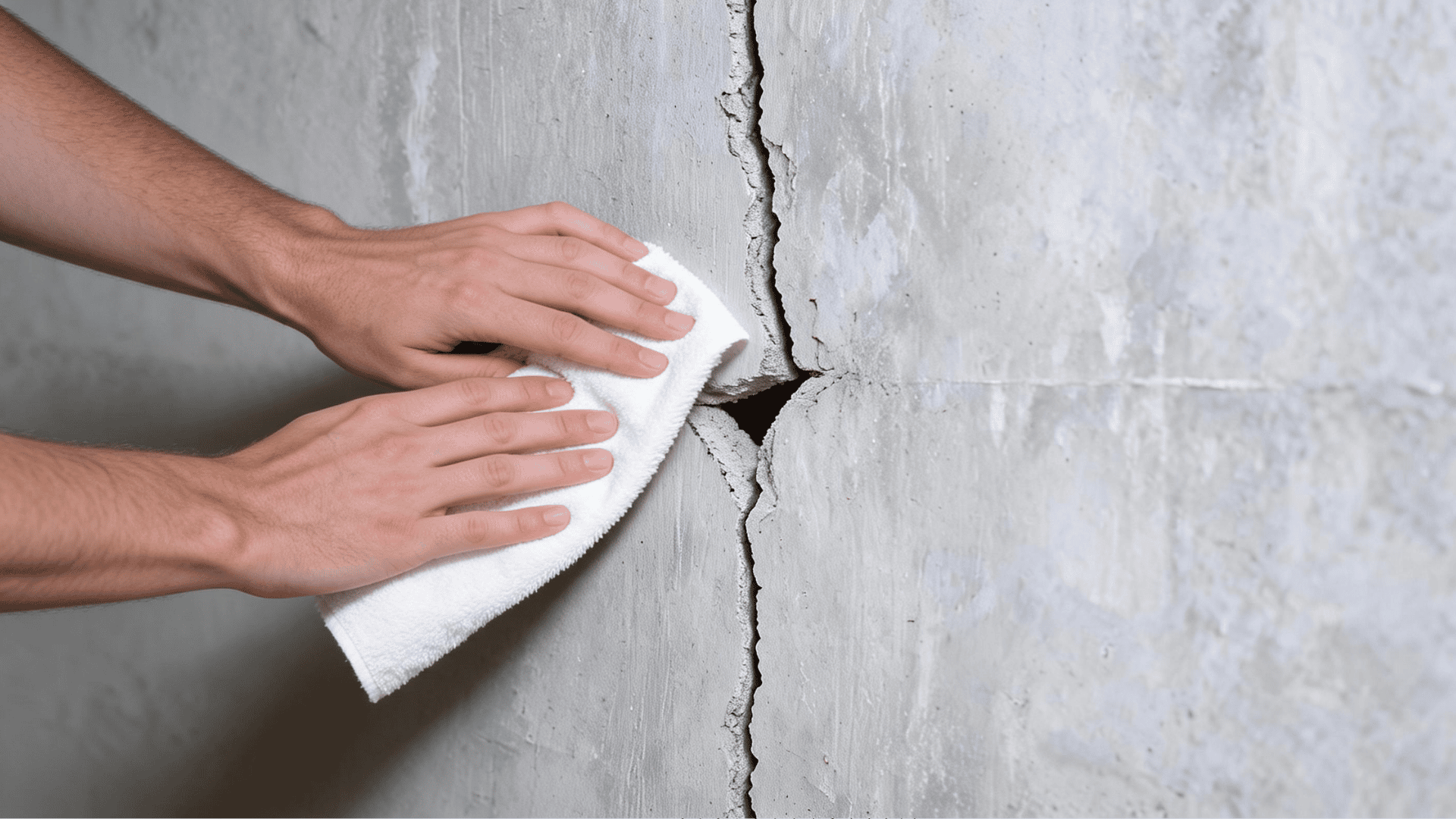
- Preparation and Cleaning: Use a wire brush to remove loose concrete, paint, or old sealant from the crack. The surface must be bone-dry. In Sterling Heights, where humidity can be high, using a heat gun to ensure the interior of the crack is dry is a recommended professional step.
- Installing Injection Ports: Apply a specialized paste (usually a surface-seal epoxy) to the base of plastic injection ports and press them into the crack at 8-to-12-inch intervals.
- Sealing the Surface: Cover the remainder of the crack between the ports with the surface-seal epoxy. This creates a "dam" that forces the repair material deep into the wall rather than allowing it to leak out the front.
- Injecting Polyurethane or Epoxy: Once the surface seal has cured (usually 24 hours), inject the resin starting at the lowest port. Polyurethane foam is often preferred for Sterling Heights basements because it expands to fill the entire void and remains flexible, accommodating minor future soil shifts.
- Port Removal: After the resin has fully expanded and hardened, the ports can be snapped off, and the wall can be sanded or painted for a finished look.
Professional Solutions for Structural Foundation Failure
If the crack is structural, DIY kits are insufficient. As of 2026, Sterling Heights building regulations require engineered solutions for significant structural remediation.
Helical Piers for Settlement
If a corner of your home is sinking, helical piers are the gold standard. These are large steel shafts with screw-like plates that are bored deep into the earth, bypassing the unstable clay of Sterling Heights until they hit "load-bearing" strata or bedrock. A bracket is then attached to the home's footer, allowing the structure to be leveled and stabilized.
Carbon Fiber Reinforcement
For walls that are beginning to bow or show horizontal cracking, carbon fiber straps offer a high-tensile strength solution. These straps are epoxied directly to the interior basement wall. They do not take up space like traditional steel I-beams and are virtually invisible once painted. They prevent further inward movement by distributing the pressure across the entire height of the wall.
Wall Anchors
In cases of severe bowing, wall anchors may be used. This involves burying an "anchor" plate in the yard (about 10–15 feet away from the house) and connecting it to a steel plate on the interior wall via a threaded rod. By tightening the nut on the interior plate, the wall is slowly pulled back toward its original position.
Comparison of Foundation Repair Methods (2026 Data)
| Method | Best For | Estimated Durability | Professional Required? |
|---|---|---|---|
| Epoxy/Poly Injection | Water leaks, small cracks | 5–10 years | No (DIY kits available) |
| Carbon Fiber Straps | Bowing walls, mid-size cracks | Lifetime | Yes |
| Helical Piers | Sinking foundations, settlement | Lifetime | Yes (Engineered) |
| Wall Anchors | Severe bowing, lateral shifts | 25+ years | Yes |
| Interior Drainage | Hydrostatic pressure relief | 20+ years | Yes |
Permitting and Legal Considerations in Sterling Heights
In 2026, homeowners must be aware that the City of Sterling Heights Building Department requires permits for most structural foundation repairs. While simple crack injections for waterproofing may not require a permit, any work involving piers, anchors, or wall stabilization does.
Failure to obtain a permit can lead to issues when trying to sell the property. Michigan law requires a Seller’s Disclosure Statement, where any known foundation issues must be documented. Proof of professional repair and a transferable warranty are often necessary to maintain the home's market value. You can check current local codes via the City of Sterling Heights official portal.
Preventive Measures to Protect Your Foundation
The most cost-effective way to fix a foundation is to prevent it from cracking in the first place. In the Michigan climate, water management is the most important factor.
- Gutter Maintenance: Ensure gutters are clear of debris. Downspouts should discharge water at least 6 to 10 feet away from the foundation. In Sterling Heights, where many homes are close together, ensure your drainage does not negatively impact your neighbor's property.
- Soil Grading: The ground around your home should slope away from the foundation at a rate of at least 6 inches of drop over the first 10 feet. If the soil has settled near your basement walls, add "clean fill" dirt (not mulch) to restore the slope.
- Root Management: Large trees located too close to the house can suck moisture out of the clay soil during dry Sterling Heights summers, causing the soil to shrink and the foundation to settle.
Frequently Asked Questions
Does homeowners insurance cover foundation cracks in Sterling Heights?
Standard homeowners insurance policies typically do not cover foundation repair if the damage is caused by "earth movement" or "hydrostatic pressure." However, if a crack was caused by a sudden, covered event—such as a pipe bursting—you may have a claim. It is essential to review your specific policy riders for 2026 updates regarding ground seepage or sewer backup.
How much does it cost to fix a foundation crack in 2026?
In the Sterling Heights area, a simple injection for a single crack typically costs between $400 and $800. However, structural repairs are significantly more expensive. Installing helical piers can cost $1,500 to $3,000 per pier, and a full basement stabilization project can easily range from $10,000 to $30,000 depending on the severity of the displacement.
Can I sell my Sterling Heights home with a foundation crack?
Yes, but you must disclose it. Many buyers in the Michigan market are wary of foundation issues due to the known soil conditions. Having a professional engineer's report or a receipt for a warranted repair can actually make the home easier to sell by providing peace of mind to the buyer.
How long does a typical foundation repair take?
A standard crack injection can be completed in a few hours. More intensive structural work, such as installing piers or an interior French drain system, usually takes 3 to 5 business days. Most reputable contractors in Macomb County will also require a few days for the initial site survey and permit approval.
Final Recommendations
If you discover a crack in your Sterling Heights home, your first action should be to monitor it. Mark the ends of the crack with a pencil and write the date. If the crack grows in length or width over a month, or if you notice doors sticking and windows failing to open, contact a structural engineer.
For 2026, the best practice is to prioritize drainage first. Before spending thousands on interior repairs, ensure your gutters and grading are perfect. Most foundation movement in Michigan is a direct result of poor water management. Addressing the root cause will ensure that once you do fix the crack, it stays fixed for the life of the home.
Image Gallery