The Best Head Massager for 2026: Top-Rated Scalp Therapy Devices Compared
The Breo Scalp 3 stands as the best overall head massager in 2026, offering a superior combination of kinetic kneading technology, integrated red light therapy (LLLT), and an IPX7 waterproof rating. Its ergonomic design and ability to...
The Breo Scalp 3 stands as the best overall head massager in 2026, offering a superior combination of kinetic kneading technology, integrated red light therapy (LLLT), and an IPX7 waterproof rating. Its ergonomic design and ability to mimic professional Shiatsu techniques make it the premier choice for tension relief and scalp health.
Contents
The Evolution of Scalp Massage Technology in 2026
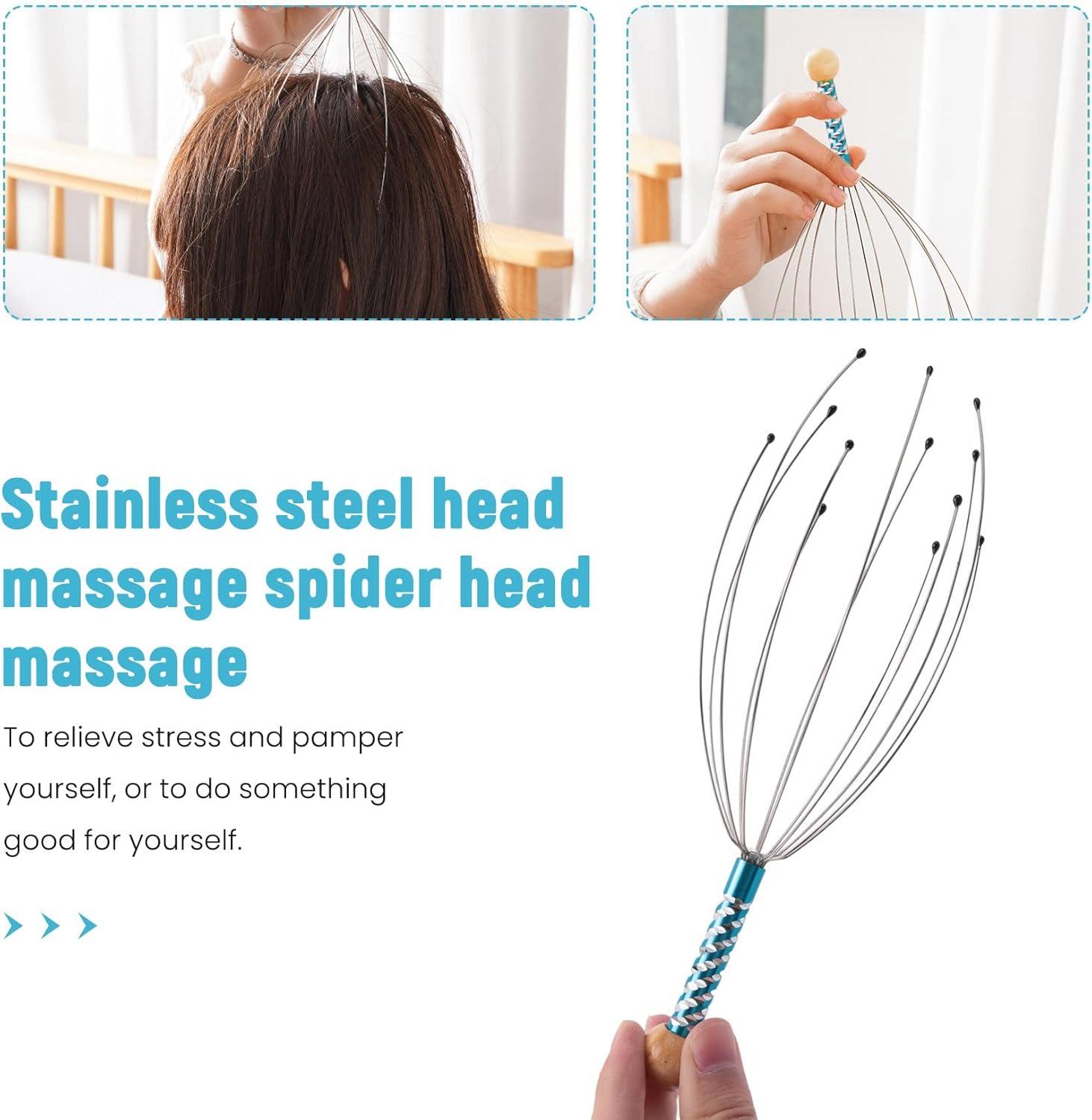
Head and scalp massagers have transitioned from simple manual "spider" wires to sophisticated biometric devices. In 2026, the primary focus of these devices is no longer just relaxation; they are now engineered for specific therapeutic outcomes, including the management of tension-type headaches, the stimulation of hair follicles via blood flow enhancement, and the reduction of cortisol levels.
Modern devices utilize mechanotransduction, a process where mechanical stimuli are converted into cellular output. By applying specific pressure patterns to the galea aponeurotica (the dense layer of fibrous tissue in the scalp), these massagers help release myofascial trigger points that often contribute to "hat-band" headaches. Furthermore, the integration of 650nm red light therapy in flagship models has become a standard for users looking to support hair density by energizing mitochondrial activity within the hair bulbs.
Manual vs. Electric Scalp Massagers
While manual tools remain popular for their simplicity and lack of charging requirements, they cannot compete with the consistency of electric models. Manual massagers, such as the traditional copper-pronged tinglers, provide sensory stimulation but lack the depth required for deep-tissue kneading. In contrast, the top electric models of 2026 use independent rotating nodes that can perform complex "grasping" motions, providing a much higher degree of physiological benefit than simple vibration.
Key Features to Prioritize in a Head Massager
When selecting a head massager, several technical specifications determine whether a device is a high-value therapeutic tool or a mere novelty. As of 2026, these four pillars are the benchmarks for quality:
- Node Engineering and Material: The contact points (nodes) should be made of food-grade, antimicrobial silicone. This ensures that the device is soft enough for the sensitive scalp skin while remaining hygienic. Independent movement of the nodes allows for a "three-dimensional" massage that pulls and kneads rather than just shaking the surface.
- Waterproof Certification: An IPX7 rating is essential. This allows the device to be submerged in up to one meter of water, making it safe for use in the shower. Using a massager during hair washing helps deeply exfoliate the scalp and improve the penetration of therapeutic shampoos.
- Pressure Sensors and Modes: High-end 2026 models feature torque-sensing technology. If you press too hard against the skull, the device adjusts its speed or stops to prevent bruising or hair tangling. Multiple modes—ranging from "Soothing" to "Deep Tissue"—allow for customization based on the user’s current sensitivity.
- Battery and Charging Infrastructure: In 2026, USB-C is the universal standard. Look for devices offering at least 90 to 120 minutes of runtime on a single charge, which typically equates to two weeks of daily ten-minute sessions.
Detailed Review of the Top 2026 Head Massagers
To identify the single best massager, we must examine the performance of the market leaders. Each of these devices targets a specific sub-intent, from pure relaxation to medical-grade tension relief.
1. Breo Scalp 3: The Best Overall Choice
The Breo Scalp 3 remains the gold standard. Its standout feature is the 82-node configuration distributed across four circular massage heads. What differentiates this model in 2026 is the synchronized red light array. While the nodes knead the scalp to increase vasodilation (the widening of blood vessels), the red light targets the dermal papilla cells. This dual-action approach is particularly favored by those using the device for hair thinning concerns. The grip is designed to be anti-slip, which is a critical improvement over earlier, bulkier designs that were difficult to hold with soapy hands.
2. Comfier Smart Scalp Massager: Best Value
For users who do not require light therapy, the Comfier Smart Scalp Massager provides exceptional kneading power at a lower price point. It features four massage heads with 21 individual nodes each, rotating in both clockwise and counter-clockwise directions. Its motor is remarkably quiet, staying below 35 decibels, making it ideal for use in an office environment to combat midday stress.
3. Renpho Smart App-Controlled Massager: Best for Customization
Renpho has cornered the "smart" segment of the market. This device connects via Bluetooth to an app, allowing users to create custom "rhythm" profiles. If you have a specific area of the occipital ridge that requires more attention, you can program the massager to vary its intensity in that specific zone.
Comparative Specifications Table
The following table compares the leading models available in 2026 based on their core technical attributes.
| Feature | Breo Scalp 3 | Comfier Smart | Renpho Smart | Mountrax 2nd Gen |
|---|---|---|---|---|
| Primary Motion | 3D Shiatsu Kneading | 2D/3D Rotation | App-Synced Pulsing | Percussive Tapping |
| Waterproof Rating | IPX7 | IPX7 | IPX6 | IPX7 |
| Light Therapy | 650nm Red Light | None | None | None |
| Node Material | Antimicrobial Silicone | Standard Silicone | Soft-Touch TPU | Food-Grade Silicone |
| Battery Life | 150 Minutes | 120 Minutes | 100 Minutes | 180 Minutes |
| Charging Port | USB-C | Proprietary/USB-C | USB-C | Magnetic USB |
| Weight | 320g | 400g | 350g | 420g |
The Therapeutic Benefits of Regular Scalp Massage
Utilizing a head massager is not merely a luxury; it addresses several physiological needs. Clinical studies, such as those discussed by the National Center for Biotechnology Information (NCBI), suggest that mechanical scalp stimulation can increase hair thickness by stretching the cells of hair follicles.
Tension Headache Relief
Tension headaches are often caused by the tightening of the muscles in the neck and scalp. A high-quality massager targets the temporalis and occipitalis muscles. By breaking up adhesions in these tissues, the device promotes the "relaxation response," lowering heart rate and blood pressure. For those who spend hours looking at screens, focusing the massager on the base of the skull (the suboccipital area) can provide immediate relief from "tech neck" symptoms.
Lymphatic Drainage
The scalp contains a dense network of lymphatic vessels. Gentle, rhythmic massage helps move lymph fluid toward the lymph nodes located behind the ears and at the base of the neck. This process aids in the removal of metabolic waste from the scalp tissues, which can reduce puffiness and improve the overall "vitality" of the skin in the upper facial region.
Safety Considerations and Contraindications
While scalp massagers are generally safe, certain conditions require caution.
- Scalp Injuries: Never use an electric massager on open wounds, fresh stitches, or areas with active inflammation (like severe seborrheic dermatitis flares).
- Medical Implants: Individuals with shunts, plates, or other cranial implants should consult their neurosurgeon before applying mechanical pressure to the skull.
- Hair Tangling: Those with very fine or long, curly hair should use the device on "low" speed settings initially. Ensure the nodes are clean; oil buildup can cause the hair to "stick" to the silicone, leading to breakage.
- Frequency: Over-massaging can lead to soreness. Limit sessions to 10-15 minutes, once or twice daily.
For those with chronic, neurological migraine conditions, a scalp massager is a supportive tool but not a replacement for medical interventions prescribed by a neurologist. According to the American Migraine Foundation, physical therapy and massage can be helpful adjuncts, but patients should be wary of using deep-tissue settings during an active migraine attack, as it may exacerbate sensory overload.
Maintenance and Longevity Tips
To ensure your head massager lasts through 2026 and beyond, proper maintenance is vital. Since most high-end models are used with oils or in the shower, residue can build up quickly.
- Node Removal: Most 2026 models feature detachable nodes. Remove them weekly and soak them in warm, soapy water to remove sebum and hair product buildup.
- Dry Before Charging: Even with an IPX7 rating, the charging port (unless magnetic) should be completely dry before connecting a cable. Use a canned air duster or a microfiber cloth to clear the USB-C port.
- Avoid Essential Oil Damage: Some essential oils, like highly concentrated tea tree or peppermint oil, can degrade certain types of silicone over time. If you use oils, ensure they are diluted and wipe the massager down immediately after use.
Frequently Asked Questions
Can a head massager actually help with hair growth?
While a massager is not a cure for genetic baldness, it can support hair health. By increasing blood circulation to the scalp, more oxygen and nutrients reach the hair follicles. Research has shown that consistent mechanical stimulation can lead to increased hair thickness by stretching the dermal papilla cells in the hair follicles.
Is it safe to use a head massager every day?
Yes, most manufacturers recommend daily use for 5 to 10 minutes. However, you should monitor your scalp for any signs of irritation or tenderness. If you have a sensitive scalp, starting with a 3-minute session every other day is advisable to allow your tissues to acclimate to the mechanical pressure.
Can I use a head massager on other parts of my body?
Most scalp massagers, particularly the kneading models like the Breo or Comfier, are versatile enough for use on the neck, shoulders, and even the calves. However, because the motors are optimized for the thin skin of the scalp, they may not provide enough force for deep-muscle knots in the back or thighs compared to a dedicated percussive massage gun.
Why do some massagers have red lights?
The red light (usually around 630-650nm) is used for Low-Level Laser Therapy (LLLT). This wavelength penetrates the skin to stimulate cellular energy (ATP) production. In the context of a scalp massager, it is intended to revitalize dormant follicles and reduce inflammation that can contribute to hair shedding.
Do I need to use oil with an electric head massager?
Oil is not required but can enhance the experience. Using a carrier oil like jojoba or rosemary oil can help the nodes glide more smoothly and provide additional nourishment to the scalp. If you use oil, ensure your massager is waterproof (IPX7) for easy cleaning afterward.
Practical Recommendation
If you are looking for a single device that balances therapeutic power with long-term durability, the Breo Scalp 3 is the definitive choice for 2026. Its inclusion of light therapy and superior node articulation makes it more effective than cheaper alternatives. For those on a stricter budget who simply want to alleviate stress and tension headaches, the Comfier Smart Scalp Massager provides the best mechanical performance for the price. Regardless of the model you choose, consistency is key; using the device for just five minutes during your evening routine can significantly improve both scalp health and sleep quality.
Image Gallery