Comprehensive Guide to Game of Thrones Family Names and Noble Houses
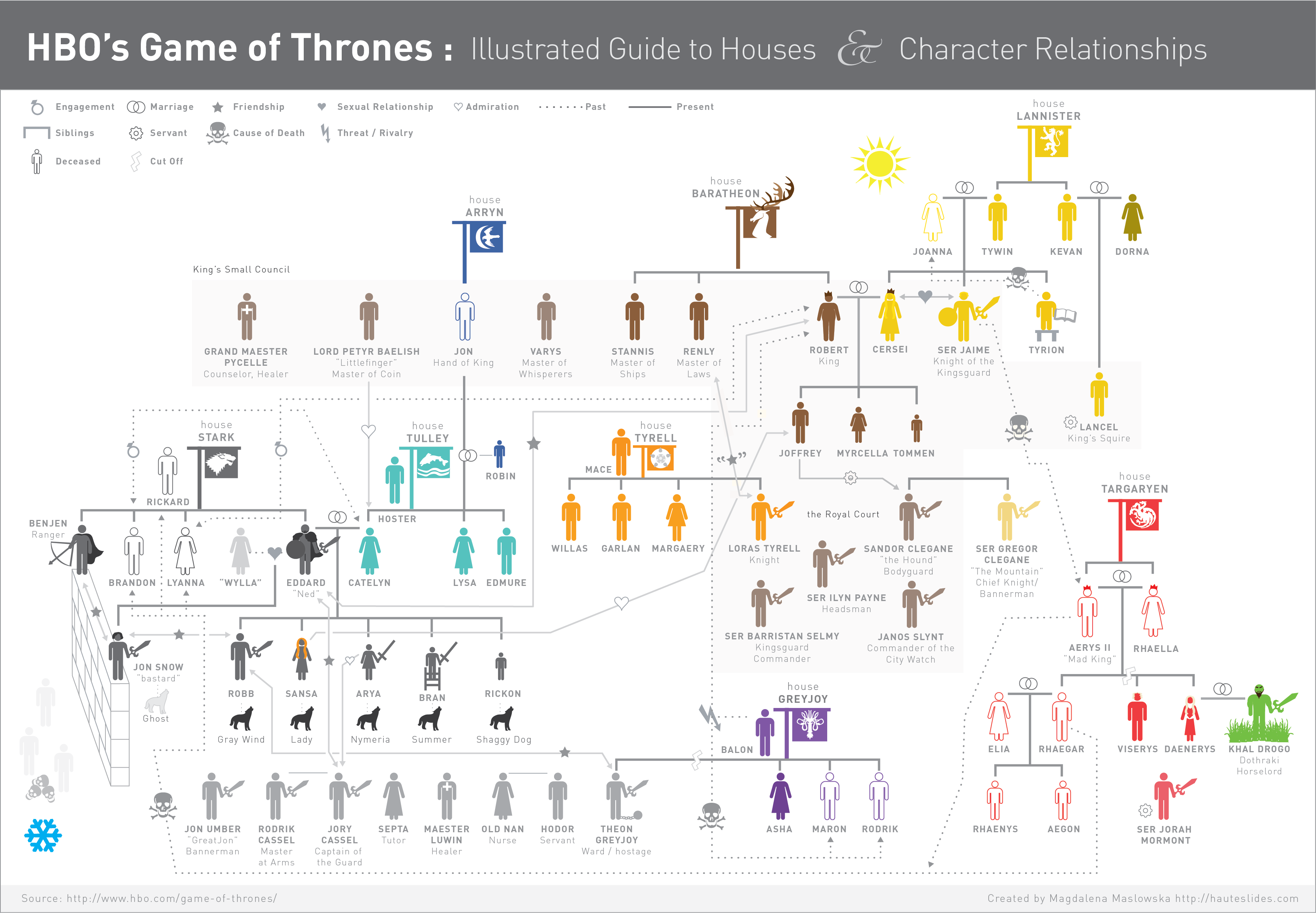
The primary family names in Game of Thrones are the Great Houses of Westeros: Stark, Lannister, Targaryen, Baratheon, Arryn, Tully, Greyjoy, Martell, and Tyrell. These noble lineages, along with prominent vassal houses such as Mormont,...
The primary family names in Game of Thrones are the Great Houses of Westeros: Stark, Lannister, Targaryen, Baratheon, Arryn, Tully, Greyjoy, Martell, and Tyrell. These noble lineages, along with prominent vassal houses such as Mormont, Bolton, and Reed, define the political hierarchy, cultural identity, and historical narrative of the Seven Kingdoms.
Contents
In the complex feudal society of Westeros, a family name—or "House"—is more than just a surname; it is a brand of power, a claim to land, and a bloodline legacy. As of 2026, with the expansion of the A Song of Ice and Fire universe through various television adaptations and supplemental histories, understanding these family names is essential for navigating the intricate lore of the realm. Each house is distinguished by its "Words" (motto), "Sigil" (heraldic symbol), and ancestral seat (castle).
The Power Dynamics of Surnames in Westeros
In Westeros, family names are strictly regulated by the laws of primogeniture. Only those born of a legitimate marriage or those formally "legitimized" by a royal decree may carry the house name. The name itself carries the weight of thousands of years of history, particularly for houses that trace their lineage back to the Age of Heroes or the coming of the Andals.
For the common folk (smallfolk), surnames are a rarity. Most individuals are known simply by their first name and perhaps their occupation or place of origin. The possession of a family name such as "Lannister" or "Stark" immediately grants an individual legal protections, social standing, and political leverage that a commoner can never achieve. This divide is the engine of the "Great Game," where houses compete to advance their station or prevent their extinction.
The Nine Great Houses of the Seven Kingdoms
The Great Houses are the highest tier of nobility, reporting directly to the Iron Throne. Each rules over a vast geographic region and commands the loyalty of numerous smaller vassal houses.
House Stark of Winterfell
The Starks are the ancient rulers of the North, tracing their lineage back over 8,000 years to Brandon the Builder. Their name is synonymous with the North itself. As the "Kings in the North" (until the Targaryen Conquest), they follow the Old Gods and maintain a culture of stoicism and duty.
- Sigil: A grey direwolf on an ice-white field.
- Motto: "Winter is Coming."
- Region: The North.
House Lannister of Casterly Rock
Known for their immense wealth derived from gold mines, the Lannisters are the primary power players in the Westerlands. Their name is often associated with the phrase "A Lannister always pays his debts," though their official motto reflects their ferocity. They are of Andal descent and are known for their golden hair and political cunning.
- Sigil: A golden lion on a crimson field.
- Motto: "Hear Me Roar!"
- Region: The Westerlands.
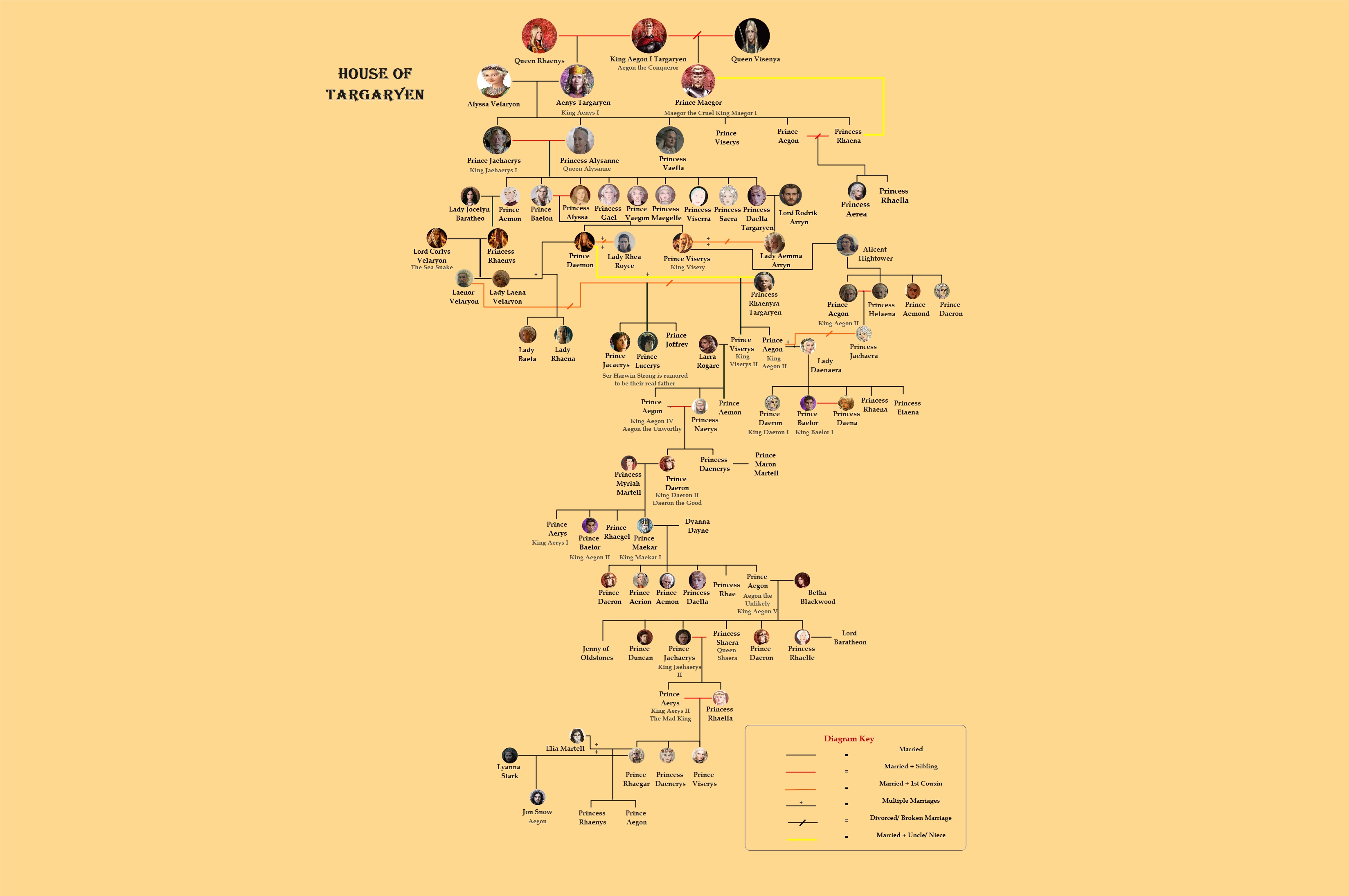
House Targaryen of Dragonstone
Originally from the Valyrian Freehold, the Targaryens ruled the Seven Kingdoms for nearly 300 years. Their name is unique because they are the only family associated with dragons and "dragon-riding." Though displaced during Robert’s Rebellion, the name Targaryen remains a symbol of absolute monarchy and mystical power.
- Sigil: A three-headed red dragon on a black field.
- Motto: "Fire and Blood."
- Region: The Crownlands (historically).
House Baratheon of Storm's End
House Baratheon was founded by Orys Baratheon, rumored to be the bastard brother of Aegon the Conqueror. They rose to ultimate power when Robert Baratheon seized the Iron Throne. The name represents physical strength and a tempestuous temperament, matching the storm-battered coast they call home.
- Sigil: A crowned black stag on a golden field.
- Motto: "Ours is the Fury."
- Region: The Stormlands.
House Tyrell of Highgarden
The Tyrells rose to power as stewards for the extinct House Gardener. They rule the Reach, the most fertile and populous region of Westeros. The Tyrell name is synonymous with chivalry, courtly intrigue, and the control of the realm’s food supply.
- Sigil: A golden rose on a green field.
- Motto: "Growing Strong."
- Region: The Reach.
House Greyjoy of Pyke
The Greyjoys rule the Iron Islands and pride themselves on their naval prowess and the "Old Way" of reeving and raiding. Their name is feared along the coastlines of Westeros, representing a culture that rejects the agrarian lifestyle of the mainland.
- Sigil: A golden kraken on a black field.
- Motto: "We Do Not Sow."
- Region: The Iron Islands.
House Martell of Sunspear
House Nymeros Martell rules Dorne, the southernmost region of Westeros. They are unique for their Rhoynar heritage and their history of resisting the Targaryen dragons. The name Martell represents a culture of gender equality in inheritance and a fierce independent streak.
- Sigil: A red sun pierced by a golden spear on an orange field.
- Motto: "Unbowed, Unbent, Unbroken."
- Region: Dorne.
House Arryn of the Eyrie
The Arryns are one of the oldest and purest lines of Andal nobility. Their seat, the Eyrie, is considered impregnable. The Arryn name carries a reputation for honor and isolationism, as they often remain neutral during the wars of the south.
- Sigil: A sky-blue falcon and a white moon on a dark blue field.
- Motto: "As High as Honor."
- Region: The Vale of Arryn.
House Tully of Riverrun
The Tullys rule the Riverlands, a region often plagued by war due to its central location and lack of natural boundaries. Their name emphasizes the importance of family ties and regional cooperation over individual glory.
- Sigil: A leaping silver trout on a field of blue and red stripes.
- Motto: "Family, Duty, Honor."
- Region: The Riverlands.
Summary Table of Major Westerosi Houses
The following table provides a quick reference for the primary family names, their ancestral homes, and their regional authority as established in the core chronology.
| House Name | Ancestral Seat | Primary Region | Heraldic Sigil |
|---|---|---|---|
| Stark | Winterfell | The North | Direwolf |
| Lannister | Casterly Rock | The Westerlands | Lion |
| Targaryen | Dragonstone | The Crownlands | Three-Headed Dragon |
| Baratheon | Storm's End | The Stormlands | Crowned Stag |
| Tyrell | Highgarden | The Reach | Rose |
| Greyjoy | Pyke | Iron Islands | Kraken |
| Martell | Sunspear | Dorne | Sun and Spear |
| Arryn | The Eyrie | The Vale | Falcon and Moon |
| Tully | Riverrun | The Riverlands | Leaping Trout |
Bastard Surnames: The Names of the Unrecognized
One of the most distinct aspects of the Game of Thrones naming convention is the treatment of "base-born" children. If a child is born to at least one noble parent but out of wedlock, they are not permitted to use the family name. Instead, they are given a standardized surname based on the region in which they were raised.
Understanding these names is vital for identifying a character's origins:
- Snow: The North (e.g., Jon Snow).
- Hill: The Westerlands.
- Rivers: The Riverlands.
- Stone: The Vale.
- Pyke: The Iron Islands.
- Flowers: The Reach.
- Storm: The Stormlands.
- Sand: Dorne.
- Waters: The Crownlands.
These names carry a social stigma in most of Westeros, though in Dorne (House Martell's domain), the treatment of those with the surname "Sand" is significantly more progressive.
Notable Vassal and Lesser Houses
While the Great Houses dominate the politics of the Iron Throne, the "Lesser Houses" or vassal houses often hold significant power and historical weight. These families are sworn to the Great House of their region.
The North
The Starks rely on several powerful families to maintain order. House Mormont of Bear Island is famous for its fierce warriors, while House Reed of Greywater Watch provides the Starks with strategic defense of the Neck. Conversely, the name House Bolton of the Dreadfort historically represented a dark rivalry with the Starks, eventually leading to the Boltons' brief and brutal ascension as Wardens of the North.
The Westerlands and The Reach
In the West, House Clegane is a relatively young house, essentially a family of landed knights sworn to the Lannisters. Their name became infamous through "The Mountain" and "The Hound." In the Reach, House Tarly of Horn Hill is known for its military discipline and its possession of the Valyrian steel sword, Heartsbane. House Hightower of Oldtown is perhaps the most powerful vassal house in the realm, wealthier and older than many Great Houses.
The Riverlands and The Vale
The Tullys often struggle to control House Frey of the Twins, a family that grew wealthy by taxing a bridge across the Green Fork. The Frey name became synonymous with betrayal following the events of the "Red Wedding." In the Vale, House Royce of Runestone is the most prominent vassal to the Arryns, maintaining many of the traditions of the First Men.
The Significance of Extinct Family Names
History in Westeros is often defined by the "extinction" of family names. When a house "dies out," it usually means there are no male heirs to carry the name, or the entire family has been executed following a rebellion.
The most famous extinct name is House Targaryen (which was believed to be extinct before the return of Daenerys). Other notable examples include House Reyne of Castamere, which was completely destroyed by Tywin Lannister, and House Gardener, which was wiped out by Aegon the Conqueror on the Field of Fire. In the modern era (circa 2026), the study of these extinct names serves as a cautionary tale for the living houses regarding the fragility of power.
Frequently Asked Questions
What is the most powerful family name in Game of Thrones?
The definition of "powerful" changes throughout the series. Historically, House Targaryen was the most powerful due to their dragons. For much of the main narrative, House Lannister held the most power through their control of the Iron Throne and their immense gold reserves. By the conclusion of the story, House Stark emerges as the most politically stable and influential name across the continent.
Can a person change their family name in Westeros?
Changing a name is rare and usually requires a royal decree. A bastard can be "legitimized" by a king, allowing them to take their father's house name (such as Ramsay Snow becoming Ramsay Bolton). Additionally, a man can take his wife’s name if her house is significantly more prestigious and lacks a male heir, though this is uncommon.
Why do some houses have two mottos?
Actually, most houses only have one official motto, known as "The Words." However, many houses have unofficial sayings that are more famous than their actual motto. The most notable example is House Lannister, whose official words are "Hear Me Roar!", but whose unofficial saying "A Lannister always pays his debts" is much more widely known and used in social transactions.
What happens to a family name when a noble woman marries?
In the patriarchal society of Westeros, a woman usually takes her husband's name (e.g., Catelyn Tully becoming Catelyn Stark). However, women from Great Houses often retain their family name as a mark of status or if they are the primary heir to a seat. For instance, Cersei Lannister remained "Cersei Lannister" even after marrying King Robert Baratheon, partly because the Lannister name was more prestigious than the new Baratheon dynasty.
Are there any houses outside of Westeros?
While the Free Cities of Essos (like Braavos or Pentos) have powerful families and merchant princes, they do not use the "House" system in the same feudal sense as Westeros. The closest equivalent is the Old Blood of Volantis, who trace their lineage back to the Valyrian Freehold, but they do not use the same heraldry and motto system found in the Seven Kingdoms.
Next Steps for Lore Enthusiasts
To fully grasp the depth of Game of Thrones family names, it is recommended to study the heraldry and genealogical trees provided in the appendices of George R.R. Martin’s A Song of Ice and Fire novels. For those interested in the origins of these names, the companion book The World of Ice & Fire offers detailed histories of how the Great Houses rose to power. Understanding the regional distribution of these names is the key to understanding the military and economic alliances that drive the story forward.
Image Gallery