Sitcom Actors Who Died and Left an Enduring Cultural Legacy
Sitcom actors leave a lasting legacy by defining television eras and providing audiences with a sense of familiar companionship. Through syndication and streaming, performers like Lucille Ball, Matthew Perry, and Betty White remain cul...
Sitcom actors leave a lasting legacy by defining television eras and providing audiences with a sense of familiar companionship. Through syndication and streaming, performers like Lucille Ball, Matthew Perry, and Betty White remain cultural touchstones, influencing comedic timing, social norms, and industry production standards long after their passing.
Contents
Sitcoms occupy a unique space in the entertainment landscape. Unlike film stars who appear on the big screen once every few years, sitcom actors enter our homes weekly—or daily in the age of streaming—creating a "parasocial" bond that feels like genuine friendship. When these actors pass away, the loss is felt deeply by the public, but their work continues to function as a living archive of humor and humanity. As of 2026, the digital preservation of television history has ensured that the legacies of these performers are not just remembered, but actively experienced by new generations.
The Pioneers of the Television Format
The foundation of the modern sitcom was laid by actors who were not only performers but also industrial visionaries. Their passing marked the end of an era, yet their technical and creative contributions remain the "operating system" for television comedy today.
Lucille Ball (I Love Lucy)
Lucille Ball’s legacy is perhaps the most significant in the history of the medium. Before Ball, television was often broadcast live and lost to time. Alongside her husband Desi Arnaz, she pioneered the three-camera film system, which allowed for high-quality recording and the eventual birth of the syndication market.
Her death in 1989 did not signal the end of her influence; rather, it solidified her status as the "Queen of Comedy." The legacy she left includes the creation of Desilu Productions, which produced not only I Love Lucy but also funded the original Star Trek and Mission: Impossible. Her physical comedy remains the gold standard for timing and commitment, taught in acting schools globally as a masterclass in the craft.
Mary Tyler Moore (The Mary Tyler Moore Show)
Mary Tyler Moore changed the cultural landscape by portraying a single, professional woman whose primary focus wasn't finding a husband. Her legacy is one of social revolution wrapped in a half-hour comedy. When she passed in 2017, she left behind a blueprint for the "workplace sitcom" that shows like 30 Rock and The Parks and Recreation would later follow. Her production company, MTM Enterprises, became a beacon of quality, fostering talent that would go on to create some of the most respected dramas and comedies in history.
The Modern Icons of Emotional Resonance
As the sitcom evolved, it began to tackle more complex themes of mental health, addiction, and aging. The actors who led these shows became symbols of vulnerability, making their eventual passing a moment of collective mourning that transcended simple celebrity gossip.
Matthew Perry (Friends)
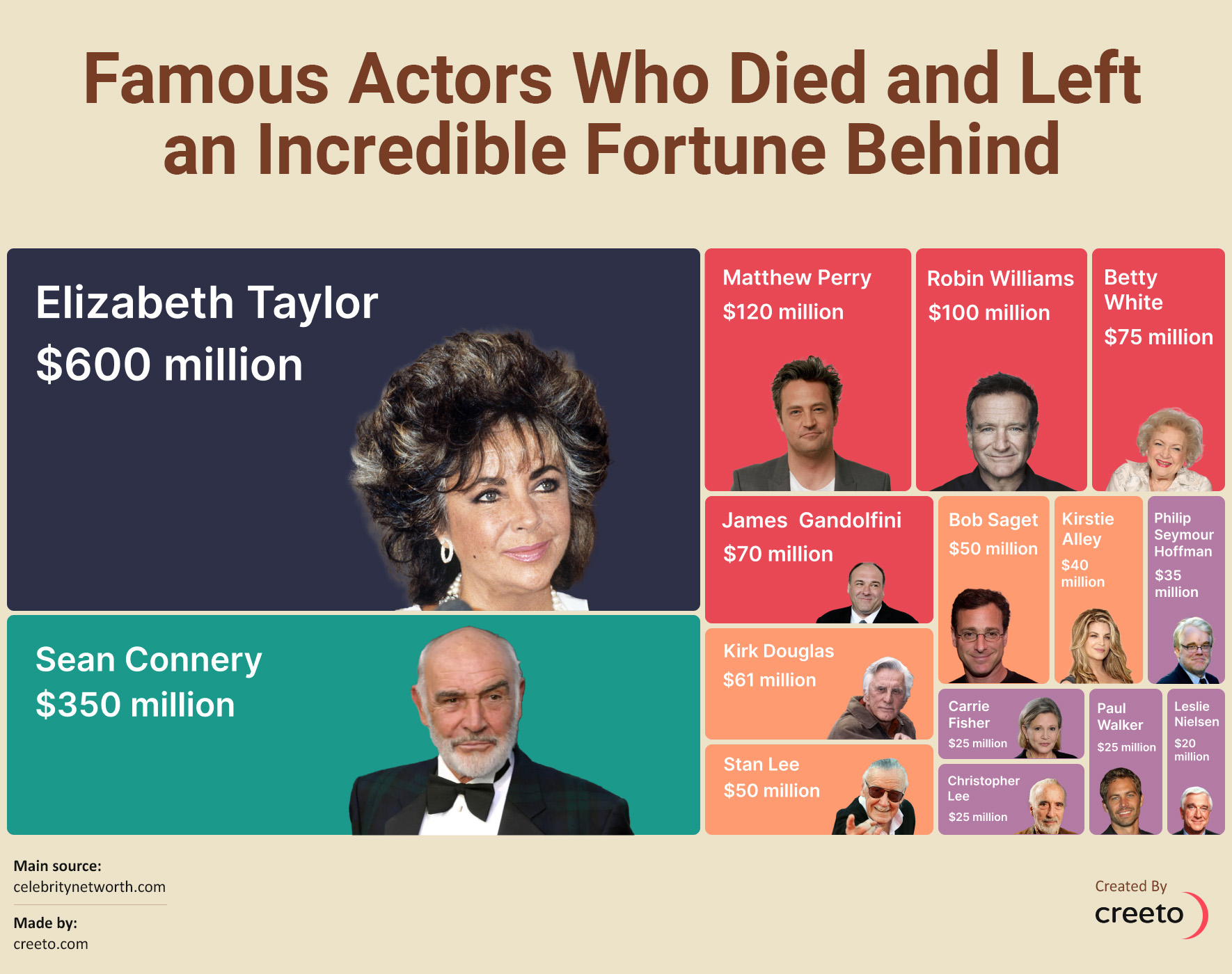
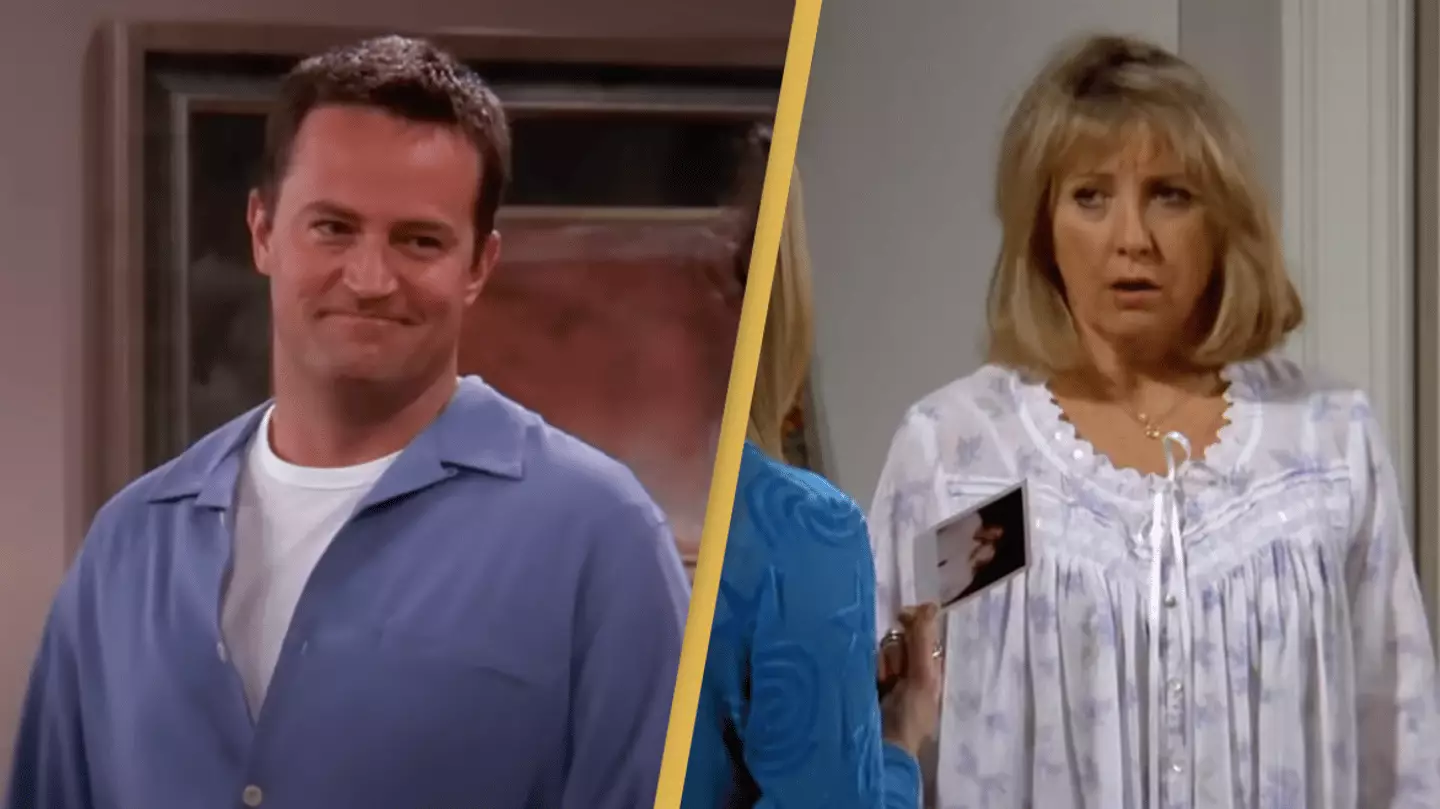
Matthew Perry’s portrayal of Chandler Bing on Friends defined the "sarcastic but lovable" archetype for an entire generation. However, his legacy after his death in 2023 became increasingly defined by his openness regarding addiction. Perry’s memoir, Friends, Lovers, and the Big Terrible Thing, and his desire to be remembered as someone who helped others overcome substance abuse, transformed his public image from a comedic actor to a humanitarian figure.
By 2026, the Matthew Perry Foundation has become a leading organization in addiction recovery advocacy, ensuring that his legacy is measured not just in laugh tracks, but in lives saved. His work on Friends continues to be the most-watched content on global streaming platforms, proving the timelessness of his comedic delivery.
Betty White (The Golden Girls)
Betty White’s legacy is one of unprecedented longevity and kindness. Passing just days before her 100th birthday in late 2021, White proved that aging in Hollywood did not have to mean obsolescence. Her role as Rose Nylund on The Golden Girls challenged stereotypes about the elderly, showing that women in their "golden years" still had vibrant lives, friendships, and sexualities. Beyond the screen, her lifelong commitment to animal welfare remains her primary non-entertainment legacy, with millions of dollars raised in her name for shelters and conservation efforts.
The Sudden Losses and the "Show Must Go On" Tradition
Some sitcom actors died while their shows were still in production or at the height of their secondary careers, creating a unique void in the industry.
John Ritter (Three’s Company / 8 Simple Rules)
John Ritter was a master of physical comedy, often compared to the greats of the silent film era. His sudden death in 2003 during the filming of 8 Simple Rules for Dating My Teenage Daughter forced the industry to grapple with how to handle real-life tragedy within a comedic framework. The show’s decision to write his death into the script provided a rare, somber moment in sitcom history that helped audiences process their grief. Ritter’s legacy is maintained through the John Ritter Foundation for Aortic Health, which focuses on the condition that took his life.
Bob Saget (Full House)
Known as "America’s Dad" for his role as Danny Tanner, Bob Saget’s death in 2022 revealed the deep respect he held within the comedy community. While his TV persona was wholesome, his legacy in the stand-up world was one of mentorship and boundary-pushing humor. He bridged the gap between the family-friendly sitcom and the gritty reality of professional comedy, leaving behind a legacy of being one of the most well-liked figures in a notoriously difficult industry.
Technical and Economic Impact of Deceased Sitcom Stars
The legacy of a sitcom actor is also tied to the complex world of intellectual property and syndication rights. When a major sitcom star dies, their estate continues to manage their likeness and the residuals generated by their work.
| Actor | Primary Sitcom | Key Legacy Contribution | Impact Metric (as of 2026) |
|---|---|---|---|
| Lucille Ball | I Love Lucy | Invented the multi-cam syndication model. | In continuous syndication for 70+ years. |
| Matthew Perry | Friends | Global advocacy for addiction recovery. | Top 5 most-streamed actor globally. |
| Betty White | The Golden Girls | Redefined the portrayal of aging on TV. | Spurred the "Betty White Challenge" for charities. |
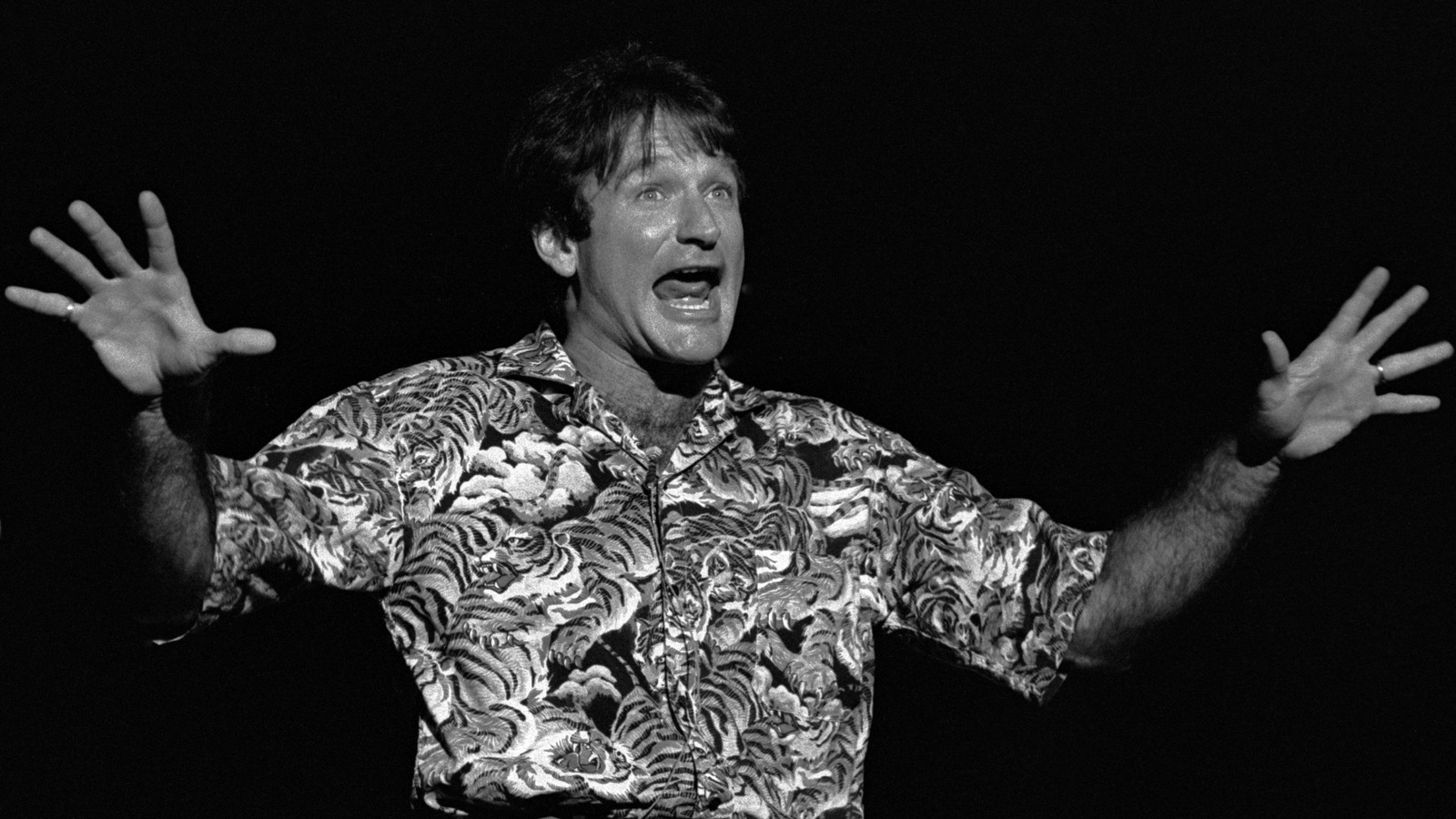
| Robin Williams | Mork & Mindy | Introduced rapid-fire improv to sitcoms. | Foundation for mental health awareness in comedy. |
| Phil Hartman | NewsRadio | The "actor's actor" for character versatility. | Influenced the "straight man" comedic archetype. |
| Carroll O'Connor | All in the Family | Used satire to tackle systemic bigotry. | Changed FCC standards for television dialogue. |
The Role of Streaming and Syndication
As of 2026, the transition from cable syndication to global streaming has significantly altered how we view the legacy of deceased actors. In the past, a show might fade away if it wasn't picked up by a local station. Today, platforms like Netflix, Max, and Hulu act as digital museums.
For the estates of deceased actors, this creates a permanent revenue stream and a "living" presence. The technical quality of these older shows has been preserved through 4K restoration, ensuring that actors like Mary Tyler Moore or Bob Newhart appear as crisp to a viewer today as they did decades ago. This technological preservation is a vital component of their legacy, preventing their work from becoming "relics."
Why We Remain Connected to These Figures
The legacy of sitcom actors is reinforced by the nature of the genre. Sitcoms rely on stasis and comfort. The characters rarely change fundamentally, providing a sense of stability for the viewer. When an actor like Andre Braugher (Brooklyn Nine-Nine) or James Gandolfini (The Sopranos, though primarily a drama, utilized heavy comedic elements) passes, fans feel they have lost a person who was present during their own milestones—late-night study sessions, family dinners, or periods of illness.
The legacy is also found in the "lineage of laughter." Every modern sitcom star cites these predecessors as influences. You cannot have the dry wit of a modern ensemble without the foundation laid by the cast of Cheers or The Mary Tyler Moore Show.
Frequently Asked Questions
How do sitcom actors' estates manage residuals after their death?
The estates of actors receive residual payments based on the contracts negotiated by the actor and SAG-AFTRA (the Screen Actors Guild). These payments occur whenever a show is re-aired on broadcast television or licensed to a streaming service. For iconic shows like Seinfeld or Friends, these residuals can amount to millions of dollars annually, which are then distributed to heirs or charitable foundations as specified in the actor's will.
Which sitcom actor is credited with the biggest industry change?
Lucille Ball is widely credited with the most significant industry change. Her insistence on filming I Love Lucy on 35mm film in front of a live audience—rather than broadcasting a low-quality live feed from New York—created the "rerun." This move essentially founded the multi-billion-dollar television syndication industry.
Why do fans feel a "parasocial" grief for sitcom actors?
Because sitcoms often run for many years and are designed to be relatable, viewers develop a parasocial relationship—a one-sided bond where the viewer feels they know the performer personally. The domestic setting of most sitcoms (living rooms, kitchens) reinforces this intimacy, making the actor's death feel like the loss of a household presence.
What happens to a sitcom currently in production when a lead actor dies?
The production typically faces two choices: write the death into the show or recast the character. In the case of John Ritter (8 Simple Rules), the show wrote his death into the storyline to honor his memory. In older television, like Bewitched, the role of Darrin Stephens was recast (though not due to death), which is generally less favored by modern audiences who value the specific chemistry of the original cast.
How has 2026 technology changed the way we remember these actors?
By 2026, AI-enhanced restoration and deep-learning algorithms have allowed for the upscaling of vintage sitcoms to modern visual standards. While controversial, some estates have also explored "digital twins" for educational or commemorative purposes, though the primary legacy remains the original performances preserved in digital libraries.
Final Recommendations for Fans and Students of Television
To truly appreciate the legacy of these performers, one should look beyond the highlight reels. Studying the behind-the-scenes contributions—such as Lucille Ball’s production leadership or Matthew Perry’s writing—reveals a more complete picture of their impact.
For those interested in preserving these legacies, supporting the foundations established in their names (such as the John Ritter Foundation or the Matthew Perry Foundation) ensures that their influence extends into real-world positive change. Finally, the best way to honor a sitcom actor's legacy is to continue watching their work; in the world of television, an actor is never truly gone as long as their jokes are still landing and their stories are still being told.
Image Gallery