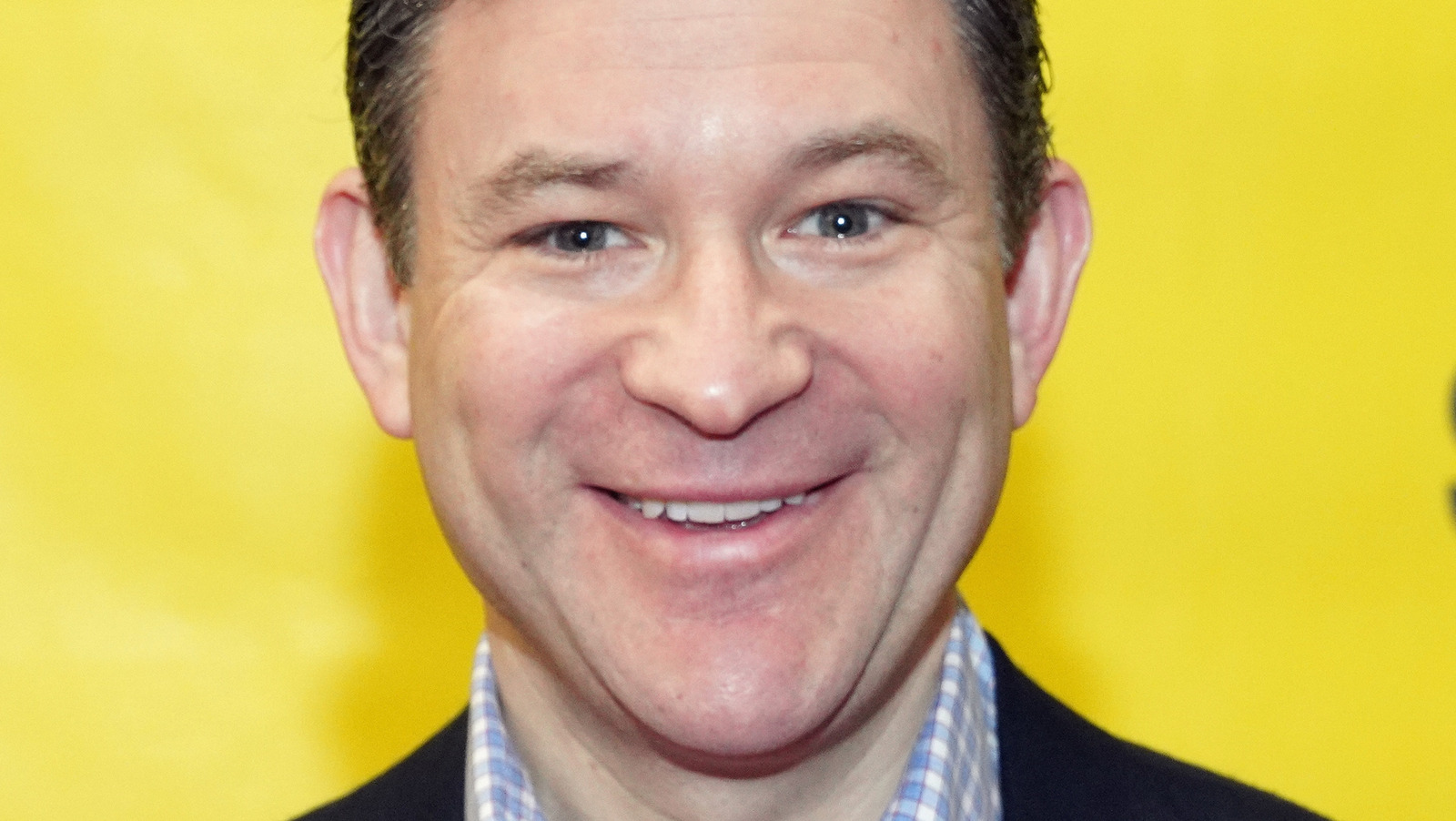
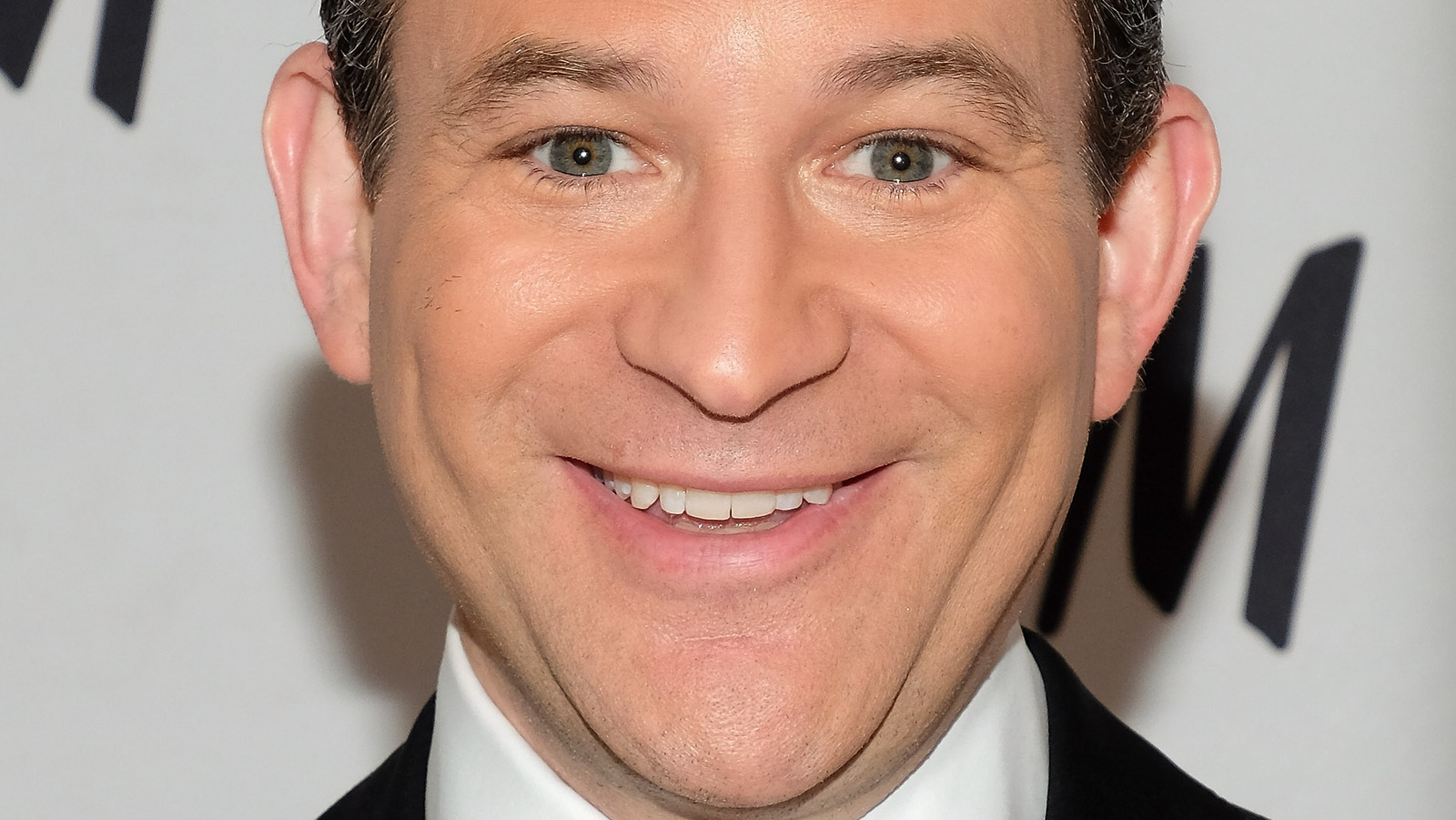
Dan Harris Panic Attack on Good Morning America: Causes, Impact, and Recovery
The Dan Harris panic attack on Good Morning America occurred on June 7, 2004, when the ABC news anchor suffered a sudden psychological and physiological breakdown during a live broadcast. Triggered by a combination of untreated trauma...
The Dan Harris panic attack on Good Morning America occurred on June 7, 2004, when the ABC news anchor suffered a sudden psychological and physiological breakdown during a live broadcast. Triggered by a combination of untreated trauma from war reporting and recreational drug use, the event led Harris to discover mindfulness meditation. This transformation eventually resulted in his bestselling book 10% Happier and his subsequent career as a mental health advocate.
Contents
The Anatomy of the 2004 Good Morning America Incident
On the morning of June 7, 2004, Dan Harris was filling in as the news reader for Good Morning America (GMA), a role that put him in front of an audience of approximately five million viewers. Harris was a rising star at ABC News, known for his ambitious reporting and willingness to travel to dangerous conflict zones. However, mid-way through his news segment, the audience witnessed something rarely seen on live television: a professional communicator losing the ability to speak.
The incident began during a standard news read. Harris suddenly felt a wave of overwhelming physical symptoms. His lungs seized up, his heart began to race at an alarming rate, and he felt a profound sense of impending doom—a hallmark of a classic panic attack. On camera, viewers saw him become visibly breathless, his voice cracking and stuttering as he struggled to finish the sentences on the teleprompter. Realizing he could not continue, Harris cut the segment short and tossed the broadcast back to the main anchors, Diane Sawyer and Charlie Gibson.
While the segment lasted only a few seconds, it felt like an eternity to Harris. To the casual viewer, it may have looked like a simple coughing fit or a brief moment of being "tongue-tied," but for Harris, it was a systemic failure of his nervous system. This public breakdown served as a definitive turning point, forcing him to confront the unsustainable lifestyle and psychological pressures he had been ignoring for years.
The Hidden Factors: What Led to the On-Air Breakdown?
To understand why a seasoned journalist would suffer a panic attack in a controlled studio environment, one must look at the preceding years of Harris’s career. The explanation for the event is rooted in a combination of environmental stress, self-medication, and neurobiology.
Exposure to Conflict Zones
In the years leading up to 2004, Harris spent significant time reporting from war zones, including Iraq, Afghanistan, and Israel/Palestine. He was driven by a high-octane professional ambition, often ignoring the psychological toll of witnessing violence, death, and destruction. This chronic exposure to high-stress environments likely seeded the symptoms of Post-Traumatic Stress Disorder (PTSD), though Harris did not recognize them at the time.
The Role of Substance Abuse
In his later transparency regarding the event, Harris admitted that his attempt to cope with the "depression" and "flatness" he felt after returning from war zones led him to use recreational drugs. Specifically, he experimented with cocaine and ecstasy. Although he was not using these substances while on the clock, the biochemical impact on his brain was significant.
A consultation with a psychiatrist after the GMA incident revealed that these drugs had artificially inflated his brain’s levels of dopamine and adrenaline. When he stopped using them, his brain was left in a hyper-sensitive state. The doctor explained that the drug use had essentially "wired" his brain for a panic attack, lowering his threshold for a stress response until a routine news segment triggered a full-blown "amygdala hijack."
The "Amydala Hijack" Explained
In clinical terms, Harris experienced what psychologists call an amygdala hijack. This occurs when the amygdala—the part of the brain responsible for the "fight or flight" response—perceives a threat and overpowers the prefrontal cortex, which is responsible for rational thought. Even though Harris was in a safe television studio, his brain reacted as if he were in a life-threatening situation, diverting oxygen to his limbs and away from his vocal cords, making it physically difficult to speak.
The Physiological Response: How a Panic Attack Manifests
A panic attack is not merely "feeling nervous." It is a systemic physiological event. For readers trying to understand the Dan Harris incident, it is helpful to break down the mechanics of what occurred within his body during those few seconds on air.
- Respiratory Distress: The feeling of "air hunger" occurs because the body begins to hyperventilate, leading to a drop in carbon dioxide levels in the blood. This can cause dizziness and a sensation of choking.
- Tachycardia: Harris’s heart rate spiked instantly. This is the body’s attempt to pump blood to the muscles to prepare for a physical struggle or escape.
- Vasoconstriction: Blood flow is often restricted to non-essential areas, which can lead to tingling in the hands and feet, or the "dry mouth" and "tight throat" that made it impossible for Harris to read the news.
- Cognitive Distortion: During a panic attack, the brain often experiences "depersonalization" or "derealization," where the individual feels as though they are watching themselves from outside their body or that the world around them is not real.
Comparing Panic Attacks and Anxiety Attacks
Many people use the terms "panic attack" and "anxiety attack" interchangeably, but they are distinct clinical experiences. The following table highlights the differences that help categorize Harris’s specific experience on GMA.
| Feature | Panic Attack (Harris's Experience) | Anxiety Attack |
|---|---|---|
| Onset | Sudden; reaches peak intensity within minutes. | Gradual; builds up over hours or days. |
| Triggers | Can occur without an apparent external trigger. | Usually linked to a specific stressor or worry. |
| Intensity | Severe; often feels like a heart attack or "dying." | Mild to moderate; characterized by worry and tension. |
| Clinical Status | Recognized in the DSM-5 as a specific event. | Not a formal clinical term; often used to describe prolonged anxiety. |
| Physical Symptoms | Intense chest pain, shortness of breath, shaking. | Muscle tension, fatigue, irritability, restless sleep. |
From Crisis to "10% Happier": The Journey Toward Meditation
The aftermath of the GMA panic attack led Harris on a search for a solution that didn't involve returning to drugs or simply "powering through." As a self-described skeptic and "born worrier," he was initially repelled by the "self-help" industry and anything that felt "woo-woo" or overly spiritual.
However, his reporting duties eventually led him to cover religion and spirituality, where he encountered the concept of mindfulness meditation. Through the work of teachers like Joseph Goldstein and psychiatrists like Dr. Mark Epstein, Harris discovered that meditation could be approached as a "bicep curl for the brain."
He learned that the goal of meditation was not to "clear the mind" (which is impossible) but rather to notice when the mind has wandered and return to the breath. This simple act builds the "mindfulness muscle," allowing an individual to observe their thoughts and impulses without being controlled by them. For Harris, this meant he could notice the physical sensations of anxiety starting to rise and, instead of spiraling into a panic attack, acknowledge them as "just thoughts" and remain present.
The Impact of "10% Happier"
In 2014, Harris published his memoir, 10% Happier: How I Tamed the Voice in My Head, Reduced Stress Without Losing My Edge, and Found Self-Help That Actually Works. The book was a massive success because it stripped away the mystical jargon often associated with meditation and presented it as a practical tool for high-achieving, skeptical professionals.
By 2026, the "10% Happier" brand has expanded into a comprehensive ecosystem of podcasts, apps, and corporate training programs. It remains a primary resource for people who suffer from high-functioning anxiety and panic disorders, proving that even a highly public professional failure can be the catalyst for a globally impactful second act.
The Legacy of the GMA Incident in 2026
Looking back from the perspective of 2026, the Dan Harris panic attack is cited as one of the most important moments in the "mainstreaming" of mental health. Before this incident, many broadcast journalists and public figures felt the need to maintain a facade of "unflappability." Harris’s willingness to be vulnerable about his drug use, his ego, and his psychological struggles helped dismantle the stigma surrounding mental health in the workplace.
Key Takeaways for Professionals
- The Price of Unaddressed Trauma: Ignoring the psychological impact of a high-stress job—whether it’s war reporting, healthcare, or corporate law—will eventually manifest physically.
- The Bio-Psycho-Social Model: Harris’s recovery shows that mental health is a combination of biological factors (brain chemistry), psychological factors (trauma and thought patterns), and social factors (work environment).
- Mindfulness as Performance Enhancement: Harris demonstrated that meditation doesn't make you "soft"; rather, it provides the emotional regulation necessary to perform at a high level under pressure.
Frequently Asked Questions
Did Dan Harris lose his job after the panic attack?
No. ABC News was supportive of Harris. He continued to work as an anchor and correspondent for many years, eventually becoming the co-anchor of Nightline and the weekend edition of Good Morning America. He eventually left ABC News of his own volition in 2021 to focus on his meditation business.
What drugs did Dan Harris use that contributed to the attack?
In his book and various interviews, Harris admitted to using cocaine and ecstasy recreationally. He noted that while he wasn't an "addict" in the traditional sense, his intermittent use was enough to alter his brain chemistry and trigger the panic attack.
Is meditation a cure for panic attacks?
While meditation is a powerful tool for managing the symptoms and reducing the frequency of panic attacks, it is often most effective when used in conjunction with professional medical advice, therapy (such as Cognitive Behavioral Therapy), and, in some cases, medication.
How long did the actual panic attack last on air?
The most acute part of the attack lasted only about 10 to 20 seconds before Harris threw the broadcast back to the main studio. However, the feeling of "aftershock" and heightened anxiety lasted for hours afterward.
What is the 10% Happier app?
The 10% Happier app is a guided meditation platform founded by Harris. It features courses from world-renowned meditation teachers and is specifically designed for skeptics, focusing on the science and practical benefits of mindfulness.
Practical Recommendation
If you or someone you know is experiencing symptoms similar to those Dan Harris faced, the first step is to seek a medical evaluation to rule out underlying physical conditions. Understanding the "why" behind a panic attack is the foundation of recovery. Following Harris’s model, consider exploring secular mindfulness meditation as a way to train the brain to respond differently to stress. Start with just five minutes a day; the goal is not perfection, but a gradual increase in your ability to remain present during challenging moments.
Image Gallery