Exploring the Minnesota Governor’s Mansion: History, Tours, and 2026 Visitor Guide
The Minnesota Governor’s Mansion, officially known as the Horace Hills Irvine House, is the historic executive residence located at 1006 Summit Avenue in St. Paul. This 16,000-square-foot Tudor Revival estate serves as the primary resi...
The Minnesota Governor’s Mansion, officially known as the Horace Hills Irvine House, is the historic executive residence located at 1006 Summit Avenue in St. Paul. This 16,000-square-foot Tudor Revival estate serves as the primary residence for the Governor of Minnesota and a venue for official state functions. Following comprehensive infrastructure renovations completed between 2024 and 2026, the mansion continues to offer seasonal public tours and educational programs.
Contents
The Architectural Heritage of 1006 Summit Avenue
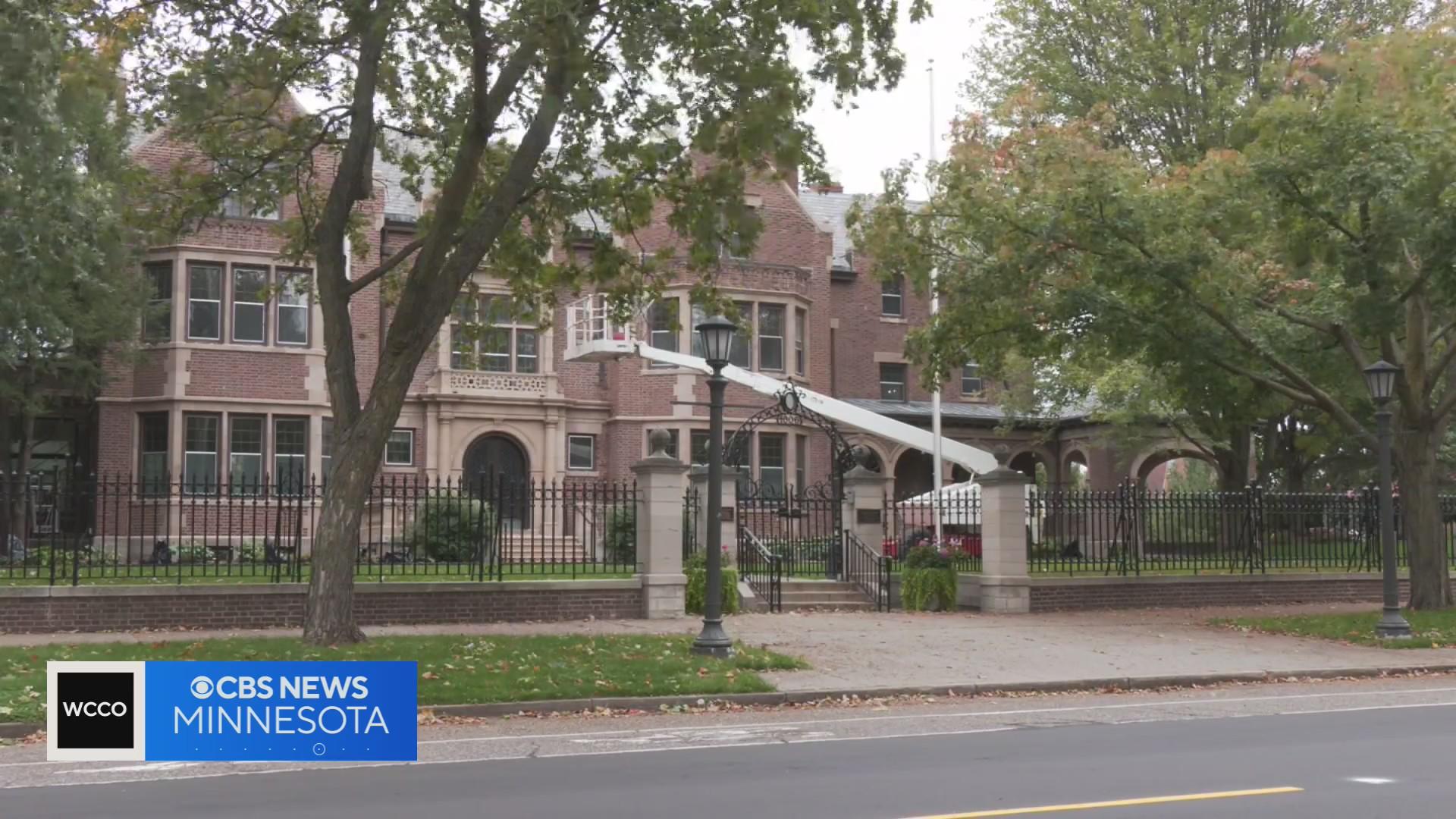
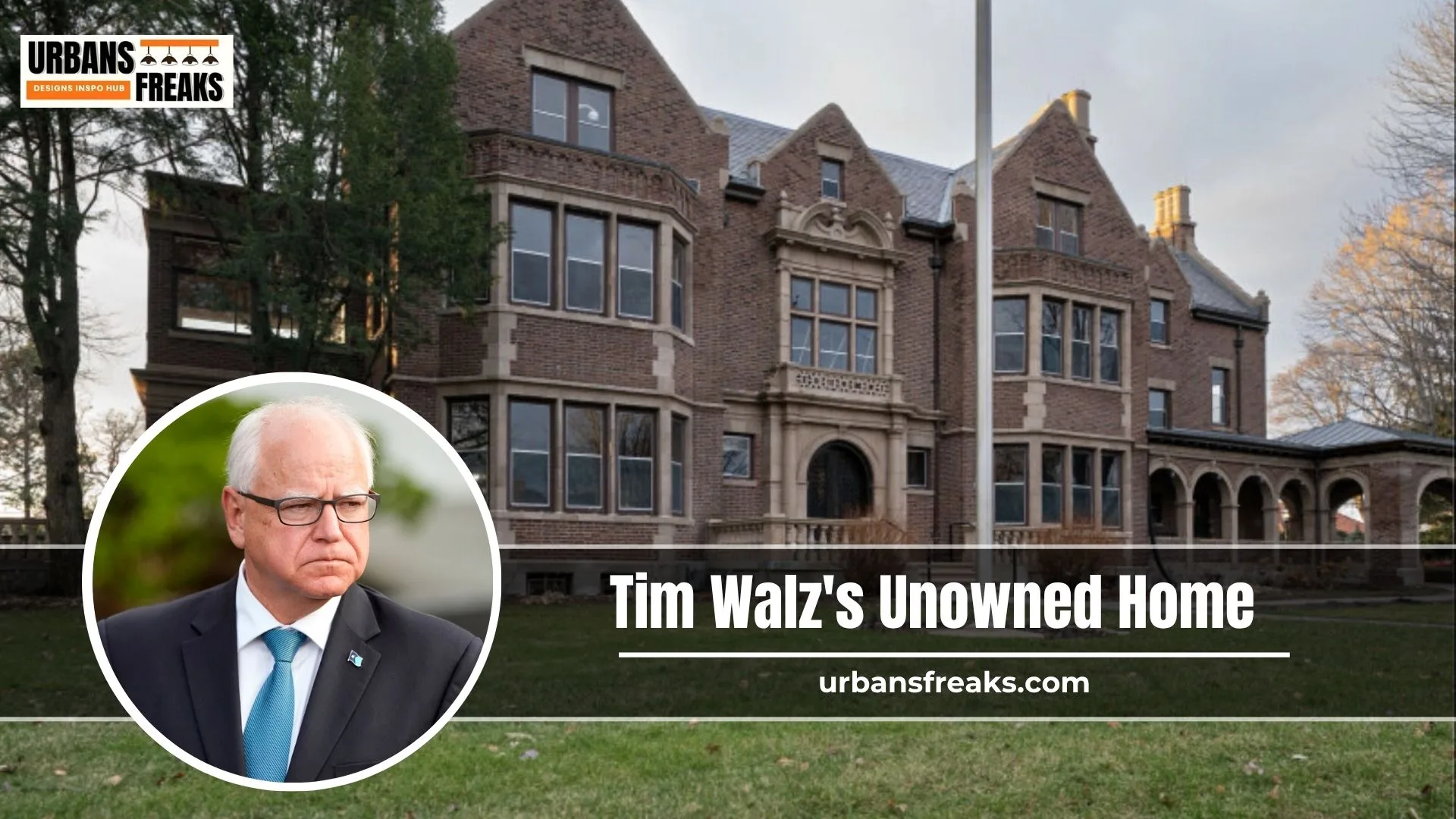
Constructed between 1910 and 1912, the Minnesota Governor’s Mansion remains one of the most significant examples of Tudor Revival architecture in the Upper Midwest. The home was originally built for Horace Hills Irvine, a prominent lumberman and attorney, and his wife, Clotilde McCullough Irvine. The couple commissioned William Channing Whitney, a renowned Minneapolis architect, to design a structure that reflected their status while providing a functional space for their family of four children.
The exterior of the mansion is characterized by its heavy stone masonry, half-timbering, and intricate leaded glass windows. The site sits on 1.5 acres of prime real estate on Summit Avenue, a street famous for its concentration of Victorian-era homes. The use of local materials and the craftsmanship of the early 20th century are evident in the home’s twenty rooms, which include nine bedrooms, eight bathrooms, and nine fireplaces.
Inside, the home transitions from the rugged stone exterior to a more refined, elegant interior. The foyer features hand-carved oak paneling, while the formal living areas utilize high ceilings and expansive windows to create a sense of both grandeur and light. The architectural integrity of the building has been meticulously preserved, even as it transitioned from a private family home to a public state asset.
From Private Estate to Executive Residence
The Irvine family occupied the home for over fifty years. Following the deaths of Horace and Clotilde Irvine, their daughters, Clotilde Irvine Moles and Olivia Irvine Dodge, made the decision to donate the estate to the State of Minnesota in 1965. The gift was intended to provide a permanent residence for the state’s chief executive, as Minnesota was one of the few states at the time that did not provide official housing for its governor.
The Minnesota Legislature officially accepted the gift in 1965, and Governor Karl Rolvaag became the first governor to reside in the mansion. Since that time, the building has served as the backdrop for decades of political history, hosting world leaders, community activists, and thousands of Minnesota citizens.
While the home is a state-owned asset, it is not merely a museum. It is a "working building" that balances the private needs of the Governor’s family with the public-facing requirements of the Governor's office. This dual purpose requires careful management to ensure that the home remains functional for 21st-century governance while maintaining its 1912 historical character.
The 2024–2026 Modernization and Restoration Project
By the early 2020s, the Minnesota Governor’s Mansion faced significant structural and mechanical challenges. Many of the building's core systems—including the HVAC, electrical wiring, and plumbing—dated back several decades, leading to inefficiency and safety concerns. In 2023, the Minnesota Legislature approved a comprehensive $12.8 million renovation project to address these issues.
As of 2026, the mansion has emerged from this intensive restoration period. The primary goals of the project were:
- Infrastructure Stabilization: Replacement of the aging boiler system with modern, energy-efficient climate control and the total rewiring of the electrical grid to meet current fire safety standards.
- Accessibility (ADA Compliance): Improving access for visitors with disabilities, ensuring that the public areas of the mansion are fully compliant with the Americans with Disabilities Act.
- Security Upgrades: Enhancing the security perimeter and internal monitoring systems, which are managed by the Minnesota State Patrol’s Executive Protection Unit.
- Exterior Preservation: Repairing the tuck-pointing on the stone masonry and restoring the original leaded glass windows to prevent moisture infiltration and energy loss.
During this two-year period, the Governor and their family were temporarily relocated to a state-leased property in Sunfish Lake. The completion of these works in early 2026 has ensured that the mansion will remain viable and safe for at least another fifty years of service.
Public Access: Tours and Visiting Guidelines
The Minnesota Governor’s Mansion is a public resource, and the state maintains a tradition of opening the doors to visitors. However, because it is an active residence and high-security facility, access is strictly regulated through the Minnesota Department of Administration.
Seasonal Tour Schedule
Tours are typically offered on a seasonal basis, primarily during the summer months (June through August) and during the holiday season in December.
- Summer Tours: Usually held on Tuesday afternoons. These tours focus on the architecture of the home, the history of the Irvine family, and the various Minnesota-made features within the house.
- Holiday Tours: Held in early December. The mansion is decorated with themes reflecting Minnesota’s cultural heritage and natural beauty. These are the most popular times to visit and often require early registration.
Tour Requirements and Security
Visitors must adhere to specific protocols to ensure the safety of the residents and the preservation of the historic site:
- Registration: Advance reservations are required. Walk-ins are not permitted.
- Identification: Adult visitors must present a valid government-issued photo ID upon arrival.
- Prohibited Items: Large bags, backpacks, food, and beverages are not allowed inside the mansion. Photography is generally permitted in certain public rooms but may be restricted in private areas.
- Group Size: To protect the flooring and furniture, tour groups are usually limited to 15–20 people at a time.
Governance and Interior Preservation
The management of the mansion is split between two primary entities. The Minnesota Department of Administration handles the physical plant—the grounds, the structure, and the mechanical systems. The Governor’s Residence Council, established by the legislature in 1980, oversees the interior design, furnishings, and historical integrity of the public rooms.
The Council is composed of 15 members, including architects, historians, and representatives from the Governor’s family and the public. Their mission is to ensure that any changes to the interior decor reflect Minnesota’s history. Many of the artworks on display are on loan from the Minnesota Historical Society or are donated by Minnesota artists.
| Feature | Details |
|---|---|
| Location | 1006 Summit Avenue, St. Paul, MN |
| Total Square Footage | Approximately 16,000 sq. ft. |
| Architectural Style | Tudor Revival |
| Year Built | 1910–1912 |
| Ownership Status | State-owned since 1965 |
| Major Renovation Period | 2024–2026 |
| Primary Managed By | Department of Administration / Residence Council |
| Public Tour Availability | Summer and Holiday seasons (Registration required) |
The Grounds and Gardens
The 1.5-acre lot is an integral part of the mansion's appeal. The gardens are designed to be reflective of the early 20th-century "Country Place" era, featuring manicured lawns, perennial borders, and a formal gate. The grounds include a carriage house, which originally housed the Irvine family’s vehicles and now provides support space for the security detail and staff.
Post-2026 updates have also focused on sustainable landscaping. The Department of Administration has integrated native Minnesota plantings that require less water and provide habitat for local pollinators, aligning the historic site with modern environmental goals.
Frequently Asked Questions
Can the Governor’s Mansion be rented for private events?
No, the Minnesota Governor’s Mansion is not available for private rentals, weddings, or corporate events. It is reserved exclusively for the Governor’s residence, official state business, and sanctioned public tours. Educational and non-profit groups may sometimes be hosted for specific state-related events at the discretion of the Governor’s office.
Is there a fee to tour the mansion?
Public tours of the Minnesota Governor’s Mansion are free of charge. However, because capacity is limited, spots fill up quickly. The state does not charge for these tours as part of its commitment to making the executive residence accessible to all taxpayers and residents.
Who pays for the mansion’s upkeep and groceries?
The State of Minnesota, through the Department of Administration, pays for the maintenance, utilities, and security of the building. However, the Governor is responsible for their own personal expenses, including groceries and personal household items. State funds are only used for food and beverage costs during official state functions or when hosting dignitaries.
Is the mansion accessible for people with mobility impairments?
Yes. Following the 2024–2026 renovations, the mansion has significantly improved its accessibility. There are ramps and elevator access to the primary public tour areas on the first floor. If you have specific accessibility needs, it is recommended to notify the tour coordinators at the time of registration to ensure a seamless experience.
What is the "Minnesota Room"?
The Minnesota Room is a specific area of the mansion dedicated to showcasing products and crafts made within the state. This includes furniture, rugs, and decorative arts that highlight the industrial and artistic history of Minnesota. It is a staple of the public tour and serves as a reminder of the home’s role as the "People’s House."
Next Steps for Visitors
If you are planning a visit to the Minnesota Governor’s Mansion in 2026, your first action should be to check the official Governor's Residence website for the current tour calendar. Because the mansion has recently reopened following its major renovation, demand for tours is expected to be higher than usual. Ensure you have your identification ready and register at least three to four weeks in advance for summer or holiday dates.
Image Gallery