Lexus RX350 Towing Capacity: Explaining the 8,000 lb Myth vs. Reality
The Lexus RX350 does not have an 8,000 lb towing capacity; its maximum rated capacity is 3,500 lbs for the 2026 model year and previous generations. This limit applies when the vehicle is properly equipped with the optional Towing Prep...
The Lexus RX350 does not have an 8,000 lb towing capacity; its maximum rated capacity is 3,500 lbs for the 2026 model year and previous generations. This limit applies when the vehicle is properly equipped with the optional Towing Prep Package. Attempting to tow 8,000 lbs with an RX350 is unsafe and exceeds structural limits.
Contents
The "8,000 lb" figure often cited in online searches is a common misconception that stems from a misunderstanding of Gross Combined Weight Ratings (GCWR) or confusion with larger body-on-frame SUVs like the Lexus LX. To safely operate a Lexus RX350 in a towing capacity, owners must understand the mechanical constraints of a unibody crossover, the distinction between various weight ratings, and the specific equipment required to reach the 3,500 lb maximum.
The Mechanical Reality of the Lexus RX350
The Lexus RX350 is built on the TNGA-K platform, a unibody architecture shared with vehicles like the Toyota Highlander and Lexus NX. Unlike "body-on-frame" vehicles—such as the Lexus GX or full-size pickup trucks—the RX350 uses an integrated frame and body. While this provides superior ride quality, handling, and fuel efficiency, it places inherent limits on vertical tongue weight and longitudinal pulling force.
As of 2026, the RX350 is powered by a 2.4-liter turbocharged inline-four engine. This powertrain is optimized for torque delivery at low RPMs, which is beneficial for moving a loaded vehicle, but the cooling system and transmission are not designed to dissipate the heat generated by an 8,000 lb load. Towing puts immense stress on the engine's thermal management system and the automatic transmission's fluid. Pushing the vehicle to more than double its rated capacity would lead to catastrophic failure of the drivetrain and braking system.
The Role of the Towing Prep Package
To achieve the advertised 3,500 lb capacity, the Lexus RX350 must be equipped with the Towing Prep Package. This is often a factory-installed option, though some components can be retrofitted. The package typically includes:
- Heavy-duty Radiator: A larger or more efficient core to handle increased engine heat.
- Transmission Oil Cooler: Essential for preventing transmission fluid breakdown under heavy loads.
- Engine Oil Cooler: Helps maintain oil viscosity when the engine is working at high output for extended periods.
Without these upgrades, the RX350 is generally limited to a much lower "standard" towing capacity, often cited around 2,000 lbs in some markets, to prevent heat-related damage.
Dissecting the 8,000 lb Misconception
If the RX350 is capped at 3,500 lbs, why do search queries frequently associate it with 8,000 lbs? There are three primary reasons for this confusion:
1. Confusion with the Lexus LX and GX
The Lexus LX 600, a full-size flagship SUV, features a towing capacity in the 8,000 lb range (specifically 8,000 lbs for many recent configurations). Similarly, the Lexus GX 550, redesigned recently, offers towing capacities between 7,000 and 9,000 lbs depending on the trim. Because all three are Lexus SUVs, consumers often conflate the specifications of the mid-size RX with its heavy-duty siblings.
2. Misinterpreting the GCWR
The Gross Combined Weight Rating (GCWR) for a Lexus RX350 is the total allowable weight of the vehicle, all passengers, cargo, and the trailer combined. For a 2026 Lexus RX350, the GCWR typically sits around 8,500 to 9,500 lbs. A casual reader looking at a technical spec sheet might see the "8,000+" figure in the GCWR column and mistake it for the "Towing Capacity." In reality, the vehicle itself weighs nearly 4,300 lbs, leaving only a fraction of that total for the trailer.
3. Third-Party Accessory Ratings
Some Class III or Class IV hitches sold by third-party retailers are rated for 6,000 to 8,000 lbs. While the hitch hardware might be capable of supporting that weight, the vehicle frame it is bolted to is not. Installing a heavy-duty hitch does not increase the vehicle's manufacturer-stated towing capacity.
Critical Weight Definitions for RX350 Owners
Understanding towing requires mastering several acronyms. When evaluating whether your RX350 can pull a specific load, you must consider more than just the "tow rating."
- GVWR (Gross Vehicle Weight Rating): The maximum weight of the RX350 alone, including fuel, passengers, and cargo. For the RX350, this is usually around 5,600 lbs.
- Curb Weight: The weight of the vehicle with standard equipment and fuel, but no passengers or cargo. This is roughly 4,300–4,500 lbs for the 2026 RX350.
- Payload Capacity: Calculated as GVWR minus Curb Weight. This is the amount of weight you can add inside the car plus the tongue weight of the trailer. It is usually around 1,100–1,300 lbs.
- Tongue Weight: The downward force exerted by the trailer coupler on the hitch ball. This should typically be 10% of the total trailer weight. For a 3,500 lb trailer, the tongue weight is 350 lbs. This 350 lbs subtracts from your available payload.
Towing Capacity by Lexus RX Model (2026)
The RX lineup has diversified, and towing capacities can vary slightly based on the hybrid powertrain or all-wheel-drive (AWD) configurations.
| Model | Engine Type | Max Towing Capacity | Recommended Use |
|---|---|---|---|
| Lexus RX 350 | 2.4L Turbo Gas | 3,500 lbs | Small utility trailers, jet skis, small A-frame campers. |
| Lexus RX 350h | 2.5L Hybrid | 3,500 lbs | Lightweight trailers; prioritized for fuel efficiency. |
| Lexus RX 450h+ | 2.5L Plug-in Hybrid | 3,500 lbs | Short-distance towing; heavy battery affects payload. |
| Lexus RX 500h | 2.4L Turbo Hybrid | 3,500 lbs | Performance-oriented; best torque for merging while towing. |
Note: All figures assume the vehicle is equipped with the factory Towing Prep Package.
Practical Requirements for Safe Towing
To safely utilize the 3,500 lb capacity of your RX350, following a specific setup procedure is mandatory. According to Lexus Official Specifications, exceeding these guidelines can compromise vehicle stability.
Hitch Selection and Installation
The RX350 requires a 2-inch receiver hitch. While aftermarket options exist, the Lexus Integrated Hitch is designed specifically for the TNGA-K frame points, ensuring that the load is distributed across the chassis as intended by engineers. Using a weight-distributing hitch is generally not recommended for unibody vehicles like the RX, as it can place excessive stress on the unibody's mounting points.
Trailer Brakes
In most jurisdictions, any trailer weighing over 1,500 or 2,000 lbs is required to have its own braking system. Even if not legally required in your area, towing a 3,000 lb boat with an RX350 without trailer brakes is dangerous. The RX350’s brakes are designed to stop the vehicle and its passengers; adding 3,500 lbs of unbraked momentum significantly increases stopping distances and risks brake fade. You will likely need to install an electronic brake controller (EBC) in the cabin to manage the trailer's brakes.
Monitoring Sway
The Lexus RX350 includes Trailer Sway Control (TSC) as part of its Vehicle Stability Control (VSC) system. This system uses sensors to detect trailer oscillations and automatically applies individual wheel brakes and reduces engine torque to stabilize the vehicle. However, TSC is a secondary safety measure. Proper load balancing—keeping 10% of the weight on the tongue—is the primary way to prevent sway.
Common Mistakes When Towing with an RX350
Even within the 3,500 lb limit, many owners make errors that lead to mechanical wear or safety hazards.
- Overloading the Cabin: If you have four adult passengers and a trunk full of luggage, you may have already used 800 lbs of your 1,200 lb payload capacity. Adding a 350 lb tongue weight would put you over the GVWR, even if the trailer itself is under 3,500 lbs.
- Ignoring Frontal Area Limits: The owner's manual often specifies a maximum "frontal area" for trailers. A tall, boxy camper creates massive wind resistance (drag), which can strain the engine and transmission more than a heavier but lower-profile flatbed trailer.
- Towing in Overdrive: When towing, it is often advisable to use the paddle shifters or "S" mode to prevent the transmission from constantly hunting for gears, which generates excessive heat.
- Neglecting Tire Pressure: Both the RX350 and the trailer tires should be inflated to the "cold" pressure recommended on the door jamb or tire sidewall. Under-inflated tires generate more heat and reduce stability under load.
Frequently Asked Questions
Can the Lexus RX350 tow a car?
Generally, no. Most modern cars weigh between 3,000 and 4,500 lbs. When you add the weight of a car hauler trailer (usually 1,500–2,200 lbs), the total weight far exceeds the 3,500 lb limit of the RX350. The only exception would be a very light vehicle (like a classic Mini or a small powersports vehicle) on an aluminum ultra-light trailer.
Is the RX350 towing capacity the same as the Toyota Highlander?
While they share a platform, the Toyota Highlander is often rated for up to 5,000 lbs in its V6 or Turbo gas configurations. The difference lies in the suspension tuning, rear subframe reinforcement, and cooling capacities. Lexus prioritizes ride comfort and noise vibration harshness (NVH), which results in a more conservative tow rating for the RX350.
How do I know if my RX350 has the Towing Prep Package?
You can check your vehicle's window sticker (Monroney label) or run the VIN through the Lexus Drivers website. Visually, you may look for a small transmission cooler located behind the front bumper, though this can be difficult to see without removing panels.
Does towing void my Lexus warranty?
Towing within the 3,500 lb limit using approved equipment will not void your warranty. However, damage caused by exceeding the tow rating, or failure to use a Towing Prep Package when required, can result in denied warranty claims for transmission or engine repairs.
What happens if I tow 8,000 lbs with an RX350?
Attempting this is extremely dangerous. The rear suspension will likely bottom out, significantly reducing front-tire traction and steering control. The braking system will be unable to stop the combined mass effectively, and the transmission will likely overheat and slip within a few miles of travel.
Final Recommendations for Owners
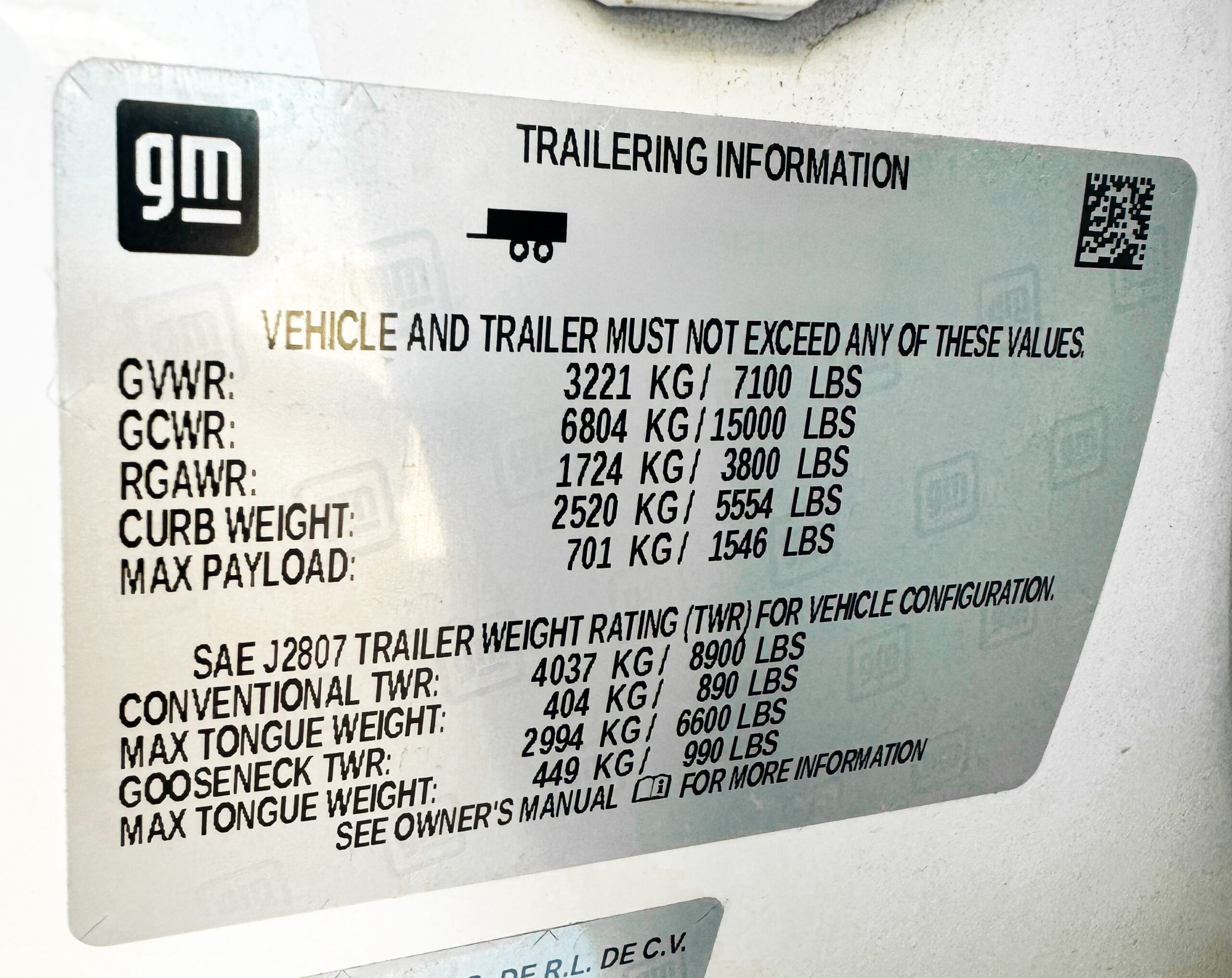
Before hitching a trailer to your Lexus RX350, confirm your specific vehicle's limits by checking the sticker on the driver-side door pillar. If you find that your towing needs frequently approach or exceed 3,500 lbs—such as towing a large horse trailer or a 24-foot camper—it is recommended to move to a body-on-frame SUV like the Lexus GX 550.
For those staying within the 3,500 lb limit, always prioritize safety by using a verified Class III hitch, ensuring your trailer has functioning electric brakes, and never exceeding the Gross Vehicle Weight Rating. Regular maintenance is also critical; if you tow frequently, you should follow the "Severe Weather/Conditions" maintenance schedule, which includes more frequent changes of transmission fluid and differential oil.
Image Gallery