Comprehensive Guide: How to Choose the Best Kingdom Building Games
To choose the best kingdom building games, you must evaluate the balance between resource management complexity, combat mechanics, and the depth of the political simulation. Prioritize games that offer high replayability through proced...
To choose the best kingdom building games, you must evaluate the balance between resource management complexity, combat mechanics, and the depth of the political simulation. Prioritize games that offer high replayability through procedural maps or diverse tech trees, and ensure the user interface can handle complex late-game data without becoming overwhelming or performance-heavy.
Contents
The kingdom building genre, which evolved from early city-builders and grand strategy titles, has become one of the most diverse niches in gaming. By 2026, the technology powering these simulations—ranging from advanced agent-based AI to cloud-computed global economies—has made the decision process more complex for players. Whether you are a casual player looking for a relaxing aesthetic experience or a hardcore strategist seeking a brutal survival challenge, understanding the underlying mechanics is essential.
Identifying Your Preferred Sub-Genre
The term "kingdom builder" is an umbrella that covers several distinct styles of play. Before looking at specific titles, you must identify which sub-genre aligns with your gaming habits.
Grand Strategy Kingdom Builders
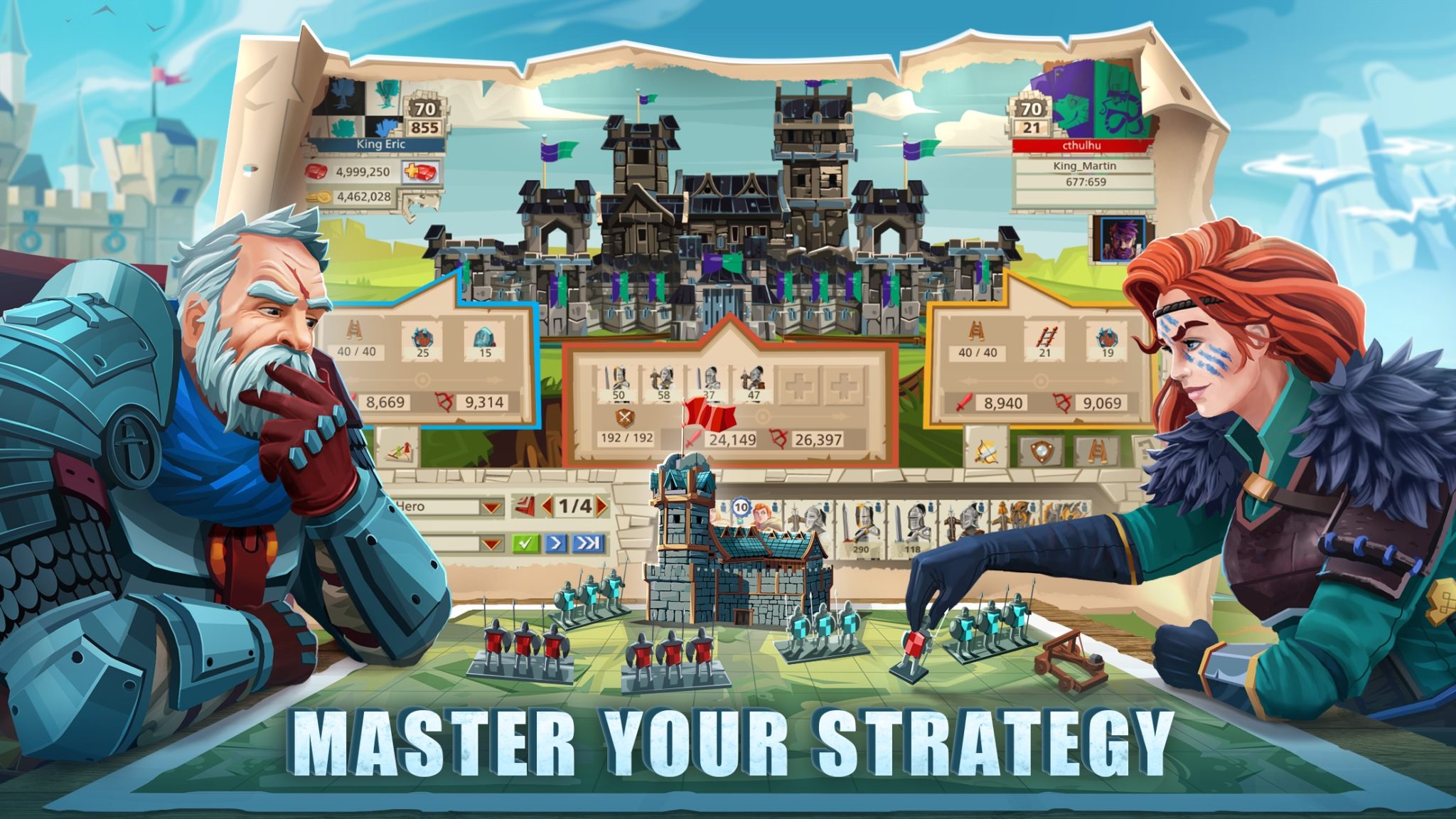
These games focus on the "macro" level. You aren't just building houses; you are managing entire empires across centuries. The focus is on diplomacy, dynastic succession, and large-scale warfare. Titles in this category often feature a "map-painting" element where territorial expansion is the primary goal.
City-Builder Hybrids
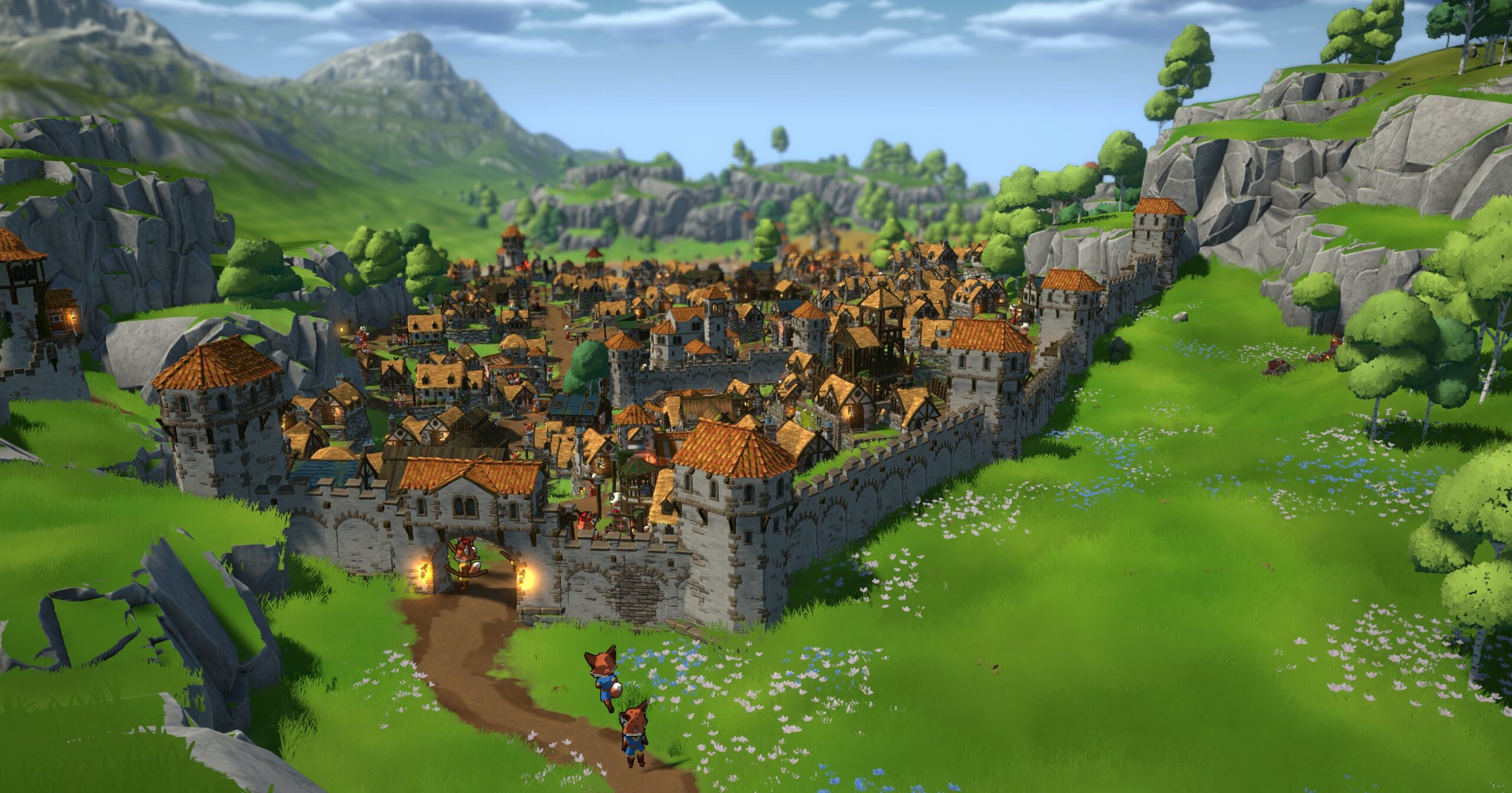
These games lean heavily into the "micro" level. You are responsible for the placement of every road, well, and granary. The challenge usually comes from logistics—ensuring that bread produced in the bakery reaches the citizens before they starve. In 2026, many of these games have introduced "organic growth" mechanics where citizens build their own homes based on the infrastructure you provide.
Colony Simulators
Often the most difficult sub-genre, colony sims (like the spiritual successors to RimWorld or Dwarf Fortress) focus on a small group of individuals. Each character has a personality, needs, and health stats. Choosing a game in this category means you value emergent storytelling—where a fire in the kitchen leads to a diplomatic crisis—over pure architectural planning.
Evaluating Economic Depth and Production Chains
The core of any kingdom builder is its economy. A "best-in-class" game should have a logical and rewarding production cycle. When evaluating a game, look at how it handles resources:
- Basic Resource Gathering: Does the game rely on simple "click and collect" mechanics, or do you need to assign workers and manage their efficiency?
- Refinement Cycles: High-quality games usually feature multi-tier production. For example, growing wheat is the first step; you then need a mill for flour and a bakery for bread. The complexity of these chains often dictates the game's difficulty.
- Trade and Markets: A robust kingdom builder should allow you to interact with the outside world. Look for games with dynamic market prices that fluctuate based on supply and demand, rather than static trading posts.
In 2026, the industry standard has shifted toward Circular Economies, where waste products from one industry (like slag from a smithy) can be repurposed for others (like road construction), adding a layer of modern sustainability management to even medieval-themed titles.
Combat Mechanics: Passive vs. Active Control
Not every kingdom builder requires a sword. You must decide how much conflict you want to manage.
- Peaceful Builders: Some of the best-rated games focus entirely on aesthetics and optimization. There are no raiders, no wars, and no "game over" screens caused by invasion. These are ideal for "Zen" gaming sessions.
- Tower Defense Integration: Many modern titles protect the kingdom building loop by forcing you to defend against waves of enemies at night or during "blood moon" events. This adds a rhythmic pressure to your building.
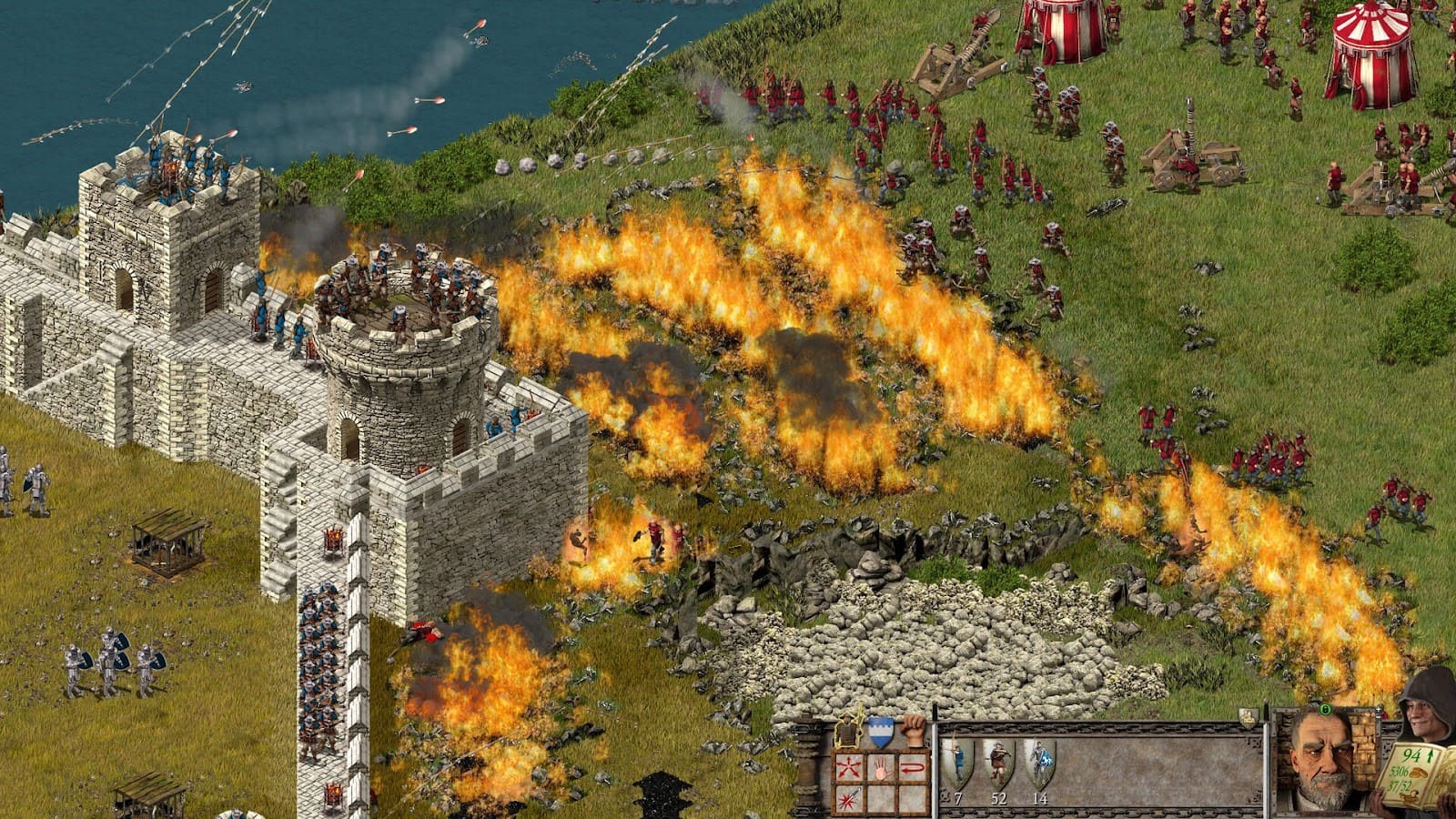
- Real-Time Strategy (RTS) Combat: In these games, you must actively command units on the battlefield. When choosing an RTS-style builder, check the quality of the unit AI. There is nothing more frustrating than losing a kingdom because your archers couldn't find the path to the city walls.
Technical Specifications and Engine Performance
Kingdom building games are notoriously taxing on hardware, specifically the CPU and RAM. As your city grows from 10 villagers to 10,000 citizens, the game must calculate the pathfinding, needs, and jobs for every single "agent."
The "Late-Game Lag" Test
Before purchasing, research how the game performs in the "end-game." Many titles look beautiful in the first two hours but become unplayable slideshows once the population hits a certain threshold. By 2026, games utilizing multi-threaded simulation engines are preferred, as they distribute the AI workload across modern multi-core processors.
UI and UX Clarity
A kingdom builder is essentially a visual representation of a massive spreadsheet. The User Interface (UI) must be clean. You should be able to see your current gold, food, and happiness levels at a glance. If a game requires you to click through five menus just to see why your villagers are unhappy, it is likely poorly designed.
| Feature Category | Beginner Friendly | Advanced / Hardcore |
|---|---|---|
| Resource Management | Infinite resources or simple 1:1 chains. | Perishable goods, logistics, and spoilage. |
| Social Systems | General "Happiness" meter. | Individual citizen traits, religions, and factions. |
| Failure States | Very few; bankruptcy is easy to fix. | Permadeath, starvation, and total collapse. |
| Expansion Speed | Fast, rewarding immediate growth. | Slow, requiring careful soil/land analysis. |
| Modding Support | Minimal or aesthetic only. | Full Steam Workshop integration / script access. |
Longevity: Procedural Generation and Modding
The best kingdom building games are those you can play for hundreds of hours without seeing the same map twice. Procedural Generation is a key factor here. A game that generates a unique landscape with different resource nodes every time you start a new session offers significantly more value than one with a fixed campaign map.
Furthermore, check the community surrounding the game. Modding communities (found on platforms like Nexus Mods or the Steam Workshop) can extend a game's life by decades. Mods can add new buildings, fix balance issues, or even overhaul the entire setting from medieval Europe to a high-fantasy world.
The Role of Narrative and Questing
While some players prefer a "sandbox" where they set their own goals, others need a "hook." When choosing, consider if you want a scripted campaign.
- Sandbox Mode: You start with a plot of land and no instructions. The fun is in the experimentation.
- Objective-Based Campaigns: These provide a series of missions (e.g., "Build a cathedral in 10 years" or "Survive the Great Winter"). These are excellent for learning the mechanics before jumping into a free-play mode.
Evaluating Post-Launch Support
In the 2026 gaming landscape, many kingdom builders are released as "Early Access" titles. While this allows players to influence development, it carries risks. Investigate the developer's track record. Have they abandoned previous projects? Do they provide monthly "dev diaries"? A game with a consistent update schedule is always a safer bet than a "finished" game that hasn't seen a bug fix in a year.
FAQ
What is the difference between a city builder and a kingdom builder? While the terms are often used interchangeably, a city builder usually focuses on modern infrastructure and urban planning (roads, electricity, zoning). A kingdom builder typically involves broader themes like feudalism, defense, diplomacy, and the management of a sovereign state or territory, often in a historical or fantasy setting.
Are there kingdom building games that can be played offline? Yes, the majority of single-player kingdom builders are playable offline. However, many 2026 titles require an initial "phone home" for DRM (Digital Rights Management) or use cloud-based AI to handle complex simulations. Always check the GOG.com store if you are looking for strictly DRM-free, offline-ready games.
How much RAM is recommended for massive kingdom simulations in 2026? For modern kingdom builders with high agent counts (thousands of individual citizens), 32GB of RAM is the recommended standard. While 16GB may run the game, you will likely experience significant slowdowns during the end-game phases as the system struggles to track all active entities simultaneously.
Can I play these games with a controller, or is a mouse required? While many kingdom builders are ported to consoles, a mouse and keyboard remain the superior choice for this genre due to the precision required for building placement and menu navigation. If you prefer a controller, look specifically for games that feature a "radial menu" system or "grid-snapping" to make building easier.
Is AI-generated content common in these games now? By 2026, many developers use AI to create more realistic NPC (Non-Player Character) behaviors and procedural quest lines. This adds variety to the gameplay, ensuring that "Kingdom A" behaves differently than "Kingdom B" in every playthrough, based on their unique environmental circumstances.
Final Recommendation for Choosing
To make your final decision, start by watching a "Let’s Play" video of the late-game (around the 20-hour mark). This will reveal if the gameplay loop remains engaging or becomes a repetitive chore. If the UI looks manageable, the performance is stable, and the production chains pique your interest, you have found the right kingdom builder for your playstyle. Focus on titles that offer a robust "Creative Mode" for learning and a "Hardcore Mode" for when you have mastered the mechanics.
Image Gallery