Exploring Cloud Computing Fundamentals and Cloud Security: Options for 2026
To master cloud computing fundamentals and cloud security in 2026, you must navigate a landscape of integrated service models—IaaS, PaaS, and SaaS—alongside a robust "Zero Trust" security framework. Success requires understanding the S...
To master cloud computing fundamentals and cloud security in 2026, you must navigate a landscape of integrated service models—IaaS, PaaS, and SaaS—alongside a robust "Zero Trust" security framework. Success requires understanding the Shared Responsibility Model, selecting the right provider-specific or vendor-neutral certification path, and implementing automated compliance tools to protect distributed data environments.
Contents
The Core Pillars of Cloud Computing Fundamentals
Cloud computing has evolved from a simple alternative to on-premise servers into the foundational fabric of global enterprise operations. As of 2026, the "fundamentals" of the cloud are defined by three primary service models and four deployment types. Understanding these options is the first step for any professional or organization looking to leverage the cloud effectively.
Service Models: IaaS, PaaS, and SaaS
The traditional hierarchy of cloud services remains the standard for categorization, though the lines between them have blurred with the rise of serverless computing.
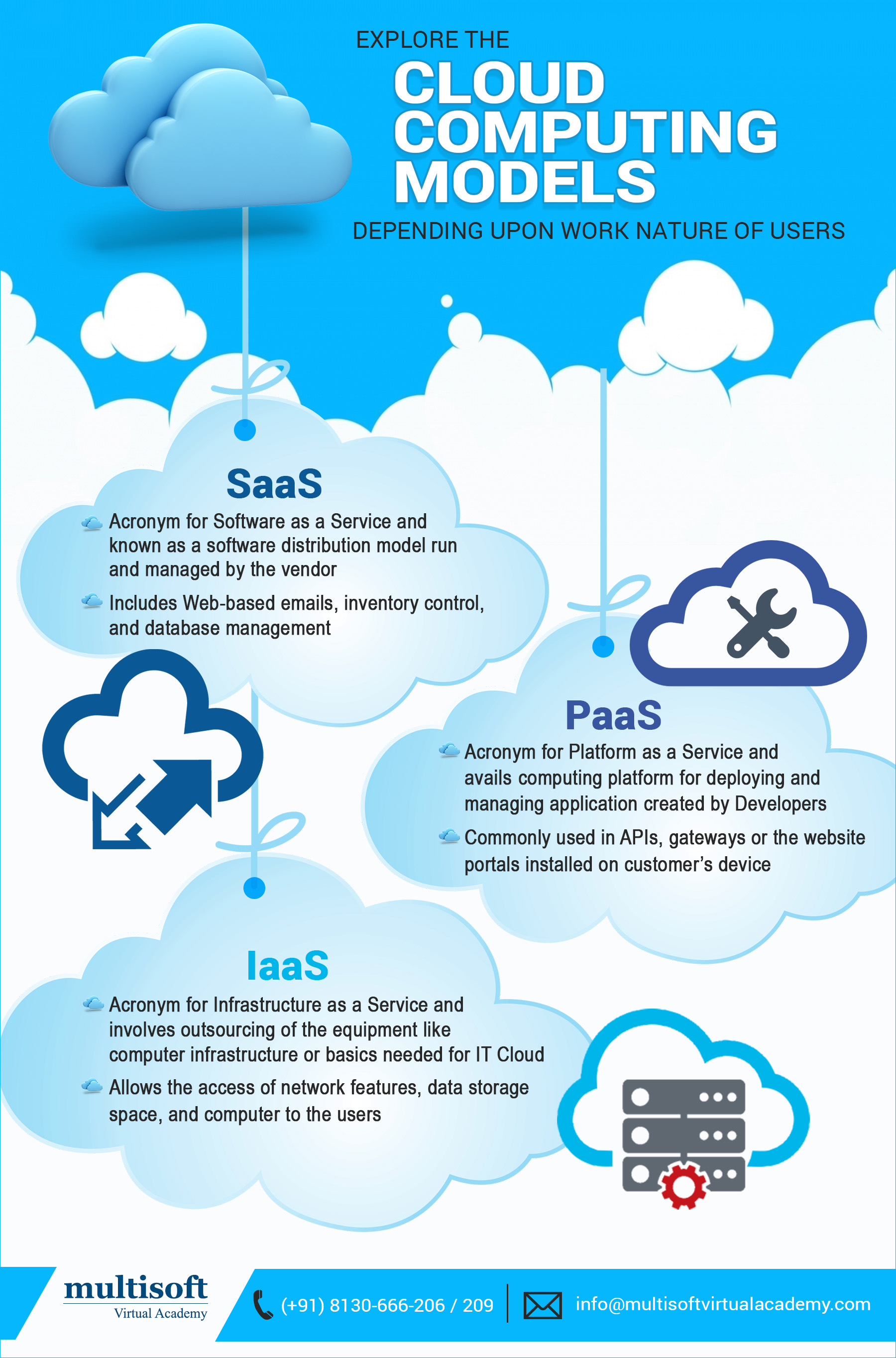
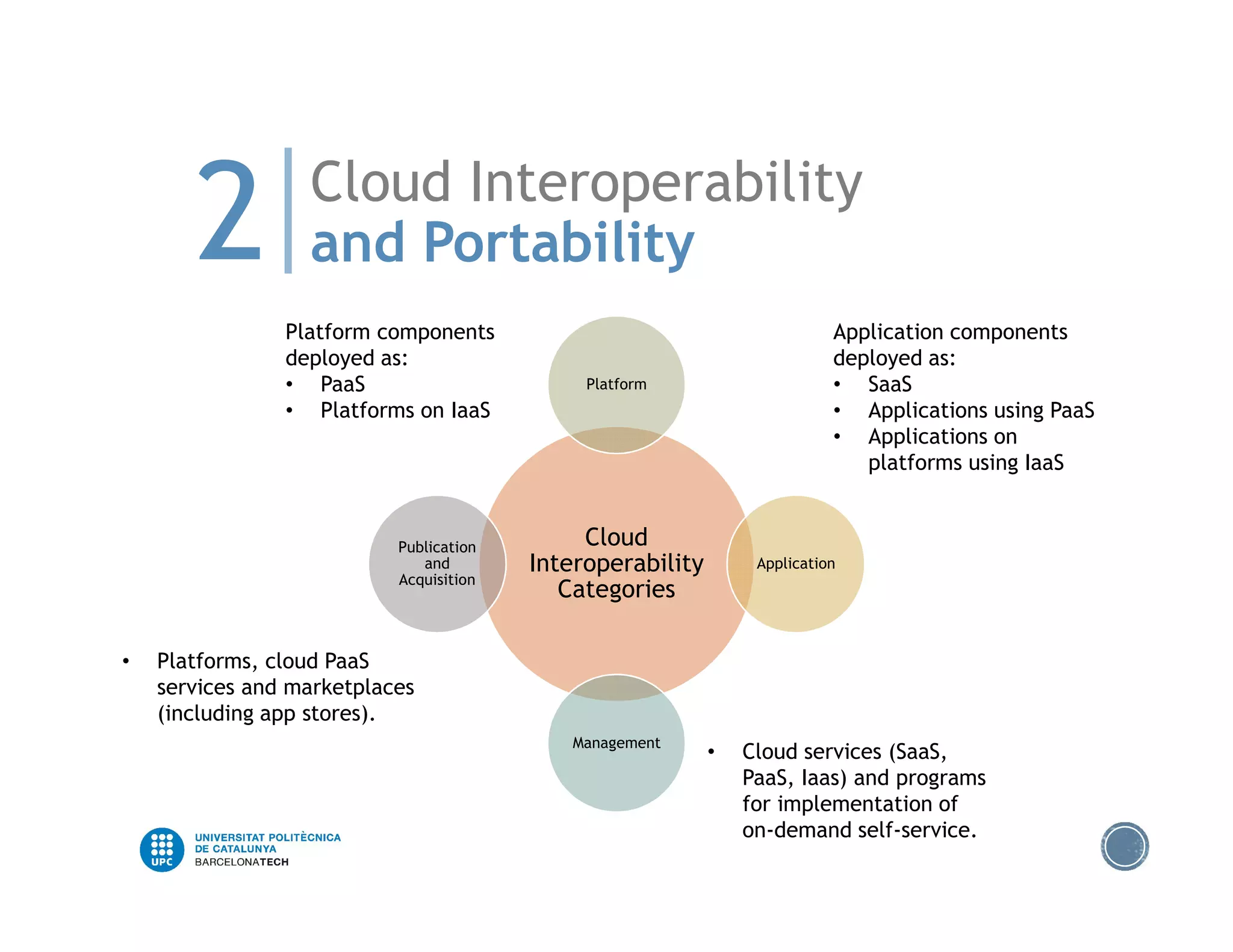
- Infrastructure as a Service (IaaS): This offers the highest level of flexibility and management control over your IT resources. It is most similar to existing IT resources that many IT departments and developers are familiar with today. In 2026, IaaS is frequently used for high-performance computing (HPC) and massive data lakes where direct control over the virtual machine (VM) and networking stack is required.
- Platform as a Service (PaaS): PaaS removes the need for organizations to manage the underlying infrastructure (usually hardware and operating systems) and allows you to focus on the deployment and management of your applications. This is the preferred model for modern DevOps teams using containerization (like Docker and Kubernetes) to build scalable web applications.
- Software as a Service (SaaS): SaaS provides you with a completed product that is run and managed by the service provider. In 2026, almost all enterprise productivity tools—from CRM systems to AI-driven design suites—are delivered via SaaS. The user's only concern is how they use that specific piece of software.
Deployment Models
Choosing a deployment model depends on your specific needs for privacy, cost-efficiency, and performance.
- Public Cloud: Owned and operated by a third-party cloud service provider (CSP). All hardware, software, and other supporting infrastructure are owned and managed by the cloud provider.
- Private Cloud: Consists of cloud computing resources used exclusively by a single business or organization. It can be physically located on the company’s on-site data center or hosted by a third-party service provider.
- Hybrid Cloud: This is the dominant enterprise strategy in 2026. It combines private and public clouds, bound together by technology that allows data and applications to be shared between them. This gives businesses greater flexibility and more deployment options.
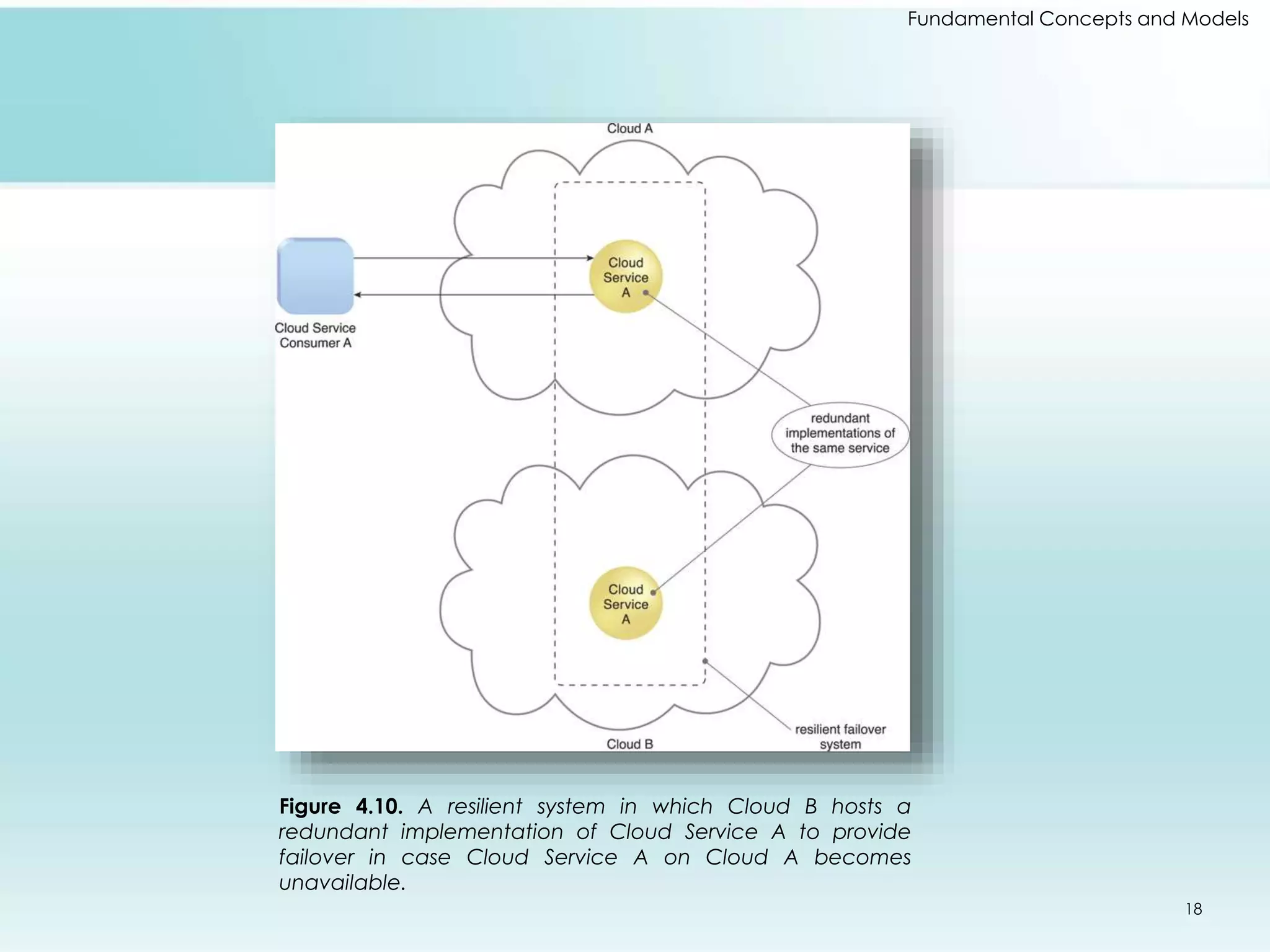
- Multi-cloud: The practice of using services from multiple cloud providers (e.g., AWS and Azure) to avoid vendor lock-in and leverage the specific strengths of different platforms.
Navigating the Cloud Security Landscape
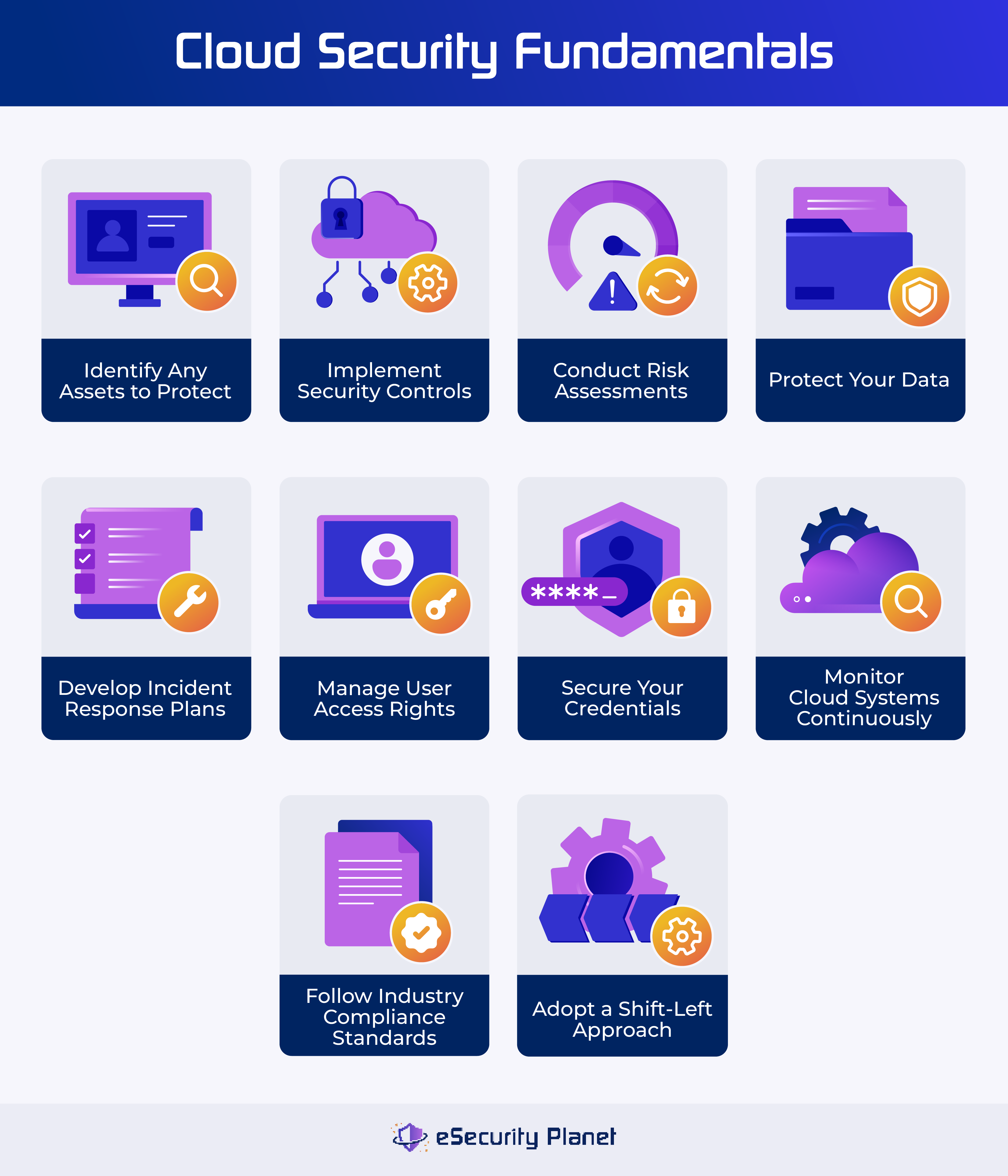
Cloud security is no longer an "add-on" feature; it is an intrinsic part of the cloud architecture. In 2026, the threat landscape has shifted toward sophisticated API-based attacks and identity theft, making the following concepts fundamental to any security strategy.
The Shared Responsibility Model
The most critical concept in cloud security is the Shared Responsibility Model. It dictates that security is a partnership between the CSP and the customer. While the provider (like AWS or Google Cloud) is responsible for the security of the cloud (physical data centers, hardware, and the virtualization layer), the customer is responsible for security in the cloud. This includes securing their own data, managing user access, and configuring firewalls correctly.
Zero Trust Architecture (ZTA)
In 2026, the "perimeter" of the network has effectively vanished. Organizations no longer assume that anything inside the network is safe. Zero Trust is a security framework requiring all users, whether in or outside the organization’s network, to be authenticated, authorized, and continuously validated for security configuration and posture before being granted or keeping access to applications and data.
Identity and Access Management (IAM)
IAM is the bedrock of cloud security. It involves defining and managing the roles and access privileges of individual network users and the circumstances under which users are granted or denied those privileges. Strong IAM policies in 2026 utilize multi-factor authentication (MFA) and "Least Privilege" principles, ensuring that users and services have only the minimum access necessary to perform their functions.
Educational and Certification Options
For those looking to explore the options in cloud computing fundamentals and cloud security professionally, several paths exist. These options range from vendor-specific certifications to broader, industry-standard credentials.
| Provider/Organization | Fundamental Certification | Security-Specific Certification | Primary Focus |
|---|---|---|---|
| Amazon Web Services (AWS) | AWS Certified Cloud Practitioner | AWS Certified Security - Specialty | Market dominance and deep technical tooling. |
| Microsoft Azure | Azure Fundamentals (AZ-900) | Azure Security Engineer Associate | Enterprise integration and Windows ecosystem. |
| Google Cloud (GCP) | Cloud Digital Leader | Professional Cloud Security Engineer | Data analytics, AI, and Kubernetes. |
| CompTIA | Cloud+ | Security+ / CASP+ | Vendor-neutral, broad industry knowledge. |
| ISC² | N/A | CCSP (Certified Cloud Security Professional) | High-level governance and risk management. |
Choosing the Right Path
- For Beginners: The AWS Cloud Practitioner or Azure Fundamentals are excellent starting points. They cover the basic vocabulary, pricing models, and core services without requiring deep coding knowledge.
- For Security Specialists: The CCSP (Certified Cloud Security Professional) is highly regarded because it is not tied to a single platform. It focuses on the architecture and design principles that apply across all cloud environments.
- For Architects: Following a professional-level track in a specific provider (like the Google Professional Cloud Architect) is essential for understanding how to build resilient, secure systems from the ground up.
Advanced Technical Considerations in 2026
As we operate in 2026, two specific technical areas have become fundamental to cloud operations: Data Sovereignty and Automated DevSecOps.
Data Sovereignty and Compliance
With global regulations like the GDPR (Europe), CCPA (California), and various national data residency laws, cloud fundamentals now include knowing where your data physically resides. Most major CSPs now offer "Sovereign Cloud" options that ensure data never leaves a specific jurisdiction. Exploring these options is mandatory for financial, legal, and healthcare organizations to remain compliant with local statutes.
DevSecOps: Security at the Speed of Code
The integration of security into the DevOps pipeline—known as DevSecOps—is a fundamental requirement for modern cloud security. Instead of security being a final "audit" step, it is now automated. This includes:
- Static Analysis (SAST): Checking code for vulnerabilities as it is written.
- Infrastructure as Code (IaC) Scanning: Ensuring that scripts used to launch cloud environments (like Terraform or CloudFormation) don't have misconfigured security groups or open ports.
- Automated Patching: Using cloud-native tools to automatically update operating systems and libraries without manual intervention.
Comparison of Cloud Provider Security Features
| Feature | AWS Security Options | Azure Security Options | Google Cloud Security Options |
|---|---|---|---|
| DDoS Protection | AWS Shield | Azure DDoS Protection | Google Cloud Armor |
| Secrets Management | AWS Secrets Manager | Azure Key Vault | Cloud Secret Manager |
| Threat Detection | Amazon GuardDuty | Microsoft Defender for Cloud | Security Command Center |
| WAF Integration | AWS WAF | Azure WAF | Google Cloud Armor WAF |
Common Implementation Mistakes to Avoid
Even with a strong understanding of fundamentals, several common errors plague cloud migrations and operations.
- Over-provisioning Resources: One of the fundamental benefits of the cloud is elasticity. Many organizations "lift and shift" their on-premise habits to the cloud, paying for 24/7 resources that they only need for peak hours.
- Misconfigured S3 Buckets/Storage: Publicly accessible storage remains a leading cause of data breaches. Understanding the "Private by Default" settings in 2026 is a fundamental security requirement.
- Ignoring Egress Costs: While putting data into the cloud is often free, taking it out (egress) can be expensive. A fundamental understanding of cloud billing is necessary to avoid "bill shock."
- Inadequate Monitoring: You cannot secure what you cannot see. Fundamental cloud security requires enabling logs (like AWS CloudTrail or Azure Monitor) and actually reviewing them using automated SIEM (Security Information and Event Management) tools.
FAQs
What is the difference between cloud computing and traditional hosting?
Traditional hosting usually involves a fixed amount of resources on a specific server with a monthly or yearly contract. Cloud computing is characterized by on-demand self-service, broad network access, resource pooling, rapid elasticity, and measured service (pay-as-you-go). In 2026, the primary difference lies in the ability to scale resources up or down instantly based on real-time demand.
Do I need to be a programmer to learn cloud fundamentals?
No. While understanding logic helps, cloud fundamentals focus more on the architecture, business value, and administrative side of the technology. However, if you move into advanced cloud security or architecture, familiarity with scripting languages like Python or JSON/YAML (for configuration) becomes highly beneficial.
Is the public cloud less secure than a private data center?
Statistically, major public cloud providers are often more secure than private data centers because they have the budget to employ thousands of security experts and utilize state-of-the-art physical security. Most cloud security breaches occur due to customer misconfigurations rather than vulnerabilities within the provider's infrastructure.
How has AI impacted cloud security in 2026?
AI is now a "double-edged sword" in the cloud. Providers use AI for "Anomalous Behavior Detection," which can spot a hacker moving through a network faster than any human. Conversely, attackers use AI to automate phishing and find vulnerabilities. Consequently, AI-driven security tools have become a fundamental component of a modern cloud stack.
What is "Serverless" and is it secure?
Serverless computing (like AWS Lambda) allows you to run code without provisioning or managing servers. From a security standpoint, it reduces the "attack surface" because you don't have an operating system to patch. However, it requires a fundamental shift in security toward protecting individual functions and API endpoints rather than whole servers.
Practical Recommendation: Your Next Steps
To effectively explore and implement these options, start by identifying your specific goal. If you are an individual contributor, pursue the AWS Certified Cloud Practitioner or Microsoft AZ-900 to build a factual foundation. These certifications provide the structured learning necessary to understand the terminology and service maps.
For organizations, the most immediate next action should be a Security Gap Analysis based on the Shared Responsibility Model. Determine exactly which parts of your current cloud stack you are responsible for and ensure that MFA and encryption are enabled across all those layers. By 2026 standards, moving toward a Multi-cloud Governance strategy is the best way to ensure long-term resilience and cost-efficiency.
Image Gallery