Understanding the Law for Self Defense: A Guide to Justifiable Use of Force
Understanding the law for self defense requires recognizing that it is an affirmative defense used to justify an otherwise criminal act of violence. To succeed, a defendant must typically prove they faced an imminent threat of unlawful...
Understanding the law for self defense requires recognizing that it is an affirmative defense used to justify an otherwise criminal act of violence. To succeed, a defendant must typically prove they faced an imminent threat of unlawful force and responded with a level of force that was both necessary and proportional to the danger.
Contents
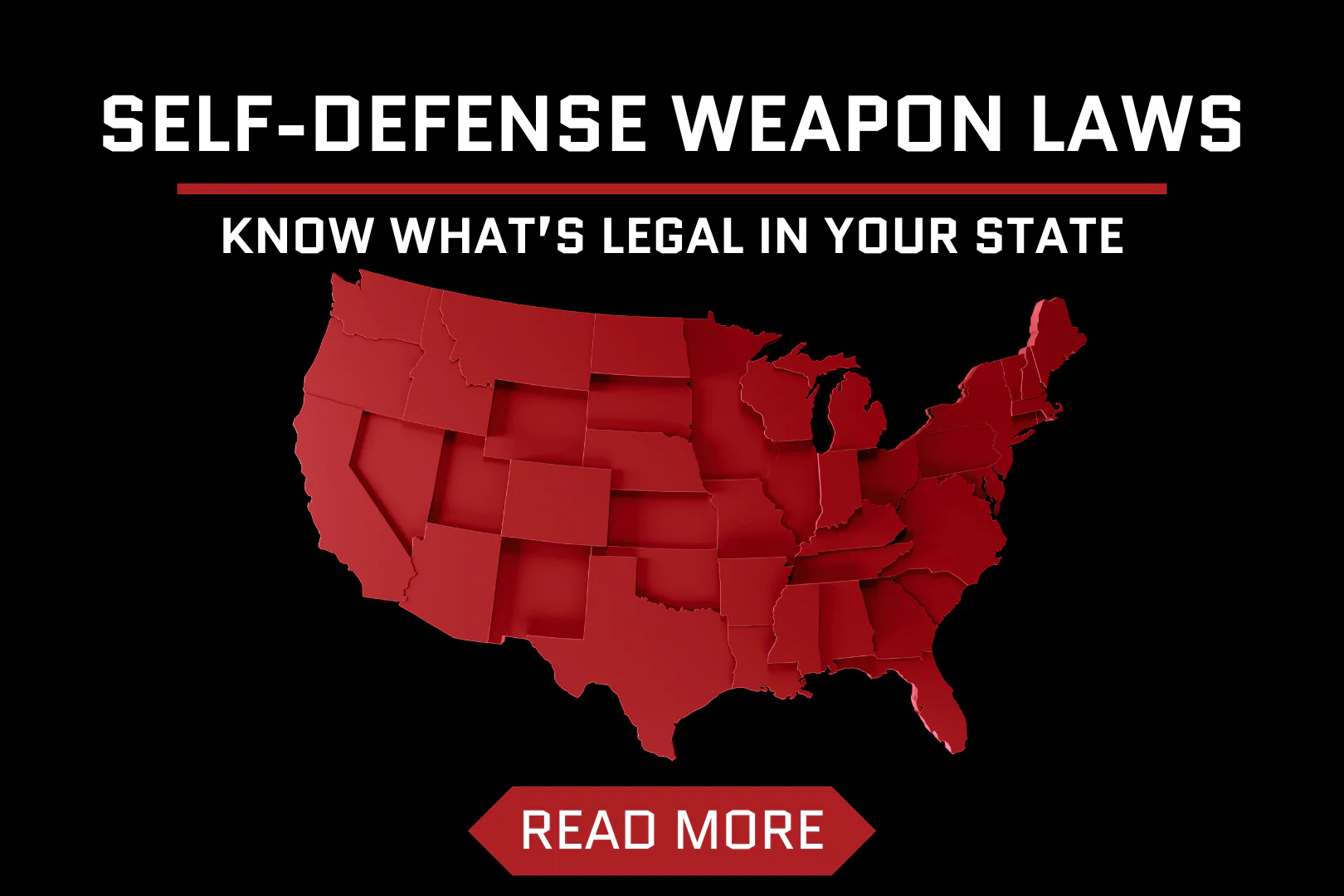
The legal framework surrounding self-defense is designed to balance an individual’s right to protect their life and physical integrity against the state’s interest in preventing vigilante justice and unnecessary violence. As of 2026, while the fundamental pillars of self-defense remain consistent across most jurisdictions, the specific application of these rules—such as where you have a duty to retreat—varies significantly by state and local statutes. This guide explores the essential legal doctrines that govern the use of force in self-defense.
Disclaimer: This article provides general legal information and does not constitute legal advice. Self-defense laws vary by jurisdiction. Consult with a qualified legal professional for advice regarding specific circumstances or local statutes.
The Core Elements of a Justifiable Self-Defense Claim
In most legal systems, for an act of violence to be excused as self-defense, several criteria must be met simultaneously. If even one element is missing, the individual may face criminal charges ranging from assault to manslaughter or murder.
The Requirement of Imminence
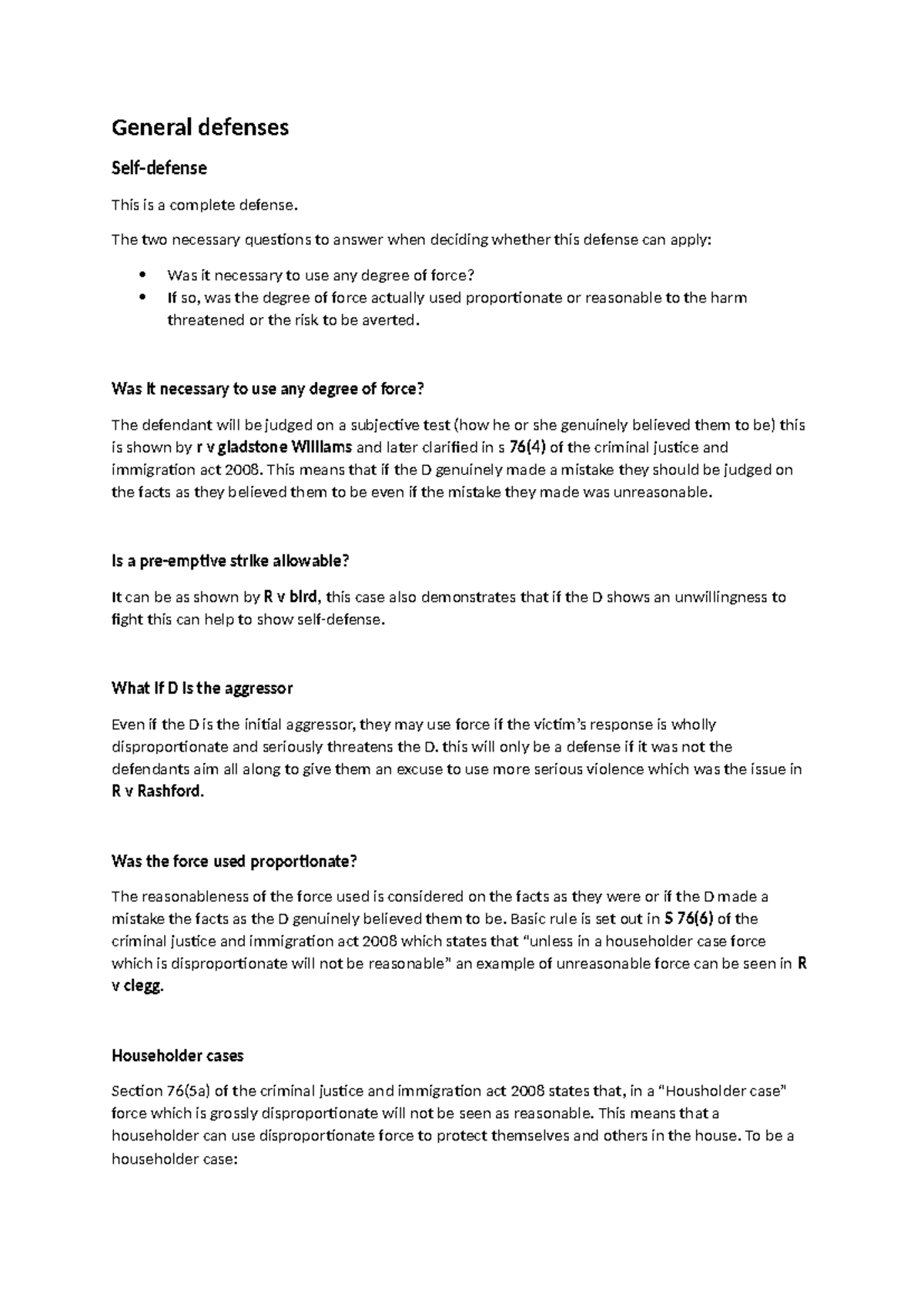
The threat must be "imminent," meaning it is happening right now or is about to happen in the immediate future. Legal standards do not permit "preemptive strikes" against a person who might be a threat tomorrow, nor do they allow for "retaliatory strikes" against someone who was a threat yesterday. The window of justification opens the moment the threat becomes immediate and closes the moment the threat is neutralized. For example, if an attacker drops their weapon and begins to run away, the legal justification for using force generally ends.
The "Reasonable Person" Standard
Courts use an objective standard to determine if the defender’s fear was justified. It is not enough for the individual to subjectively feel afraid; they must demonstrate that a "reasonable person" in the same situation would have also believed that force was necessary. This standard prevents individuals from claiming self-defense based on irrational fears, hallucinations, or personal prejudices. The jury or judge will evaluate the totality of the circumstances, including the size and strength of the parties involved, the presence of weapons, and the environment where the confrontation occurred.
Unlawful Force
Self-defense is only applicable against "unlawful" force. You cannot legally claim self-defense if you use force against a police officer making a lawful arrest or against someone who is themselves acting in lawful self-defense. If you are the initial aggressor—meaning you started the fight—you generally forfeit your right to claim self-defense unless you clearly communicate your intent to withdraw and the other person continues the attack.
Proportionality and the Use of Deadly Force
One of the most critical aspects of understanding the law for self defense is the principle of proportionality. This rule dictates that the level of force used must match the level of the threat.
Non-Deadly Force vs. Deadly Force
Non-deadly force is force that is not likely to cause death or great bodily harm, such as pushing or a standard punch. This is generally justifiable to repel any unlawful physical contact. Deadly force, however, is force intended to cause, or likely to cause, death or serious bodily injury (e.g., using a firearm, a knife, or a heavy blunt object).
Under the Legal Information Institute’s overview of self-defense, deadly force is only legally permissible when the defender reasonably believes it is necessary to prevent:
- Imminent death;
- Great bodily harm (such as permanent disfigurement or loss of limb);
- Or, in some jurisdictions, the commission of a "forcible felony" like kidnapping or rape.
The Risk of "Excessive Force"
If a defender continues to use force after the threat has been incapacitated, they move from a position of "self-defense" to "excessive force." For instance, if an intruder is knocked unconscious, continuing to strike them would likely lead to criminal charges against the defender. The law views the cessation of the threat as the immediate expiration of the right to use force.
Duty to Retreat vs. Stand Your Ground
The most significant legal divide in modern self-defense law concerns where a person is expected to go when threatened. As of 2026, states are generally divided into two categories: "Duty to Retreat" states and "Stand Your Ground" states.
Duty to Retreat
In jurisdictions that observe a duty to retreat, a person cannot use deadly force if they can safely avoid the conflict by retreating. The law prioritizes the preservation of human life over the defender's ego or convenience. If there is a "completely safe" avenue of escape, the defender is legally required to take it before resorting to lethal force.
Stand Your Ground
"Stand Your Ground" laws remove the requirement to retreat. In these jurisdictions, if you are in a place where you have a legal right to be (such as a public sidewalk or a park), you may use force—including deadly force—to defend yourself without attempting to flee first, provided all other elements of self-defense are met. Proponents argue these laws protect victims from being second-guessed by juries, while critics argue they can lead to an escalation of violence.
The Castle Doctrine
The Castle Doctrine is a legal exception to the duty to retreat that applies specifically to one’s home (and sometimes an office or vehicle). Even in states that otherwise require a duty to retreat in public, the Castle Doctrine generally holds that "a man's home is his castle," and there is no legal obligation to flee from an intruder inside your own residence before using force.
Comparing Self-Defense Legal Frameworks
The table below summarizes the key differences between the major legal doctrines applied in self-defense cases across different jurisdictions.
| Doctrine | Requirement to Retreat | Application Location | Use of Deadly Force |
|---|---|---|---|
| Duty to Retreat | Yes, if retreat is completely safe. | Public spaces and common areas. | Only if retreat is impossible and death/harm is imminent. |
| Stand Your Ground | No. | Anywhere the defender is legally allowed to be. | Justified if there is a reasonable fear of death or serious harm. |
| Castle Doctrine | No. | Inside one's home, or sometimes vehicle/workplace. | Often presumed justified against an unlawful intruder. |
| Defense of Property | N/A | Property locations. | Rarely justified; usually limited to non-deadly force only. |
Defense of Others and Defense of Property
The law often extends the right of self-defense to the protection of others, but it is much more restrictive when it comes to inanimate objects.
Defense of Others
Generally, you are allowed to use force to defend a third party if that person would have been justified in using force themselves. This is known as "stepping into the shoes" of the victim. However, this carries significant risk; if you intervene in a situation where the person you are "defending" was actually the initial aggressor, you may not be protected by self-defense laws, even if you acted with good intentions.
Defense of Property
A common misconception is that deadly force can be used to protect property, such as a car or a television. In almost all jurisdictions, the law values human life above property. You may generally use reasonable, non-deadly force to prevent the theft or destruction of property, but you cannot use a firearm or lethal weapon solely to protect an object. The exception occurs only if the property crime escalates into a threat against a person (e.g., a robbery where a weapon is pointed at you).
The Legal Process: Affirmative Defense and Burden of Proof
When a person claims self-defense, the legal mechanics of the trial change. Self-defense is an affirmative defense. This means the defendant admits they committed the act (e.g., "I did shoot the person") but provides a legal justification that negates criminal liability.
Burden of Proof
In most criminal cases, the prosecution must prove every element of a crime beyond a reasonable doubt. When self-defense is raised, the burden of proof varies. In many states, once the defendant provides "some evidence" of self-defense, the burden shifts back to the prosecution to prove beyond a reasonable doubt that the defendant did not act in self-defense. In other jurisdictions, the defendant may bear the burden of proving self-defense by a "preponderance of the evidence" (meaning it is more likely than not).
The Role of Evidence
Evidence in these cases often includes:
- Forensic Evidence: Ballistics, blood spatter, and DNA to verify the distance and positioning of the parties.
- Surveillance Footage: Video from security cameras or doorbells is increasingly vital in 2026 for establishing imminence and proportionality.
- Witness Testimony: Statements from bystanders who observed the beginning of the altercation.
- Prior Knowledge: If the defender knew the attacker had a history of violence, this may support the "reasonableness" of their fear.
Common Legal Pitfalls in Self-Defense
Many individuals find themselves facing conviction because they misunderstood the nuances of the law. Common mistakes include:
- Brandishing: Pulling a weapon to "scare" someone when there is no imminent threat of physical harm can lead to charges of brandishing or aggravated assault.
- Pursuit: Following an attacker after they have fled the scene. Once the attacker flees, the "threat" has ended, and pursuit is viewed as an act of aggression, not defense.
- Mutual Combat: If two people agree to fight, neither can typically claim self-defense unless the other party escalates the fight to a lethal level unexpectedly.
- Imperfect Self-Defense: This occurs when a person honestly but unreasonably believes force was necessary. This may not result in an acquittal but can sometimes reduce a murder charge to manslaughter.
FAQs About Self-Defense Law
Can I use a weapon to defend my pet?
Under the law in most jurisdictions, pets are legally classified as property. While you may use reasonable non-deadly force to protect your pet from harm, you generally cannot use deadly force to defend an animal unless the attacker also poses an imminent threat of death or serious injury to you or another human.
What happens if I accidentally injure a bystander while defending myself?
If your use of force was legally justified, you are generally not held criminally liable for unintended injuries to bystanders, provided you were not acting recklessly or with "transferred intent." However, you could still face civil litigation for negligence depending on the circumstances of the incident.
Does the law change if the intruder is unarmed?
Not necessarily, but it raises the bar for "reasonableness." If an intruder is significantly larger, has specialized combat training, or if there are multiple unarmed intruders, a defender may still have a reasonable fear of death or great bodily harm. The focus is on the threat posed, not just the presence of a weapon.
Can I claim self-defense if I am a felon in possession of a firearm?
This is a complex "collateral" legal issue. While you might be acquitted of the assault or homicide based on self-defense, you can still be prosecuted and convicted for the separate crime of being a felon in possession of a firearm. The justification for the shooting does not necessarily provide immunity for the illegal possession of the tool used.
What should I do immediately after a self-defense incident?
The standard legal recommendation is to contact emergency services immediately to report the incident and request medical assistance for anyone injured. It is often advised to provide a basic statement to the police (e.g., "I was attacked and I defended myself") and then request the presence of an attorney before giving a detailed, recorded statement.
Practical Recommendation for Navigating Self-Defense Law
To stay within the boundaries of the law, prioritize de-escalation and avoidance whenever possible. The most successful self-defense "case" is the one that never goes to court because the conflict was avoided. If you carry a tool for self-defense, ensure you are trained not only in its mechanical use but also in the specific statutes of your state. Regularly review the U.S. Department of Justice resources or state-specific legislative sites to stay updated on changes to Stand Your Ground or Castle Doctrine laws in your area.
Image Gallery