Is Money You Put in Permanent Life Insurance Taxable? Understanding the Rules in 2026
The money you put into a permanent life insurance policy, known as premiums, is generally not tax-deductible; you pay into the policy with after-tax dollars. However, the cash value grows on a tax-deferred basis, and death benefits are...
The money you put into a permanent life insurance policy, known as premiums, is generally not tax-deductible; you pay into the policy with after-tax dollars. However, the cash value grows on a tax-deferred basis, and death benefits are typically paid to beneficiaries free of federal income tax.
Contents
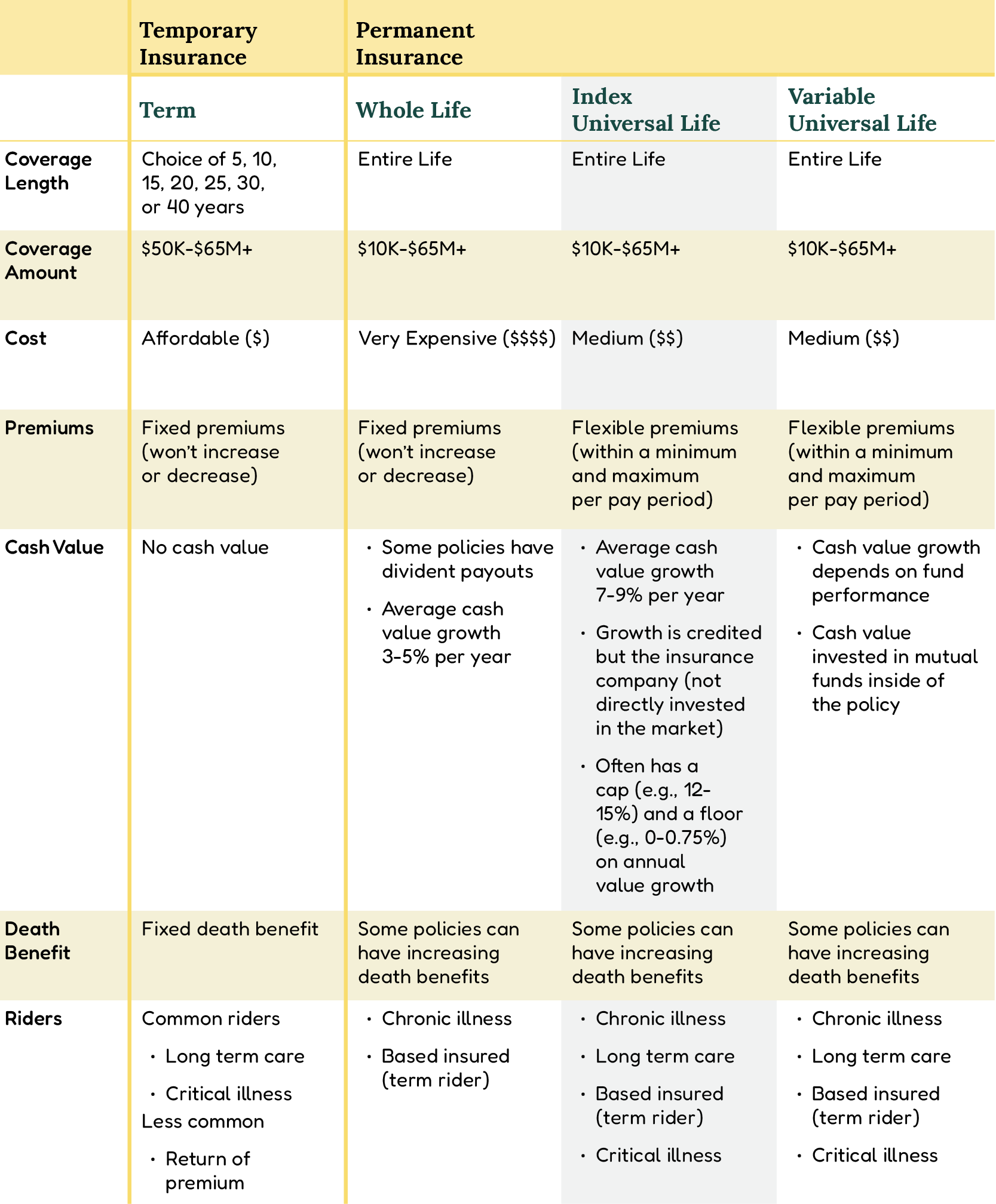
Permanent life insurance—which includes whole life, universal life, and variable life—occupies a unique position in the United States tax code. Unlike a traditional 401(k) or IRA, where contributions may reduce your taxable income today, permanent life insurance focuses on tax-advantaged growth and the tax-free transfer of wealth. As of 2026, these regulations remain a cornerstone of estate planning and supplemental retirement strategies, though the specific mechanics of how and when taxes apply depend heavily on how you interact with the policy's cash value.
The Tax Status of Premium Payments
When you "put money in" to a permanent life insurance policy, you are paying premiums to the insurance carrier. For the vast majority of individual policyholders, these payments are considered a personal expense. Under Internal Revenue Code Section 262, personal, living, or family expenses are not deductible from gross income.
This means if you earn $100,000 and put $10,000 into a whole life policy, your taxable income remains $100,000. This differs from "pre-tax" retirement accounts, where that $10,000 would lower your taxable income to $90,000. Because you are using "after-tax" dollars to fund the policy, you establish what the IRS calls a cost basis. Your basis is essentially the total amount of premiums paid into the policy, minus any previous tax-free withdrawals or dividends received in cash.
There are rare exceptions where premiums might be deductible for business owners, specifically if the insurance is provided as a taxable benefit to employees. However, for the individual consumer seeking to build cash value, the primary rule is that contributions provide no immediate tax deduction.
Tax-Deferred Cash Value Growth
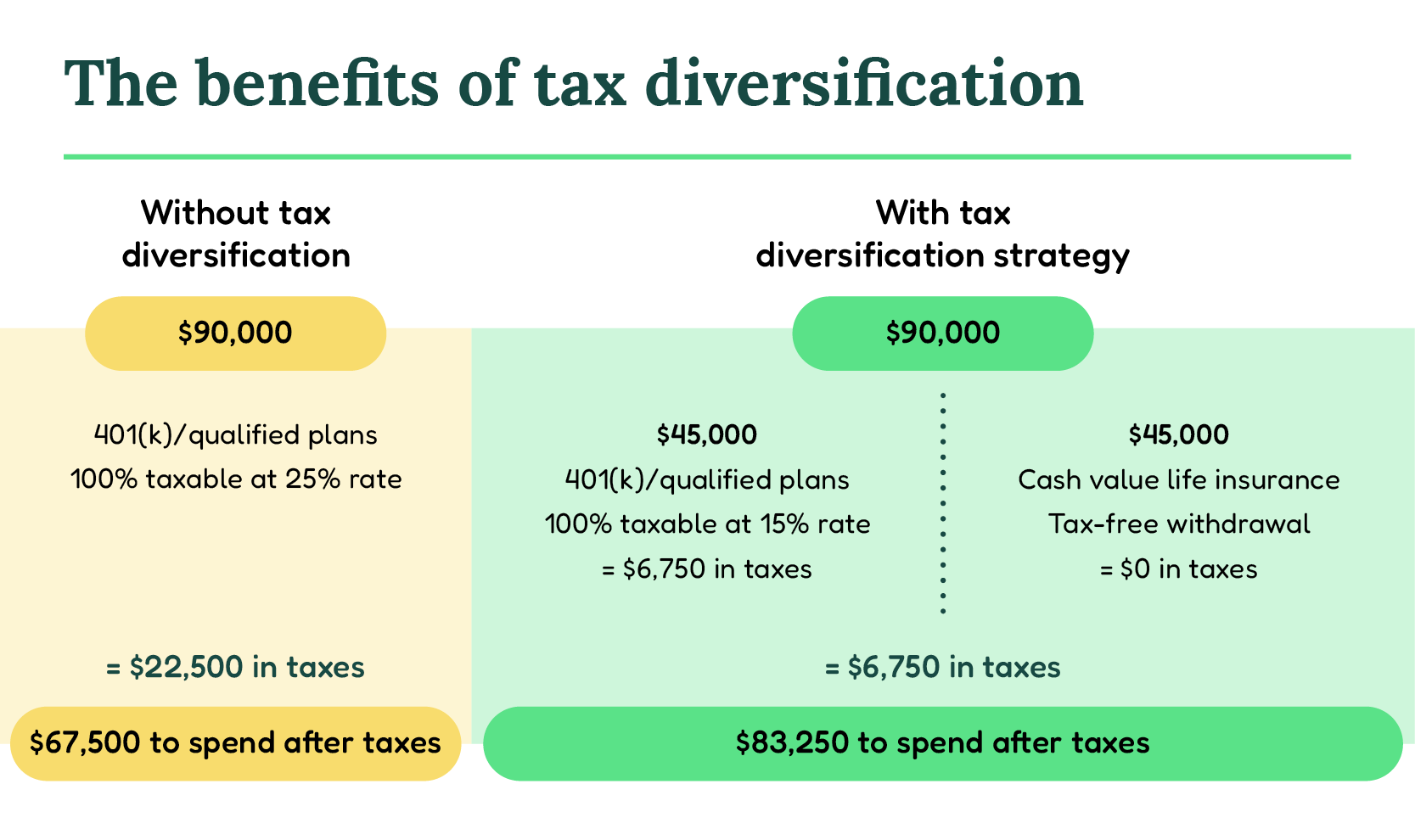
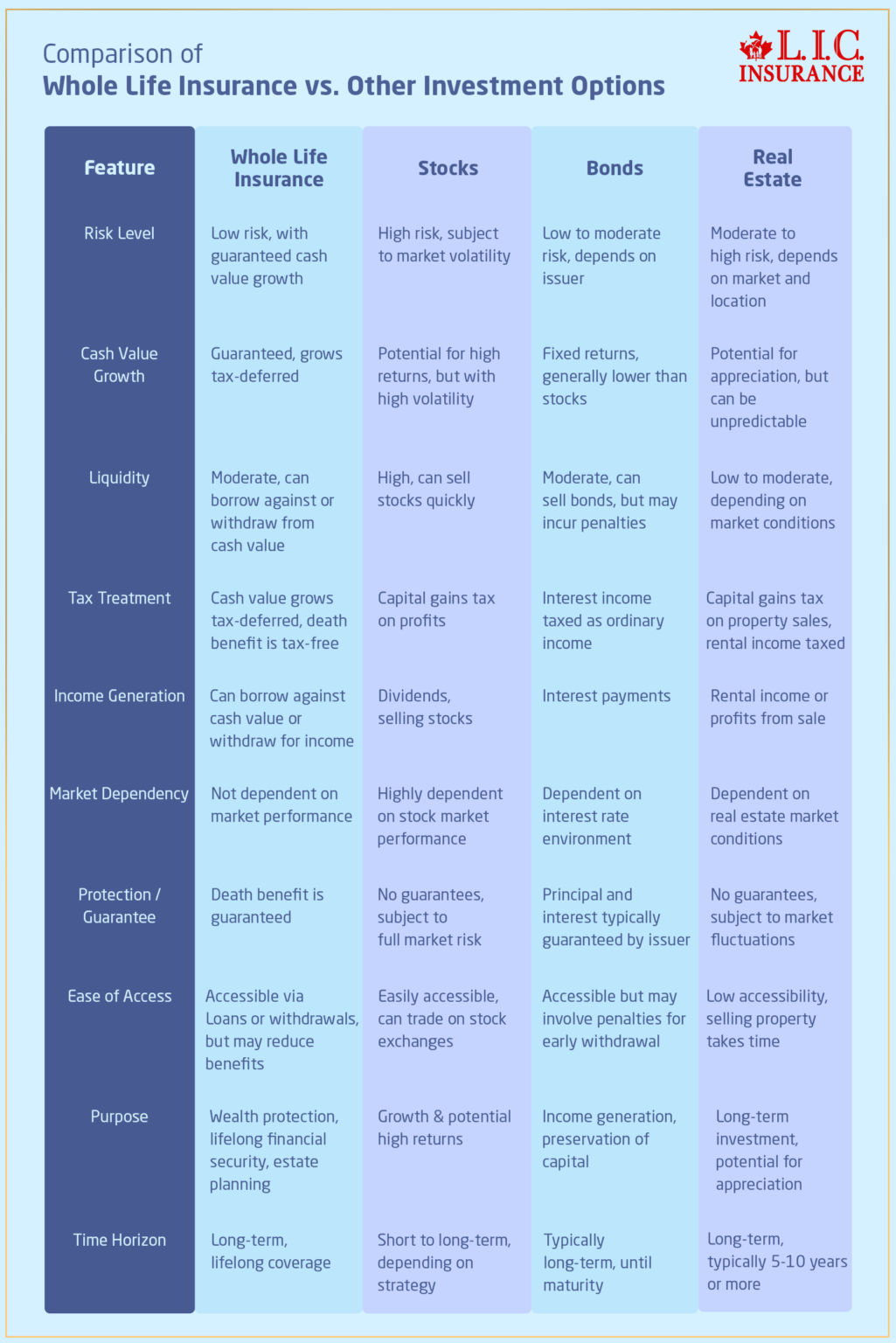
The most significant tax benefit during the "accumulation phase" of a permanent life insurance policy is tax-deferral. As the insurance company invests your premiums (either in their general account for whole life or in sub-accounts for variable life), the interest, dividends, and capital gains that accrue within the cash value component are not taxed annually.
In a standard brokerage account, you would owe taxes every year on realized capital gains and dividends. Over decades, this "tax drag" can significantly reduce the total growth of your assets. Inside a permanent life insurance policy, 100% of the earnings remain in the account to compound.
As of 2026, this remains a primary reason high-income earners utilize life insurance as a "volatility buffer" or a supplemental "tax-free" bucket for retirement. As long as the money remains inside the policy, the IRS does not consider the growth as "constructive receipt" of income.
Accessing Your Money: Withdrawals vs. Loans
The question of whether the money you put in is taxable becomes most relevant when you decide to take money out. There are two primary ways to access cash value: withdrawals (surrenders of part of the policy) and policy loans.
The Cost Basis Rule for Withdrawals
The IRS applies a FIFO (First-In, First-Out) accounting method to life insurance withdrawals. This is highly favorable to the policyholder. When you take a withdrawal, the IRS assumes you are withdrawing your "basis" (the after-tax premiums you paid) first.
Since you already paid taxes on that money before putting it into the policy, these withdrawals are tax-free until you have withdrawn every dollar of premium paid. Only once the total withdrawals exceed your cost basis do the payments become taxable as ordinary income.
Policy Loans and Tax Liability
Policy loans are the preferred method for many policyholders to access cash. When you take a loan, you are not technically withdrawing your own money; you are borrowing from the insurance company, using your cash value as collateral.
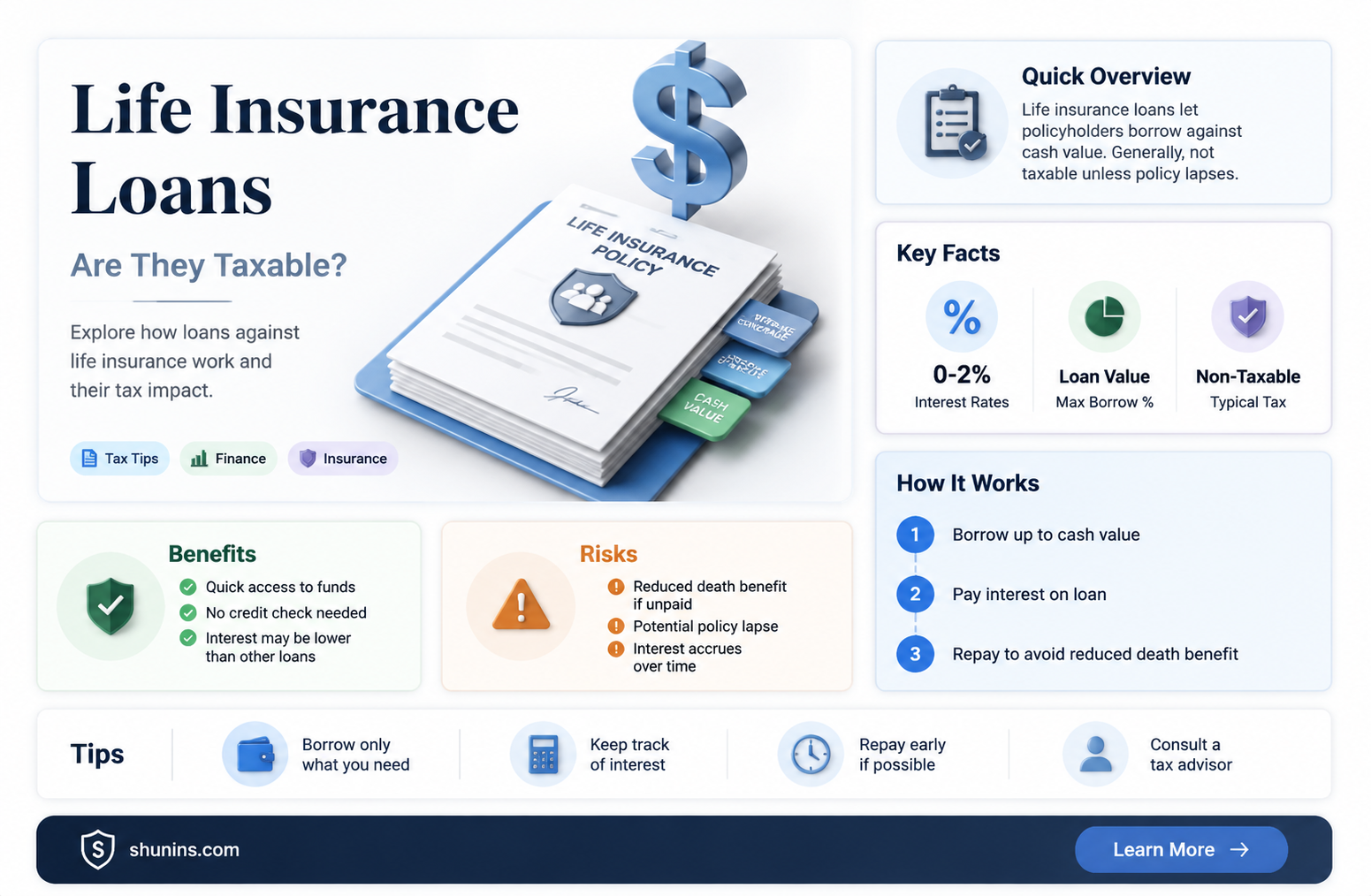
Under current 2026 tax guidelines, policy loans are generally not taxable, even if the loan amount exceeds your cost basis. This allows policyholders to access the growth of their policy without triggering an income tax event. However, there is a significant caveat: if the policy lapses or is surrendered while a loan is outstanding, the total amount of the loan (minus the basis) becomes immediately taxable as ordinary income.
The "Modified Endowment Contract" (MEC) Trap
While permanent life insurance offers significant tax advantages, the IRS prevents people from using it purely as a tax-sheltered investment vehicle through the 7-Pay Test. If you fund a policy too quickly—putting in more money than is required to pay up the policy within seven years—the policy is reclassified as a Modified Endowment Contract (MEC).
If a policy becomes a MEC:
- Taxation flips to LIFO: Withdrawals are treated as "Last-In, First-Out," meaning earnings (taxable) are taken out before the basis (tax-free).
- Loan Taxation: Loans from a MEC are treated as taxable distributions to the extent of the gain in the policy.
- Penalty Tax: If you are under age 59½, you may owe a 10% federal penalty tax on the taxable portion of any distribution or loan.
Most insurance companies will monitor your premium payments and notify you if a payment would push the policy into MEC status, but it is a critical consideration for those looking to "dump" large sums of cash into a policy.
Taxation of the Death Benefit
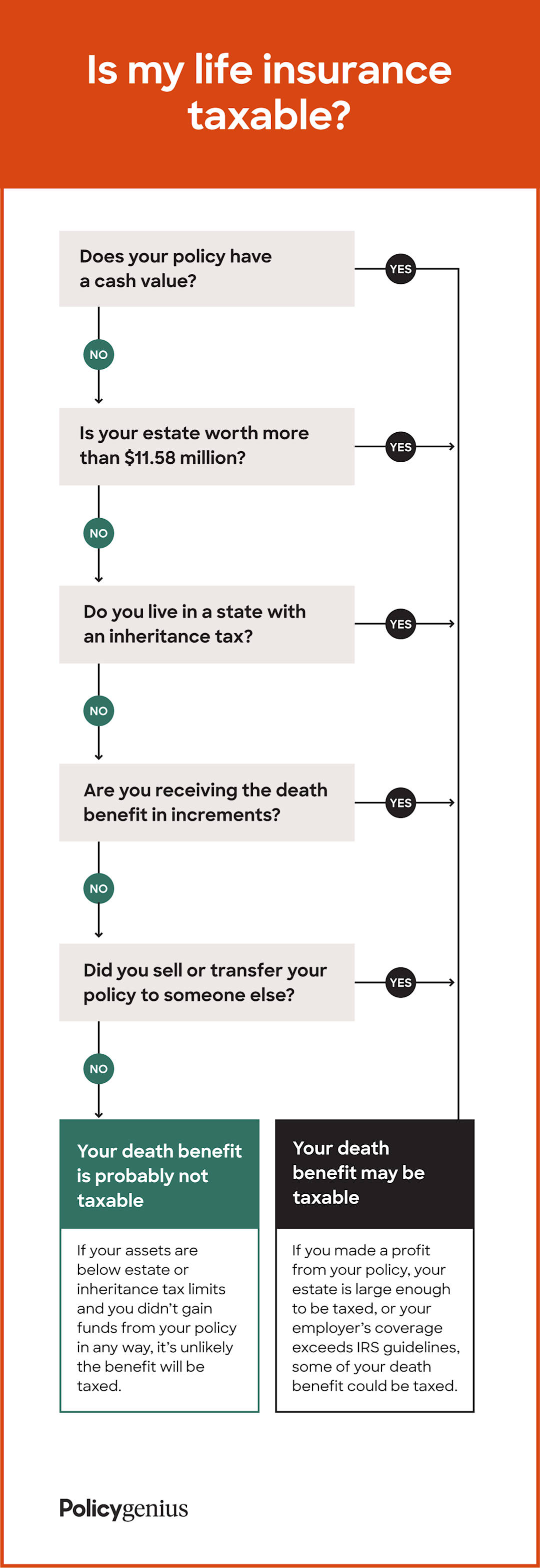
The ultimate purpose of life insurance is the death benefit paid to beneficiaries. Under Internal Revenue Code Section 101(a), death benefits paid under a life insurance contract are generally excluded from the beneficiary’s gross income.
Whether the death benefit is $50,000 or $5,000,000, the beneficiary typically receives the check without owing a cent in federal income tax. It is one of the few ways to transfer a large sum of wealth in the United States without the IRS taking a portion of the principal. Note, however, that any interest paid on the death benefit (if the company delays payment) is taxable as interest income.
Estate Tax Considerations in 2026
While the death benefit is generally free of income tax, it may be subject to estate tax. In 2026, this has become a more pressing issue for many families. The expanded estate tax exemptions established by the 2017 Tax Cuts and Jobs Act (TCJA) were scheduled to sunset at the end of 2025.
Starting in 2026, the federal estate tax exemption has reverted to lower levels (approximately $7 million per individual, adjusted for inflation, down from the $13.61 million level of 2024). If the total value of your estate—including the death benefit of your life insurance—exceeds this threshold, the estate could owe federal taxes of up to 40%.
To avoid this, many policyholders use an Irrevocable Life Insurance Trust (ILIT). By having the trust own the policy, the death benefit is removed from the individual's taxable estate, ensuring it remains truly tax-free for the heirs.
Summary of Tax Treatment
The following table summarizes the tax implications of various actions involving a permanent life insurance policy in 2026.
| Action | Tax Status | Conditions / Notes |
|---|---|---|
| Paying Premiums | Not Deductible | Paid with after-tax dollars; creates "cost basis." |
| Cash Value Growth | Tax-Deferred | No taxes owed while money remains in the policy. |
| Partial Withdrawal | Tax-Free up to Basis | FIFO rules apply; amounts above basis are ordinary income. |
| Policy Loans | Generally Tax-Free | Policy must remain in force; if it lapses, loans become taxable. |
| Dividends | Generally Tax-Free | Treated as a return of premium (reduction of basis). |
| Death Benefit | Income Tax-Free | Excluded from income under IRC Section 101(a). |
| Surrendering Policy | Taxable on Gains | Any amount received over the cost basis is ordinary income. |
Common Pitfalls: Surrendering a Policy
A common mistake occurs when a policyholder surrenders (cancels) a policy that has been in force for many years. When you surrender a policy, the insurance company sends you the "net cash value."
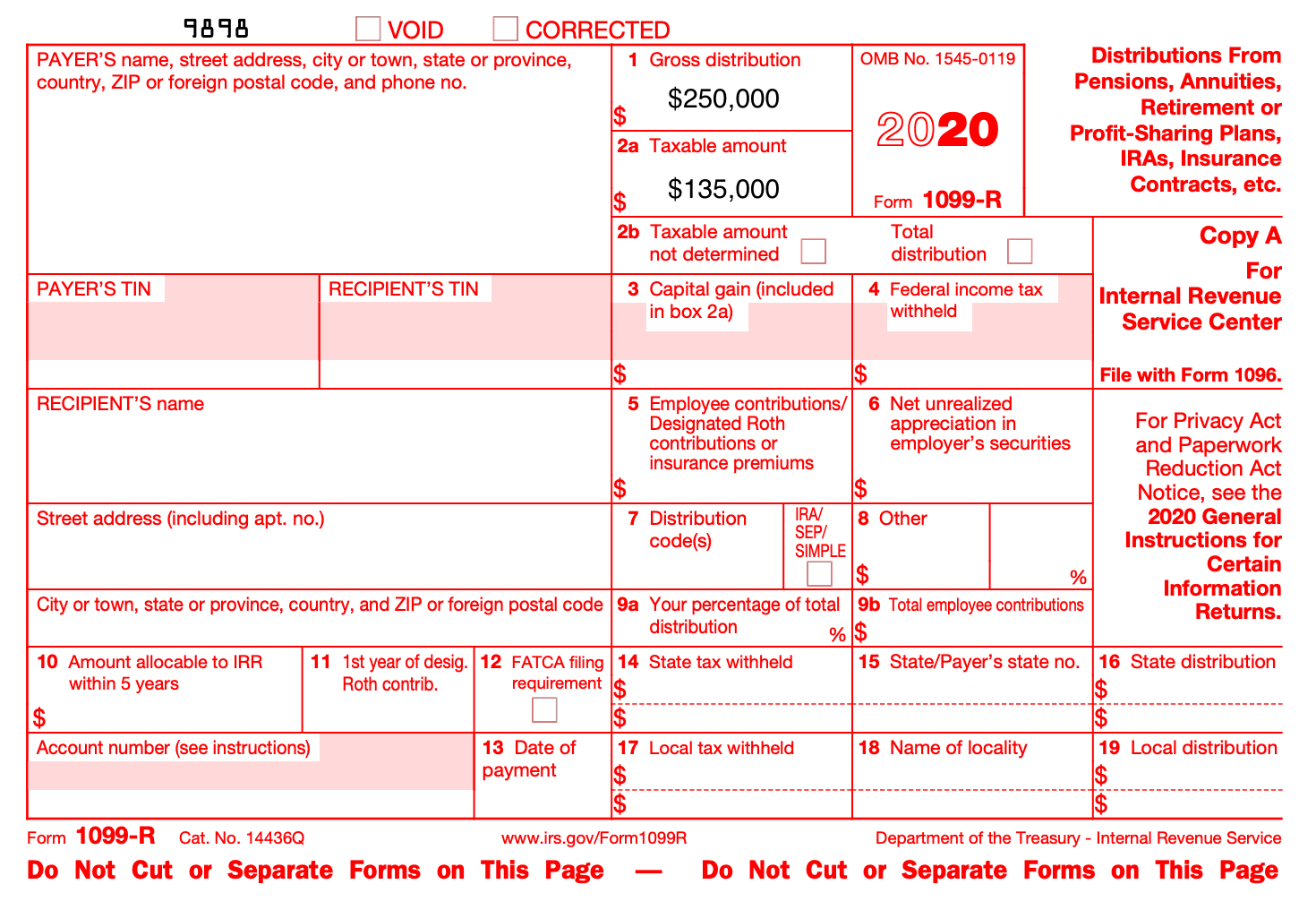
If the cash value you receive is $150,000, but you only paid $100,000 in premiums over the years, you have a $50,000 gain. This $50,000 is taxable as ordinary income, not at the lower capital gains rate. Many people are surprised by this tax bill, especially if they have outstanding loans that are "netted out" against the cash value upon surrender.
FAQs
1. Are dividends from a whole life policy taxable?
In most cases, no. The IRS generally views dividends from a mutual insurance company as a "return of premium" rather than a profit. Because you paid your premiums with after-tax money, getting a portion of that money back is not considered income. However, if the total dividends you receive over the life of the policy exceed the total premiums you have paid, the excess becomes taxable. Additionally, if you leave dividends with the company to earn interest, the interest earned on those dividends is taxable annually.
2. Can I deduct life insurance premiums if I am self-employed?
Generally, no. Even if you are a sole proprietor or partner, premiums paid on a life insurance policy for yourself are considered a personal expense and are not deductible as a business expense. If the policy is used as collateral for a business loan, the premiums are still typically non-deductible.
3. What happens if I exchange my policy for a different one?
Under Section 1035 of the Internal Revenue Code, you can perform a "tax-free exchange" of one life insurance policy for another. This allows you to transfer the entire cash value and the original cost basis to a new policy without triggering a tax event on the gains. This is a common strategy in 2026 for policyholders looking to move from an underperforming policy to one with better features or lower costs.
4. Is the interest I pay on a policy loan tax-deductible?
For individuals, interest paid on a life insurance policy loan is almost never tax-deductible. It is considered personal interest, much like interest on a credit card or a personal bank loan.
5. How does the 2026 estate tax sunset affect my policy?
If your total assets (including your life insurance death benefit) are valued between $7 million and $13 million, your estate might now be subject to federal estate taxes that it would have avoided in 2024 or 2025. You may need to consider transferring ownership of the policy to an Irrevocable Life Insurance Trust (ILIT) or to your adult children to remove the death benefit from your taxable estate.
Practical Recommendation
If you are using permanent life insurance as a wealth-building tool, the "tax-free" nature of the money depends entirely on your exit strategy. To keep your money tax-free, aim to access funds via policy loans rather than direct withdrawals once you have exhausted your cost basis. Most importantly, ensure the policy is properly funded to avoid it lapsing, as a lapse with an outstanding loan is the most common way policyholders trigger a large, unexpected tax bill. Always consult with a tax professional or an estate planner to review your policy's standing relative to the 2026 estate tax thresholds.
Image Gallery