USAA Auto Insurance Rates for a Speeding Ticket in Oregon
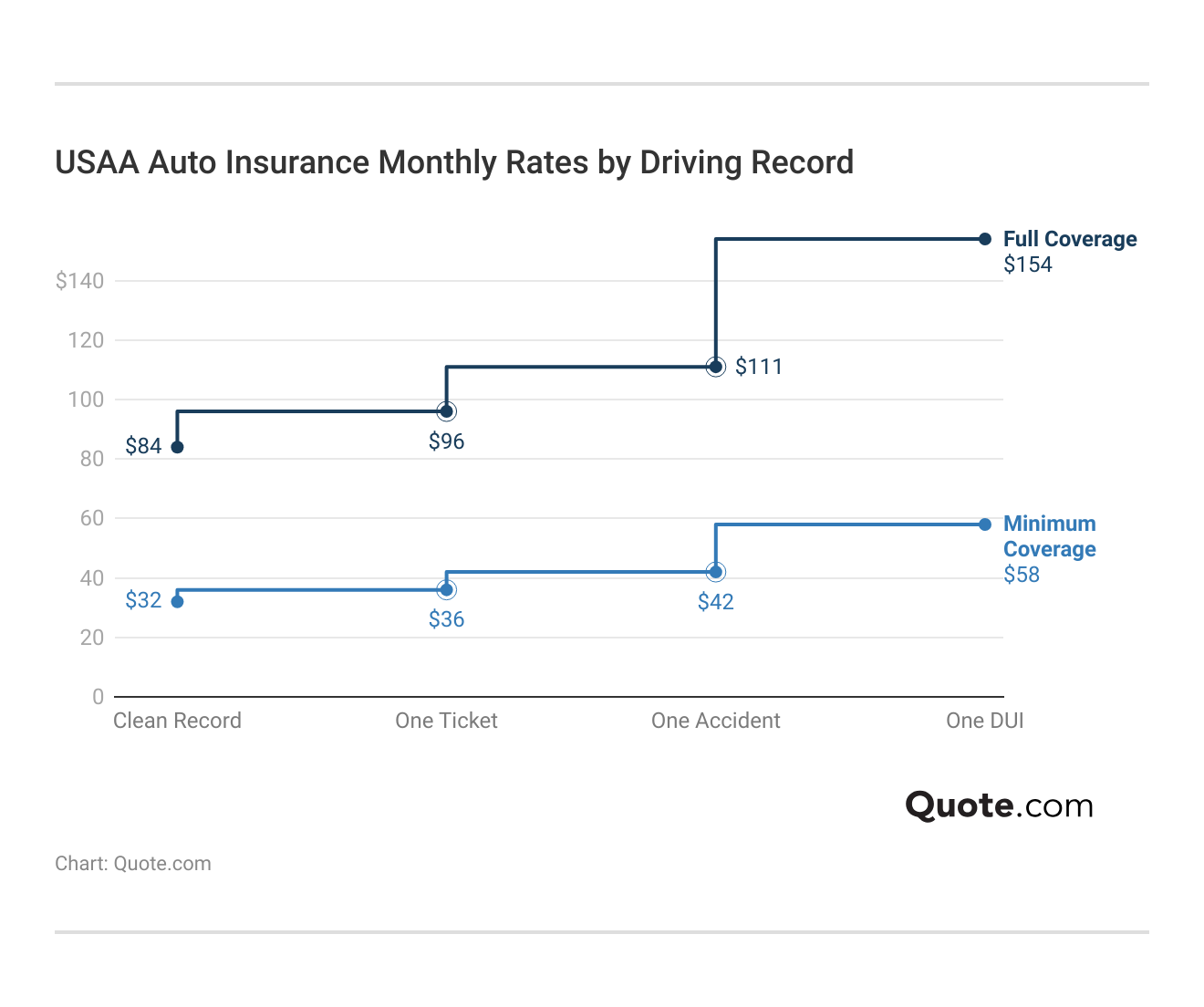
A speeding ticket in Oregon typically increases USAA auto insurance premiums by 12% to 18%, depending on the severity of the violation and your previous driving history. While USAA remains one of the most competitive providers for mili...
A speeding ticket in Oregon typically increases USAA auto insurance premiums by 12% to 18%, depending on the severity of the violation and your previous driving history. While USAA remains one of the most competitive providers for military families in 2026, a single conviction can still trigger a significant surcharge for at least three years.
Contents
The Financial Impact of Speeding on USAA Oregon Policies
In 2026, the average annual cost of full coverage auto insurance in Oregon has reached approximately $2,100. For members of United Services Automobile Association (USAA), these rates are often 15% to 20% lower than the state average due to the organization’s exclusive membership structure. However, the "military discount" does not insulate drivers from the actuarial realities of a speeding conviction.
When an Oregon driver receives a speeding ticket, the Oregon Department of Transportation (ODOT) records the conviction on the individual's driving record. USAA typically reviews these records during the policy renewal period. If a new violation is detected, the company re-evaluates the driver’s risk profile. Actuarial data consistently shows that drivers with a recent speeding conviction are statistically more likely to be involved in a future collision, prompting a rate adjustment to offset potential claim costs.
The specific increase depends heavily on the "Class" of the violation under Oregon law. A Class D violation (1–10 mph over the limit) results in a smaller surcharge compared to a Class A violation (30+ mph over the limit or 100+ mph).
Oregon Speeding Classifications and USAA Rate Estimates
Oregon’s tiered system for traffic violations directly influences how USAA calculates your premium increase. In 2026, insurance carriers in the Pacific Northwest have become increasingly precise in their risk modeling, using telematics and historical data to segment drivers based on the specific MPH over the limit.
The following table outlines the estimated annual premium increases for a typical USAA policyholder in Oregon following a single speeding conviction.
| Violation Severity | Speed Over Limit | Estimated Annual Increase (%) | Estimated 3-Year Total Cost Increase |
|---|---|---|---|
| Class D Violation | 1–10 MPH Over | 8% – 11% | $450 – $650 |
| Class C Violation | 11–20 MPH Over | 12% – 15% | $700 – $950 |
| Class B Violation | 21–30 MPH Over | 16% – 22% | $1,100 – $1,400 |
| Class A Violation | 30+ MPH Over | 25% – 35% | $1,800 – $2,300 |
| Excessive Speed | 100+ MPH | 40%+ / Non-Renewal Risk | $3,000+ |
Note: These figures are estimates based on 2026 market trends for a standard "Full Coverage" policy. Actual rates vary based on zip code, vehicle type, and loyalty discounts.
How Long Does a Ticket Affect Your USAA Rate in Oregon?
In Oregon, a standard speeding ticket remains on your public driving record for three years for insurance purposes. USAA generally adheres to this three-year "lookback period." This means that even if you pay your fine and move on, the surcharge will likely remain on your policy for six consecutive renewal cycles (assuming a standard six-month policy term).
It is important to distinguish between the Oregon DMV's record-keeping and USAA’s internal rating system. While the DMV may keep a record of a major violation for longer, the primary "rating" impact—where the surcharge is actively calculated into your premium—typically peaks in the first two years and may diminish or disappear after the 36th month, provided no additional violations occur.
The Oregon "Basic Rule" and Insurance Risk
Oregon is unique because it employs the "Basic Rule" alongside posted speed limits. According to Oregon Revised Statute 811.100, no person shall drive at a speed that is greater than is reasonable and prudent under the conditions. This means a driver could technically receive a ticket for going the posted speed limit if weather conditions (like heavy rain or ice on the I-5) make that speed unsafe.
From USAA’s perspective, a "Basic Rule" violation is treated with similar weight to a standard speeding ticket. It signals to the underwriter that the driver may have exercised poor judgment regarding road conditions, which is a high-risk indicator for future liability claims.
USAA SafePilot and Telematics Mitigation
For Oregon members facing a rate hike, USAA’s SafePilot program offers a potential buffer. By 2026, telematics has become a primary tool for "earned" discounts. If you have a speeding ticket on your record but your SafePilot data shows that you are otherwise a cautious driver—meaning you avoid harsh braking, phone handling, and nighttime driving—you may earn a discount of up to 30%.
This discount can effectively "wash out" the surcharge from a minor speeding ticket. However, if the telematics data also records frequent speeding, the combination of a legal conviction and poor driving data can lead to even higher premiums or the loss of "preferred" tier status.
Steps to Take After Receiving a Ticket in Oregon
If you are a USAA member and receive a citation in Oregon, you have several avenues to minimize the financial fallout.
- Deferral Programs: Some Oregon counties offer a "Traffic School Diversion Program." If you are eligible and complete the course, the court may dismiss the ticket. If the ticket is dismissed and never results in a "conviction," it generally will not appear on your DMV record, and USAA will not be notified of the event.
- Contest the Ticket: If there are factual errors on the citation, contesting the ticket in court is an option. A "Not Guilty" verdict or a reduction to a non-moving violation (like a parking or equipment issue) can prevent a premium hike.
- The "Accident Forgiveness" Misconception: It is vital to remember that USAA’s Accident Forgiveness generally does not apply to speeding tickets. It is designed to prevent a rate increase after your first at-fault accident, but moving violations are categorized differently in the underwriting algorithm.
- Review Discounts: After a ticket, ensure you are maximizing other USAA discounts. These include the multi-policy discount (bundling home or renters insurance), the vehicle storage discount (for deployed members), and the "good student" discount for household members under 25.
Comparison: USAA vs. Competitors in Oregon
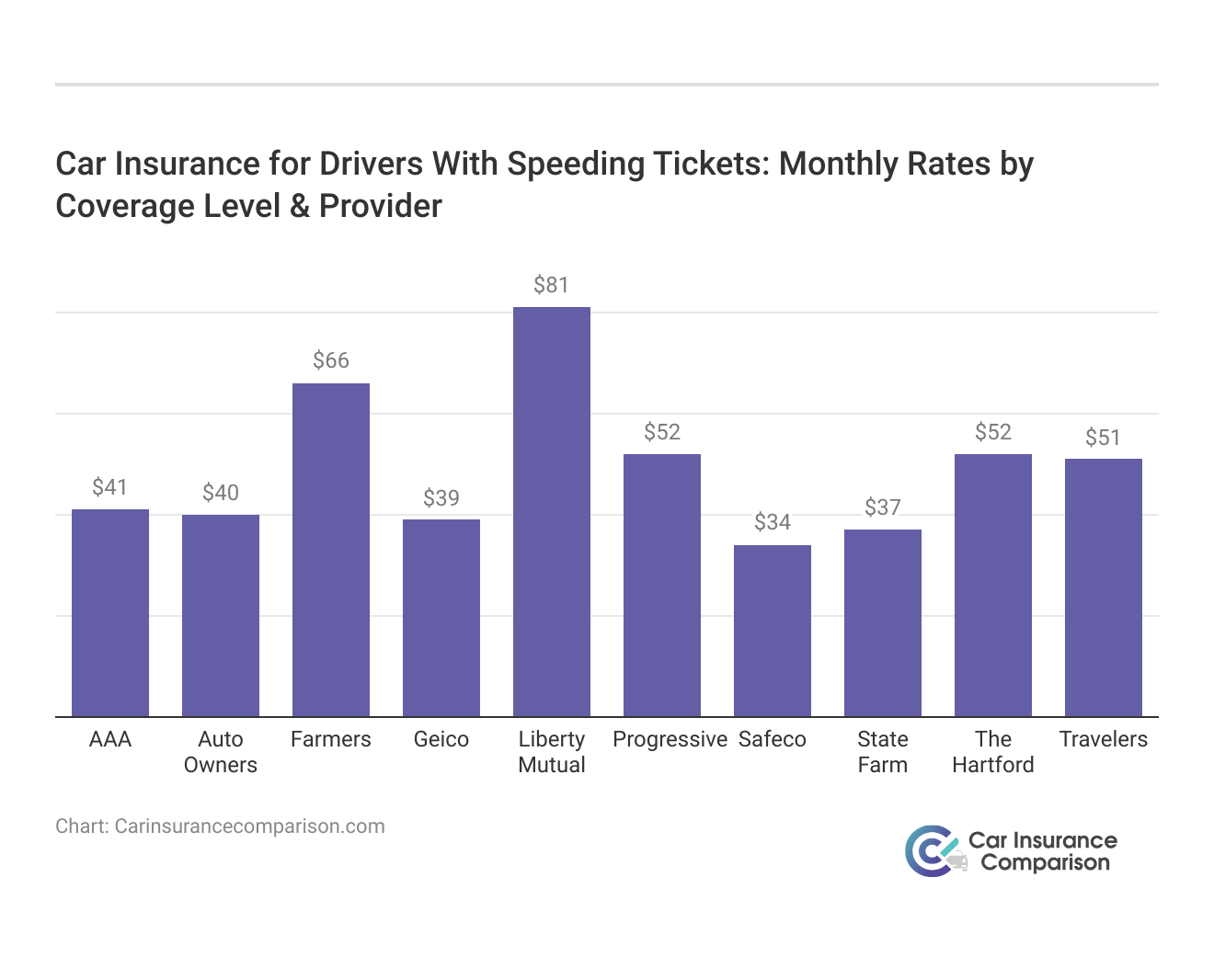
Even with a speeding ticket, USAA remains highly competitive in the Oregon market. While a 15% increase might seem steep, a competitor like Progressive or State Farm might increase rates by 20% to 25% for the same violation in Portland or Eugene.
In 2026, the Oregon insurance market has seen an influx of "non-standard" carriers that cater specifically to high-risk drivers. However, for military members, shifting away from USAA after a single ticket is rarely cost-effective. The "base rate" at USAA is typically low enough that even with a surcharge, it remains cheaper than the base rate of a "standard" carrier.
Frequently Asked Questions
Does Oregon have a point system that USAA uses?
No, Oregon does not use a numerical point system (like California or New York). Instead, the Oregon DMV tracks the number of "entries" or convictions on your record. USAA looks at the frequency and severity of these entries. Three or more moving violations within an 18-month period in Oregon can lead to a license suspension and will likely result in USAA non-renewing your policy.
Will my rates go up immediately after getting the ticket?
Usually, no. USAA typically adjusts your rates at the time of your policy renewal. If you receive a ticket in the first month of your policy, you may not see the financial impact for another five months. However, once the renewal process begins, USAA’s automated systems will pull an updated Motor Vehicle Report (MVR).
Can I attend traffic school in Oregon to remove the ticket from my USAA record?
If the court allows you to enter a diversion program and the conviction is never entered onto your record, USAA will not see it. However, if you are convicted first and then attend traffic school as a condition of your sentence, the conviction still exists and will likely impact your rates. You must complete the diversion before a conviction is recorded.
What is the most expensive type of speeding ticket for a USAA member?
A violation of ORS 811.109, which involves exceeding the speed limit by more than 30 mph, or exceeding 100 mph, is the most damaging. In 2026, these are often classified as "Major Violations" by USAA, similar to a reckless driving charge, and can lead to a 40% premium increase or a transition to a high-risk policy tier.
Does a speeding ticket from another state follow me to my Oregon USAA policy?
Yes. Oregon is a member of the Driver License Compact, an interstate agreement used by states to exchange information concerning license suspensions and traffic violations of non-residents. If you get a ticket in Washington or California, it will be reported back to the Oregon DMV and will subsequently be seen by USAA.
Summary Recommendation
If you receive a speeding ticket in Oregon, your first priority should be investigating the local county's diversion or deferral programs to prevent the conviction from ever reaching your DMV record. If the conviction is already recorded, do not immediately cancel your USAA policy. Instead, enroll in the USAA SafePilot program and maintain a high safety score to mitigate the surcharge. Given the high cost of insurance in Oregon in 2026, the structural discounts provided by USAA still make it the most viable option for the majority of military-affiliated households, despite a temporary increase in rates.
Image Gallery