GLP-1 Receptor Agonists and Osteoporosis: Clinical Evidence and Molecular Mechanisms
Glucagon-like peptide-1 (GLP-1) receptor agonists demonstrate a bone-neutral or potentially bone-protective effect in clinical settings. Unlike traditional weight-loss interventions that often reduce bone mineral density, GLP-1 signali...
Glucagon-like peptide-1 (GLP-1) receptor agonists demonstrate a bone-neutral or potentially bone-protective effect in clinical settings. Unlike traditional weight-loss interventions that often reduce bone mineral density, GLP-1 signaling stimulates osteoblast activity and inhibits osteoclast-mediated resorption, effectively counteracting the mechanical unloading effects of rapid weight loss through the activation of specific Wnt and RANKL/OPG molecular pathways.
Contents
The intersection of metabolic health and skeletal integrity has become a primary focus of clinical endocrinology in 2026. As the use of GLP-1 receptor agonists (GLP-1 RAs) and dual GLP-1/GIP agonists expands from type 2 diabetes management to widespread obesity treatment, understanding their impact on bone metabolism is critical. Osteoporosis, characterized by compromised bone strength and increased fracture risk, often coexists with the metabolic conditions these drugs are designed to treat. While rapid weight loss is traditionally associated with a decline in bone mineral density (BMD), the specific pharmacodynamics of GLP-1 RAs appear to offer a unique protective mechanism that differentiates them from caloric restriction alone.
The Gut-Bone Axis: A Regulatory Framework
The "gut-bone axis" refers to the physiological communication between the gastrointestinal tract and the skeletal system. Incretin hormones, primarily GLP-1 and Glucose-dependent Insulinotropic Polypeptide (GIP), are secreted by the gut in response to nutrient ingestion. While their role in insulin secretion is well-documented, their influence on bone remodeling is an emerging area of clinical significance.
Bone is a dynamic tissue that undergoes constant remodeling through the balanced actions of bone-forming cells (osteoblasts) and bone-resorbing cells (osteoclasts). In a healthy state, these processes are tightly coupled. However, in metabolic disorders like type 2 diabetes, this balance is often disrupted, leading to "diabetic bone disease," where BMD may appear normal or even high, but bone quality is poor, leading to increased fracture fragility. GLP-1 RAs intervene in this axis by binding to receptors located directly on bone cells, providing a direct anabolic signal that complements their indirect systemic effects on glucose and inflammation.
Molecular Mechanisms of GLP-1 in Bone Metabolism
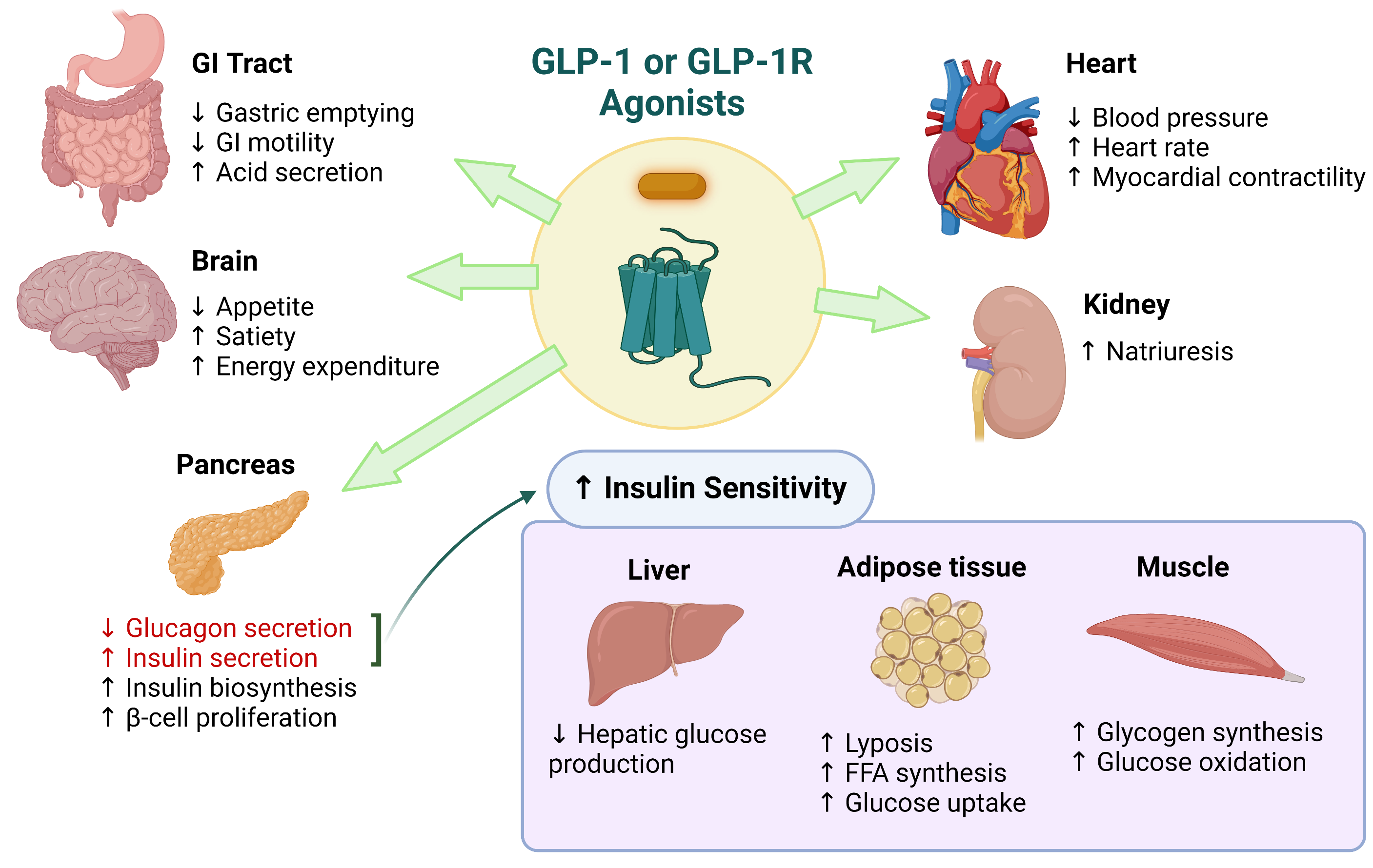
The molecular influence of GLP-1 on the skeleton is multifaceted, involving direct cellular signaling and the modulation of systemic hormones. By 2026, research has clarified several key pathways through which these agents exert their effects.
Osteoblast Stimulation and Survival
GLP-1 receptors (GLP-1R) are expressed on the surface of osteoblasts and mesenchymal stem cells (MSCs). When a GLP-1 RA binds to these receptors, it triggers the Phosphoinositide 3-kinase (PI3K)/Akt and Mitogen-activated protein kinase (MAPK) pathways. These signals promote the differentiation of MSCs into osteoblasts rather than adipocytes (fat cells).
Furthermore, GLP-1 signaling enhances the expression of Runx2, a master transcription factor for bone formation. It also activates the Wnt/β-catenin signaling pathway by inhibiting sclerostin, a protein that naturally suppresses bone formation. By reducing sclerostin levels, GLP-1 RAs allow for increased osteoblast activity and improved bone matrix synthesis.
Inhibition of Osteoclast-Mediated Resorption
Osteoclasts are responsible for breaking down bone tissue. Their activity is regulated by the ratio of Receptor Activator of Nuclear Factor Kappa-B Ligand (RANKL) to Osteoprotegerin (OPG). GLP-1 signaling has been shown to increase the production of OPG (a decoy receptor) while decreasing RANKL expression. This shifts the ratio in favor of bone preservation, effectively slowing down the rate of bone resorption. Additionally, GLP-1 may reduce the inflammatory cytokines (such as IL-6 and TNF-alpha) that typically stimulate osteoclastogenesis.
The Role of Calcitonin and Thyroid C-cells
There is also evidence suggesting that GLP-1 RAs may stimulate the secretion of calcitonin from thyroid C-cells. Calcitonin is a hormone that directly inhibits osteoclast activity and lowers blood calcium levels. While the clinical impact of this specific pathway in humans is still debated compared to rodent models, it remains a recognized component of the broader incretin-bone interaction mechanism.
Clinical Evidence: Longitudinal Trials and Meta-Analyses
The transition of GLP-1 RAs from specialized diabetes medications to primary obesity treatments has necessitated rigorous long-term bone safety data. Clinical evidence through 2026 suggests that these agents do not increase fracture risk, even in the presence of significant weight loss.
Findings from Diabetes Trials (SUSTAIN and LEADER)
Early evidence came from cardiovascular outcome trials (CVOTs) for medications like semaglutide and liraglutide. In the SUSTAIN program, patients treated with semaglutide showed no increase in fracture risk compared to placebo. Similarly, the LEADER trial for liraglutide demonstrated a neutral effect on bone health over a multi-year period. These findings were significant because diabetic patients are already at a higher baseline risk for fractures; the fact that GLP-1 RAs did not exacerbate this risk provided initial clinical reassurance.
Obesity Management and Bone Density (STEP and SURMOUNT)
In the context of non-diabetic obesity, the STEP (Semaglutide Treatment Effect in People with obesity) and SURMOUNT (Tirzepatide) trials have provided deeper insights. Typically, losing 10-15% of body weight results in a 1-2% loss of BMD at the hip and spine due to reduced mechanical loading.
However, data published through 2025 and 2026 indicate that participants on GLP-1 RAs and dual GLP-1/GIP agonists maintain higher levels of bone formation markers (like P1NP) and lower levels of resorption markers (like CTX) than those losing weight through diet alone. This suggests that the pharmacological action of the drug provides a "skeletal floor" that prevents the expected decline in bone density.
Comparison of GLP-1 RAs and Dual Agonists on Bone Health
The following table summarizes the observed clinical impacts of the most common incretin therapies on bone parameters based on cumulative evidence available in 2026.
| Medication Type | Primary Representative | Effect on Bone Mineral Density (BMD) | Impact on Fracture Risk | Primary Mechanism in Bone |
|---|---|---|---|---|
| GLP-1 RA (Daily) | Liraglutide | Neutral to Slightly Positive | No increase | Osteoblast survival via PI3K/Akt |
| GLP-1 RA (Weekly) | Semaglutide | Neutral (Preserves BMD during weight loss) | No increase | Sclerostin reduction; Wnt activation |
| Dual GLP-1/GIP Agonist | Tirzepatide | Neutral to Positive | Potential decrease | Synergistic GIP/GLP-1 osteoblast stimulation |
| Triple Agonist (GLP/GIP/GCG) | Retatrutide | Under investigation (likely neutral) | No increase reported | Balanced incretin signaling |
Clinical Considerations for Aging Populations
In 2026, the clinical focus has shifted toward "sarcopenic obesity"—the loss of muscle and bone mass in older adults who are also overweight. For these patients, the initiation of GLP-1 therapy requires a nuanced approach to prevent frailty.
Screening and Baseline Assessment
Before starting a long-term GLP-1 RA regimen in postmenopausal women or men over 65, clinicians increasingly utilize DXA (Dual-energy X-ray Absorptiometry) scans to establish a baseline. If a patient is already in the osteopenic or osteoporotic range, GLP-1 RAs are generally considered safe, but they are often paired with more aggressive bone-retention strategies.
Adjunctive Therapies and Lifestyle
To maximize the bone-protective effects of GLP-1 RAs, the 2026 clinical guidelines emphasize three pillars:
- Resistance Training: Essential for providing the mechanical load necessary to stimulate bone remodeling and preserve muscle mass.
- Protein Intake: Higher protein targets (1.2–1.5g/kg) help mitigate muscle loss, which in turn supports bone health through the muscle-bone unit interaction.
- Vitamin D and Calcium: Ensuring sufficiency is mandatory, as GLP-1 RAs can sometimes alter gastric emptying and nutrient absorption.
Addressing the Ambiguity: Weight Loss vs. Drug Effect
A common point of confusion in medical literature is whether GLP-1 RAs are "good" for bone or simply "less bad" than other weight-loss methods. The consensus in 2026 is that the drug itself has an anabolic (building) effect, but this effect is often masked by the catabolic (breaking down) effect of rapid weight loss.
When researchers control for the amount of weight lost, patients on GLP-1 RAs consistently show better bone microarchitecture and higher BMD than those who lose the same amount of weight through bariatric surgery or severe caloric restriction. This indicates that while the net change in BMD might be zero or slightly negative, the drug is actively working to prevent the significant bone loss that would otherwise occur.
FAQs
Do GLP-1 receptor agonists cause osteoporosis?
No, current clinical evidence indicates that GLP-1 RAs do not cause osteoporosis. In fact, molecular studies suggest they have bone-protective properties. While weight loss itself can lead to a slight decrease in bone mineral density, GLP-1 RAs help mitigate this loss more effectively than diet and exercise alone.
Can I take semaglutide if I already have osteoporosis?
Yes, semaglutide and other GLP-1 RAs are generally considered safe for individuals with osteoporosis. However, because these medications lead to weight loss, which can impact bone load, it is vital to ensure adequate calcium and Vitamin D intake and to engage in weight-bearing exercises to maintain bone strength.
Is tirzepatide better for bone health than semaglutide?
Preliminary data suggest that tirzepatide, a dual GLP-1 and GIP receptor agonist, may have a slightly superior bone-protective profile. GIP (Glucose-dependent Insulinotropic Polypeptide) receptors are highly expressed in bone tissue and are known to strongly inhibit bone resorption, potentially providing a synergistic effect when combined with GLP-1.
Do these drugs increase the risk of bone fractures?
Large-scale clinical trials, including the LEADER and SUSTAIN-6 trials, have shown no increased risk of bone fractures in patients using GLP-1 RAs. Long-term observational studies through 2026 continue to support the fracture neutrality of this drug class across diverse patient populations.
Should I take a bone-building supplement while on a GLP-1 RA?
While not a requirement for everyone, most clinical guidelines in 2026 recommend that patients on long-term GLP-1 therapy ensure they are meeting the RDA for Calcium (1,000–1,200 mg) and Vitamin D (800–2,000 IU), as these are the foundational building blocks for the bone formation that GLP-1 RAs stimulate.
Practical Recommendations for Patients and Providers
For patients concerned about bone health while using GLP-1 RAs, the focus should remain on a holistic "bone-preservation" strategy. Clinical providers should prioritize the monitoring of bone turnover markers (such as CTX and P1NP) in high-risk individuals and encourage lifestyle modifications that complement the drug’s molecular benefits.
The primary action for patients is to incorporate progressive resistance exercise at least three times per week. This provides the mechanical stimulus that, when combined with the biochemical stimulus of GLP-1 signaling, maximizes bone density retention. For providers, regular review of fracture risk (using tools like FRAX) remains essential, particularly as patients achieve significant weight milestones. By 2026, the integration of metabolic and skeletal health management has become the gold standard, ensuring that the benefits of weight loss do not come at the expense of skeletal integrity.
Image Gallery