Understanding Contingent Workers Compensation on Homeowners Insurance
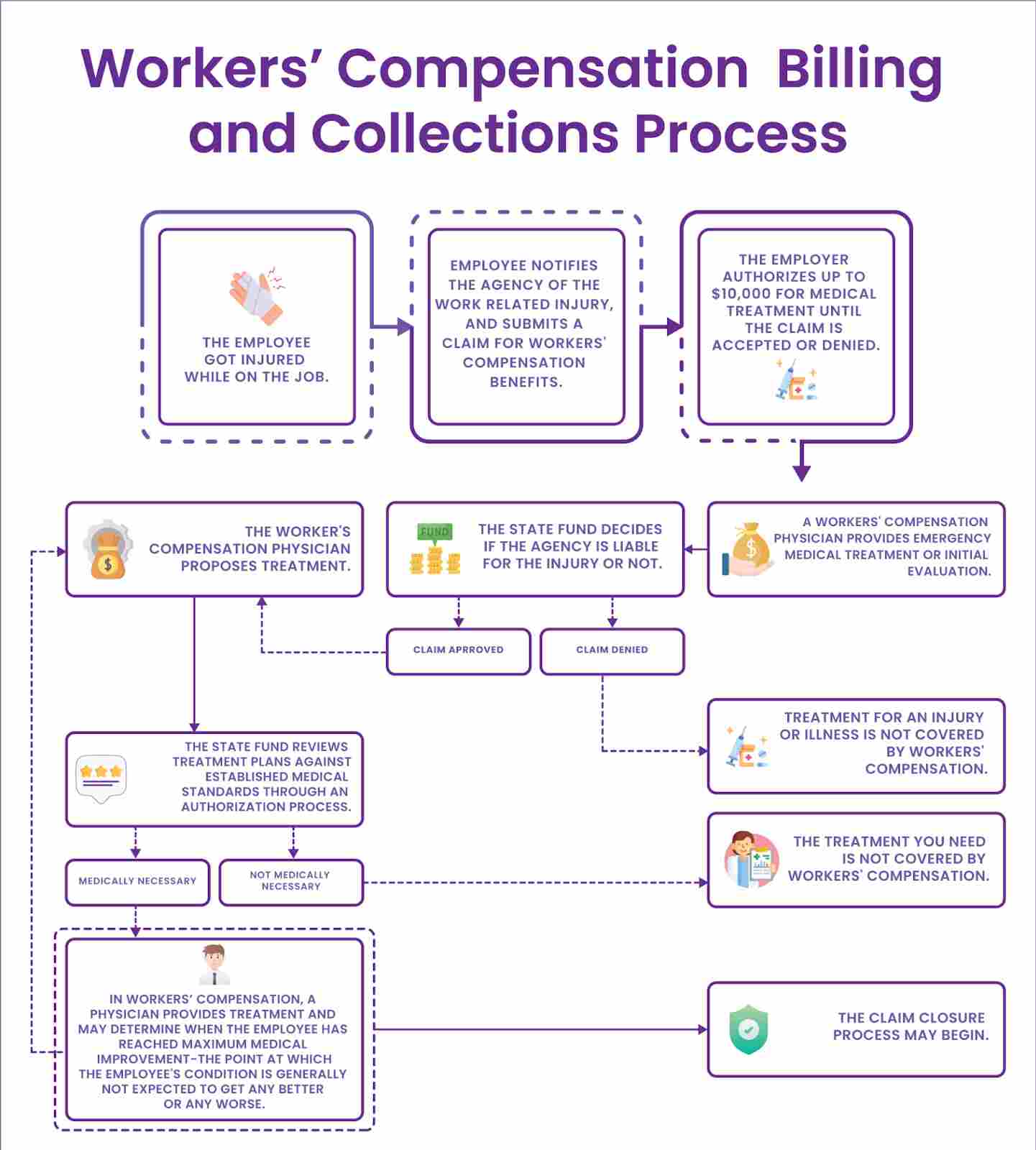
Contingent workers' compensation on a homeowners insurance policy is a specialized coverage or endorsement that provides medical benefits and wage replacement to domestic employees or contractors injured on your property. It acts as a...
Contingent workers' compensation on a homeowners insurance policy is a specialized coverage or endorsement that provides medical benefits and wage replacement to domestic employees or contractors injured on your property. It acts as a safety net when a homeowner is legally deemed an "employer" under state law or when a hired professional’s own insurance fails to cover a workplace injury.
Contents
The landscape of residential labor has shifted significantly by 2026. With the rise of specialized home-based services and the continued expansion of the gig economy, the boundary between a "casual guest" and a "residence employee" is often blurred. For homeowners, understanding how contingent workers' compensation functions within a standard HO-3 or HO-5 policy—and where it doesn't—is essential for protecting personal assets from high-stakes litigation and statutory penalties.
The Distinction Between Personal Liability and Workers' Compensation
A common misconception among property owners is that the standard personal liability portion of a homeowners policy covers all injuries occurring on the premises. In reality, personal liability and workers' compensation serve two entirely different legal purposes.
Personal Liability (Coverage E) is designed to protect you if you are found negligent. If a guest trips on a loose rug, they must typically prove you failed to maintain a safe environment to collect a significant settlement. Liability coverage pays for your legal defense and the damages you are ordered to pay, up to the policy limit.
Workers' Compensation, however, is a "no-fault" system. If a person classified as your employee is injured while performing their duties, they are entitled to benefits regardless of whether you were negligent. In exchange for these guaranteed benefits, the employee generally loses the right to sue the employer for pain and suffering.
Contingent Workers' Compensation enters the picture when there is ambiguity regarding the worker's status. If you hire a contractor who claims to be fully insured but is not, or if you hire a nanny who is legally classified as an employee, you may be held liable for their medical bills and lost wages under state workers' compensation laws. The contingent portion of your homeowners policy provides the funds to meet these statutory obligations.
Who Qualifies as a "Residence Employee" in 2026?
As of 2026, many states have tightened the definitions of who constitutes an employee versus an independent contractor. Homeowners must be aware that the legal classification of a worker often overrides whatever verbal agreement or "1099 status" was initially discussed.
Most homeowners insurance policies define a "residence employee" as an individual whose duties are related to the maintenance or use of the residence premises. This includes:
- Domestic Staff: Full-time or part-time nannies, housekeepers, and au pairs.
- Maintenance Workers: Gardeners, landscapers, and pool cleaners who work on a regular schedule.
- Casual Labor: A local teenager hired to rake leaves or shovel snow, depending on the frequency of the work and state-specific earnings thresholds.
The "contingent" risk arises most frequently with independent contractors. If a roofing company sends a crew to your home and one worker falls, the company’s workers' compensation policy should cover the claim. However, if that company’s insurance has lapsed, or if the "contractor" is actually an unlicensed individual you hired directly, state labor boards may designate you as the employer of record.
State Mandates and Statutory Requirements
In 2026, the requirement for workers' compensation on homeowners policies remains highly jurisdictional. Several states have passed legislation making this coverage mandatory or automatically included in all residential policies to prevent injured workers from falling into a "coverage gap."
| State Category | Common Examples (2026 Status) | Homeowners Policy Requirement |
|---|---|---|
| Mandatory Inclusion | California, New York, New Jersey, New Hampshire | Coverage is typically built into the policy or required as a mandatory endorsement for "residence employees." |
| Threshold-Based | Maryland, Illinois, Massachusetts | Coverage is required only if the employee works more than a specific number of hours or earns above a certain dollar amount. |
| Optional/Elective | Texas, Florida, Georgia | Homeowners must specifically request a workers' compensation endorsement if they employ domestic staff. |
| Excluded by Default | Various States | Domestic workers are often excluded from standard workers' comp laws, meaning homeowners rely solely on Personal Liability (unless they buy a rider). |
For example, in New York, Workers' Compensation Law Section 3420(j) requires that every homeowners' liability insurance policy include coverage for injuries sustained by domestic employees working less than 40 hours a week. In California, Labor Code Section 3351(d) provides that any person employed by the owner of a residential dwelling is an employee for workers' compensation purposes if they meet minimum hour or wage requirements.
The Risks of the "Uninsured Contractor" Trap
The most dangerous scenario for a homeowner involves hiring an "independent contractor" who is not actually independent. In 2026, many jurisdictions use the "ABC Test" to determine employment status. Under this test, a worker is considered an employee unless the hirer can prove the worker is free from control, performs work outside the hirer's usual business, and is independently established in that trade.
If you hire an uninsured handyman to repair a deck and you provide the tools and specific directions on how to perform the work, a court may rule that the handyman was your employee. If he suffers a debilitating injury, you could be responsible for:
- Lifetime Medical Expenses: Workers' comp medical benefits are often unlimited in duration and amount.
- Permanent Disability Payments: If the worker cannot return to work, you may owe a portion of their wages for years.
- Uninsured Employer Penalties: Many states impose heavy fines for failing to carry mandatory workers' compensation insurance, regardless of whether an injury occurred.
Contingent workers' compensation coverage is designed to absorb these shocks, providing the statutory benefits required by law and protecting your home equity from being seized to pay for a judgment.
How to Verify and Implement Coverage
Navigating the complexities of domestic employment requires a proactive approach. Homeowners should not assume their policy is sufficient without a direct review of the "Declarations Page" and any attached endorsements.
1. Review the "Section II - Liability" Exclusions
Open your homeowners policy and look for the "Exclusions" under Section II. Most standard policies exclude "Workers' Compensation, non-occupational disability, or maternity benefits" for residence employees unless required by state law. If your state does not mandate it, you likely do not have it unless you added it specifically.
2. Verify Contractor Insurance (COI)
Before any work begins, request a Certificate of Insurance (COI) from the contractor. Ensure the certificate is sent directly from their insurance agent to you. Check for "Workers' Compensation" coverage and verify the expiration date. If the contractor is a "sole proprietor" with no employees, they may not carry workers' comp, which significantly increases your contingent liability risk.
3. Add a "Domestic Workers" Endorsement
If you employ a nanny or regular housekeeper, contact your insurance agent to add a voluntary workers' compensation endorsement. In 2026, the annual cost for this endorsement is often between $100 and $500, a negligible price compared to the potential millions in liability for an uninsured workplace injury.
Common Myths About Homeowners Workers' Comp
Myth 1: "My umbrella policy will cover it." Most personal umbrella policies require you to have specific underlying limits on your homeowners policy. Furthermore, many umbrella policies explicitly exclude workers' compensation obligations. An umbrella policy is designed to cover excess liability (negligence), not statutory workers' comp (no-fault benefits).
Myth 2: "The worker signed a waiver." In almost every jurisdiction, an employee cannot waive their right to workers' compensation benefits. Even if a contractor signs a document stating they are an independent contractor and will not hold you liable, labor boards can—and frequently do—invalidate these agreements if the reality of the working relationship meets the definition of employment.
Myth 3: "It’s only for full-time employees." As mentioned, states like California and New York have very low thresholds. If a worker earns more than $100 or works more than 52 hours in a 90-day period, they may qualify for benefits.
FAQs
Is contingent workers' compensation the same as medical payments coverage?
No. Medical Payments (Coverage F) is a small limit (usually $1,000 to $5,000) intended for minor injuries to guests, regardless of fault. Workers' compensation is a statutory requirement with much higher limits that covers lost wages and long-term rehabilitation for employees.
Does homeowners insurance cover injuries to "day laborers"?
It depends on the state and the policy. If the day laborer is deemed an employee under state law, a standard policy without a workers' comp endorsement might exclude the claim. If the policy includes contingent workers' comp, it may provide coverage if the laborer has no other insurance.
What happens if I hire someone through a gig-economy app?
In 2026, many gig platforms provide a limited amount of occupational accident insurance for their workers. However, these policies often have low limits. If the worker’s injury exceeds the app’s coverage, they may seek additional compensation from the homeowner. You should check if your policy treats app-based workers as guests or residence employees.
If my family member is injured while helping me paint, is that workers' comp?
Generally, no. Most homeowners policies exclude family members residing in the household from workers' compensation and liability coverage. These injuries are typically handled by the individual's personal health insurance.
Practical Recommendation for 2026
Every homeowner should perform an annual "labor audit" of their property. Identify every person who performs work on your premises—from the weekly dog walker to the one-time roof repairman. For regular domestic help, contact your carrier to confirm that a Voluntary Workers' Compensation Endorsement is active. For one-time contractors, never allow work to begin without a verified Certificate of Insurance. In a legal environment that increasingly favors the worker, the cost of this due diligence is the only reliable way to safeguard your financial future.
Image Gallery