Understanding the Patient Flight Landscape in the U.S.
The patient flight landscape in the U.S. is a specialized sector of healthcare logistics encompassing emergency air ambulances, non-emergency medical transports, and charitable flight networks. Navigating this landscape requires a firm...
The patient flight landscape in the U.S. is a specialized sector of healthcare logistics encompassing emergency air ambulances, non-emergency medical transports, and charitable flight networks. Navigating this landscape requires a firm understanding of medical acuity levels, the protections afforded by the No Surprises Act, and the coordination of "bed-to-bed" care between facilities.
Contents
The Evolution of Medical Aviation in 2026
As of 2026, the patient flight landscape in the United States has transitioned from a fragmented collection of local operators into a highly regulated, technologically integrated industry. The primary driver of this evolution has been the dual need for rapid trauma response and the increasing requirement for long-distance transfers to specialized "Centers of Excellence." Whether a patient requires a helicopter transport from a motor vehicle accident or a fixed-wing jet to move between cardiac units across state lines, the infrastructure supporting these moves is more robust than ever.
The landscape is currently divided into three primary operational tiers: Emergency Medical Services (EMS) via rotor-wing aircraft, Non-Emergency Medical Transport (NEMT) via fixed-wing aircraft, and commercial medical escorts. Each tier operates under different regulatory umbrellas and serves distinct patient populations. Understanding which service fits a specific clinical situation is the first step in ensuring patient safety and financial predictability.
Defining the Tiers of Patient Air Travel
To navigate the landscape effectively, one must distinguish between the types of aircraft and the levels of care they provide. The choice of flight is rarely about speed alone; it is about the clinical environment required to sustain the patient during transit.
Emergency Air Ambulance (Rotor-Wing)
Commonly referred to as "medevac" flights, these are primarily helicopters (rotor-wing) used for short-distance, time-critical missions. They are usually dispatched by first responders or hospital trauma teams. In 2026, these units are essentially flying intensive care units (ICUs), equipped with advanced ventilators, blood products, and invasive monitoring capabilities. These flights are rarely "shopped" for by patients, as they are triggered by immediate medical necessity.
Non-Emergency Fixed-Wing Transport
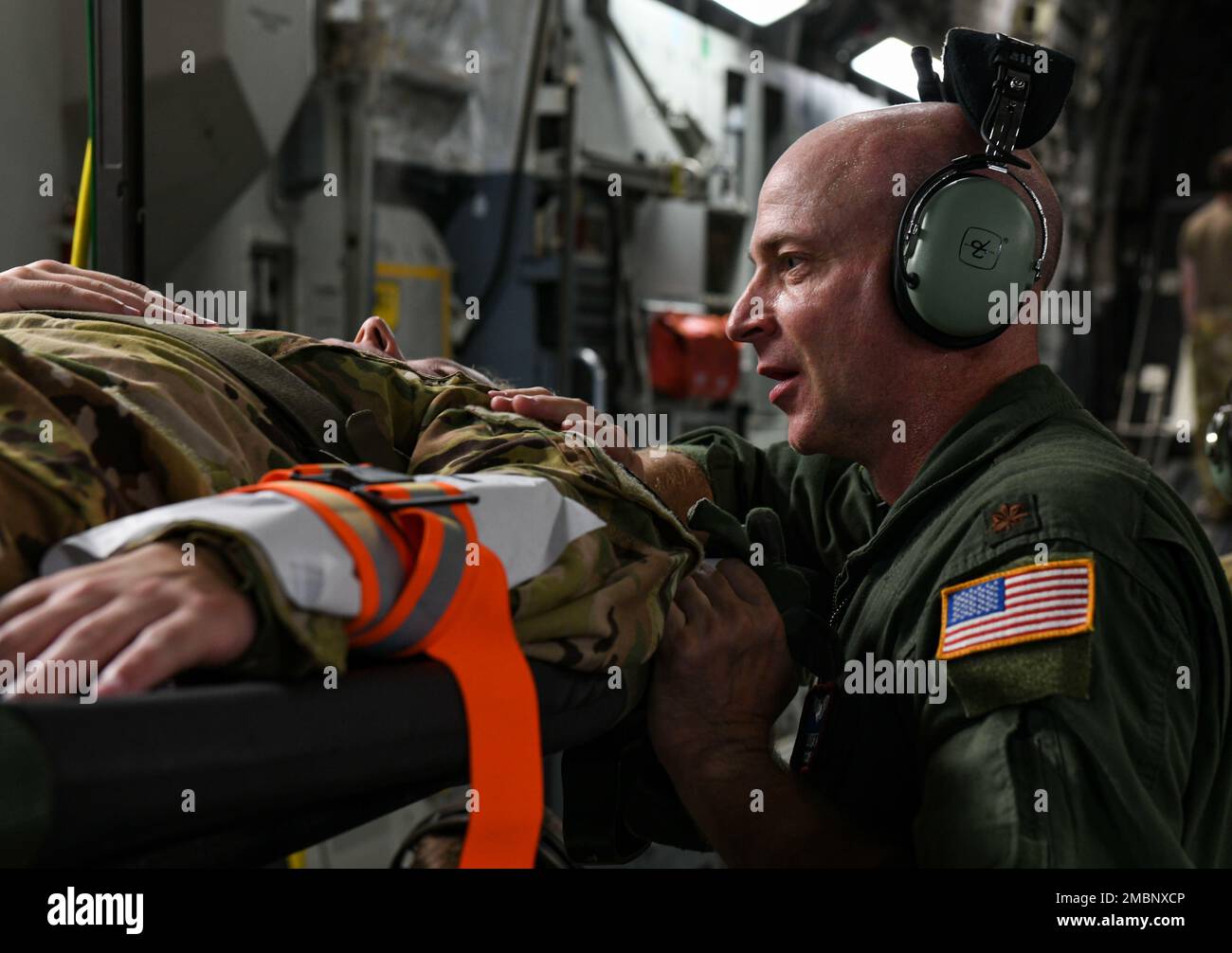
Fixed-wing aircraft (jets or turboprops) are the workhorses of long-distance patient relocation. These are utilized when a patient is stable enough to wait for a scheduled flight but too fragile to travel via commercial means. Typical scenarios include moving a patient closer to family or transferring to a rehabilitation facility in another state. These flights offer "bed-to-bed" service, meaning the flight coordinator manages the ground ambulance on both ends, ensuring a seamless handoff between medical teams.
Commercial Medical Escorts
For patients who are stable and can sit for long periods but require oxygen, medication administration, or monitoring, a commercial medical escort is often the most cost-effective solution. In this model, a flight nurse or paramedic accompanies the patient on a standard commercial airline, often in first or business class to allow for more space. This service is significantly less expensive than a private air ambulance but requires the patient to meet strict airline and FAA safety criteria.
The Regulatory Framework and Patient Protections
The legal landscape of patient flights is governed by both aviation and healthcare regulations. This intersection has historically created "gray areas" regarding billing and safety standards, but recent federal actions have provided much-needed clarity.
FAA Part 135 vs. Part 121
All commercial air medical operators must adhere to Federal Aviation Administration (FAA) standards. Most private air ambulances operate under Part 135, which dictates the safety and maintenance requirements for commuter and on-demand flights. Commercial airlines, used for medical escorts, operate under the more stringent Part 121. When selecting a provider, verifying their "Operator Certificate" ensures they are directly responsible for the flight's safety rather than acting as a mere broker.
The Impact of the No Surprises Act (NSA)
One of the most significant changes in the landscape since 2022, continuing into 2026, is the enforcement of the No Surprises Act. Prior to this legislation, patients often received "balance bills" totaling tens of thousands of dollars because the air ambulance provider was out-of-network.
The NSA now prohibits air ambulance providers from billing patients more than the in-network cost-sharing amount. While this has improved consumer protection, it has also led to more rigorous "Independent Dispute Resolution" (IDR) processes between insurers and flight providers. For the patient, this means the financial risk of a life-saving flight is capped, provided the flight is deemed medically necessary.
Analyzing the Cost Structure of Patient Flights
The cost of a patient flight in 2026 is determined by a combination of fixed operational costs and variable clinical requirements. Because these flights involve highly specialized personnel and aviation fuel, the price point remains high.
| Service Type | Estimated Cost Range (2026) | Primary Cost Drivers | Typical Coverage |
|---|---|---|---|
| Emergency Helicopter | $25,000 – $60,000 | Liftoff fee, mileage, specialized meds | Often covered (Emergency) |
| Fixed-Wing Air Ambulance | $30,000 – $100,000+ | Aircraft type, distance, medical crew | Varies; requires "Necessity" |
| Commercial Escort | $5,000 – $15,000 | Airline tickets, nurse fees, equipment | Rarely covered by insurance |
| International Repatriation | $50,000 – $200,000 | International permits, long-haul fuel | Travel insurance focus |
Understanding "Bed-to-Bed" Pricing
When evaluating a quote, it is crucial to ensure it is "all-inclusive." A true patient flight service includes:
- Ground ambulance transport at the origin and destination.
- The flight medical team (usually a Nurse/Paramedic or Nurse/Physician team).
- All medical supplies, including oxygen and specialized monitors.
- Coordination with the sending and receiving physicians.
If a quote seems unusually low, it may be because ground transport or specialized equipment (such as a bariatric lift or a neonatal isolette) is not included in the base price.
Quality Standards and Accreditation
Not all flight providers are created equal. In a landscape where technology is rapidly advancing, accreditation acts as the primary benchmark for quality.
CAMTS and NAAMTA
The Commission on Accreditation of Medical Transport Systems (CAMTS) is the gold standard for safety and quality in the U.S. An operator with CAMTS accreditation has undergone rigorous voluntary audits of their clinical protocols, pilot training, and safety management systems. The National Accreditation Alliance of Medical Transport Applications (NAAMTA) is another reputable body that focuses on ISO-standardized quality management.
Medical Crew Composition
In 2026, the standard for a high-acuity flight is a two-person medical team. The most common configuration is a Certified Flight Registered Nurse (CFRN) and a Flight Paramedic (FP-C). For pediatric or neonatal cases, a specialized respiratory therapist or neonatal nurse practitioner is often added. Patients and families should always ask about the specific certifications of the crew assigned to their flight.
Navigating Insurance and Medical Necessity
Securing insurance coverage for a patient flight remains one of the most challenging aspects of the landscape. Insurance companies use a strict definition of "Medical Necessity" to determine if they will pay for a transport.
- Clinical Justification: The insurance provider must be convinced that the patient's condition requires a level of care that can only be provided at the destination facility and that ground transport is clinically contraindicated (usually due to distance or time).
- Closest Appropriate Facility: Insurance will generally only pay for a flight to the closest facility capable of treating the patient. If a family chooses a facility further away for personal preference, they may be responsible for the difference in cost.
- Pre-Authorization: For non-emergency fixed-wing flights, pre-authorization is mandatory. This process involves submitting physician notes, current vitals, and a formal letter of medical necessity from the treating doctor.
Charitable and Low-Cost Alternatives
For those who do not meet the criteria for insurance coverage and cannot afford private transport, the U.S. landscape includes several charitable organizations.
- Angel Flight: A network of volunteer pilots who use their own aircraft to fly patients for treatment. These are generally for ambulatory patients who are stable and can fly in small, unpressurized planes.
- Corporate Angel Network (CAN): This organization coordinates empty seats on corporate jets for cancer patients traveling to treatment.
- Air Charity Network: A national umbrella group that directs families to regional specialized flight charities based on their location and medical needs.
While these services are invaluable, they often have strict financial and medical eligibility requirements and cannot be used for critical care or "bed-confined" patients.
Future Trends: Technology and Sustainability in 2026
The patient flight landscape is currently being reshaped by two major trends: AI-driven dispatch and Sustainable Aviation Fuel (SAF).
Artificial Intelligence is now used to optimize flight paths and predict weather patterns with greater accuracy, reducing the number of "weather-related cancellations" that can be devastating for a waiting patient. Furthermore, many air ambulance providers have begun transitioning their fleets to use SAF and even hybrid-electric propulsion for shorter hops, responding to both regulatory pressure and corporate social responsibility goals. These advancements are helping to stabilize operating costs in an era of fluctuating fuel prices.
FAQs
Will Medicare pay for a patient flight?
Medicare Part B covers emergency air ambulance services if the transport is medically necessary and the patient's condition requires immediate and rapid transport that ground transportation cannot provide. For non-emergency flights, Medicare coverage is extremely limited and requires a physician’s written order certifying that the patient is bed-confined or has a medical condition that prohibits other forms of transport.
What is the difference between a broker and an operator?
An operator owns the aircraft and employs the medical crew directly. A broker acts as an intermediary, finding an available aircraft from various operators. While brokers can offer more flexibility in scheduling, dealing directly with an accredited operator often provides more direct control over the quality of care and safety standards.
How long does it take to arrange a non-emergency patient flight?
For domestic flights within the U.S., a fixed-wing air ambulance can typically be launched within 24 to 48 hours. This time is required to verify medical records, secure ground ambulance coordination, and obtain insurance pre-authorization. Emergency flights are dispatched immediately upon receipt of the call.
Can a family member fly with the patient?
Most fixed-wing air ambulances allow at least one family member to accompany the patient at no extra cost, provided the patient’s condition and the aircraft's weight-and-balance limits allow it. In rotor-wing (helicopter) emergency flights, space is much more limited, and family members are rarely allowed to ride along.
Does the No Surprises Act cover ground ambulance too?
As of 2026, the No Surprises Act primarily covers air ambulance services and emergency hospital care. While there has been significant legislative discussion regarding ground ambulances, they are often governed by local and municipal contracts and may not fall under the same federal billing protections as air ambulances.
Practical Recommendation
When faced with the need for a patient flight, your first action should be to request a clinical consultation from a CAMTS-accredited provider. Do not start by looking at prices; start by having a medical professional review the patient’s current status to determine the minimum safe level of care. Once the medical requirements are established, contact your insurance provider’s "Case Management" department to identify in-network options and understand your specific policy’s definition of medical necessity. Taking these steps early can prevent both medical complications during transit and significant financial burdens after the flight is complete.
Image Gallery






.jpg)
