How to Find Out Taxable Income: A Comprehensive Guide for 2026
To find out your taxable income, you must subtract your "above-the-line" adjustments and your standard or itemized deductions from your total gross income. The resulting figure is the portion of your earnings that the government actual...
To find out your taxable income, you must subtract your "above-the-line" adjustments and your standard or itemized deductions from your total gross income. The resulting figure is the portion of your earnings that the government actually taxes after all legal exemptions and reductions have been applied.
Contents
Determining your taxable income is the most critical step in the tax preparation process. It is the specific dollar amount used to determine your tax bracket and the total tax liability you owe the federal government. While many taxpayers confuse "gross income" with "taxable income," the two figures are rarely the same. As we move through the 2026 tax year, understanding the nuances of these calculations is essential for accurate filing and effective financial planning.
The Three Pillars of Taxable Income Calculation
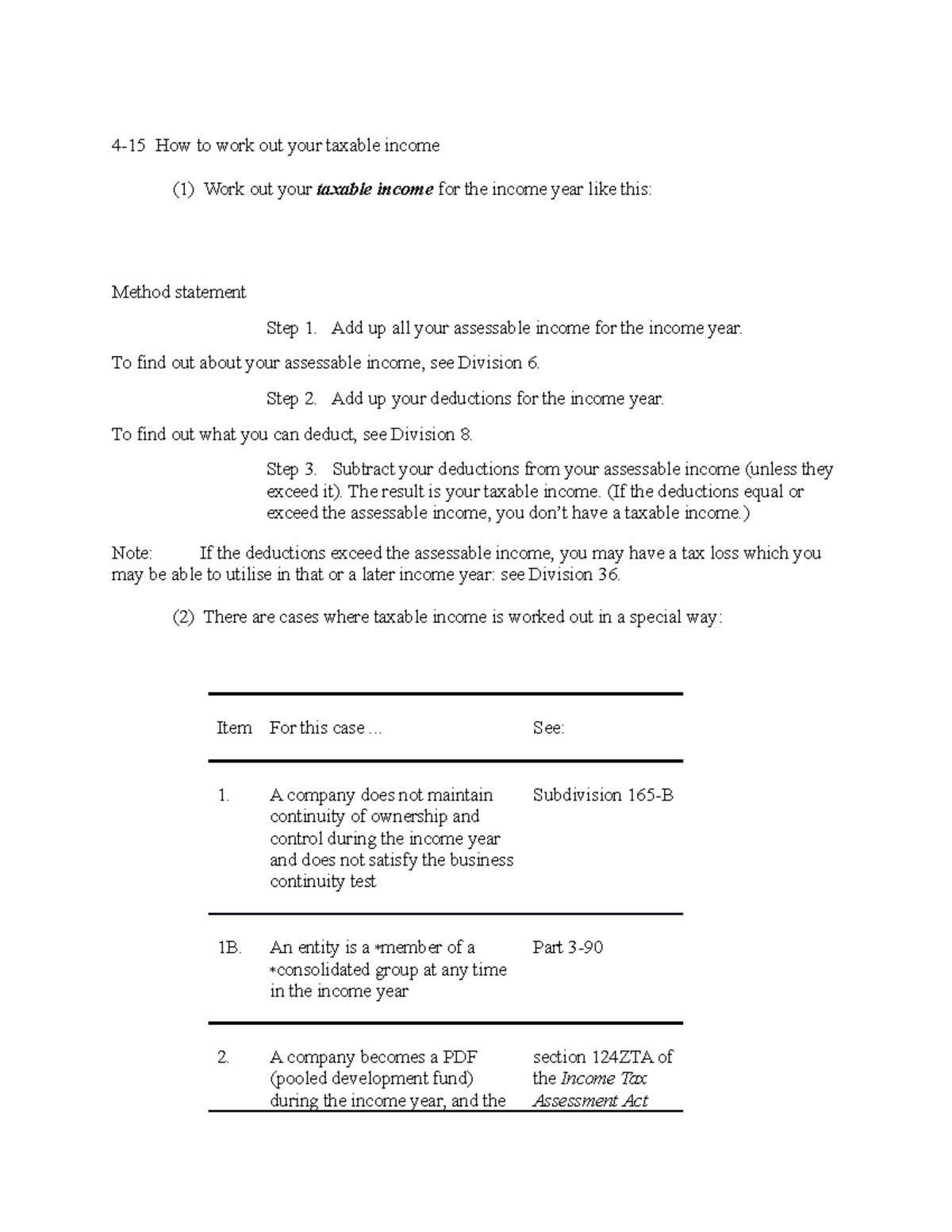
Finding your taxable income is not a single step but a three-stage mathematical progression. You must move from your total earnings to your Adjusted Gross Income (AGI), and finally to your taxable income.
1. Identifying Your Gross Income
Gross income serves as the starting point. It encompasses all income you received during the calendar year from all sources, unless specifically excluded by law. Common components include:
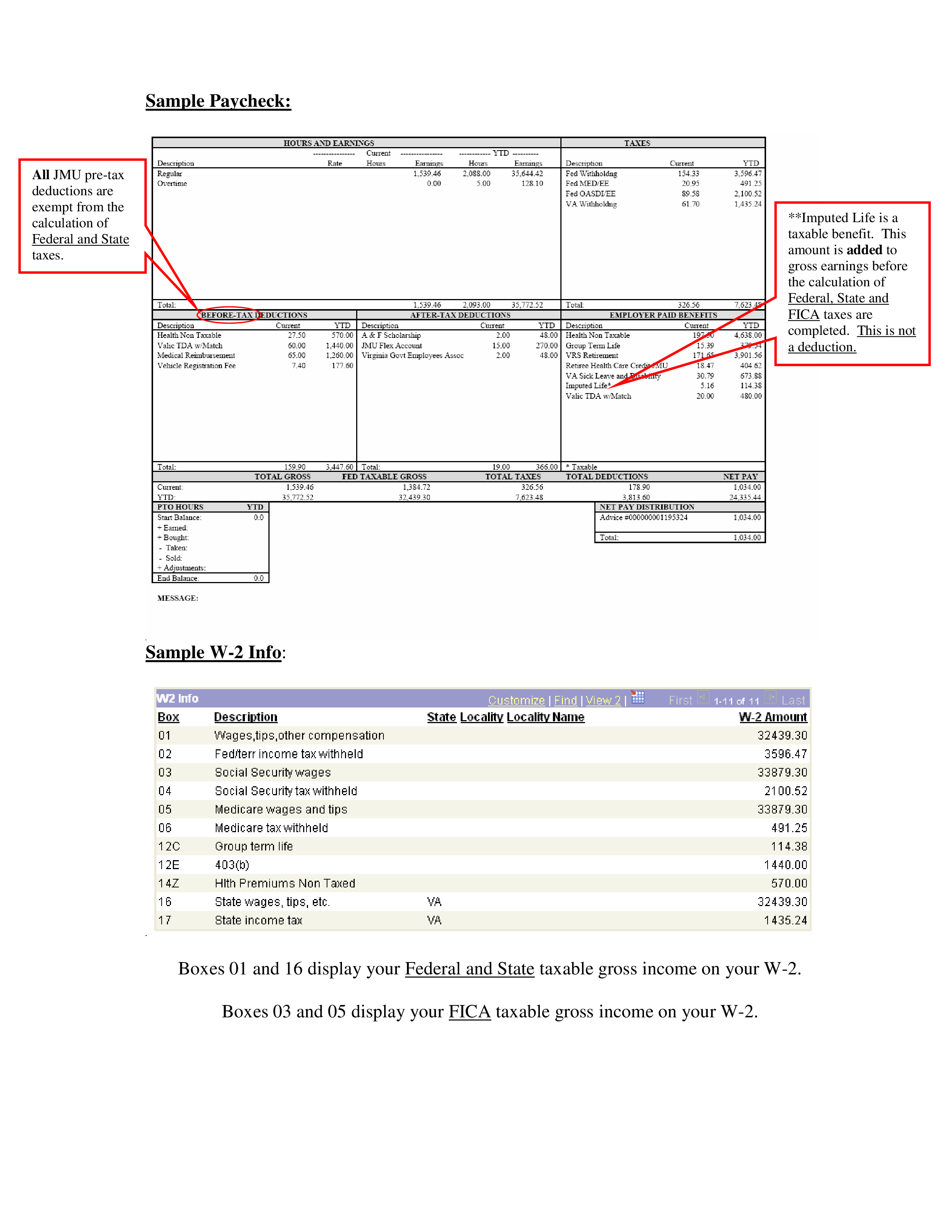
- Wages and Salaries: This is the "Box 1" amount found on your Form W-2.
- Self-Employment Income: Net profits from business activities, often reported on Schedule C.
- Investment Income: Interest from bank accounts, dividends from stocks, and capital gains from the sale of assets.
- Retirement Distributions: Taxable portions of pensions, annuities, or traditional IRA distributions.
- Other Income: This includes gambling winnings, jury duty pay, prizes, and awards.
2. Calculating Adjusted Gross Income (AGI)
Once you have your total gross income, you apply "above-the-line" adjustments. These are specific expenses that the IRS allows you to subtract directly from your total income regardless of whether you itemize your deductions. Calculating your AGI is vital because it often acts as a "gatekeeper" for various tax credits and the ability to claim certain deductions.
Common adjustments include:
- Student Loan Interest: Deductions for interest paid on qualified higher education loans.
- HSA Contributions: Contributions made to a Health Savings Account with after-tax dollars.
- IRA Contributions: Traditional IRA contributions for those who qualify based on income levels and workplace retirement plan availability.
- Educator Expenses: Unreimbursed costs for classroom supplies (up to specific limits).
- Self-Employment Taxes: The deductible portion (50%) of self-employment tax.
3. Applying the Final Deductions
The final step in finding your taxable income is subtracting your deductions from your AGI. For the 2026 tax year, taxpayers must choose between the standard deduction and itemized deductions.
The standard deduction is a fixed dollar amount based on your filing status (Single, Married Filing Jointly, Head of Household). Itemized deductions allow you to subtract specific expenses such as mortgage interest, state and local taxes (SALT), charitable contributions, and significant medical expenses. You should choose whichever option results in a lower taxable income figure.
Step-by-Step Instructions to Calculate Your Taxable Income
Following a structured process ensures you do not overlook potential reductions in your tax liability. Here is the operational sequence for 2026.
Step 1: Gather Documentation
Before you can run the numbers, you need the official reports of your earnings. Collect your W-2s, all variations of Form 1099 (1099-INT for interest, 1099-DIV for dividends, 1099-NEC for non-employee compensation), and records of any digital asset transactions.
Step 2: Sum Total Income
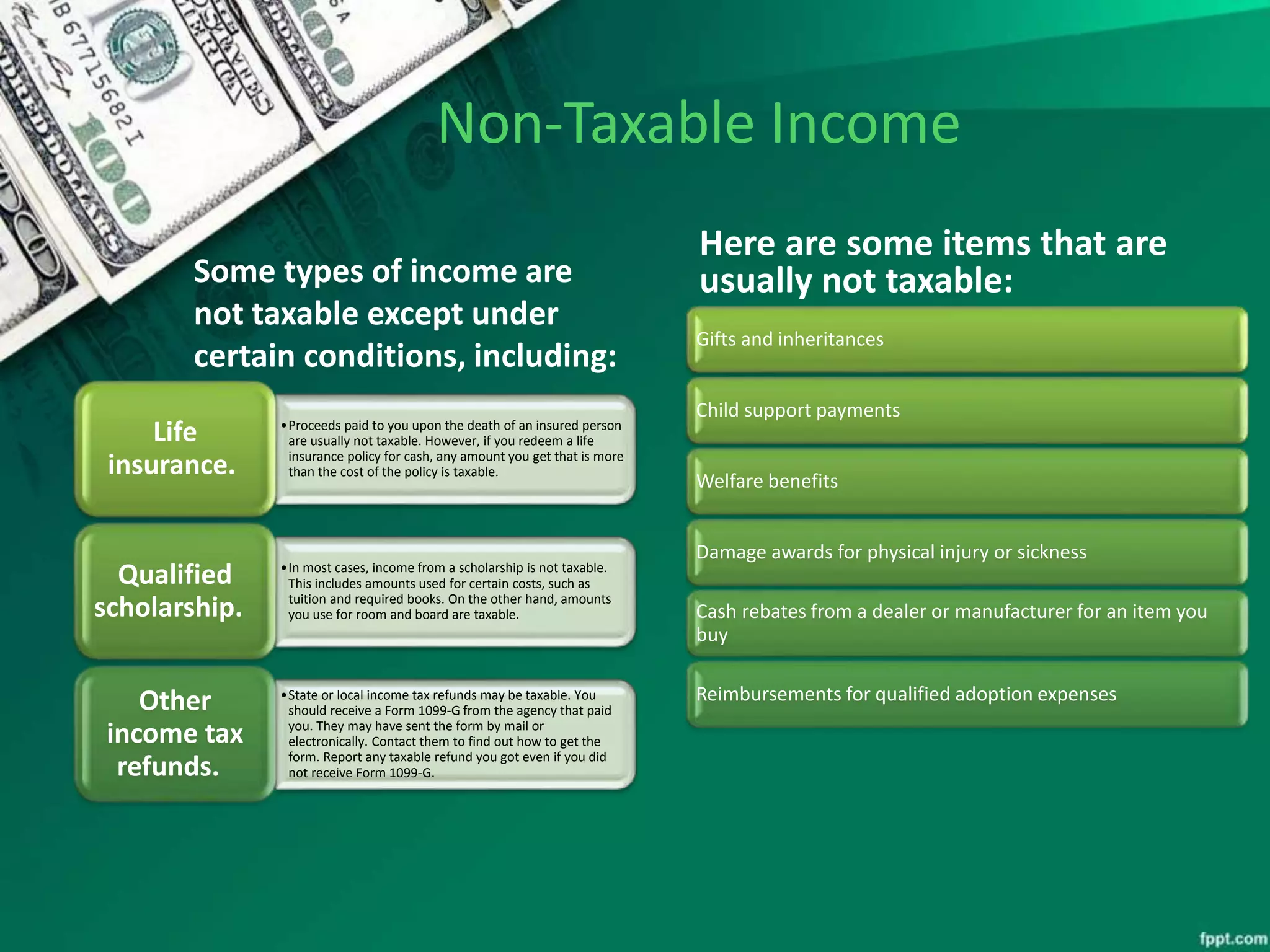
Add every source of taxable revenue. Remember that some income is non-taxable and should not be included in this sum, such as most municipal bond interest, life insurance proceeds, and child support payments.
Step 3: Subtract Adjustments to reach AGI
Identify all "adjustments to income" found on Schedule 1 of your tax return. Subtract these from your total income.
- Formula: Total Income - Adjustments = Adjusted Gross Income (AGI).
Step 4: Determine Your Deduction Strategy
Compare the 2026 standard deduction for your filing status against the sum of your itemized deductions. If your mortgage interest, charitable gifts, and allowed state taxes exceed the standard deduction, itemize. Otherwise, take the standard amount.
Step 5: Perform the Final Subtraction
Subtract your chosen deduction (standard or itemized) from your AGI. If you are a small business owner or freelancer, you may also be eligible for the Qualified Business Income (QBI) deduction, which is generally calculated as 20% of qualified business income and subtracted at this stage.
- Formula: AGI - (Deductions + QBI Deduction) = Taxable Income.
Comparative Overview of Income Types
Understanding the differences between these figures helps in interpreting tax forms and financial statements.
| Income Type | Definition | What is included/excluded? |
|---|---|---|
| Gross Income | Total wealth received. | Includes all wages, tips, and investment gains; excludes gifts and inheritances. |
| Adjusted Gross Income (AGI) | "The Middle Number." | Gross income minus specific adjustments like IRA contributions and student loan interest. |
| Taxable Income | The final taxable base. | AGI minus the standard or itemized deductions and the QBI deduction (if applicable). |
Where to Find These Figures on Your Tax Return
If you have already filed your taxes or are looking at a draft of your Form 1040, these figures are found on specific lines. While form layouts can undergo minor annual revisions, the general structure remains consistent:
- Total Income: Found near the bottom of the first page of Form 1040. This represents the sum of all your income streams.
- Adjusted Gross Income (AGI): This is usually found toward the end of the "Income" section. It is a critical figure used by states to determine state tax liability and by federal agencies to determine eligibility for financial aid (FAFSA).
- Taxable Income: This is typically one of the last lines on the first page of Form 1040, labeled "Taxable Income." This is the amount you look up in the IRS Tax Tables to find your actual tax owed.
Common Mistakes When Determining Taxable Income
Errors in finding your taxable income can lead to underpayment penalties or missed opportunities for refunds.
- Confusing AGI with Taxable Income: Many people assume their AGI is what they are taxed on. In reality, you are taxed on the lower figure (Taxable Income) after deductions are applied.
- Overlooking "Above-the-Line" Adjustments: Taxpayers often jump straight to the standard deduction and forget they can also subtract items like HSA contributions or educator expenses.
- Inaccurate Reporting of 1099 Income: The IRS receives copies of all 1099 forms. Failing to include interest income or freelance earnings in your gross income sum will trigger an automated notice.
- Ignoring Non-Taxable Income: Including items like veteran’s benefits or worker's compensation in your gross income will artificially inflate your taxable income, causing you to pay more than necessary.
The Impact of 2026 Legislative Changes
As of 2026, the tax landscape continues to be influenced by the sunsetting provisions of the Tax Cuts and Jobs Act (TCJA). Many of the individual income tax provisions that were in place from 2018 through 2025 were scheduled for revision. For 2026, it is vital to verify the current status of:
- Personal Exemptions: Whether personal exemptions have been reinstated or remain at zero.
- Itemized Deduction Limits: Changes to the $10,000 cap on State and Local Tax (SALT) deductions.
- Tax Brackets: Shifts in the percentage rates applied to your taxable income.
Taxpayers should consult the IRS website for the most current tax tables and deduction amounts specifically set for the 2026 filing year.
Frequently Asked Questions
Is my taxable income the same as my "take-home pay"?
No. Your take-home pay is your gross pay minus payroll withholdings like Social Security, Medicare, and health insurance premiums. Your taxable income is a calculation used only for your annual tax return and includes many factors (like investment gains or deductions) that aren't reflected in your weekly or monthly paycheck.
How can I lower my taxable income?
You can lower your taxable income by increasing your contributions to tax-advantaged accounts like a 401(k), 403(b), or a Traditional IRA. Additionally, maximizing your deductions (such as contributing more to charity if you itemize) directly reduces the final taxable figure.
Does the IRS provide a tool to find my taxable income?
The IRS provides the Interactive Tax Assistant (ITA), which can help you determine if specific types of income are taxable or if you are eligible for certain deductions. While it doesn't "find" the number for you, it guides you through the logic needed to calculate it.
What if my taxable income is zero?
If your deductions and adjustments are greater than your gross income, your taxable income is zero. In this scenario, you do not owe federal income tax, and you may be eligible for "refundable" tax credits, which could result in a refund even if you didn't pay any tax.
Do I need to include my spouse's income?
If you are filing "Married Filing Jointly," you must combine both spouses' gross incomes and adjustments to find a single, joint taxable income figure. If you file "Married Filing Separately," you only include your own income and adjustments.
Practical Next Action
To find your taxable income accurately for the 2026 tax year, begin by creating a simple spreadsheet or folder to track your gross income sources and your adjustments. Use the IRS Tax Withholding Estimator mid-year to see where your taxable income is trending. This proactive approach allows you to adjust your 401(k) contributions or charitable giving before the year ends, giving you direct control over your final taxable income figure.
Image Gallery