How to Choose Between CRM and ERP Software Like SAP in 2026
Choosing between CRM and ERP depends on your primary business bottleneck. You should prioritize Customer Relationship Management (CRM) if your goal is increasing sales and improving customer interactions. Opt for Enterprise Resource Pl...
Choosing between CRM and ERP depends on your primary business bottleneck. You should prioritize Customer Relationship Management (CRM) if your goal is increasing sales and improving customer interactions. Opt for Enterprise Resource Planning (ERP), such as SAP S/4HANA, if you need to integrate back-office processes like finance, inventory, and supply chain management into a single system.
Contents
Understanding the Fundamental Divide: CRM vs. ERP
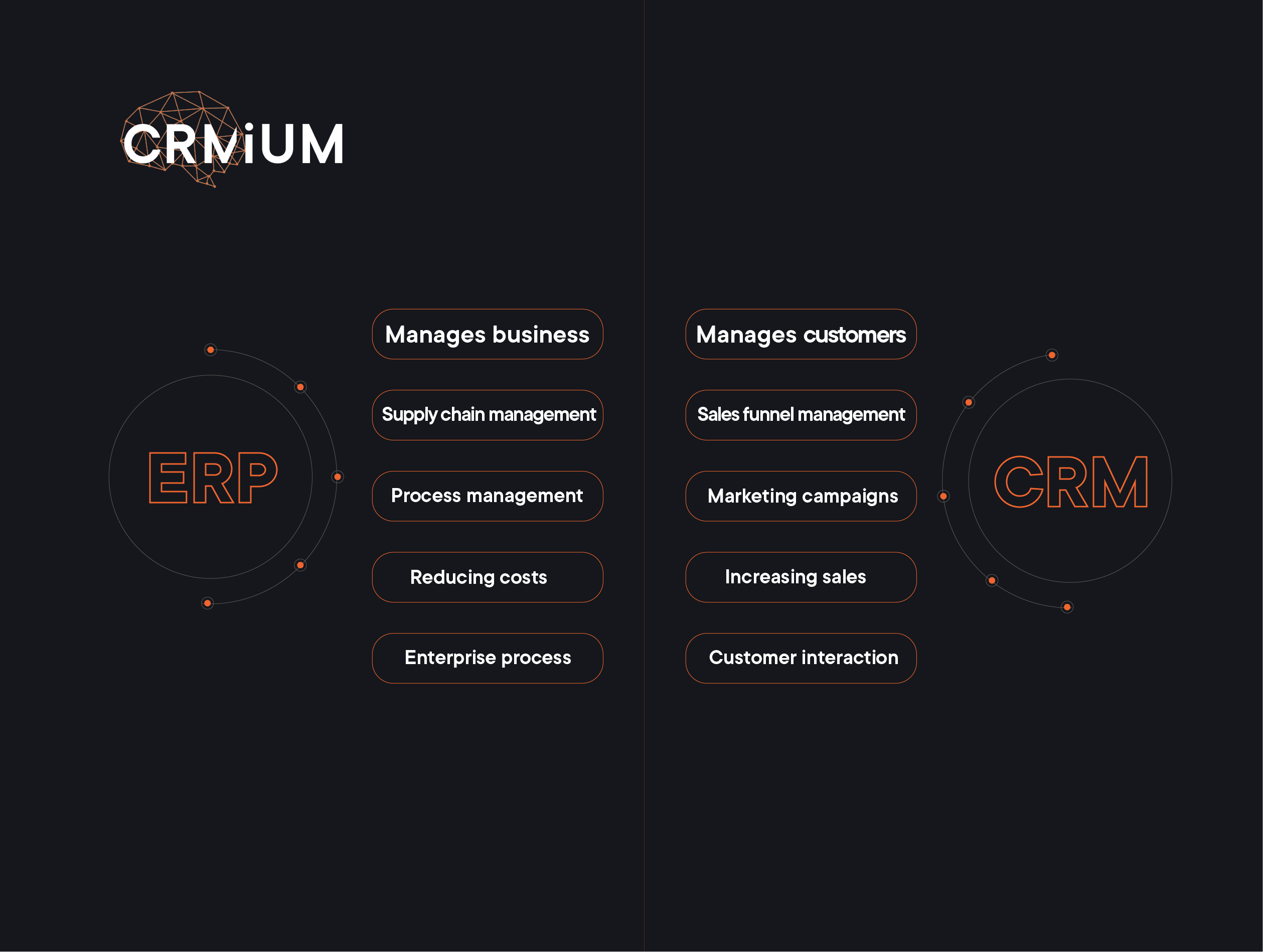
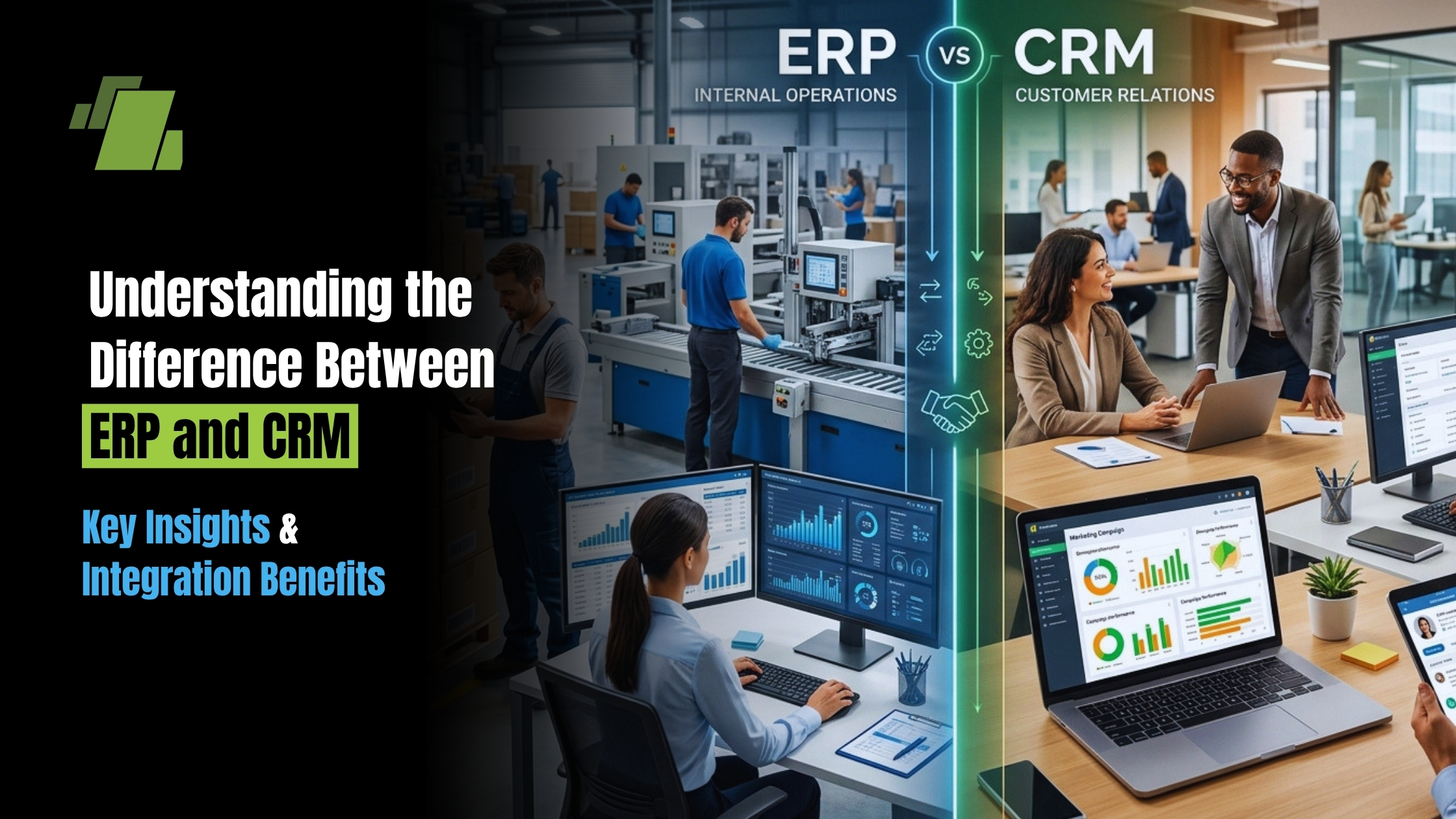
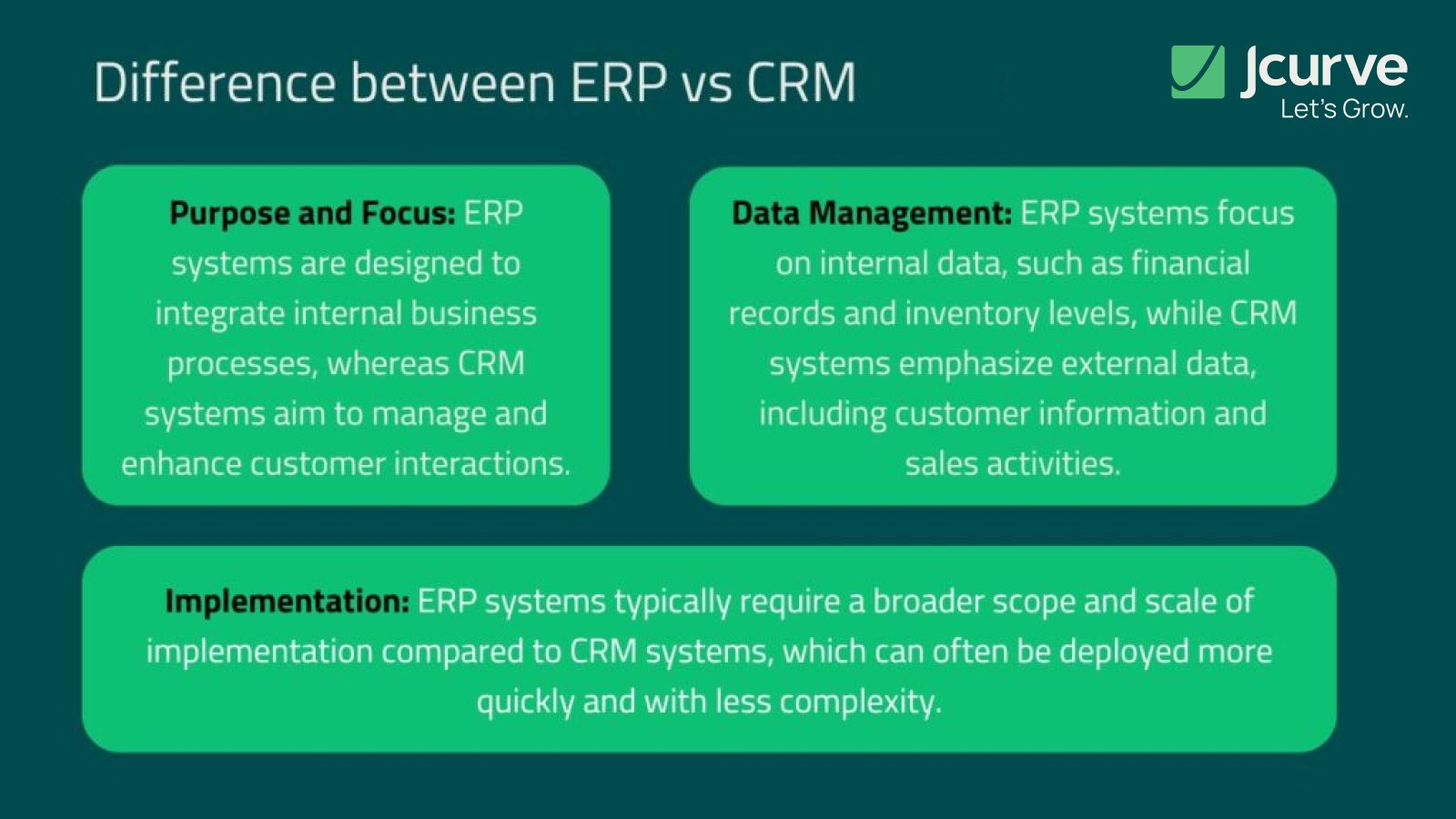
To make an informed decision in 2026, it is essential to understand that while both systems aim to increase profitability, they do so through different mechanisms. CRM focuses on the front office—the parts of your business that touch the customer. ERP focuses on the back office—the internal processes that keep the business running.
What is CRM?
CRM software is designed to manage every aspect of a company’s interaction with current and potential customers. It is the primary tool for sales, marketing, and customer support teams. By centralizing customer data, a CRM allows a business to track the lead lifecycle, automate email marketing, and manage support tickets.
In 2026, modern CRM platforms have evolved beyond simple databases. They now leverage generative AI to draft personalized sales pitches and predictive analytics to forecast which leads are most likely to close. The primary goal of a CRM is revenue growth through better customer acquisition and retention.
What is ERP (and the SAP Factor)?
ERP software is an integrated suite of applications that manage core business processes. Unlike a CRM, which is specialized, an ERP is holistic. It includes modules for accounting, human resources, manufacturing, supply chain, and procurement.
SAP is often the benchmark in this category. As of 2026, SAP S/4HANA represents the standard for intelligent enterprise resource planning. It provides a "single source of truth," ensuring that when a sales order is placed, the inventory levels update in real-time, the finance department sees the pending revenue, and the shipping department receives a notification—all within one system. The primary goal of an ERP is operational efficiency and cost reduction.
When to Prioritize CRM Software
If your business is currently struggling to find or keep customers, a CRM is likely your first priority. Implementing a CRM is generally faster and less disruptive than a full-scale ERP rollout.
1. Your Sales Pipeline is Opaque
If your sales managers cannot accurately predict next month's revenue or if sales representatives are losing track of follow-ups, your sales process is fractured. A CRM provides a visual pipeline that shows exactly where every lead stands.
2. High Customer Churn Rates
If you are losing customers because of poor communication or slow support response times, a CRM can centralize your support history. This ensures that every time a customer calls, the agent has a full history of their previous purchases and issues, leading to faster resolution and higher satisfaction.
3. Marketing Inefficiency
Without a CRM, marketing teams often fire off generic campaigns. A CRM allows for sophisticated segmentation based on purchase history, geography, or behavior. In 2026, this level of personalization is no longer optional; it is a baseline requirement for competitive markets.
When to Prioritize ERP Software Like SAP
If your business is growing but your internal processes are chaotic, an ERP is the necessary foundation. Large enterprises and manufacturing firms almost always require the robust capabilities of a system like SAP.
1. Disparate "Data Silos"
The most common sign that you need an ERP is that different departments are using different sets of data. If the finance team’s spreadsheets don’t match the warehouse’s inventory counts, you have a data silo problem. An ERP eliminates this by housing all data in a single database.
2. Complex Financial Reporting
For companies operating in multiple countries or dealing with complex tax regulations, manual accounting is a significant risk. SAP’s financial modules automate much of this, ensuring compliance with international standards and providing real-time visibility into cash flow.
3. Supply Chain and Inventory Struggles
If you frequently face stockouts or, conversely, have too much capital tied up in excess inventory, an ERP’s Material Requirements Planning (MRP) functionality is vital. It analyzes sales trends and production schedules to optimize stock levels automatically.
Technical Comparison: CRM vs. ERP
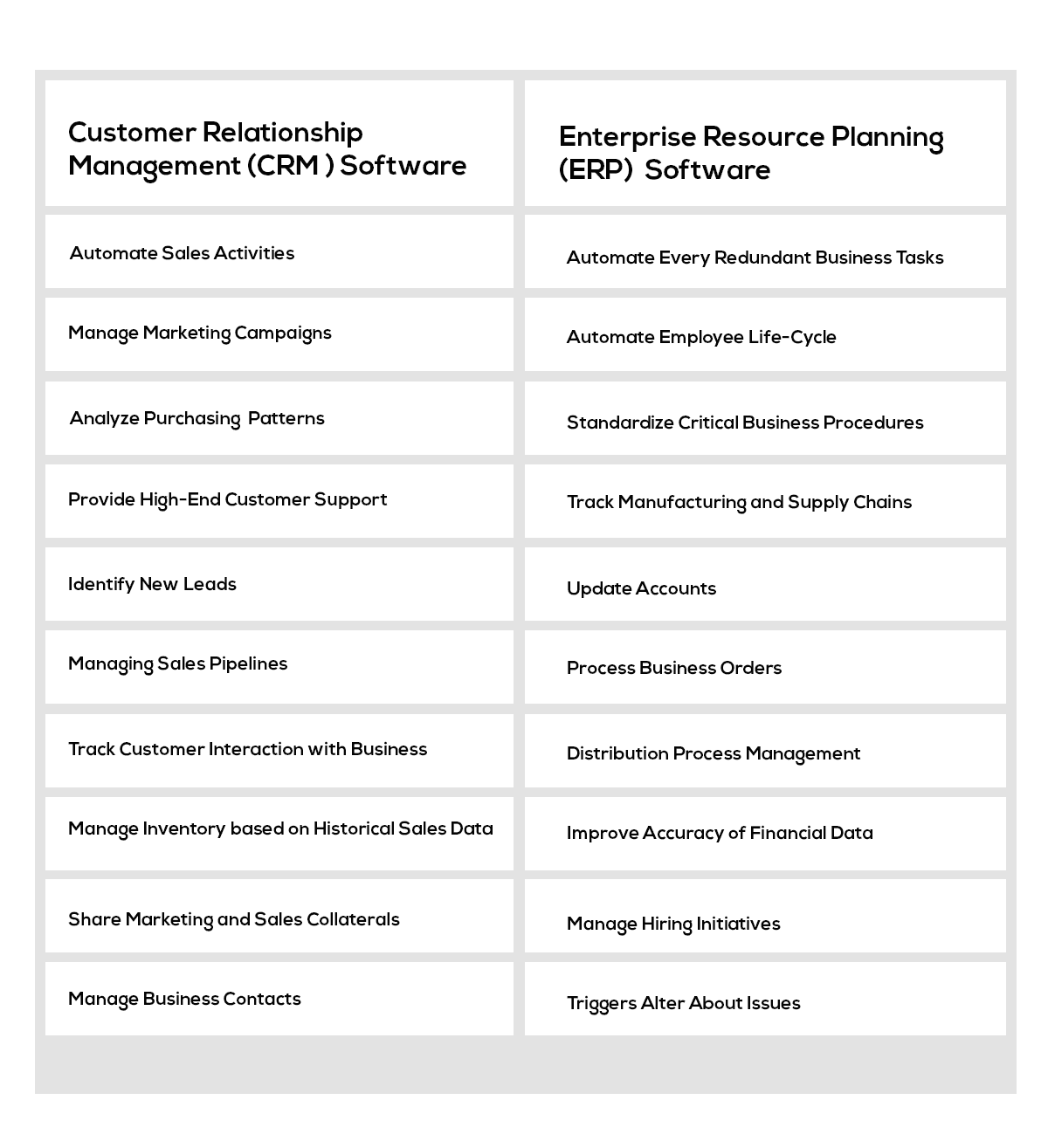
| Feature | CRM (e.g., Salesforce, HubSpot) | ERP (e.g., SAP S/4HANA, Oracle) |
|---|---|---|
| Primary Focus | Customer acquisition and retention | Process automation and integration |
| Main Users | Sales, Marketing, Customer Service | Finance, HR, Operations, Logistics |
| Data Managed | Leads, contacts, deals, support tickets | General ledger, payroll, SKUs, BOMs |
| Impact on Profit | Increases top-line revenue | Increases bottom-line efficiency |
| Implementation | Generally 1–6 months | Generally 6–24 months |
| Primary Metric | Customer Lifetime Value (CLV) | Return on Assets (ROA) / OpEx |
The "SAP Case": Why Businesses Often Choose Both
It is a misconception that you must choose only one. In fact, most mid-to-large enterprises in 2026 utilize both. SAP, for instance, offers both the S/4HANA ERP and a suite of CRM tools known as SAP Customer Experience (SAP CX).
The Power of Integration
When you integrate a CRM with an ERP, you create a seamless flow of information. For example, when a salesperson closes a deal in the CRM, the ERP automatically generates an invoice, triggers a production order in the factory, and updates the financial forecast. Without integration, someone would have to manually enter that data from the CRM into the ERP, creating opportunities for human error and delay.
The Cost Factor
Cost is a major differentiator. A CRM is often priced on a per-user, per-month basis and can be scaled up easily. An ERP implementation, especially one like SAP, involves significant upfront costs for licensing, consulting, and data migration. According to Gartner, ERP projects are among the most expensive IT investments a company can make, but they also offer the highest long-term ROI by eliminating redundant systems.
Key Considerations for the Decision-Making Process
Before committing to a vendor, your leadership team should answer the following questions:
- What is our biggest pain point? Is it "we can't sell enough" (CRM) or "we can't manage what we sell" (ERP)?
- What is our budget for implementation? ERPs require a larger capital expenditure (CapEx) and significant internal resources.
- Do we have the IT maturity? Implementing SAP requires dedicated project managers and clean data. If your data is currently a mess of unstandardized spreadsheets, you must clean it before any ERP can be effective.
- What is our industry? Professional services firms often lean more toward CRM. Manufacturing, distribution, and retail companies almost always find ERPs to be non-negotiable.
Common Pitfalls to Avoid
Over-Customization
Whether you choose a CRM or an ERP like SAP, avoid the urge to customize the software to fit your current (and perhaps inefficient) processes. Leading software providers build their systems based on "best practices." It is often cheaper and more effective to change your business processes to match the software than vice-versa.
Ignoring the Human Element
The technical implementation of SAP is often easier than the cultural shift it requires. Employees may resist the transparency and standardized workflows that an ERP imposes. Change management and comprehensive training are as important as the code itself.
Underestimating Integration Complexity
If you buy a CRM from one vendor and an ERP from another, do not assume they will "talk" to each other out of the box. Verify that the vendors have pre-built connectors or a robust API (Application Programming Interface) to allow for data synchronization.
FAQ
Can an ERP do what a CRM does? Many ERP systems, including SAP, include basic CRM modules. However, these modules often lack the deep marketing automation and user-friendly interface found in dedicated CRM platforms like Salesforce. If your sales needs are complex, a dedicated CRM is usually better.
Is SAP too big for a small business? SAP offers versions for different business sizes. While S/4HANA is for large enterprises, SAP Business One is designed specifically for small to mid-sized businesses (SMBs), offering ERP capabilities at a lower price point.
Which should I implement first? If you are a startup or a growing sales-led organization, start with a CRM to build your customer base. If you are an established company with operational bottlenecks or high overhead, prioritize an ERP to stabilize your foundation.
What is the average lifespan of these systems? A well-implemented CRM may last 5–7 years before a major overhaul. An ERP like SAP is often a 10–20 year investment, making the initial selection process incredibly high-stakes.
Next Steps for Your Organization
To choose correctly, begin by mapping your current business processes. Identify every point where data is manually entered or where one department has to call another to get information. If those points are mostly related to customers, start looking at CRM vendors. If those points are related to inventory, payroll, or financial reporting, request a demo for an ERP like SAP Business One or S/4HANA.
For most maturing companies in 2026, the ultimate goal should be an integrated environment where the CRM and ERP act as two halves of a single brain, providing a 360-degree view of both the customer and the internal operations.
Image Gallery