Ernie Johnson and His Role in MLB Broadcasting
Ernie Johnson Jr. serves as the primary studio host and veteran voice for Major League Baseball on TBS, a role he has held since the network acquired national postseason rights in 2007. While globally recognized for his basketball cove...
Ernie Johnson Jr. serves as the primary studio host and veteran voice for Major League Baseball on TBS, a role he has held since the network acquired national postseason rights in 2007. While globally recognized for his basketball coverage, Johnson’s MLB role is defined by his deep historical ties to the Atlanta Braves and his transition from a regional play-by-play announcer to a national lead for the MLB Postseason and Tuesday Night Baseball.
Contents
The Heritage of the Name: Resolving the Ernie Johnson Legacy
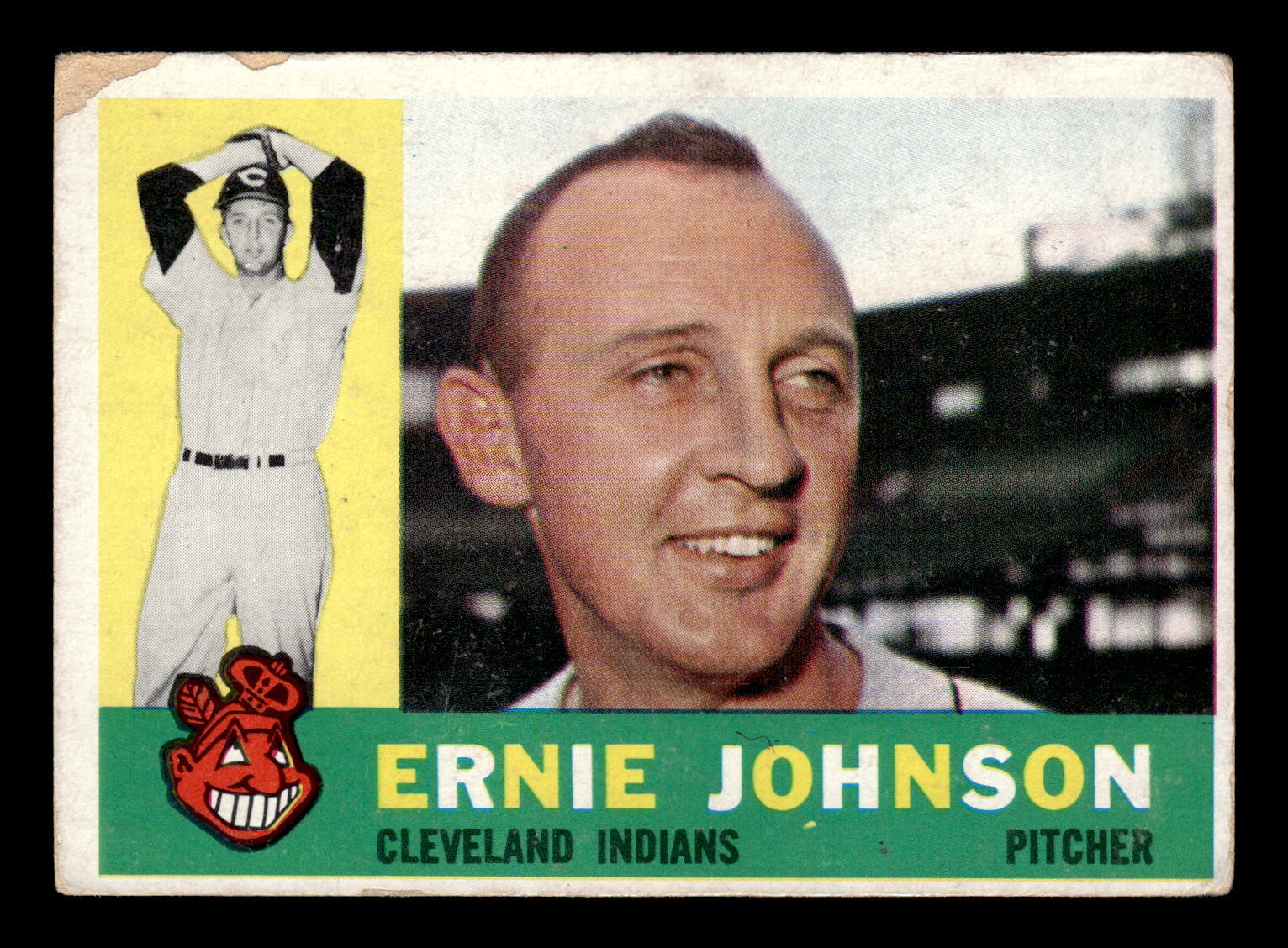
To understand Ernie Johnson Jr.’s role in MLB in 2026, one must first distinguish him from his father, Ernie Johnson Sr. The senior Johnson was a Major League pitcher who won a World Series with the Milwaukee Braves in 1957 before spending 35 years as a beloved play-by-play announcer for the Atlanta Braves. This lineage is not merely a biographical footnote; it is the foundation of "EJ’s" credibility within the sport.
Ernie Johnson Jr. did not simply inherit a seat in the booth; he grew up in the clubhouses of the 1960s and 70s. This early exposure granted him an intuitive understanding of the game’s "unwritten rules" and the psychological grind of a 162-game season. When he eventually joined his father in the Braves' broadcasting booth in the late 1980s, it marked the beginning of a multi-generational connection between the Johnson family and the sport of baseball. While Ernie Jr. is often associated with the frantic pace of the NBA, his MLB identity is rooted in the patient, narrative-driven storytelling that defines baseball broadcasting.
The Evolution of the MLB on TBS Partnership
The modern era of Ernie Johnson’s role in MLB began in earnest in 2007. When Turner Sports secured the rights to air a significant portion of the MLB Postseason—including the Division Series and League Championship Series—Johnson was the natural choice to lead the coverage.
His role has evolved through several distinct phases:
- Lead Play-by-Play Announcer (Early National Era): In the early years of the TBS contract, Johnson frequently called live games. His style was characterized by a "less is more" approach, allowing the ambient sounds of the stadium and the tension of the postseason to breathe.
- The Studio Anchor: As the production value of MLB on TBS expanded, Johnson shifted primarily into the role of studio host. Here, he became the "traffic controller" for a revolving door of analysts, ensuring that technical breakdowns of pitching mechanics or launch angles remained accessible to a general audience.
- Tuesday Night Baseball Lead: With the expansion of MLB’s partnership with Warner Bros. Discovery (WBD), Johnson became the face of the "Tuesday Night Baseball" franchise. This role requires a different cadence than the high-stakes postseason, focusing more on league-wide trends and player personalities.
Comparing Ernie Johnson’s Roles Across Sports
While the general public often views sports broadcasting as a monolithic skill set, the technical requirements for MLB coverage differ significantly from Johnson’s work in other leagues. In the NBA, the game is fast-paced and personality-driven. In MLB, Johnson must manage long periods of downtime and maintain viewer interest through statistical analysis and historical context.
| Feature | MLB on TBS Role | Inside the NBA Role |
|---|---|---|
| Primary Function | Studio Anchor / Occasional Play-by-Play | Lead Studio Moderator |
| Tone | Reverent, Analytical, Story-focused | Comedic, High-energy, Irreverent |
| Pace of Work | Slow-burn builds toward Postseason | Constant high-frequency highlights |
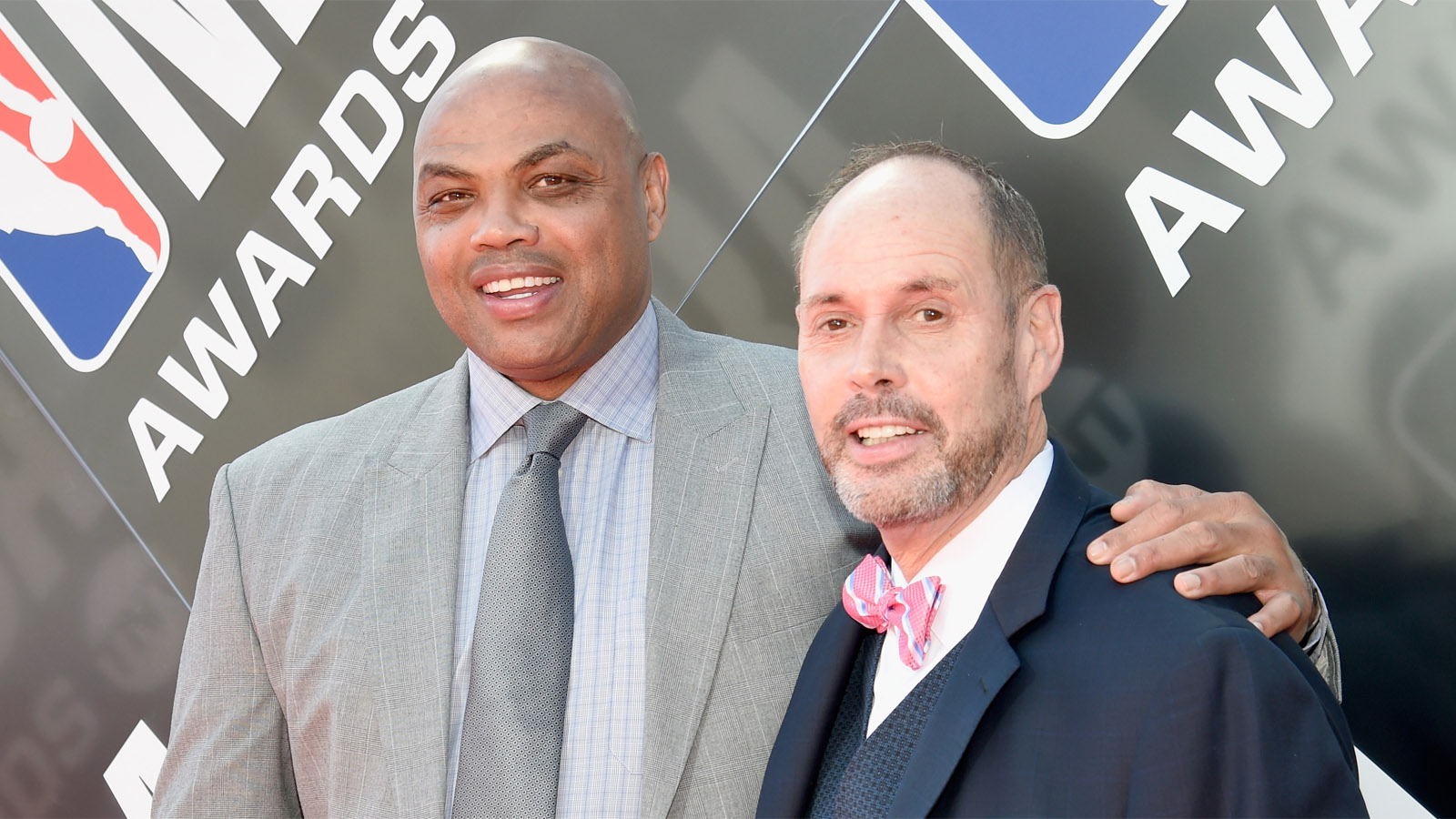
| Analyst Dynamic | Technical & Strategic (e.g., Pedro Martinez) | Personality & Opinion (e.g., Charles Barkley) |
| Preparation | Heavy reliance on Sabermetrics & History | Focus on Matchups & Star Narratives |
The "Studio Maestro": Managing the MLB on TBS Desk
One of Johnson’s most critical roles in MLB is his ability to manage elite-level analysts. Over the years, he has shared the desk with Hall of Famers and former All-Stars like Pedro Martinez, Jimmy Rollins, Curtis Granderson, and Ron Darling.
The technical depth of Johnson’s role involves "setting the table" for these experts. He is responsible for navigating the transition between live look-ins, advanced Statcast data, and human-interest stories. Unlike many hosts who rely strictly on teleprompters, Johnson is known for his extensive handwritten notes. This preparation allows him to pivot during a live broadcast when a game goes into extra innings or a pitcher loses a no-hitter in the 8th inning.
His role is to ensure that the "big personalities" on the set do not overshadow the game itself. In 2026, as MLB broadcasts integrate more real-time betting odds and complex analytics, Johnson acts as the bridge, translating high-level data into a narrative that resonates with the traditional baseball fan.
Resilience and the "Elevator" Philosophy in Baseball
Ernie Johnson’s role in MLB is also defined by his personal integrity and his openness about his life challenges. His battles with non-Hodgkin lymphoma and his family’s journey with adoption (documented in his book Unscripted) have made him a symbol of resilience within the baseball community.
In 2018, Johnson notably missed the MLB Postseason due to blood clots in his legs. The outpouring of support from players, managers, and fans across the league highlighted that his role is not just as a broadcaster, but as a respected elder statesman of the game. He famously uses the phrase "Be a basement-to-penthouse person," an "Elevator" philosophy that suggests treating the stadium's custodial staff with the same respect as the team's owner. This ethos has permeated the MLB on TBS production culture, creating a broadcast environment that feels more like a community than a corporate product.
Technical Contributions to MLB Broadcast Standards
Johnson has been instrumental in several shifts in how baseball is presented to a national audience:
- The Post-Game Wrap-up: Under Johnson’s leadership, the TBS post-game show became a destination for fans who wanted more than just highlights. He introduced a "roundtable" feel where analysts could debate the nuances of a manager's decision to pull a starter too early.
- Integration of Modern Analytics: While Johnson respects the "old school" traditions, he was an early adopter of integrating OPS+ (Adjusted On-base Plus Slugging) and ERA+ into the conversation, helping move the national discourse beyond basic batting averages.
- Mic’d Up Segments: Johnson often facilitates the transition to on-field interviews, where his respectful rapport with players leads to more candid responses than typical sideline reporting.
The Impact of Longevity
By 2026, Ernie Johnson Jr. has spent nearly four decades in the sports media landscape. In an industry characterized by frequent turnover and "hot take" culture, his role in MLB is a rare example of stability. He provides a link between the era of his father (the 1950s-90s) and the modern, tech-heavy game of the 2020s.
For the viewer, Johnson’s presence provides a "comfort factor." Whether he is hosting a Division Series game in October or a Tuesday night matchup in July, his voice signals that the broadcast will be handled with professionalism, historical accuracy, and a touch of genuine humility.
Frequently Asked Questions
Did Ernie Johnson Jr. play professional baseball like his father?No, Ernie Johnson Jr. did not play professional baseball. While he was an athlete in his youth—playing baseball through high school and into his early college years at the University of Georgia—he pivoted to journalism and broadcasting early in his career. His deep knowledge of the game comes from being raised in the environment of Major League clubhouses and working alongside his father for many years.
What awards has Ernie Johnson won for his MLB coverage?While Johnson is a multi-time Sports Emmy Award winner for "Outstanding Sports Personality – Studio Host," these awards typically recognize his collective work across both the NBA and MLB. However, his work on the MLB Postseason has been specifically cited for its excellence in pacing, interview quality, and the ability to maintain a high standard of journalism during live, unscripted moments.
Is Ernie Johnson still calling play-by-play for the Atlanta Braves?As of 2026, Johnson no longer calls regular-season games for the Atlanta Braves on a full-time basis. His primary commitment is to national broadcasts for Warner Bros. Discovery (TBS/Max). However, he remains a legendary figure in Atlanta sports and occasionally participates in special tribute events or regional broadcasts to honor his family's history with the franchise.
How does Ernie Johnson's role differ during the MLB Postseason versus the regular season?During the regular season (Tuesday Night Baseball), Johnson’s role is more educational and conversational, focusing on the broader health of the league. During the MLB Postseason, his role becomes much more intense. He anchors the pre-game, mid-game, and post-game shows, often managing 6 to 8 hours of live television daily. During the playoffs, he is responsible for synthesizing the high-stakes drama of every pitch into a coherent narrative for a massive national audience.
What is Ernie Johnson’s stance on the use of advanced analytics in MLB?Johnson acts as a neutral moderator between "traditionalists" and "sabermetricians." While he appreciates the clarity provided by advanced data (like Exit Velocity or Spin Rate), he frequently reminds viewers and his analysts that the "human element"—nerves, momentum, and veteran experience—still plays a vital role in the outcome of a game, particularly in the postseason.
Practical Recommendation for Fans
To truly appreciate Ernie Johnson's role in MLB, viewers should pay attention to his pre-game monologues during the League Championship Series (LCS). These segments often provide the historical context and emotional weight of the matchup, showcasing his skills as a writer and storyteller. Additionally, following the official MLB on TBS social media channels during the postseason provides behind-the-scenes access to the studio chemistry that Johnson facilitates.
Image Gallery