The Value of Biotech Research Institutes: Driving Innovation and Economic Growth in 2026
Biotech research institutes serve as essential engines for scientific advancement, bridging the gap between foundational discovery and clinical application. By providing specialized infrastructure, fostering interdisciplinary collabora...
Biotech research institutes serve as essential engines for scientific advancement, bridging the gap between foundational discovery and clinical application. By providing specialized infrastructure, fostering interdisciplinary collaboration, and derisking early-stage innovation, these institutions accelerate the development of life-saving therapeutics and sustainable biological solutions that are otherwise unattainable for individual startups or academic labs.
Contents
Bridging the "Valley of Death" in Drug Discovery
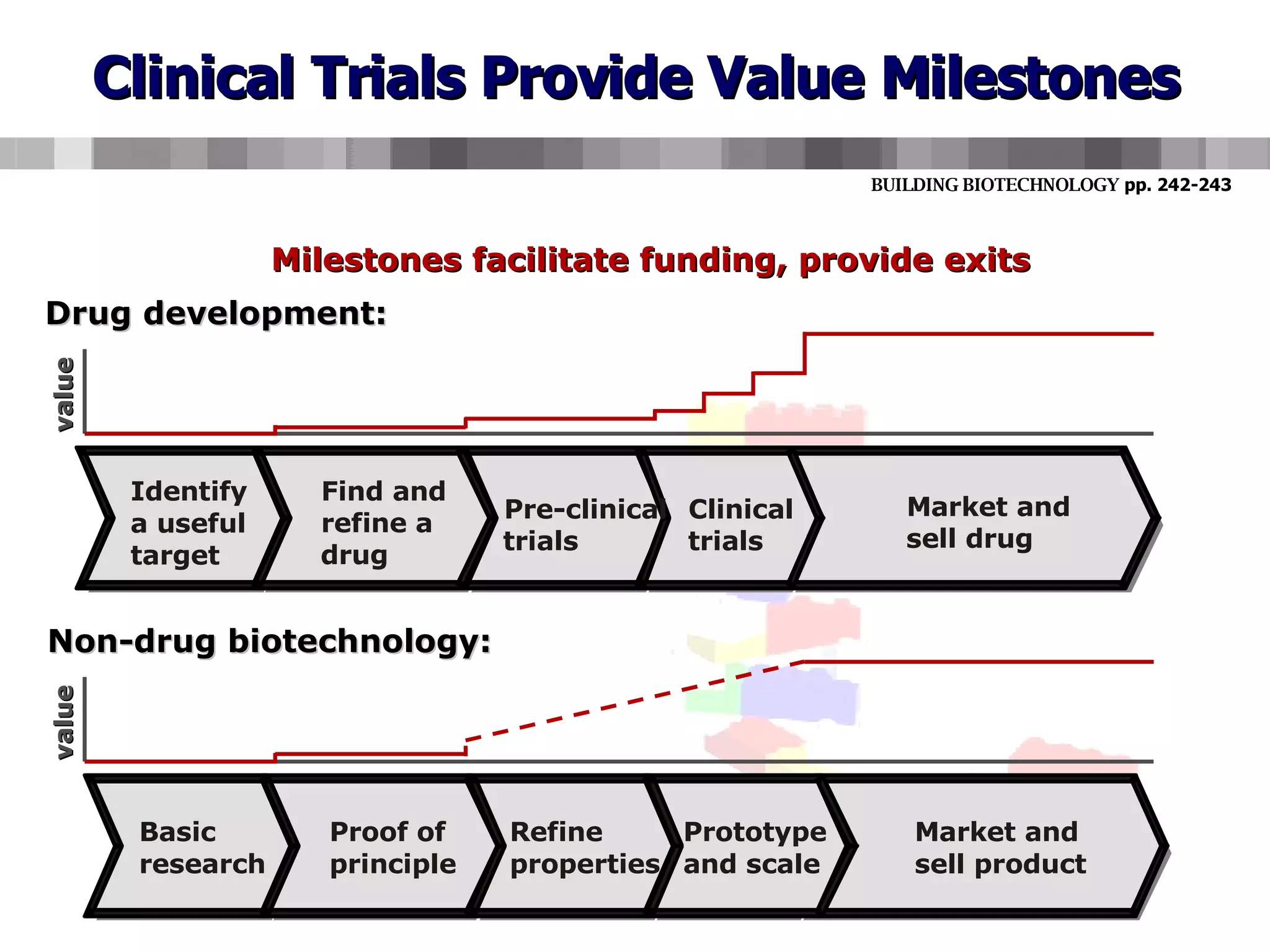
In the lifecycle of a biological innovation, the "Valley of Death" represents the precarious transition between a laboratory discovery and a viable commercial product. Biotech research institutes are uniquely positioned to navigate this phase. Unlike traditional universities, which prioritize pedagogical goals and fundamental knowledge, or pharmaceutical corporations, which focus on late-stage clinical trials and market return, research institutes operate in the middle ground.
The value of these institutes lies in their ability to translate basic science into proof-of-concept. This involves identifying a biological target—such as a specific protein involved in a disease—and developing a molecule or gene therapy that can effectively interact with it. Because this process is high-risk and high-cost, private investors are often reluctant to provide capital until the science is "derisked." Biotech research institutes provide the necessary validation, making the project attractive for subsequent venture capital or acquisition by major pharmaceutical players.
By 2026, the integration of artificial intelligence (AI) and machine learning (ML) within these institutes has significantly compressed the time required for this transition. Institutes now utilize autonomous labs and predictive modeling to simulate molecular interactions, reducing the reliance on trial-and-error experimentation. This technological integration enhances the value of the institute by maximizing the throughput of successful candidates entering the clinical pipeline.
Providing Specialized Infrastructure and Shared Resources
Biotechnology is an infrastructure-heavy industry. The equipment required for modern genomic sequencing, protein crystallization, or high-throughput screening is prohibitively expensive for most early-stage companies and many academic departments. Biotech research institutes centralize these high-cost assets, creating a shared resource model that democratizes access to cutting-edge technology.
Key infrastructure components typically found in these institutes include:
- Next-Generation Sequencing (NGS) Facilities: Essential for precision medicine and genomic surveillance.
- Cryo-Electron Microscopy (Cryo-EM): Allows for the visualization of biological molecules at atomic resolution, which is vital for structure-based drug design.
- Bio-Foundries: Automated facilities that enable the rapid design, build, and testing of synthetic biological systems.
- Cleanroom Facilities: Necessary for the manufacturing of cellular therapies and biological scaffolds under sterile conditions.
By maintaining these facilities, research institutes reduce the overhead costs for resident scientists and partner organizations. This efficiency is a primary driver of value, as it allows researchers to focus their budgets on talent and experimentation rather than capital equipment maintenance. In the current 2026 landscape, the "cloud lab" model—where researchers can remotely direct experiments conducted in these high-end facilities—has further expanded the reach and utility of institutional infrastructure.
Fostering Interdisciplinary Collaboration
The most complex problems in modern biology—such as neurodegenerative diseases, antimicrobial resistance, and climate-resilient crops—cannot be solved through a single discipline. Biotech research institutes are designed to break down academic silos. They bring together molecular biologists, computational scientists, chemists, and clinical physicians under one roof.
This proximity facilitates "intellectual cross-pollination." A computational biologist might develop a new algorithm for protein folding that a medicinal chemist immediately uses to refine a drug candidate. This collaborative environment is often formalised through joint appointments and multi-investigator grants, ensuring that projects benefit from diverse perspectives from inception.
Furthermore, these institutes act as a neutral ground for public-private partnerships. They allow academic researchers to engage with industry experts without the immediate pressure of commercial quarterly results. This synergy accelerates the pace of discovery and ensures that research remains grounded in practical, real-world applications.
Economic Impact and Regional Competitiveness
Biotech research institutes are powerful catalysts for regional economic development. They serve as the anchor for "biotech clusters," attracting talent, investment, and ancillary services to a specific geographic area. The presence of a world-class institute signals to the global market that a region possesses the human capital and infrastructure necessary for high-tech industry.
Job Creation and Talent Retention
The value extends beyond the scientists themselves. These institutes create a demand for a highly skilled workforce, including laboratory technicians, bioinformaticians, patent attorneys, and specialized facility managers. By providing high-quality employment opportunities, they help regions retain the graduates of their local universities, preventing "brain drain" and ensuring long-term economic stability.
The Multiplier Effect
Economic studies have consistently shown that investment in biotech research yields a high multiplier effect. For every dollar of public or philanthropic funding invested in a research institute, several dollars are typically generated in the local economy through follow-on private investment, the formation of spin-off companies, and the consumption of local services. By 2026, these clusters have become essential for national economic resilience, as seen in the rapid domestic response capabilities for biological threats.
Comparison of Research Environments
Understanding the specific value of a biotech research institute requires comparing it to other organizational models in the ecosystem.
| Feature | Independent Research Institute | University Department | Corporate R&D Center |
|---|---|---|---|
| Primary Mission | Specialized scientific advancement | Education and fundamental research | Product development and profit |
| Risk Tolerance | High (Exploratory & Applied) | Very High (Foundational) | Low to Moderate (Market-focused) |
| Funding Model | Grants, Philanthropy, IP Licensing | Government grants, Tuition | Internal revenue, VC, Shareholders |
| IP Strategy | Flexible commercialization | Complex university bureaucracy | Highly proprietary and closed |
| Infrastructure | Centralized, specialized hubs | Fragmented across labs | Proprietary and restricted |
| Timeline | Medium-term (5-10 years) | Long-term (10-20 years) | Short-term (1-5 years) |
Intellectual Property and Commercialization Pathways
The value of biotech research institutes is often measured by their output of Intellectual Property (IP). Unlike universities, where the primary output is peer-reviewed publications, research institutes are increasingly focused on the quality and "licensability" of their patents.
Effective institutes maintain robust Technology Transfer Offices (TTOs). These offices manage the process of patenting discoveries and finding the right commercial partners to take those discoveries to market. In 2026, the trend has shifted toward "founder-friendly" licensing terms, where the institute takes an equity stake in a spin-off company rather than demanding high upfront fees. This aligns the institute's interests with the long-term success of the startup, further fueling the biotech ecosystem.
Addressing Global Challenges and Pandemic Preparedness
The value of biotech research institutes became indisputable during the global health crises of the early 2020s. In 2026, these institutions remain the first line of defense in pandemic preparedness. Their ability to rapidly pivot their focus toward genomic surveillance, viral characterization, and vaccine platform development is a critical component of national security.
Beyond human health, these institutes are also tackling the climate crisis. Research into synthetic biology is yielding microbes that can sequester carbon more efficiently, biodegradable plastics derived from seaweed, and nitrogen-fixing crops that reduce the need for chemical fertilizers. The environmental value provided by these innovations is difficult to quantify in purely financial terms but is essential for global sustainability.
FAQs
How do biotech research institutes differ from pharmaceutical companies?
Biotech research institutes focus on the early stages of discovery and the "proof-of-concept" phase, whereas pharmaceutical companies generally focus on large-scale clinical trials, regulatory approval, and global distribution. Institutes take on the high-risk science that a commercial entity might find too speculative to fund initially.
Why is philanthropic funding important for these institutes?
Philanthropic funding allows institutes to pursue "high-risk, high-reward" research that might not fit the narrow criteria of government grants or the immediate ROI requirements of venture capital. This "patient capital" is often what leads to the most significant scientific breakthroughs.
Can startups access the resources of a biotech research institute?
Yes, many institutes offer "incubator" programs or shared-use agreements. These arrangements allow startups to lease lab space and use specialized equipment without having to build their own facilities, significantly lowering the barrier to entry for new companies.
How do these institutes impact the cost of healthcare?
By streamlining the early stages of drug discovery and improving the success rate of clinical candidates, biotech research institutes help reduce the overall cost of R&D. While drug pricing is a complex issue involving many factors, more efficient discovery processes are a prerequisite for more affordable therapies in the long run.
What is the role of AI in biotech research institutes in 2026?
AI is now integrated into almost every facet of research, from predicting protein structures to optimizing metabolic pathways in synthetic organisms. Institutes provide the massive datasets and computational power required to train these models, making them the primary hubs for "digital biology."
How do research institutes contribute to the local workforce?
They provide specialized training and internships for graduate students and post-doctoral fellows, preparing them for careers in both academia and industry. This creates a pipeline of talent that is essential for the growth of the regional biotech sector.
Recommendation for Stakeholders
For policymakers and investors in 2026, the recommendation is clear: prioritize the sustainability of independent biotech research institutes. These entities are the vital link in the innovation chain. To maximize their value, stakeholders should support "translational" funding mechanisms that specifically target the gap between lab results and commercial viability. Furthermore, fostering open-access agreements for institutional infrastructure can ensure that the next generation of scientific talent has the tools necessary to solve the most pressing biological challenges of our time.
Image Gallery