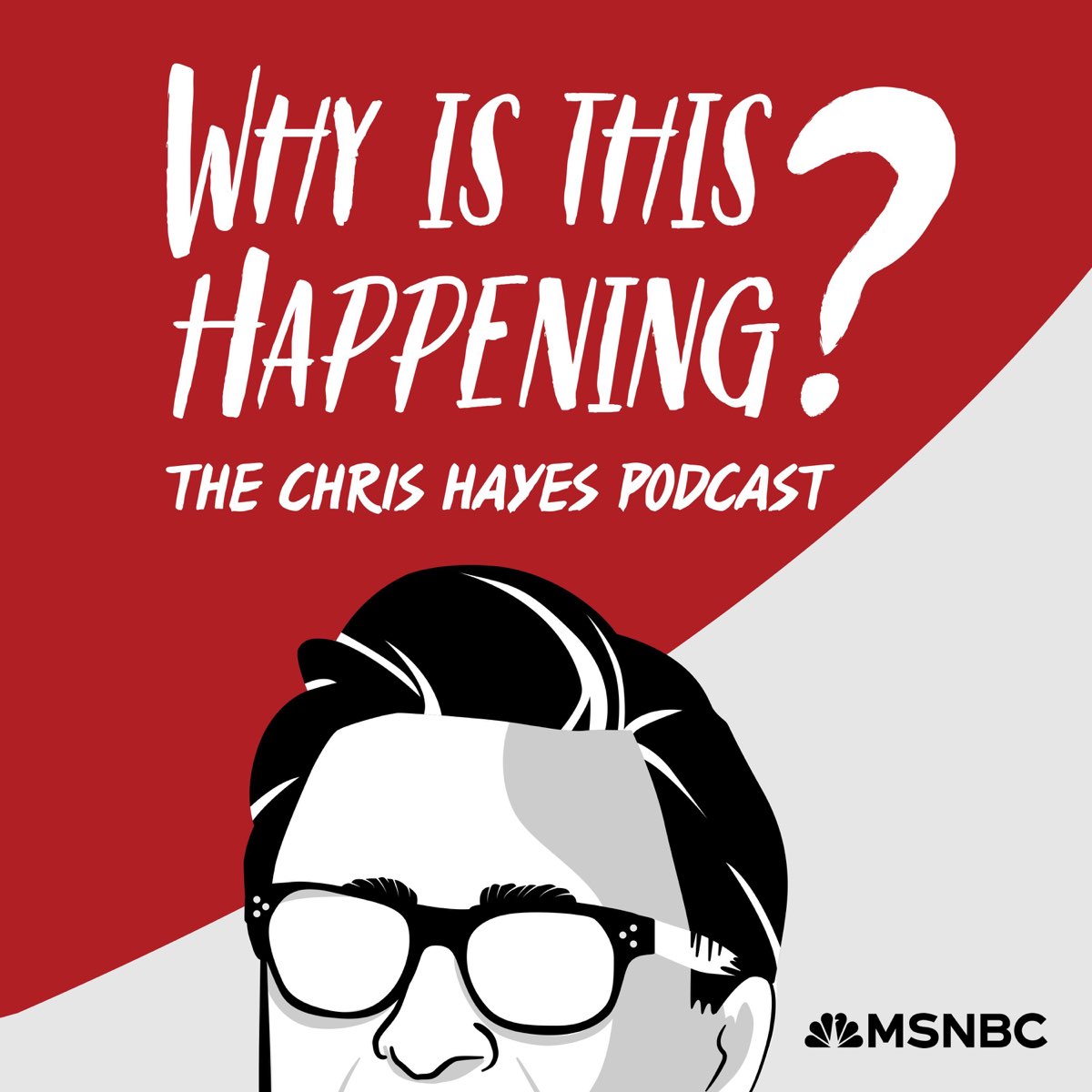
Why the Picture of Chris Hayes Belongs on Getty Images
Pictures of Chris Hayes belong on Getty Images because he is a prominent public figure and newsmaker whose likeness is essential for global editorial coverage. Getty Images provides the professional infrastructure to host, verify, and...
Pictures of Chris Hayes belong on Getty Images because he is a prominent public figure and newsmaker whose likeness is essential for global editorial coverage. Getty Images provides the professional infrastructure to host, verify, and license these photographs, ensuring that media outlets can access high-quality, legally cleared imagery for reporting while protecting the intellectual property rights of photographers.
Contents
The presence of a public figure like Chris Hayes—host of MSNBC's All In with Chris Hayes—on a platform like Getty Images is not an accident of the internet; it is a calculated necessity of the modern media ecosystem. Getty Images acts as a bridge between the moment a photo is taken and the moment it appears in a digital article, a television broadcast, or a print magazine. For a journalist and political commentator of Hayes’s stature, his image is more than just a portrait; it is a piece of editorial currency used to illustrate news cycles, media critiques, and historical records of American journalism in 2026.
The Role of Getty Images in Modern Journalism
Getty Images serves as one of the world’s largest and most respected repositories of visual content. Its primary function for newsmakers like Chris Hayes is to provide a centralized marketplace for editorial photography. Unlike creative or commercial photography, which may be staged for advertisements, editorial photography focuses on documenting real-life events, people, and places in a way that is truthful and informative.
When a photographer captures Chris Hayes at a press gallery, a book signing, or during a live broadcast, that image enters a rigorous pipeline. Getty’s role is to ensure that the image is metadata-rich, meaning it contains specific details regarding the date, location, and context of the photo. This level of detail is why his pictures "belong" there; without a professional agency, the media world would be forced to rely on unverified social media captures that lack the resolution and legal vetting required for professional publication.
Furthermore, Getty Images provides a crucial archival service. In 2026, looking back at the evolution of cable news requires a visual trail. By hosting images of Hayes across different stages of his career, Getty preserves a visual history of media trends, shifts in broadcast technology, and the changing face of political commentary.
Defining the Editorial Classification for Public Figures
The reason Chris Hayes is featured so prominently on Getty is tied to his status as a "public figure." In the realm of photography and intellectual property law, public figures have a different set of privacy expectations than private citizens. Because Hayes is a news anchor and a participant in the public discourse, his actions and appearances are considered newsworthy.
Copyright Ownership and the Path to Getty
Most photographs of Chris Hayes on Getty Images are not uploaded by Hayes himself. Instead, they come from three primary sources:
- Staff Photographers: Getty employs professional photojournalists who are assigned to cover media events, political conventions, and industry awards.
- Wire Service Partners: Getty distributes images from other major agencies like Agence France-Presse (AFP). If an AFP photographer captures Hayes at an international summit, Getty serves as the platform for North American licensing.
- Network Publicity: Organizations like NBCUniversal (the parent company of MSNBC) often provide "handout" photos to Getty. These are professionally shot studio portraits intended for use by other news outlets to promote Hayes's show or appearances.
Each of these sources requires a professional platform to manage the transfer of rights. When a digital newspaper wants to run a story about cable news ratings, they do not simply "take" a photo from the internet. They go to Getty to purchase a license, which ensures the original photographer or the network is compensated for their work.
The Difference Between Commercial and Editorial Use
A common misconception is that because a photo is on Getty, it can be used for anything. However, most pictures of Chris Hayes are strictly marked for Editorial Use Only. This is a vital distinction that explains why they belong on the platform.
Editorial licensing means the image can be used to describe or illustrate a matter of public interest—such as a news report or an educational video. It cannot be used to sell a product or endorse a brand without a separate, much more complex "commercial" agreement. By keeping these images on Getty, the agency protects Hayes from unauthorized commercial exploitation while still allowing the press to do their jobs.
Technical Requirements for Getty Editorial Content
Getty Images maintains incredibly high standards for the content it hosts. A "picture of Chris Hayes" only makes it onto the platform if it meets specific technical and ethical criteria. This professional barrier to entry is why Getty remains the gold standard for media organizations.
- Veracity and Ethics: Editorial images cannot be manipulated. While basic color correction is allowed, photographers are forbidden from adding or removing elements of the scene. In an era where AI-generated imagery is becoming more common, Getty’s commitment to "authentic" photography is why a verified photo of Hayes is so valuable.
- Metadata Accuracy: Every image must have a caption that answers the "who, what, where, and when." For example: "NEW YORK, NY - MAY 12: Chris Hayes attends the MSNBC 2026 Upfronts at Rockefeller Center." This prevents misinformation and ensures journalists use the correct image for the correct story.
- Resolution and Format: Getty requires high-resolution files (typically 300 DPI) that are suitable for everything from a mobile phone screen to a physical billboard. This ensures that when a major publication licenses a photo of Hayes, the quality reflects the professionalism of the outlet.
Comparison of Image Types for Media Personalities
Not all photos of a media figure like Chris Hayes serve the same purpose. Getty categorizes and tags these images to help editors find exactly what they need for their specific narrative.
| Image Category | Primary Purpose | Licensing Type | Typical Setting |
|---|---|---|---|
| Studio Portrait | Official bio, show promotion, and keynote announcements. | Editorial / Handout | Professional studio with controlled lighting. |
| Candid Journalism | News reporting on events, protests, or on-the-ground segments. | Editorial | Outdoor locations, often high-action or natural light. |
| Public Event/Red Carpet | Industry news, award show coverage, and gala reports. | Editorial | Step-and-repeat backgrounds, media walls. |
| Broadcast Screengrab | Documenting specific on-air moments or guest interviews. | Rights-Managed | Captured directly from the television feed. |
The Legal Framework: Rights of Publicity and Fair Use
The presence of Chris Hayes on Getty Images is supported by the legal framework of the United States. Under the First Amendment, the news media has the right to use the likeness of public figures to report the news. However, the "Right of Publicity" prevents companies from using Hayes’s face to sell coffee or software without his permission.
Getty Images manages this legal tightrope by acting as the indemnifier. When a publisher licenses an image from Getty, the agency provides a certain level of legal protection, guaranteeing that the photo was obtained legally and that the publisher has the right to use it for editorial purposes. This is a massive benefit for media companies who want to avoid copyright infringement lawsuits. If an image of Hayes were hosted on a random, unverified site, a publisher would have no way of knowing who actually owns the copyright, leading to significant legal risk.
Accessing and Licensing Chris Hayes Photos in 2026
In 2026, the process of accessing these images has become even more streamlined through Getty’s API integrations. Most major newsrooms have Getty Images integrated directly into their Content Management Systems (CMS). When an editor writes a story about "The Future of Broadcast Journalism," they search "Chris Hayes" within their own writing interface, and Getty’s library appears.
This seamless integration is the ultimate reason why these pictures belong on the platform. It creates an efficient, ethical, and legal workflow that supports the entire journalism industry. Without Getty, the speed of news would be throttled by the manual search for copyright holders and high-resolution files.
Pricing and Subscription Models
Getty uses a variety of pricing models for images of personalities like Hayes:
- Premium Access: Large media conglomerates pay a flat annual fee for unlimited downloads across the Getty library.
- Rights-Managed (RM): Some rare or historical photos of Hayes might be priced based on the size of the audience and the duration of the use.
- UltraPacks: Smaller blogs or independent journalists can buy "packs" of downloads to keep costs manageable while still remaining legal.
Common Misconceptions About Stock Images
A frequent point of confusion is the idea that Getty "owns" Chris Hayes’s likeness. They do not. Getty owns (or represents the owner of) the specific photograph of him. Hayes still owns his "Right of Publicity," and the photographer owns the copyright. Getty is simply the authorized agent that facilitates the transaction between the owner and the user.
Another misconception is that these images are "free" if they appear in a Google search. While Google may index the thumbnails, the high-resolution, watermark-free versions belong to the Getty ecosystem. Using a watermarked image or a "scraped" image without a license is a violation of copyright law, which is why professional organizations always go through the official Getty portal.
FAQs
Can I use a picture of Chris Hayes from Getty Images for my personal blog for free?
No. Getty Images is a commercial licensing platform. While you can view images on their website, using them on your own blog—even a non-commercial one—usually requires the purchase of a license. Using images without a license can result in "copyright demand letters" or legal action.
Why do some photos of Chris Hayes have a watermark?
The watermark is a protective measure used by Getty Images to prevent unauthorized use of their intellectual property. Once a license is purchased, the user is provided with a high-resolution file that does not contain the watermark.
Does Chris Hayes get paid when his photo is sold on Getty?
Typically, no. As a public figure being photographed in a news capacity, Hayes does not receive a royalty from editorial sales. The payment goes to the photographer or the agency that captured the image. However, if the photo was a "Handout" from his network, the network may hold the rights.
How can I tell if a photo of Chris Hayes is AI-generated?
Getty Images has strict policies against unlabelled AI-generated content in their editorial section. In 2026, Getty uses advanced digital signatures and C2PA metadata standards to verify the provenance of their photos, ensuring that editorial images of people like Chris Hayes are authentic photographs, not synthetic creations.
Why are there so many different pictures of the same event?
Photojournalists take hundreds of "burst" shots to capture the perfect expression, lighting, or gesture. Getty hosts multiple versions so that different editors can choose an image that fits their specific page layout—whether they need a vertical (portrait) or horizontal (landscape) orientation.
Practical Recommendation
For journalists, content creators, and media researchers in 2026, the best course of action is to always utilize official channels like Getty Images when sourcing imagery of public figures. If you are writing an article or producing a video featuring Chris Hayes, ensure your organization has a valid licensing agreement. This not only guarantees the highest visual quality for your project but also ensures that you are operating within the boundaries of international copyright law and supporting the photographers who document our world. Always verify the Editorial Use restrictions on the specific image you choose to avoid any "Right of Publicity" complications.
Image Gallery